
TOP BAR

Roadway Lighting & Traffic Signals

Guides & Resources

Explore roadway lighting and traffic signal guides covering photometric design, LED conversion, signal modules, specification review and procurement. Articles connect engineering questions with applicable product and application resources.

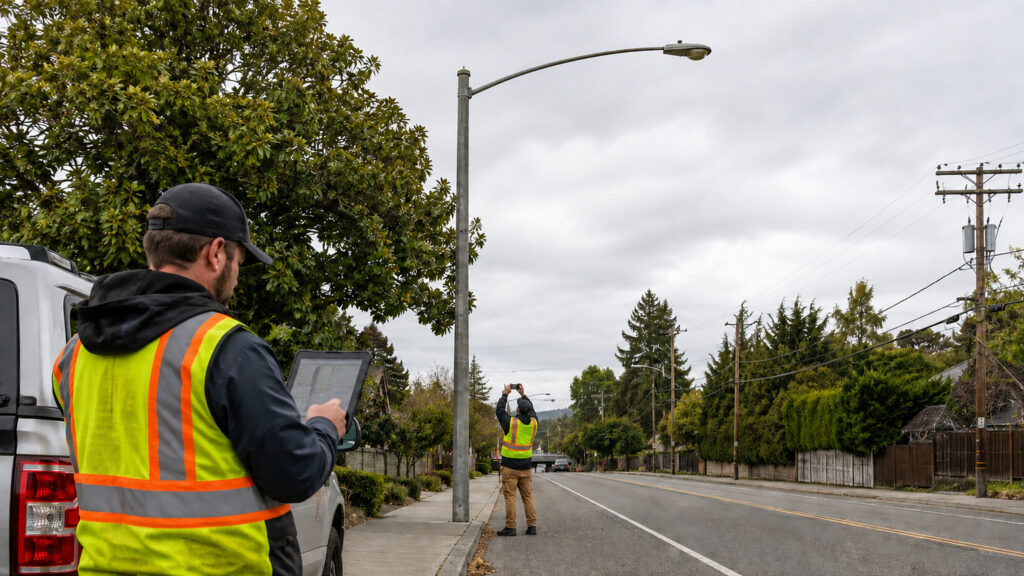
Municipal field auditors document a roadway streetlight asset with a tablet, GPS map and ground-level photographs.
Roadway Lighting & Traffic Signals
Ethan Peng

How to Audit a Municipal Streetlight Network Before an LED Conversion

A municipal streetlight audit is a reconciled record of each light, who owns it, how it is billed and maintained, and what field conditions could affect a conversion. Before selecting LED equipment, a city or agency should compare its records with field observations and document what is verified, uncertain, or in need of qualified review.

Read More »
Illustration of an LED package above a finned heat sink with heat visualization.
Roadway Lighting & Traffic Signals
Ethan Peng

How Ambient Temperature Affects LED Streetlight Output and Service Life

Ambient temperature affects an LED streetlight by changing how readily the luminaire can release internally generated heat. Hot conditions can raise LED and driver operating temperatures, accelerating lumen depreciation and stressing components, while cold conditions generally favor LED thermal performance but still require verified low-temperature and cold-start ratings.

Read More »
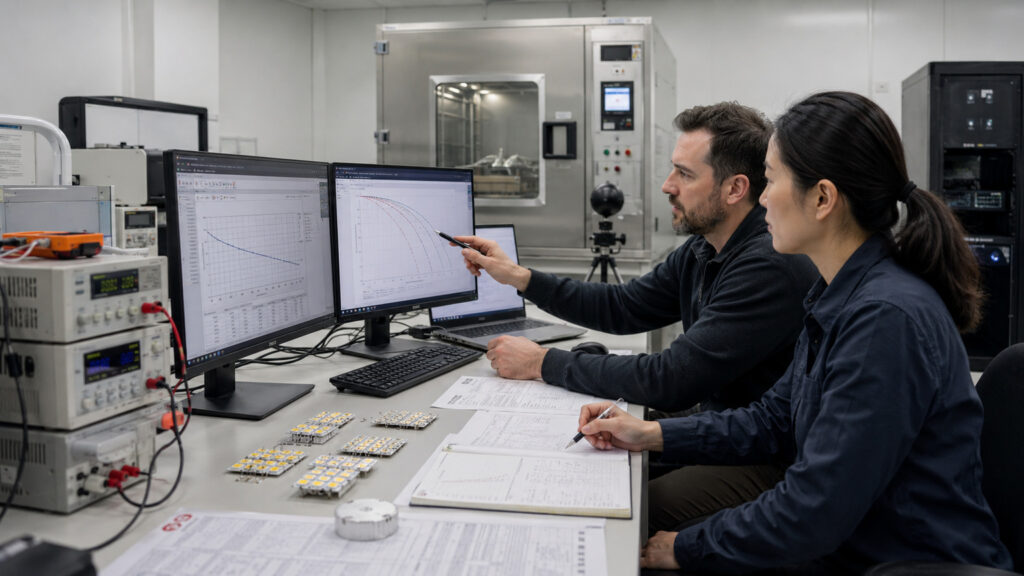
Engineer working at a computer in a lighting test laboratory.
Roadway Lighting & Traffic Signals
Ethan Peng

LM-80 and TM-21 for Streetlights: What the Test Results Do and Do Not Prove

LM-80 measures luminous-flux and color maintenance for LED packages, arrays, or modules under stated test conditions; TM-21 projects longer-term luminous-flux maintenance from applicable source data. For a streetlight claim based on LM-80 and TM-21, neither method alone proves how long the complete luminaire will operate without failure.

Read More »
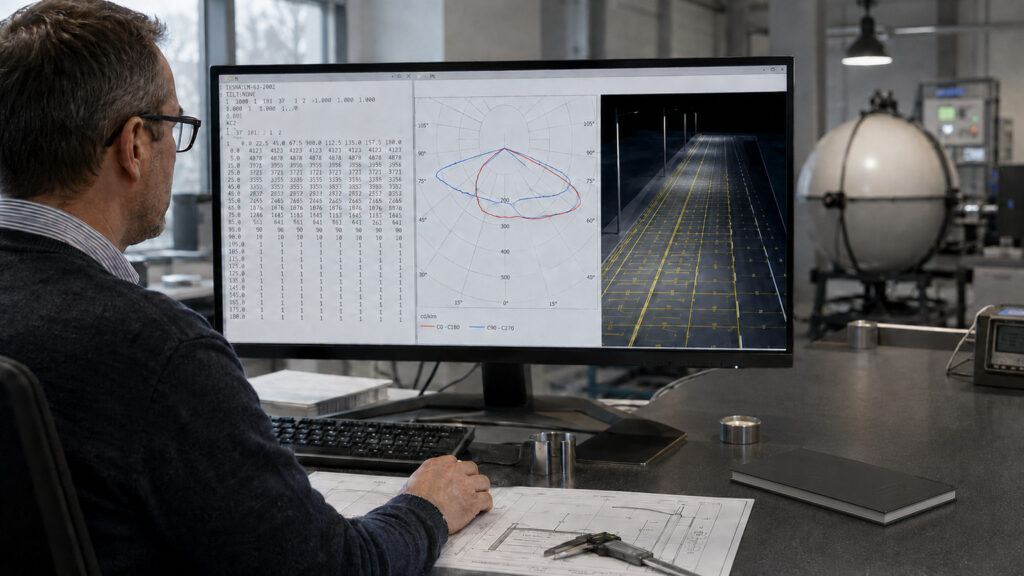
Computer workstation displaying photometric data and lighting analysis.
Roadway Lighting & Traffic Signals
Ethan Peng

How to Read an IES File Without Relying Only on a Photometric Rendering

A reliable IES file interpretation starts by verifying the luminaire and test identity, decoding the vertical and horizontal angle lists, and matching each candela series to its measurement plane. After that, compare the raw data with the polar plots and the project-specific roadway model rather than accepting a rendering as the whole analysis.

Read More »
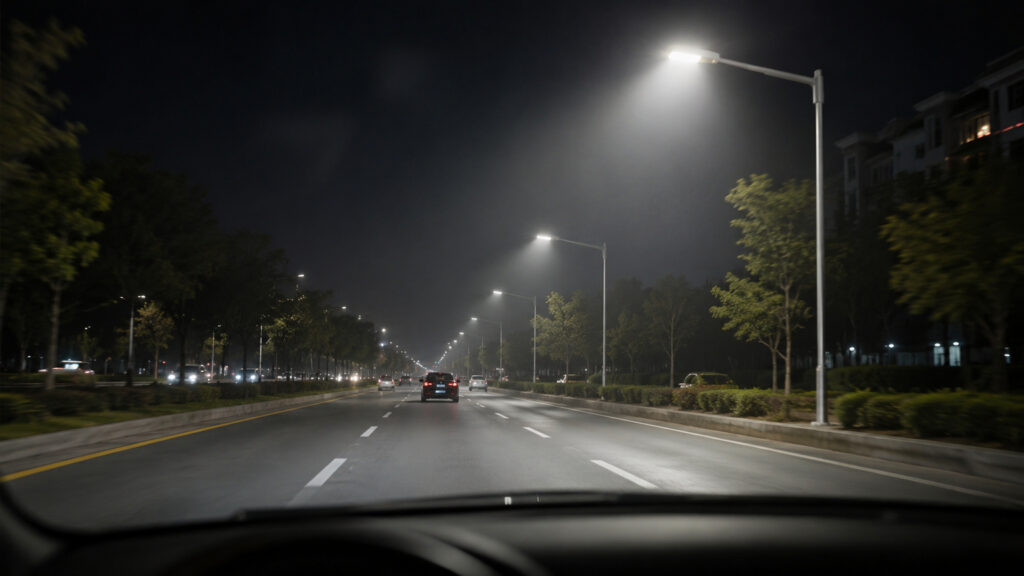
Driver view of a roadway illuminated by streetlights at night.
Roadway Lighting & Traffic Signals
Johnny

Veiling Luminance and Threshold Increment: Measuring Disability Glare on Roads

Veiling luminance describes the contrast-reducing luminous veil caused by stray light in the eye, while threshold increment expresses how much more contrast is needed to see a target when glare is present. Together, veiling luminance and threshold increment help engineers evaluate roadway disability glare, but the results are meaningful only when the governing method and its assumptions are identified.

Read More »
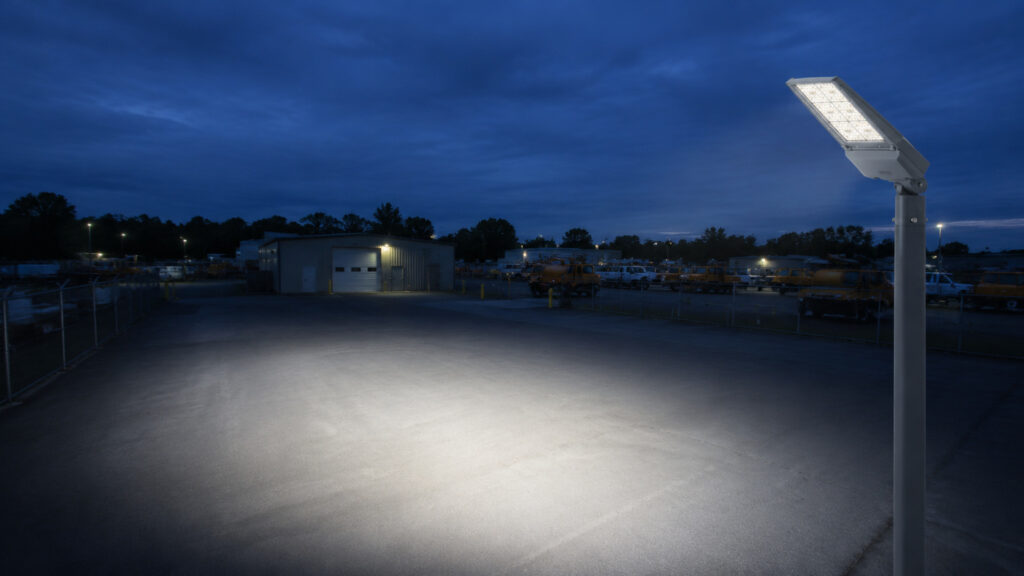
Outdoor task area illuminated by floodlights at dusk.
Roadway Lighting & Traffic Signals
Ethan Peng

Floodlighting Beam Angle Guide: How to Select and Aim Floodlights

A floodlighting beam angle is only one input: start with the task area, then test the actual luminaire photometry against mounting height, setback, and aiming direction. Beam angle alone cannot confirm coverage, glare control, structural suitability, or compliance with a local requirement.

Read More »
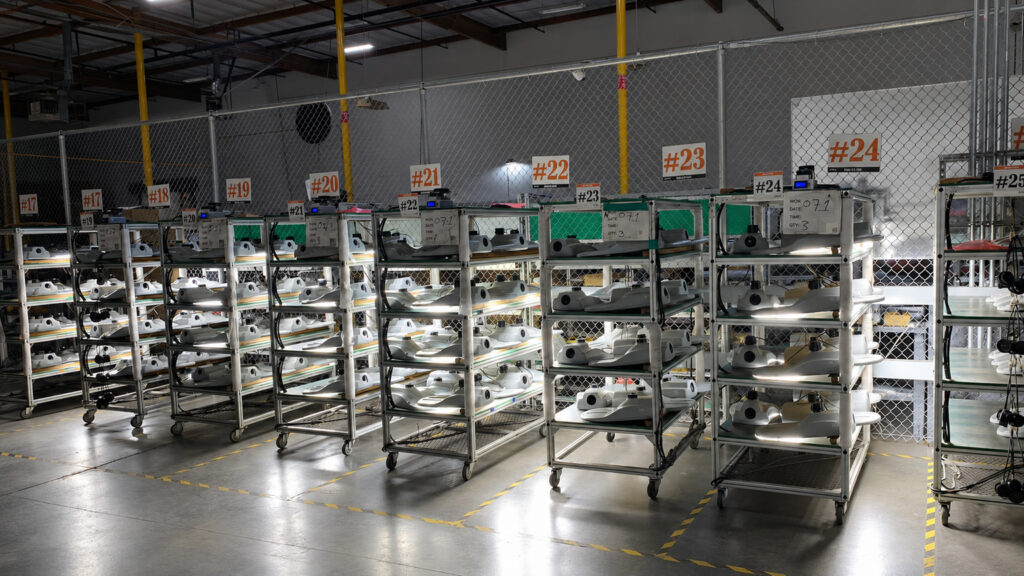
Streetlight assembly line with luminaire housings and production equipment.
Roadway Lighting & Traffic Signals
Johnny

BABA vs. Buy American: What Public Lighting Buyers Need to Distinguish

This BABA vs. Buy American guide explains why Build America, Buy America (BABA) and the Buy American Act are not interchangeable. For a public-lighting purchase, the right starting point is the award or solicitation: confirm the funding path and clauses, then evaluate the exact item and the documentation required for that project.

Read More »
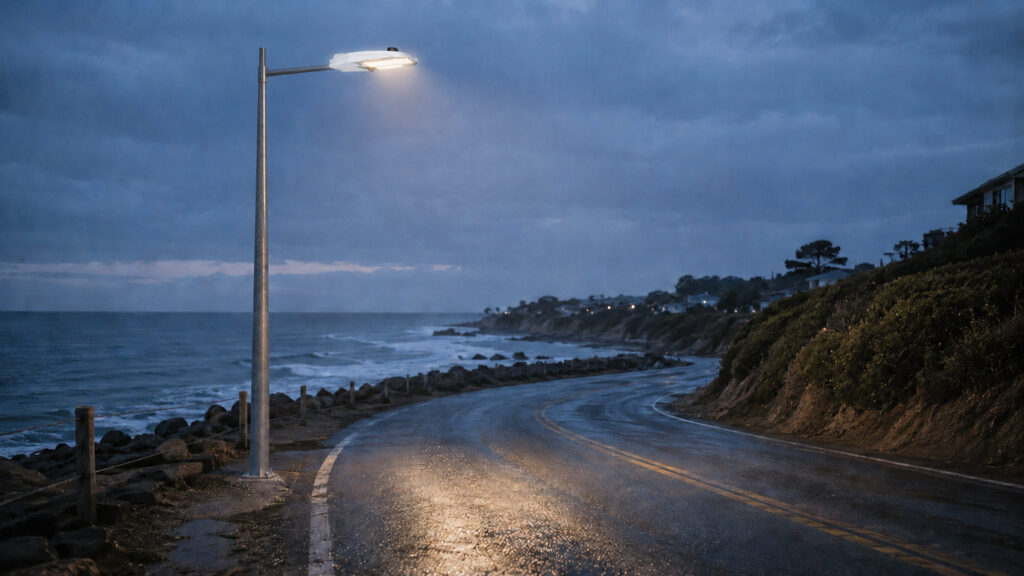
Streetlight beside a coastal roadway at dusk.
Roadway Lighting & Traffic Signals
Ethan Peng

Coastal Streetlight Corrosion: Selection and Maintenance Guide

Coastal streetlight corrosion is best managed as an installed-assembly and maintenance decision, not as a single material label or salt-fog hour count. For a roadway luminaire near salt water, agencies should evaluate the local exposure, housing and finish, fasteners and interfaces, seals and drainage, documentation, and the plan for inspection and repair.

Read More »
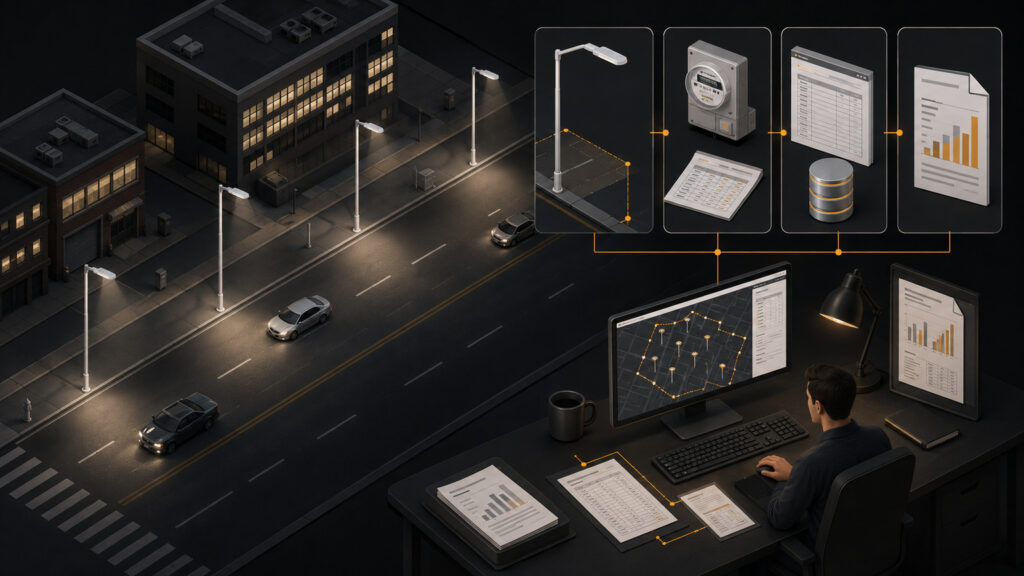
Illustration of lighting equipment, a road and carbon reporting documents.
Sustainability
Johnny

Streetlight Carbon Reporting: How Cities Calculate CO2e

Streetlight carbon reporting starts with a city pairing documented electricity use in kilowatt-hours (kWh) with a documented, applicable electricity emission factor. A credible streetlight carbon report also records its asset boundary, data gaps, factor vintage, and baseline so readers can tell an inventory from an estimate of avoided emissions.

Read More »
English
Español
繁體中文