
TOP BAR

Decorative Lighting

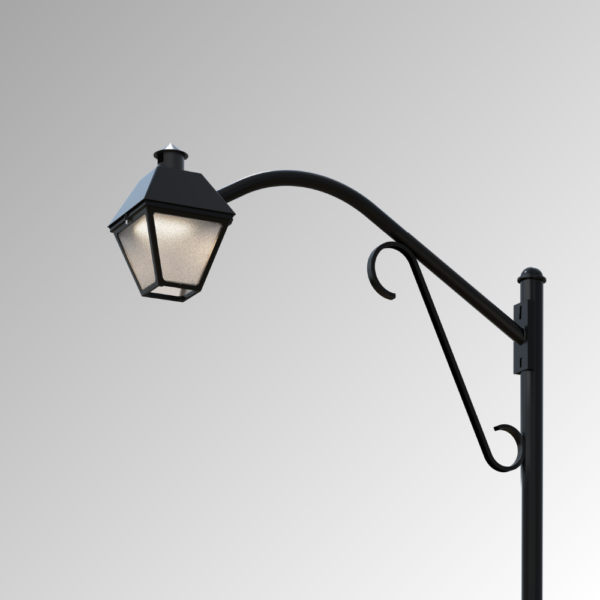
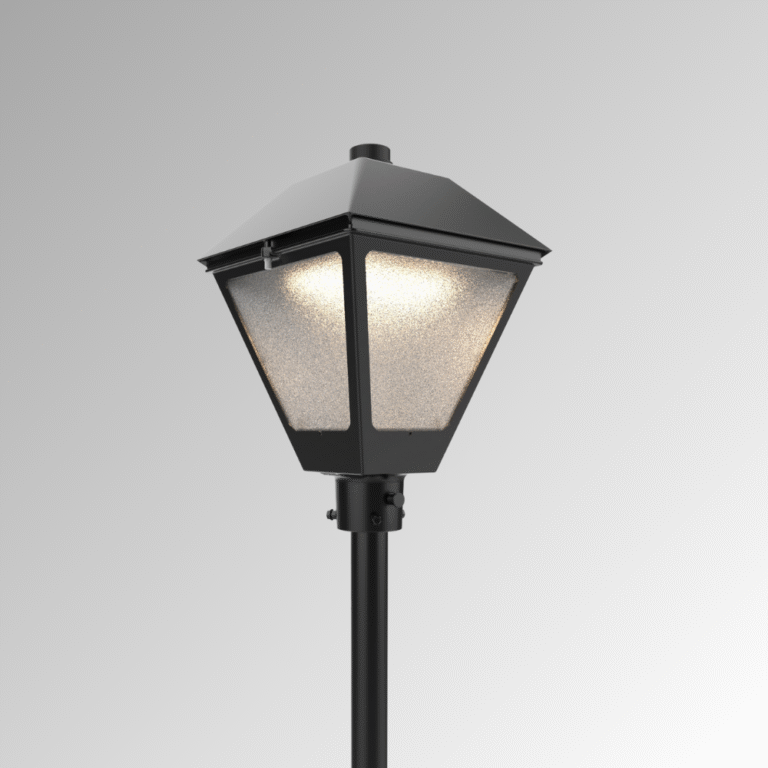
Compare LEOTEK Post Top Colonial and Arm Mount Colonial LED lanterns. Review product specifications and documents for decorative outdoor lighting.

Explore related applications: Outdoor lighting applications · All Outdoor Lighting products

Post Top Colonial Lantern
Post Top
Lumen Output: 2,553–11,690 lm (panel-dependent)
Voltage: 120–277V / 347–480V
About Us

Why LEOTEK?

Building a Safer, Greener, and Smarter City with AIoT

LEOLab

Lighting & Smart City Solutions

Check our LEOLab pages to find more information.

Contact Us

Need Product Support & Inquiry?

If you need any service, please feel free to contact us!

Decorative Lighting models

PROJECT SUPPORT

Decorative Lighting FAQs

Answers to common questions about product selection, installation and procurement.

Should I choose Post Top Colonial or Arm Mount Colonial?

PTC mounts at the pole top; AMC uses a side-arm mounting configuration. They share a lantern appearance but are different mechanical products. Choose the existing pole/arm interface first, then compare the exact optic, CCT, output and side-panel configuration. A streetscape can use both styles, but the order and installation drawings must identify each rather than treating them as interchangeable mounting accessories.

Specifications & documents
post top lantern specification sheet · AMC Spec Sheet

Will the lantern fit our existing decorative pole or arm?

PTC’s universal post-top fitter covers 2⅜–3-inch poles. AMC specifies the SAM side-arm configuration; its decorative scroll and non-scroll arms are separate accessories or can be provided by others. Check the arm’s attachment dimensions and load capacity against the AMC drawing. A matching visual style does not establish that an existing decorative arm has the correct attachment or structural capacity.

Specifications & documents
post top lantern specification sheet · AMC Spec Sheet

Further reading
Streetlight EPA: Wind Load and Pole Design

Do side panels change the lighting performance?

Yes. PTC and AMC publish separate performance data for no panels and their lens/panel options. AMC includes no-panel, textured polycarbonate, textured acrylic and a single-piece four-sided acrylic lens configuration. Panel choice changes output and optical behavior, so use the matching photometry in the layout and keep the panel code in the quotation. Do not approve a no-panel calculation and then order enclosed panels for appearance.

Specifications & documents
post top lantern specification sheet · AMC Spec Sheet

Further reading
How to Read an IES File

Are all Colonial lantern configurations DarkSky approved?

Do not apply one configuration’s approval to every lantern. PTC’s sheet identifies the no-side-panel configuration at 3000K or warmer for its DarkSky approval. Its panel, CCT and distribution choices still need the corresponding photometry. For AMC, use the exact approved configuration documentation rather than extending PTC’s statement to a different product. A decorative housing style alone says nothing about the approval scope.

Specifications & documents
post top lantern specification sheet · AMC Spec Sheet

How can we preserve appearance while controlling sidewalk and property-line light?

Select the lantern, finish and panel style together with its optical distribution. PTC provides Type 2R/3R/5 choices; AMC has a broader roadway/area optic set. Both offer directional shielding, but current AMC shield notes exclude certain shields with T5. Calculate the actual sidewalks, roadway and adjacent windows with the chosen panel and shield; appearance and light coverage need to be resolved in the same submittal.

Specifications & documents
post top lantern specification sheet · AMC Spec Sheet

Further reading
How to Read an IES File · Roadway Lighting Uniformity Ratios

Which control configuration should we specify?

PTC PCR7-CS includes an output selector but leaves receptacle dimming wires unconnected; PCR7-CR is factory-wired for controls and omits the selector. AMC’s current sheet offers PCR7CR with standard 0–10V, plus a separate D4i/DALI configuration; its PS selector is not compatible with DALI. AMC’s cupola/node combination also needs factory coordination. A receptacle or decorative cupola does not establish the complete controller configuration.

Specifications & documents
post top lantern specification sheet · AMC Spec Sheet

Further reading
Streetlight CMS Architecture: Nodes, Networks and Central Management

What should we specify for coastal sites and maintenance access?

The current AMC sheet lists CF coastal finish, IP66 optics and tool-free access to the hinged electrical/LED assembly with a kickstand. PTC’s sheet has its own construction and finish-test data, so do not copy an AMC salt-spray claim to PTC. Specify the actual finish and environmental exposure, and include access, cleaning and replacement parts in the maintenance plan for the installed lantern.

Specifications & documents
AMC Spec Sheet · post top lantern specification sheet

Further reading
Coastal Streetlight Corrosion: Selection and Maintenance Guide

What warranty and procurement details should a streetscape bid include?

PTC is listed at five years in the current North America warranty; the current AMC specification also states a five-year limited luminaire warranty. Record model, mount, finish, panel, CCT, CRI, optic, output and controls by location, with matching IES and installation documents. Controller/service coverage is a separate scope. This prevents a visually consistent streetscape order from hiding materially different output or mounting configurations.

Specifications & documents
Leotek General Illumination Products Warranty North America · AMC Spec Sheet · post top lantern specification sheet

Selection & project planning

Coordinate streetscape appearance with mounting, photometric performance and long-term maintenance. Compare the Post Top Colonial and Arm Mount Colonial configurations for the intended installation.

Compare exact configurations

Compare Post Top Colonial (PTC) and Arm Mount Colonial (AMC) by mounting arrangement, dimensions, optical configuration and ordering options. Preserve the intended architectural appearance while selecting a documented lighting configuration.

Validate the lighting layout

Review sidewalks, pedestrian areas, roadway edges and adjacent properties using the proposed lantern configuration and actual mounting height. Decorative appearance alone does not establish adequate illumination or control of spill light.

Coordinate installation and controls

Verify tenon or arm dimensions, attachment hardware, wiring access, fixture loading and service access. Coordinate finish and accessories across the fixture schedule and confirm the selected control arrangement.

Prepare the procurement package

Record the exact ordering codes, quantities, mounting accessories, finish, voltage, color temperature and control requirements. Request current specifications, matching IES files, installation instructions and written warranty terms. Confirm the documentation required by the project solicitation for the proposed configuration.

English
Español
繁體中文