



TOP BAR

Knowledge & Insights

Discover our latest LED lighting innovations and learn how LEOTEK is lighting the way with sustainable solutions and expert insights.
leotek-ecological-lighting-specification-public-project-cover
Sustainabilty
Johnny

How to Write an Ecological Lighting Specification for Public Projects

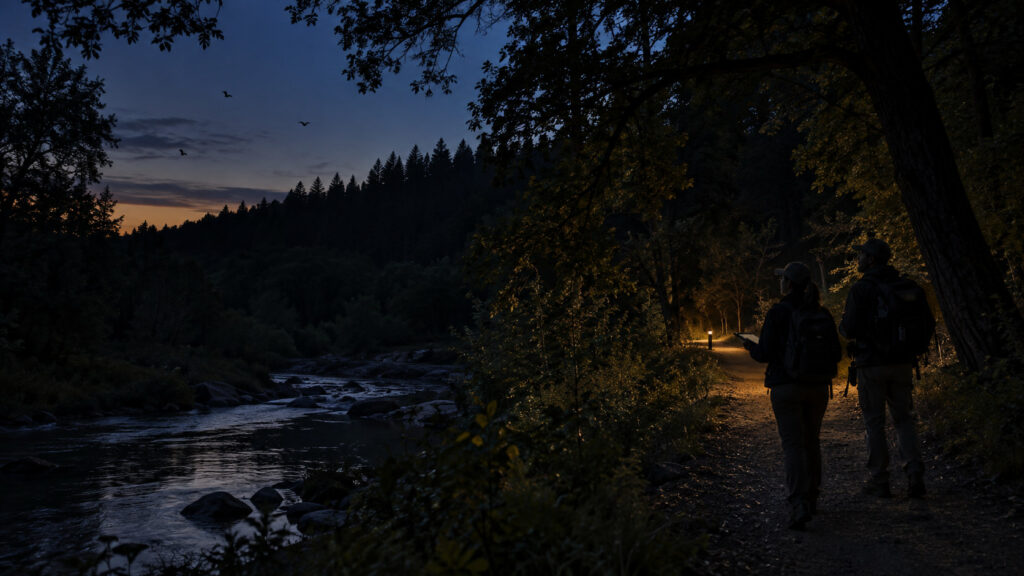
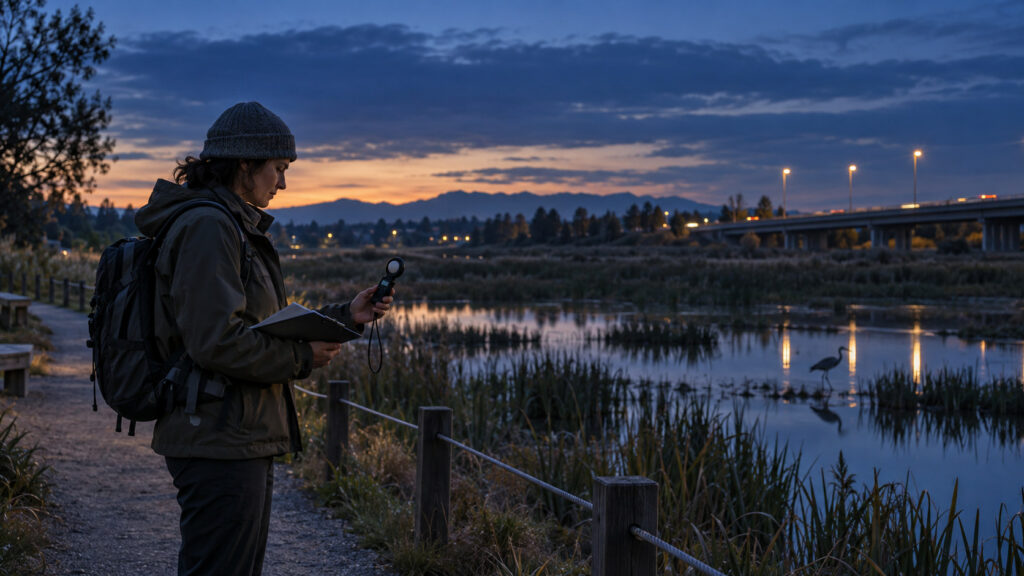
An ecological lighting specification defines the site, sensitive habitats, required lighting tasks, and verifiable limits on direction, spectrum, output, timing, and maintenance. For a public project, it should require bidders to show how the proposed equipment and controls meet those requirements while leaving final design values to the responsible engineer and applicable authority.

Read More »
leotek-streetlight-carbon-reporting-audit-trail-cover
Sustainabilty
Johnny

Streetlight Carbon Reporting: How Cities Calculate CO2e

Streetlight carbon reporting starts with a city pairing documented electricity use in kilowatt-hours (kWh) with a documented, applicable electricity emission factor. A credible streetlight carbon report also records its asset boundary, data gaps, factor vintage, and baseline so readers can tell an inventory from an estimate of avoided emissions.

Read More »
leotek-luminaire-epd-public-procurement-lifecycle-cover-v2
Sustainabilty
Johnny

Environmental Product Declarations (EPD) for Luminaires: What Buyers Should Look For

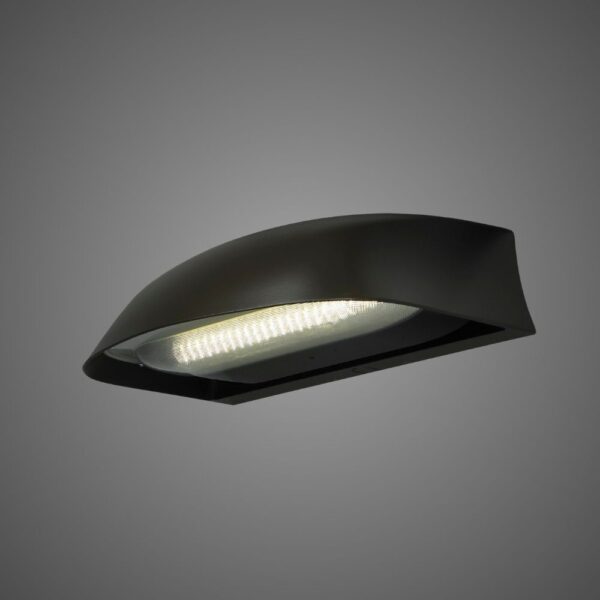
A luminaire EPD, short for an Environmental Product Declaration, is a verified Type III environmental declaration that reports life-cycle environmental information for a defined product or product group under stated rules. It can inform a roadway-lighting procurement, but it is not a performance certification or proof that one luminaire is environmentally preferable to another.

Read More »
Embodied Carbon vs. Operational Carbon! What are the differences in Roadway Lighting? Embodied carbon is associated with making, delivering, installing, replacing, and eventually managing the end of life of roadway-lighting equipment within a defined assessment boundary. leotek-roadway-lighting-embodied-operational-carbon-lifecycle-cover
Sustainabilty
Johnny

Embodied Carbon vs. Operational Carbon in Roadway Lighting

Embodied Carbon vs. Operational Carbon! What are the differences in Roadway Lighting?

Embodied carbon is associated with making, delivering, installing, replacing, and eventually managing the end of life of roadway-lighting equipment within a defined assessment boundary.

Read More »
leotek-oregon-spotted-frog-ecological-outdoor-lighting-cover
Sustainabilty
Ethan Peng

Wetland and Amphibian Lighting: Managing Light Around Water and Breeding Areas

Amphibian lighting starts by avoiding unnecessary nighttime light near wetlands and breeding habitat. When lighting is necessary for a roadway, path, facility, or operations task, the practical approach is to contain it to that task, limit when it operates, evaluate spectrum as one part of the design, and verify the installed condition with site-specific ecological and regulatory input.

Read More »
leotek-wildlife-focused-ecological-outdoor-lighting-cover
Sustainabilty
Ethan Peng

Seasonal Dimming Schedules for Wildlife-Sensitive Areas

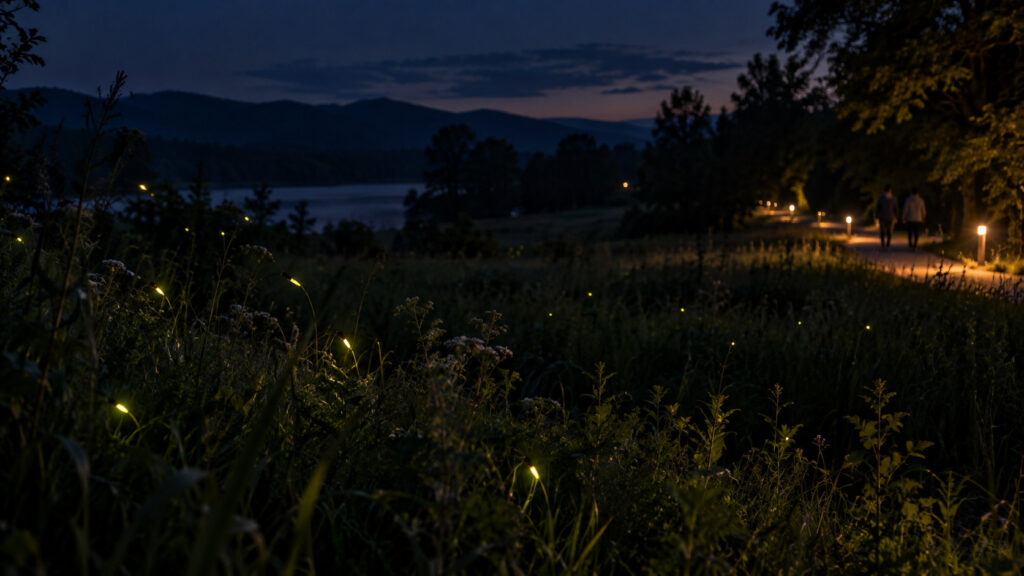
A wildlife lighting schedule is a documented, site-specific seasonal dimming plan that changes roadway or public-area lighting timing and levels during recurring periods of wildlife sensitivity while retaining lighting needed for the location. It should be built from local habitat information, the purpose of the lighting, applicable requirements, field validation, and a review process, not from a universal preset.

Read More »
leotek-spd-vs-cct-ecological-outdoor-lighting-cover
Sustainabilty
Ethan Peng

Spectral Power Distribution vs. CCT for Ecological Outdoor-lighting Evaluation: Why SPD Matters More

For ecological outdoor-lighting evaluation, spectral power distribution (SPD) is more informative than correlated color temperature (CCT) because it shows how a source’s output is distributed across wavelengths. CCT describes apparent color, while ecological effects also depend on the amount, direction, timing, duration, setting, and organisms exposed to the light.

Read More »
Eco-Friendly Streetlights
Sustainabilty
Ethan Peng

Eco-Friendly Streetlights: Paving the Path for Sustainable Urban Illumination

Streetlights have always been a key part of city life, showing us the way at night and making our streets safe. Over time, as technology got better, streetlights changed too. We moved from gas lamps to electric bulbs and, now, to LED lights. These changes have been good for people, but they’ve also brought problems for wildlife.

Read More »
Recommended Design for Street light to prevent light pollution
Sustainabilty
Johnny

Light Pollution Explained: Impacts and Solutions

Light pollution is more than just a visual problem; it’s an environmental and health issue. It happens when artificial light at night becomes excessive and unwanted. This includes bright night skies in cities, light spilling outside its intended area, glaring lights that reduce visibility, and confusing clusters of lights.

Read More »
English
Español
繁體中文