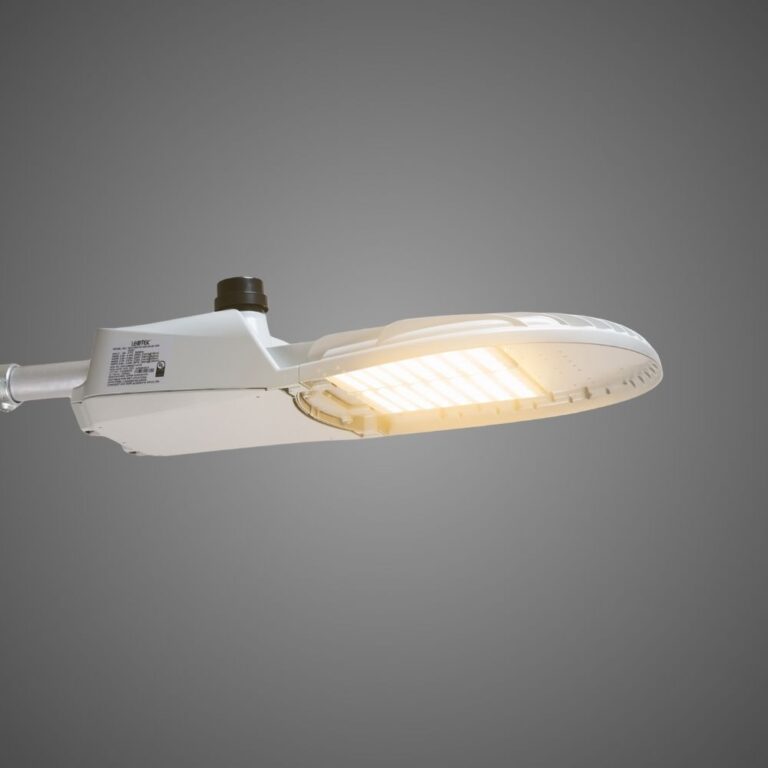
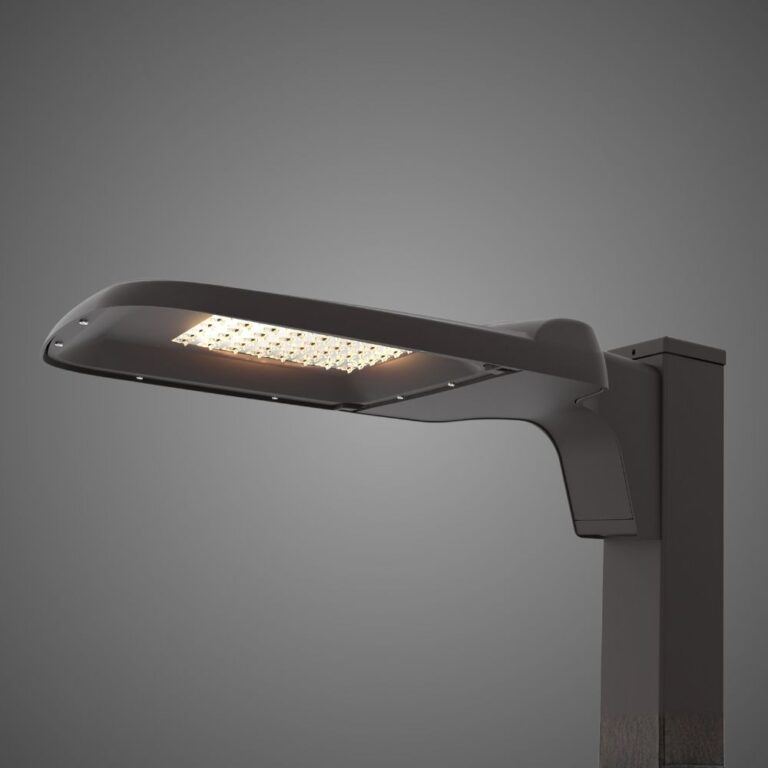
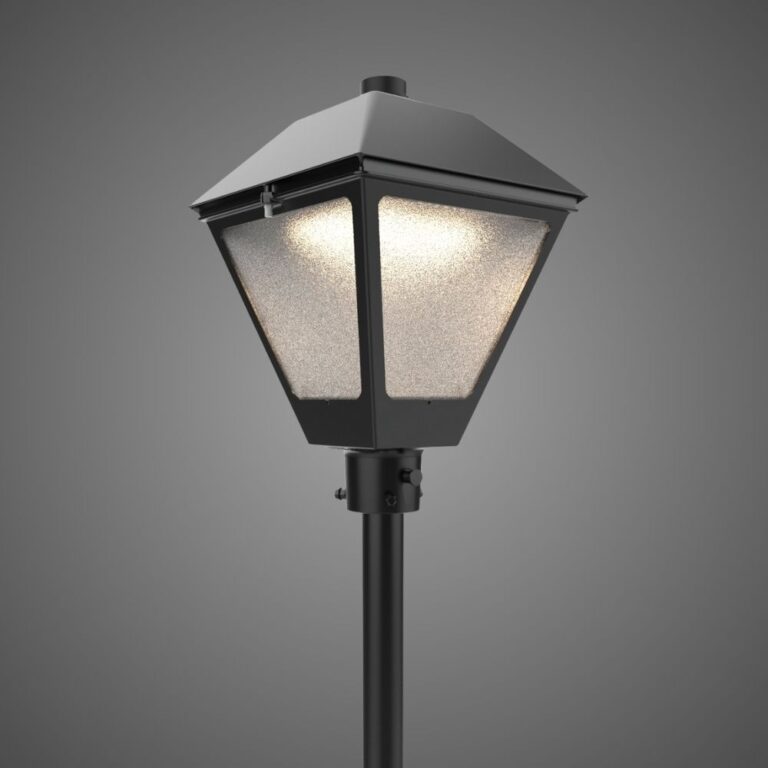

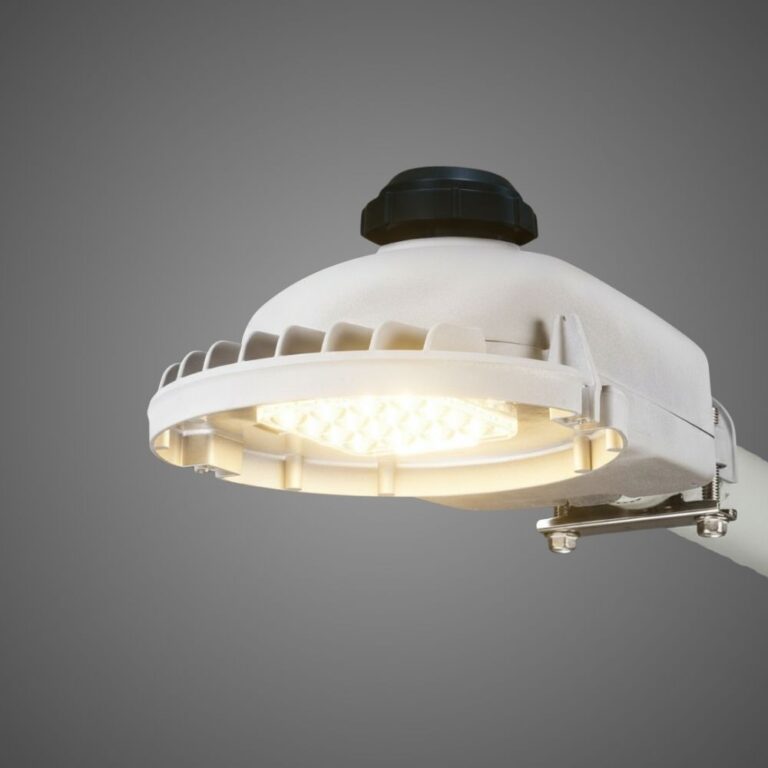
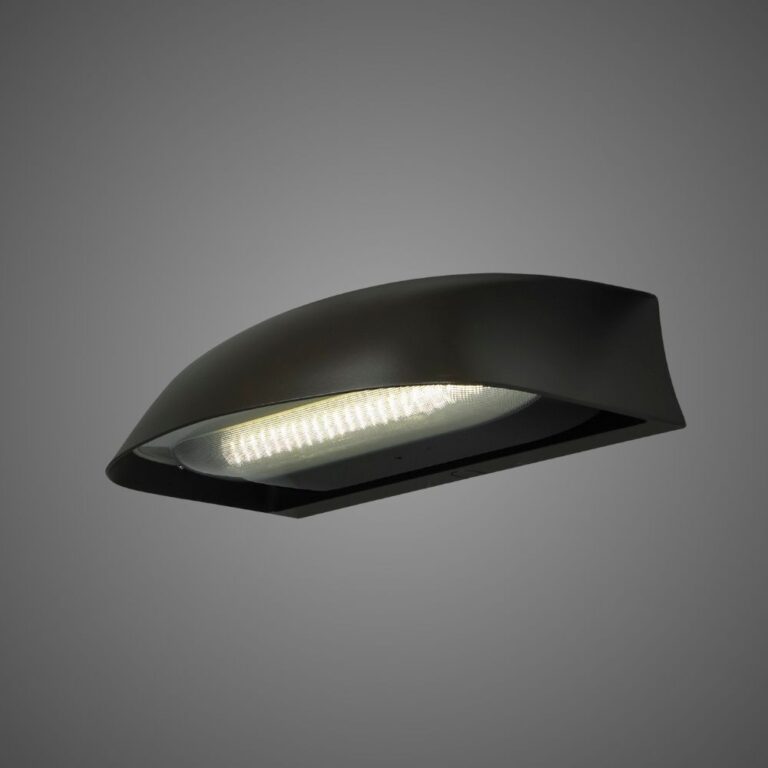
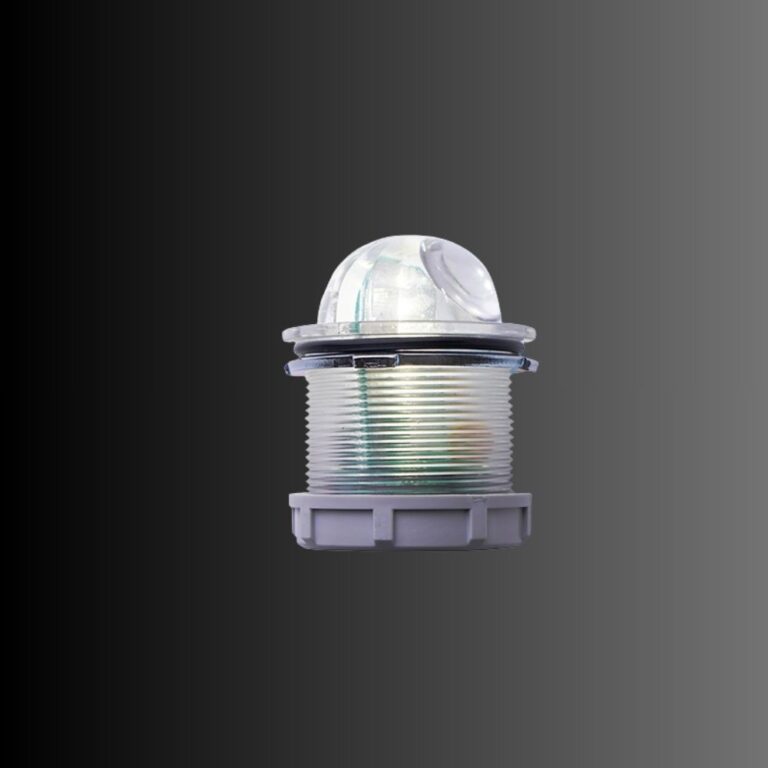
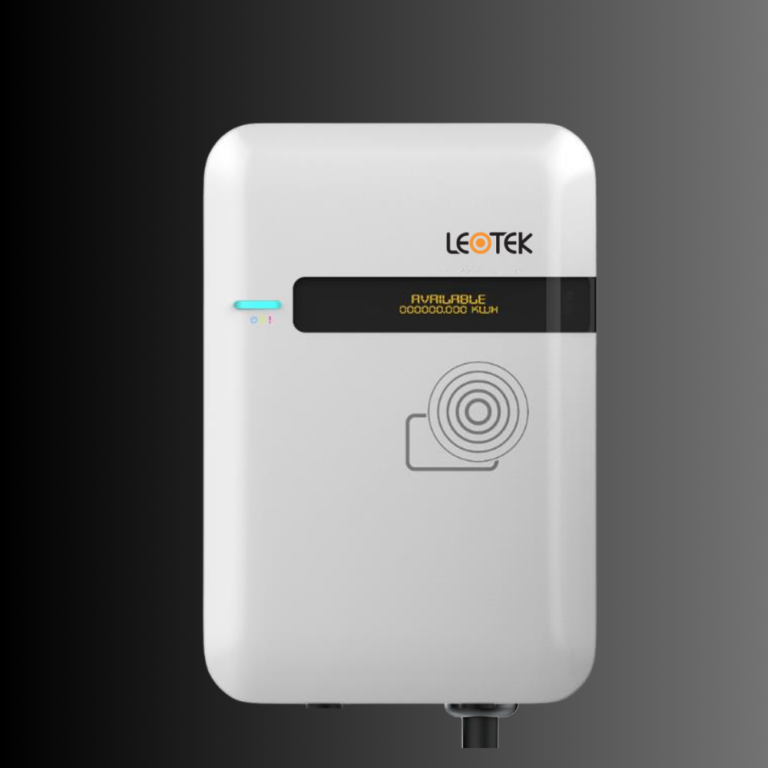
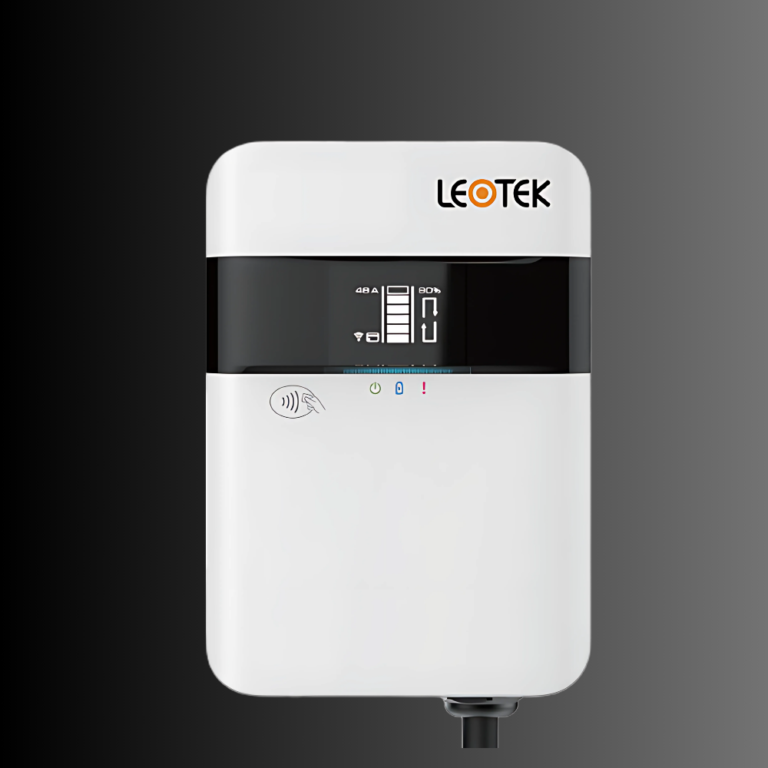
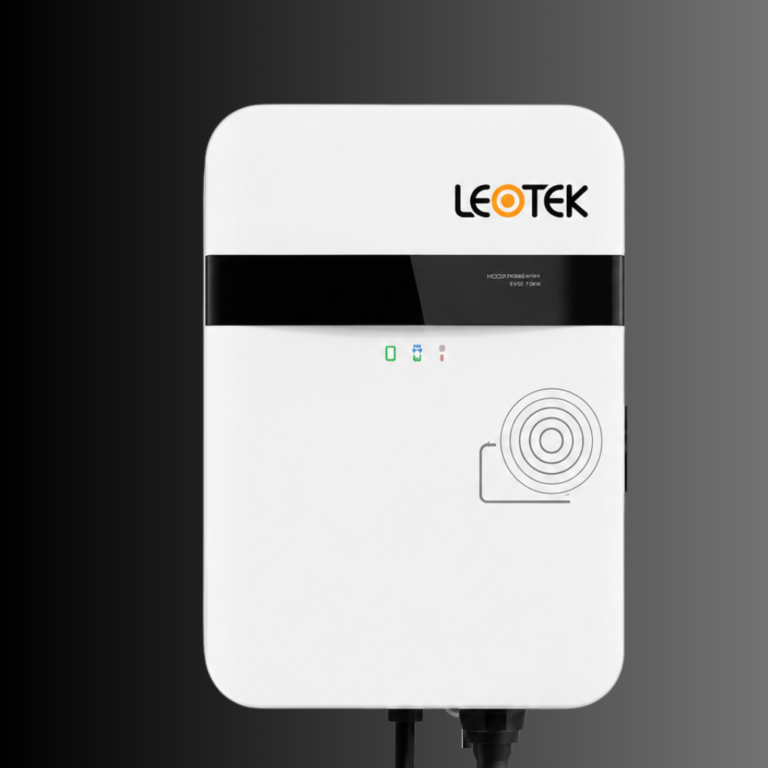


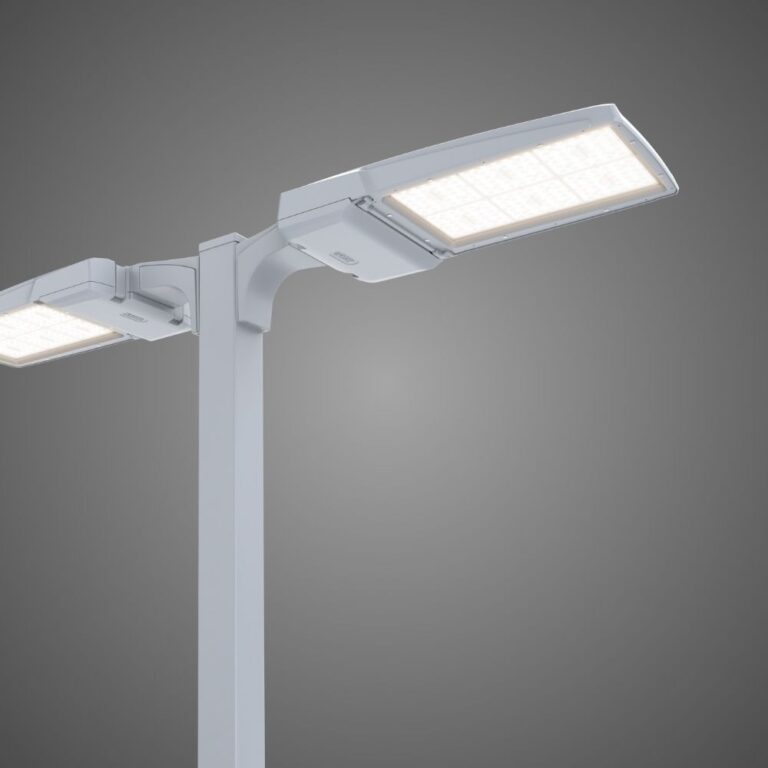
BABA and Buy American Act (BAA) compliant configurations are available for select LEOTEK roadway and traffic lighting products.
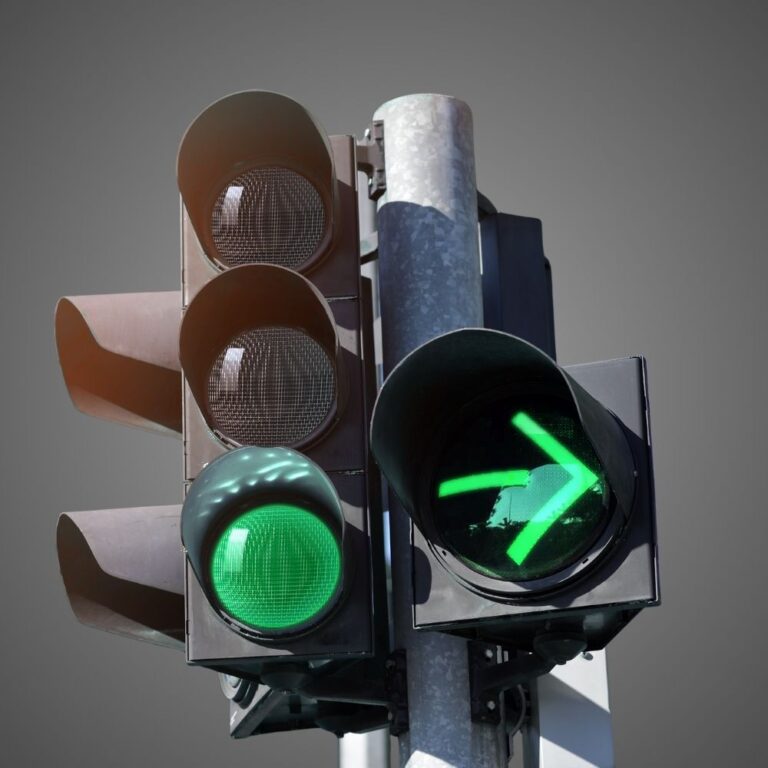
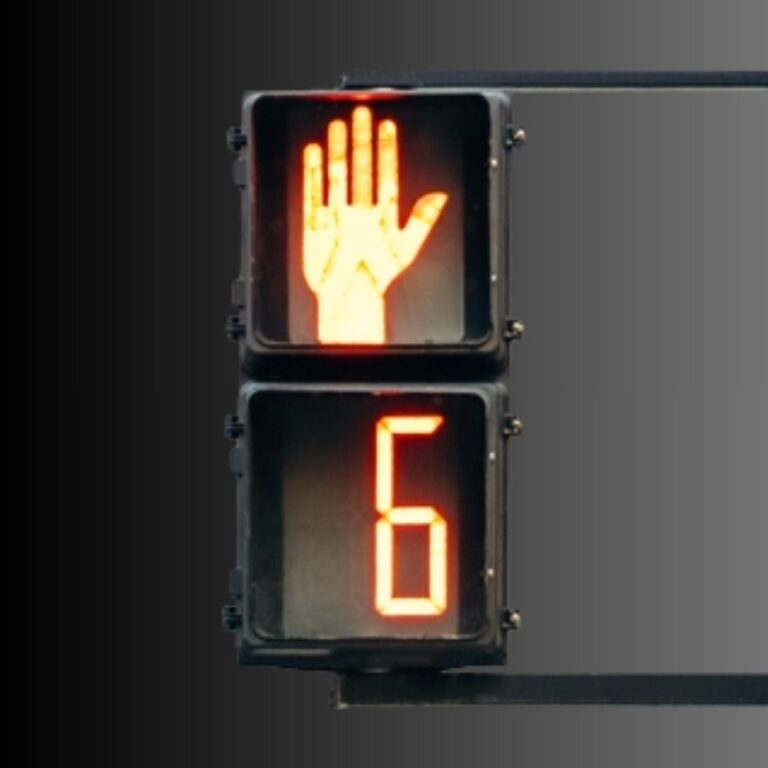
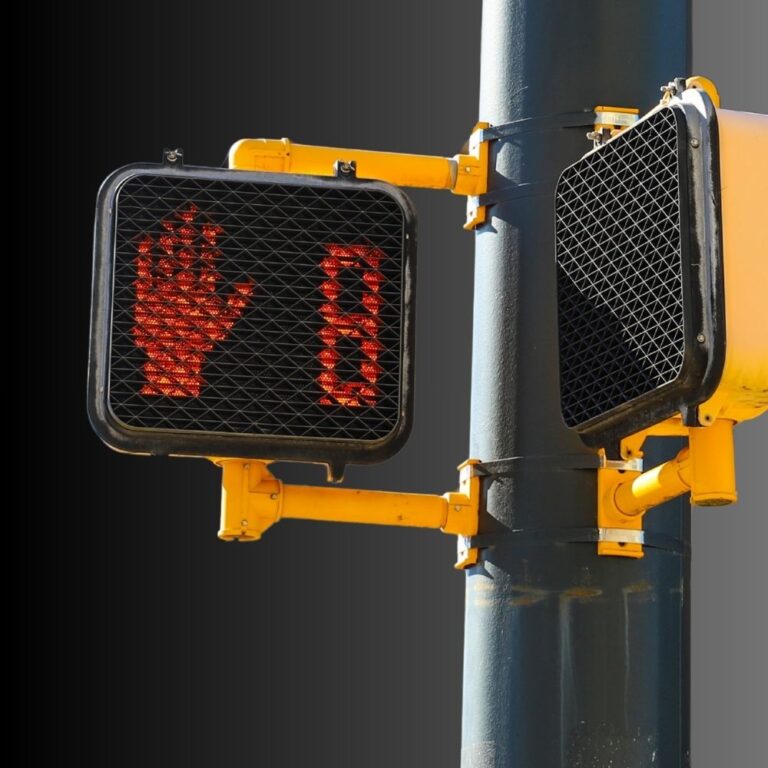
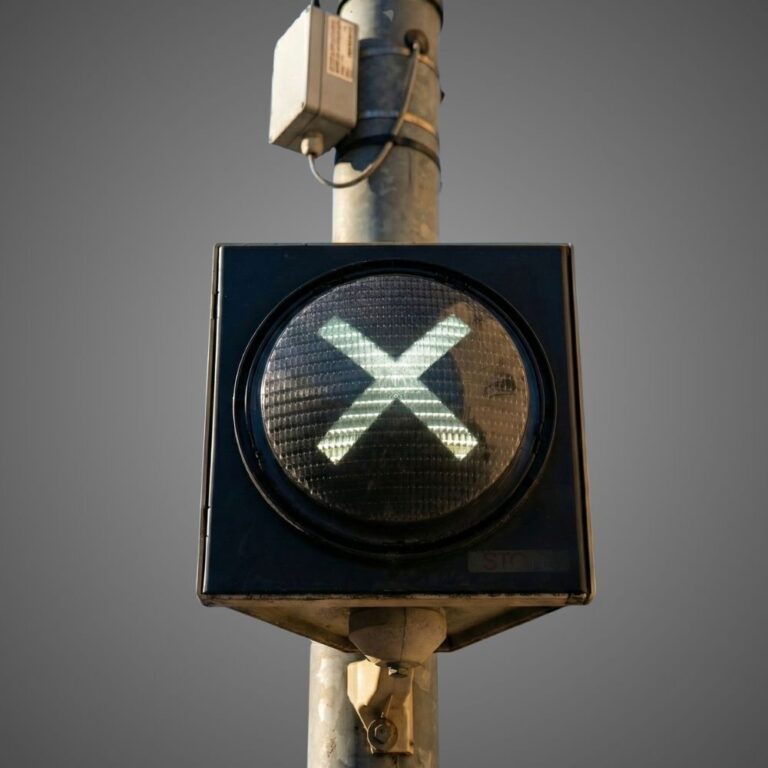
Countdown Signal Module
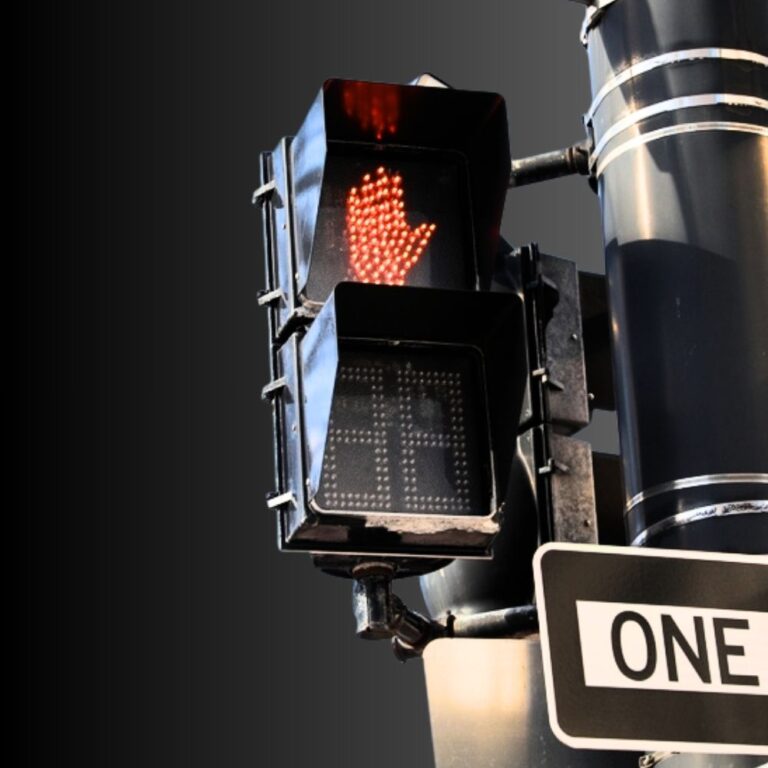
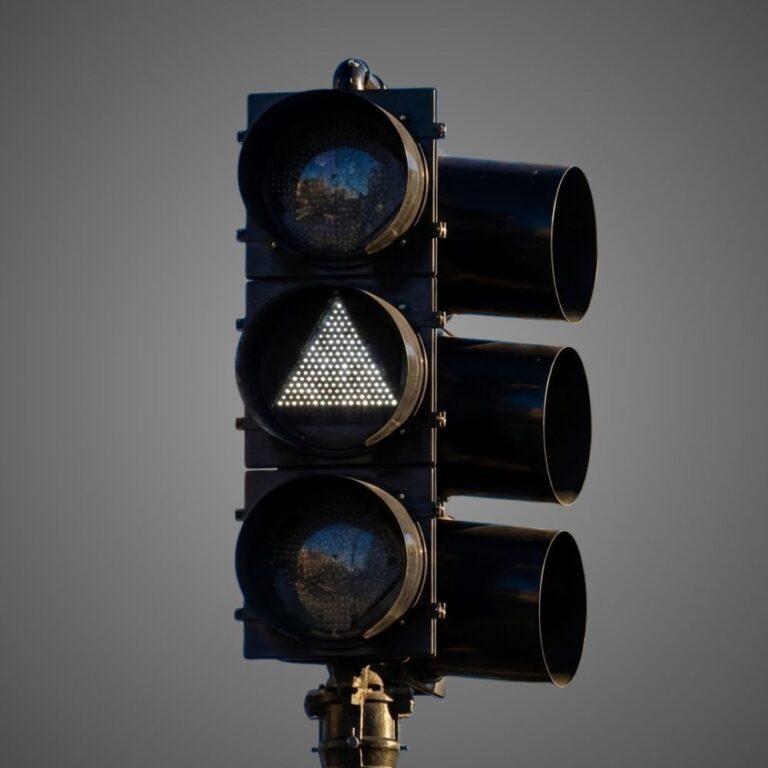
Hand & Person Overlap
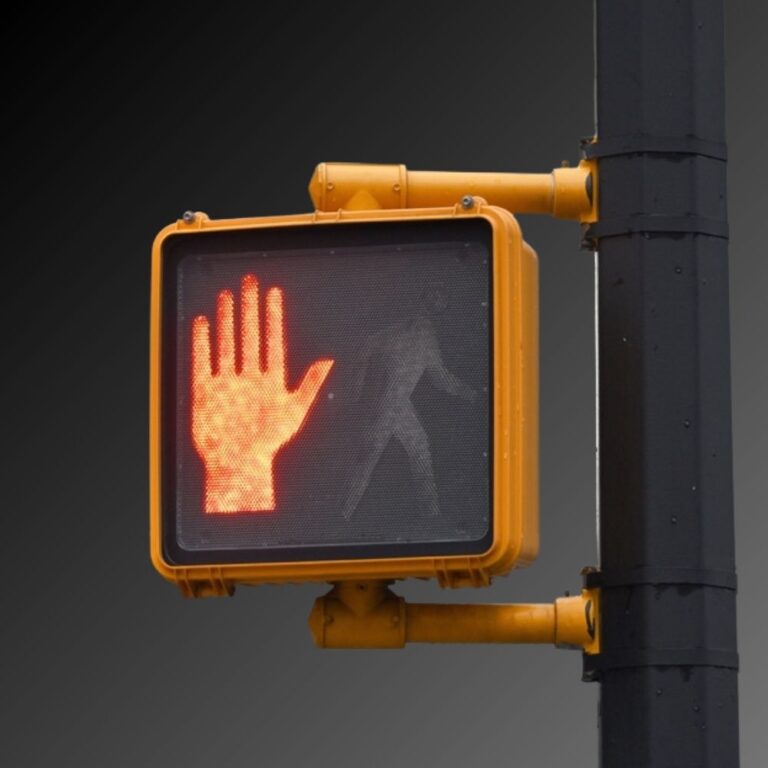
Hand & Person Side by Side
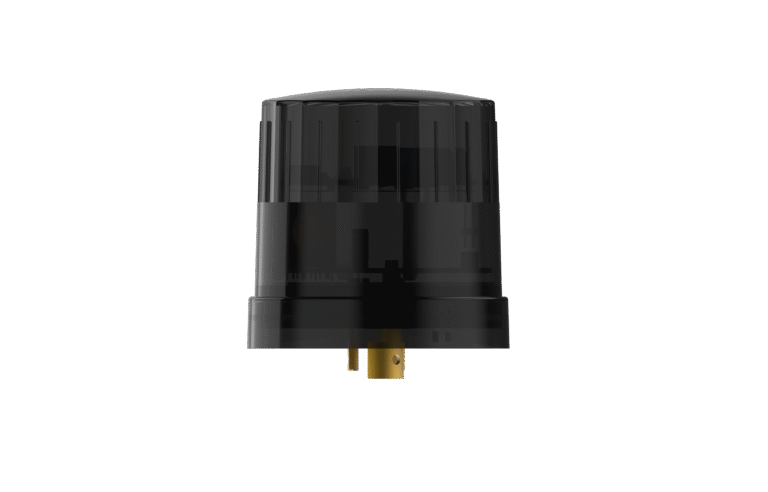
External / Plug-and-Play Smart Node (Mounts externally to the fixture)
Integrable lighting products
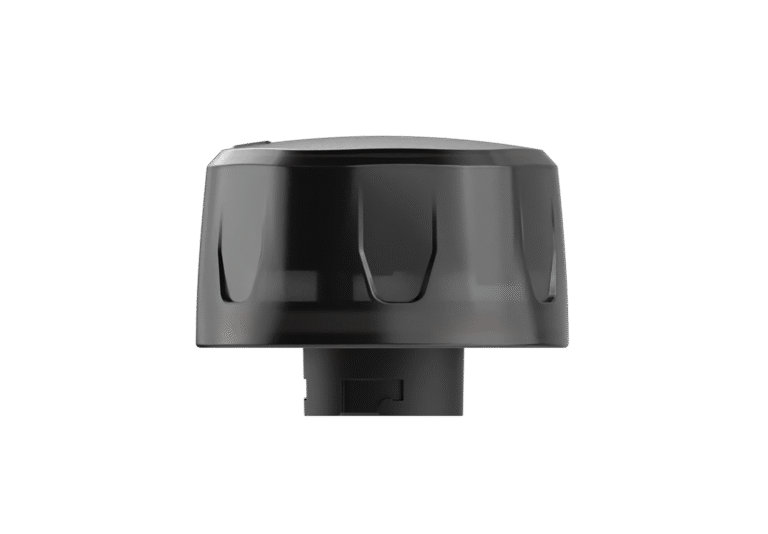
Internal / Integrated Smart Node (Built directly inside the luminaire)
Integrable lighting products
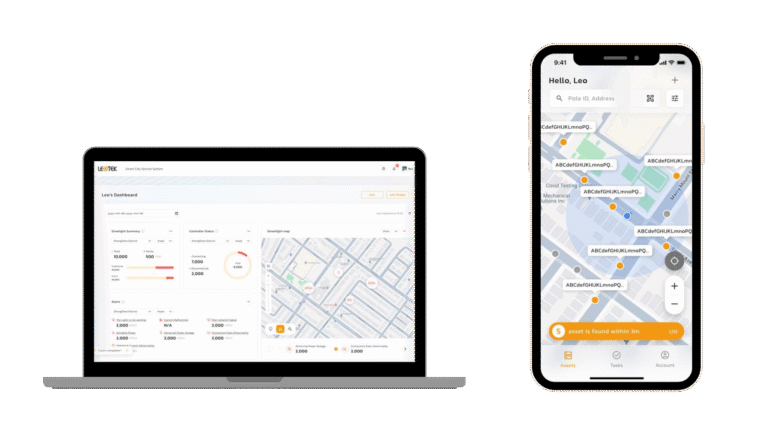
The central AI management system (CMS) of the LEOlink Intelligent Lighting System.
Integrable lighting products
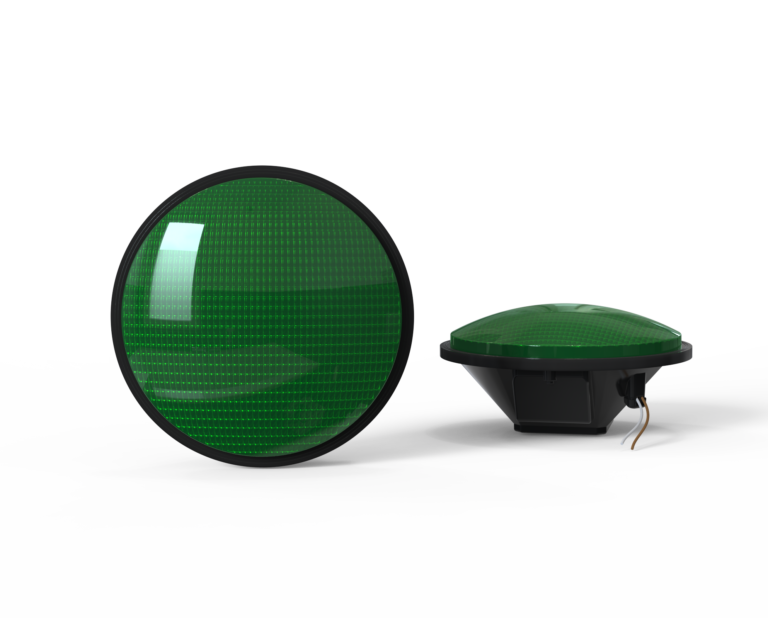

Frontier isn’t just a name—it’s a declaration. Born from the legacy of Dialight’s trusted traffic signal designs and reimagined by LEOTEK’s innovation-driven R&D and product management teams, Frontier stands as a symbol of reliability, evolution, and regional adaptation.
With experience in signal technologies and transportation infrastructure applications, LEOTEK helps project owners identify suitable railroad signal solutions based on visibility requirements, operating environments, and safety communication needs. For more complex rail or transportation projects, our professional team is ready to support your evaluation.
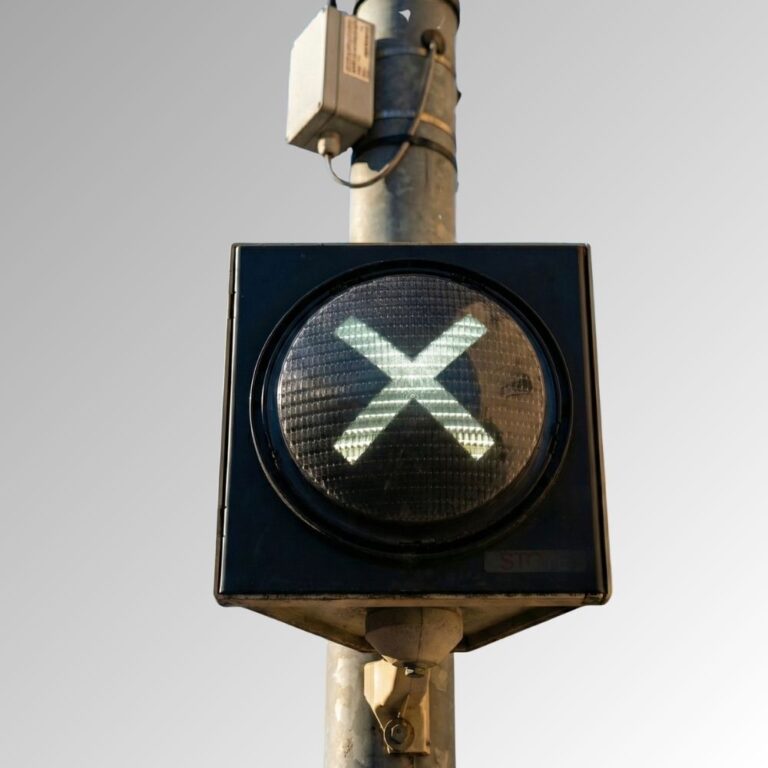
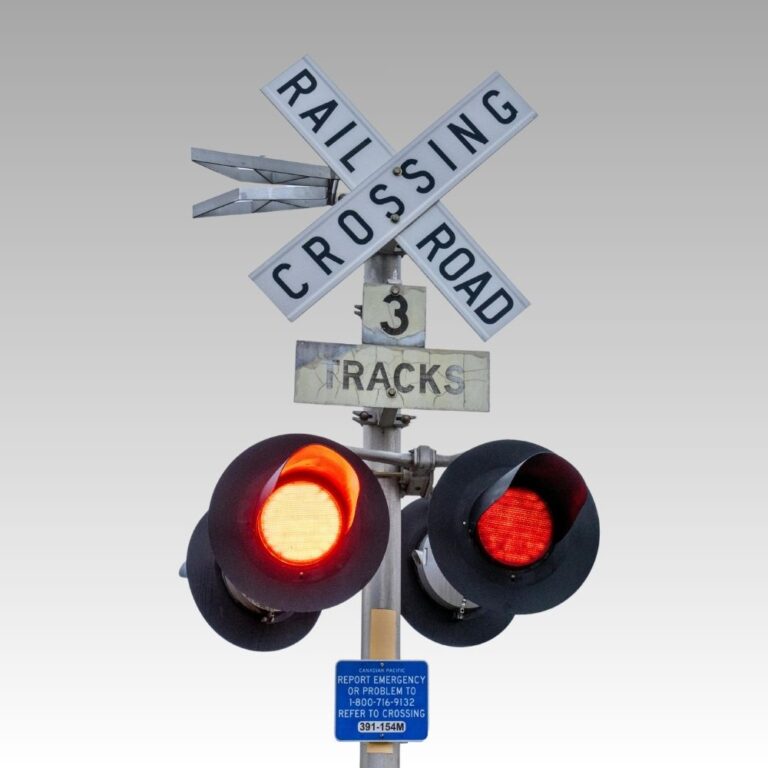
Railroad signal lights are used in environments where clear, reliable, and highly visible indications are essential for safety. Unlike standard roadway signals, railroad applications often involve interactions between trains, vehicles, pedestrians, and transportation infrastructure, making signal clarity and system reliability especially important.
In these settings, signal performance directly affects how quickly users recognize warnings and respond to changing conditions. Stable and consistent visual communication helps reduce uncertainty, improve awareness, and support safer movement around rail environments.
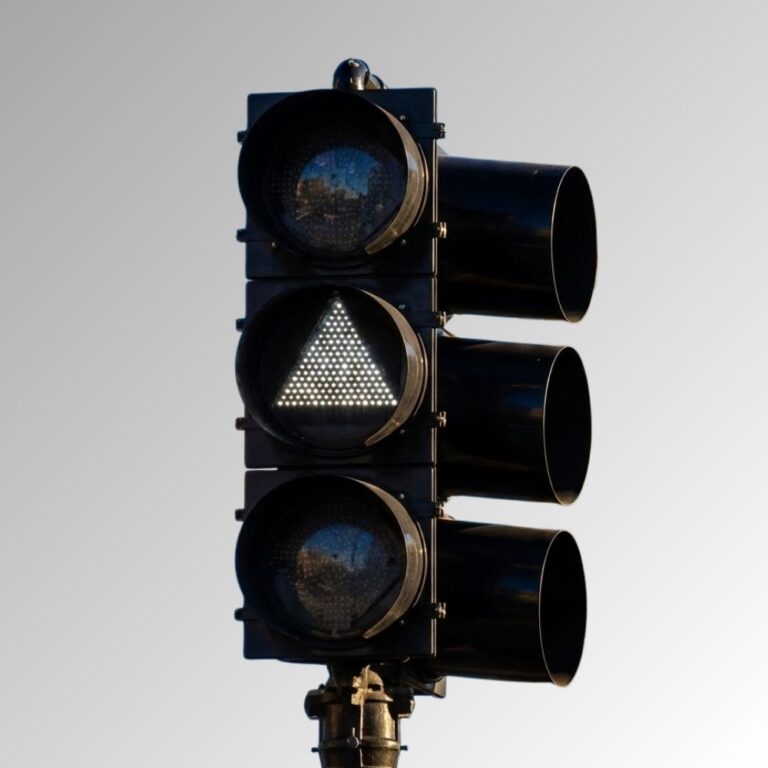
Railroad signal lights must provide highly visible and easily recognizable indications that help road users, pedestrians, and operators respond appropriately in rail-related environments.
At locations where rail systems interact with roads, crossings, or public spaces, signal systems must help reduce conflict and support safer movement.
Railroad signal systems must operate consistently in outdoor environments, supporting long-term visibility, durability, and dependable safety communication.
LEOTEK railroad signal solutions are designed to support clear visibility, stable operation, and long-term reliability in transportation infrastructure environments.
LEOTEK railroad signal solutions are designed to support clear visibility, stable operation, and long-term reliability in transportation infrastructure environments.
Selecting railroad signal lights depends on the application environment, visibility requirements, safety communication needs, and operating conditions. Projects should consider whether the signals will be used for grade crossings, rail corridors, transit interfaces, or facility operations.
Clear visibility is critical because railroad signal lights provide safety-related information to drivers, pedestrians, cyclists, and operators. Highly visible indications help users recognize warnings quickly and respond appropriately near rail environments.
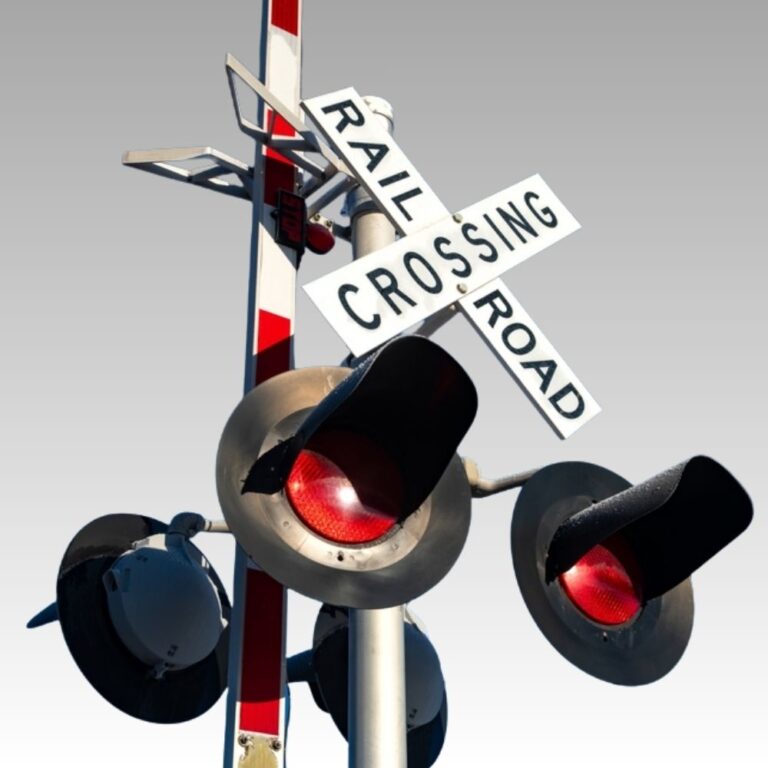
Railroad signal lights are commonly used at grade crossings, rail corridors, transit and light rail interfaces, rail yards, maintenance areas, and transportation facilities where clear visual communication is needed.
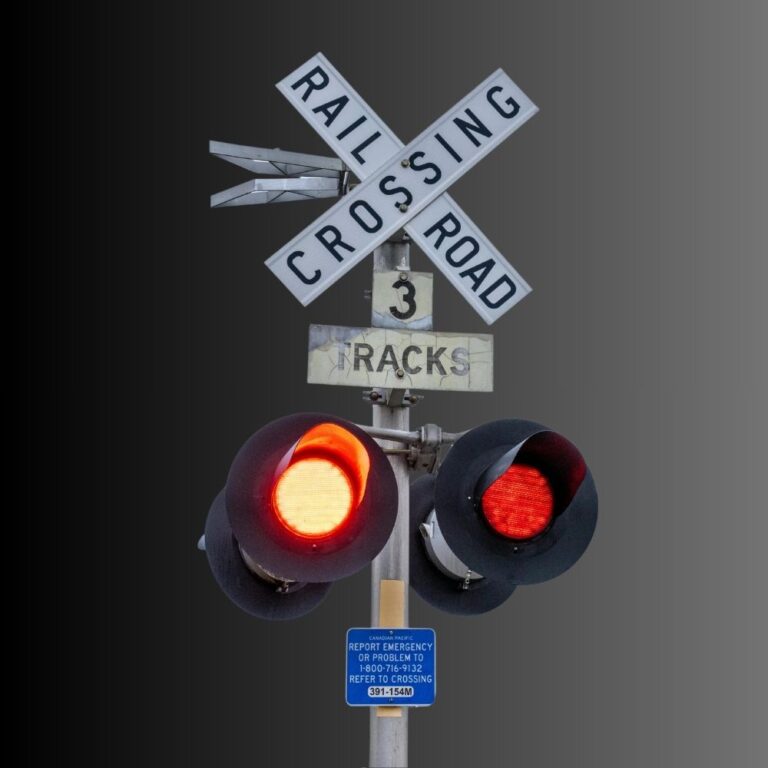
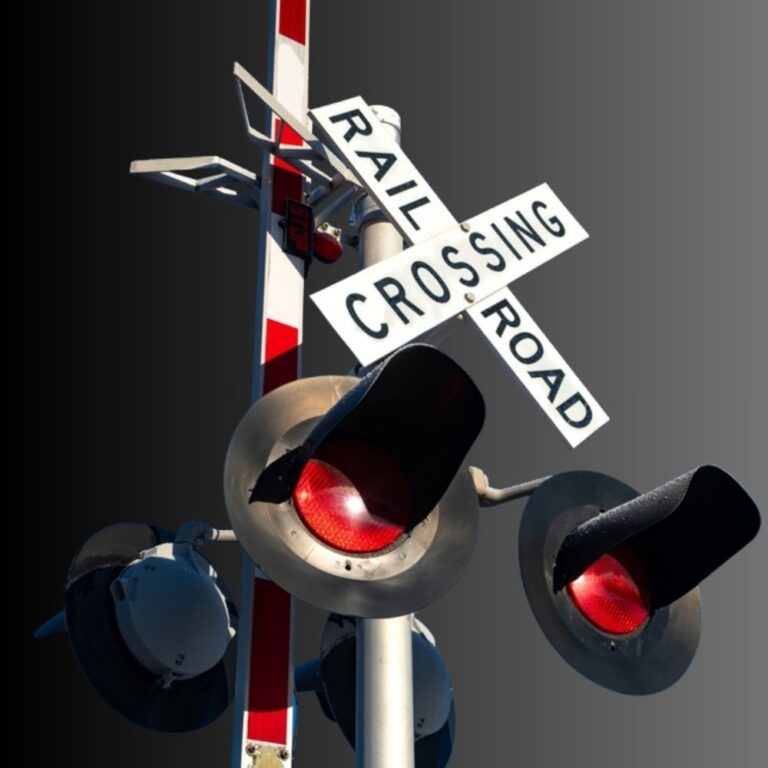
At grade crossings, signal lights help warn road users and pedestrians of rail activity. Reliable visual communication supports safer crossing behavior and helps reduce uncertainty at rail-roadway interfaces.
Yes, railroad signal systems can be integrated with connected infrastructure platforms to support centralized monitoring, performance visibility, and maintenance planning. This helps operators improve reliability and manage signal assets more efficiently.