




RenAI™
Bring streetlight information, remote operation and maintenance workflows into one central management platform.
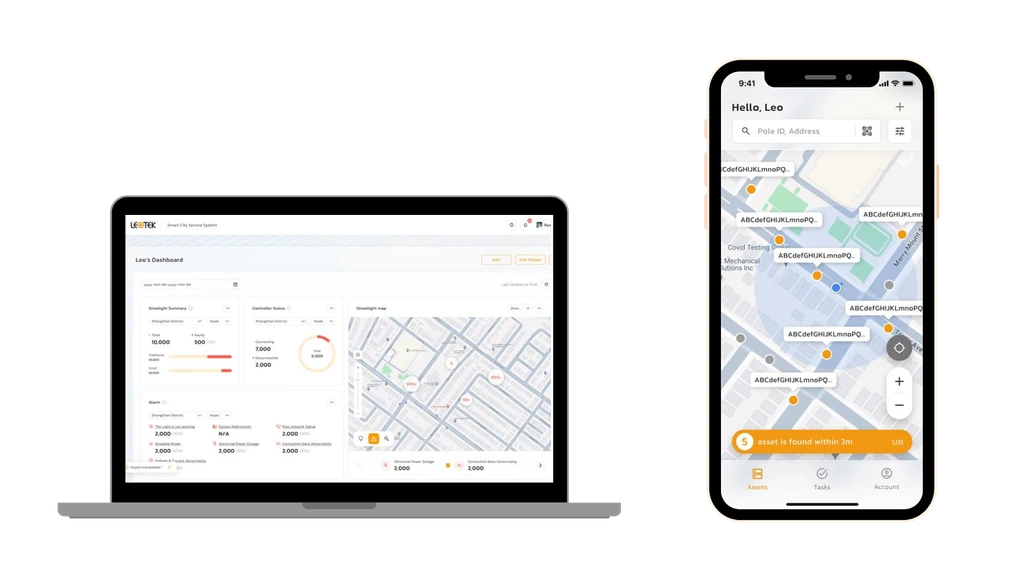
A clearer picture of daily operations.
RenAI is the central management component of LEOTEK’s intelligent-lighting system. It brings asset information and operational data together to support remote lighting control, schedules, fault review and reporting. Compatible field controllers, luminaires, communications and commissioning complete the connection between the dashboard and the street.
Know the asset
Organize lighting records and operational status around the actual field equipment. Agree on asset identifiers and data responsibilities before integrating other city systems.
Support the workflow
Review alarms, remote settings, maintenance tasks and energy information in their operating context. Plan operator roles, training and service responsibilities.
Use AI with context
LiSA supports questions, tables, charts and troubleshooting. Check the underlying records, timestamps and permissions before using its output in an operating decision.
Field equipment. Communications. Central management.
1. Compatible equipment
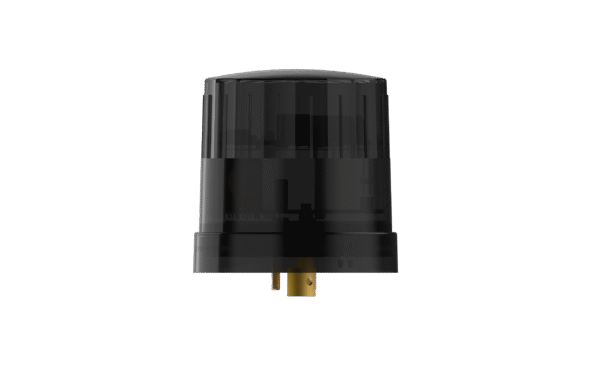
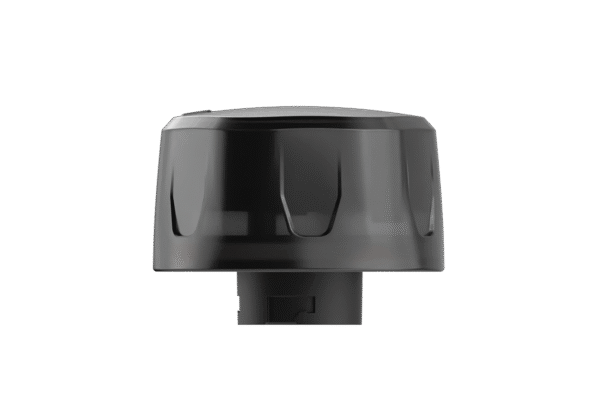
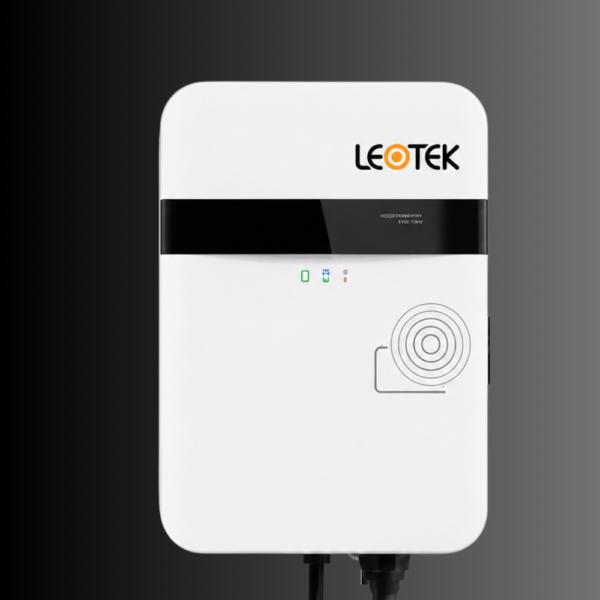
Match the luminaire, driver interface and approved LEOLink controller. External NB01-Plus and embedded EB01 configurations have different compatibility requirements.
2. Reliable operations
Plan network coverage, subscriptions and commissioning. Verify local behavior during communications loss and restoration for the installed devices.
3. Informed teams
Bring records, alarms and reports into the operational workflow. Define user access, integration scope, support and data continuity in the service agreement.
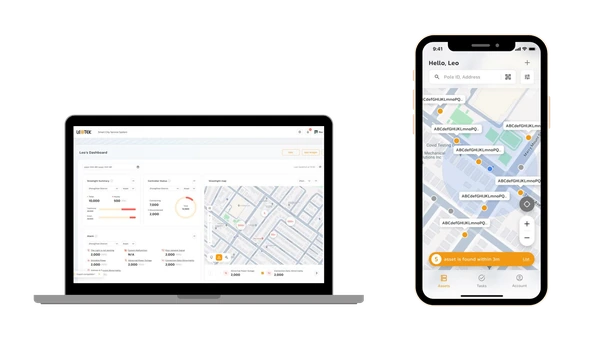
Bring asset information into the operating workflow.
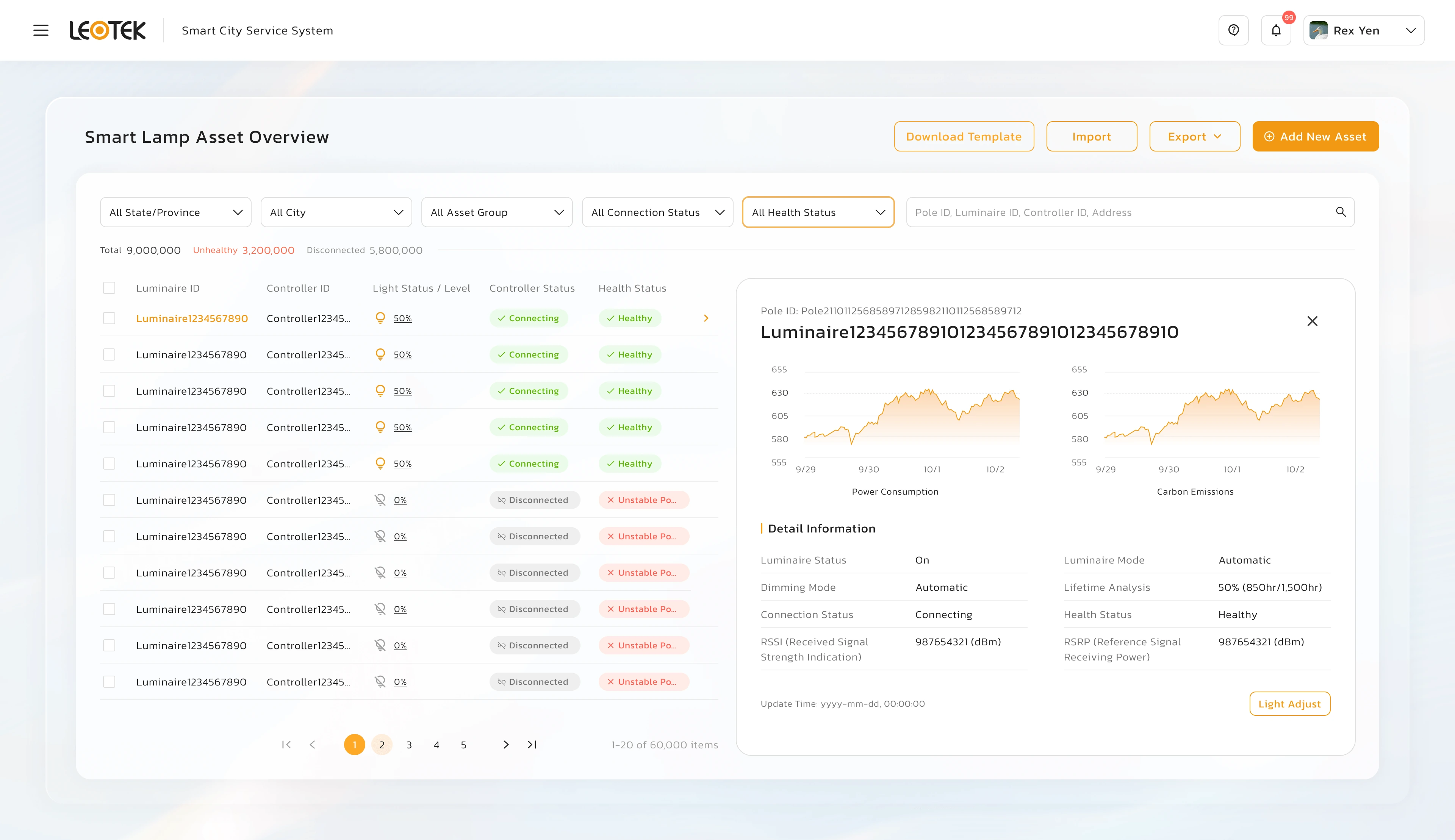
The platform’s asset view brings lighting records and operating status into one interface. Review the fields, user roles and command workflow with the version and connected equipment proposed for your project.
RenAI FAQ
Understand the management platform, field-device dependencies, operating workflows and procurement questions for a connected-lighting program.
Platform and field equipment
What does RenAI manage, and what must be installed in the field?
RenAI is the central management component of LEOTEK’s intelligent-lighting system. The published platform scope includes asset records, remote lighting control, schedules, fault information and operational reports. Field communication and control require compatible controllers, luminaires, drivers and network services. Confirm the supported device types and software configuration. A platform account alone cannot make an unconnected luminaire remotely controllable.
LEOLink Intelligent Lighting SystemLEOLink NB01-Plus Controller
What is the difference between NB01-Plus and EB01?
NB01-Plus is an external controller for documented compatible NEMA-receptacle configurations. EB01 is embedded and limited to approved KarbonCobra configurations. Selection depends on voltage, driver interface, wiring, mounting and the approved luminaire order. Do not infer interchangeability from the common LEOLink name. The hardware scope, management subscription, network plan and commissioning should be stated separately in the proposal.
LEOLink NB01-Plus ControllerLEOLink Intelligent Lighting System
Will RenAI guarantee that streetlights keep operating during a network outage?
No platform description establishes the local response of every field device. Confirm the installed controller and driver behavior for communications loss, central-service loss, power loss and restoration. Local schedules, fallback output and recovery depend on supported hardware and configuration. Test those states at representative assets and define how operators reconcile missing records or alarms after service returns.
Daily operations
Can RenAI connect to our GIS, maintenance or 311 system?
A useful integration links the same asset across the lighting platform, GIS, work-order system and resident-service process. Start with a persistent asset ID and define ownership of location, status and maintenance closure. Ask which interfaces, data fields, export formats and integration services are supported in the proposed release and contract. A general integration guide is not proof of a ready-made connector for every city system.
How should energy reports be used to assess savings?
Keep the baseline, operating hours, dimming schedules and reporting period explicit. Confirm whether each value is measured, calculated or estimated, and what happens to records during communications loss. Compare like-for-like conditions and separate luminaire-conversion savings from control-related changes. Platform reports can support operational review; they should not be assumed to be utility revenue meters or an independently verified savings guarantee.
What Happens When the Network Goes Down?LEOLink Intelligent Lighting System
What should operators expect from the LiSA AI advisor?
The RenAI page describes LiSA as an assistant for questions, tables, charts and troubleshooting support. Treat its output as assistance that must be checked against the relevant asset records, timestamps and operating context. Confirm feature availability, permissions and data scope for the supplied platform version. An AI-generated explanation does not by itself authorize a field command, establish a fault diagnosis or replace qualified operational judgment.
Governance and procurement
Who owns the operational data, and can the city export it?
Define access, permitted use, export formats, retention, disclosure and post-contract continuity in the procurement documents and agreement. Ask which asset, alarm, energy and historical records are included, how exports are obtained and what assistance or fees apply. The presence of a cloud dashboard does not establish a particular ownership or portability term. Obtain written answers for the proposed service scope.
What security, update and support evidence should procurement request?
Request architecture and data-flow documents, user-role and remote-access information, logging capabilities, current supported versions, update procedures, recovery arrangements and end-of-support responsibilities. For field firmware, confirm which hardware is eligible for remote updates and how a rollout is piloted and verified. Review the actual product documentation and contract; a checklist does not establish that RenAI or every connected device implements each possible control.
Smart Streetlight Cybersecurity ChecklistFirmware Update Governance and OTA Rollout
What belongs in a complete connected-lighting lifecycle budget?
Include field controllers, any driver or wiring changes, network and management services, installation, commissioning, training, integrations, support and planned replacements. Identify who owns devices, accounts and communications contracts. State the term, renewal and termination conditions and the process for transferring data. Compare those costs with a documented baseline and intended operating benefits rather than evaluating only the node purchase price.
LEOLink NB01-Plus ControllerSmart-City Lighting Data: Contract Questions
Start with the needs of your project.
Share your site, equipment and operating objectives with the LEOTEK team.