TOP BAR

GreenCobra

Explore the GreenCobra LED streetlight series, including GCJ, GCM, GCL, GC2 and ComfortView CV1. Compare model specifications for your roadway application.

Explore related applications: Outdoor lighting applications · All Outdoor Lighting products

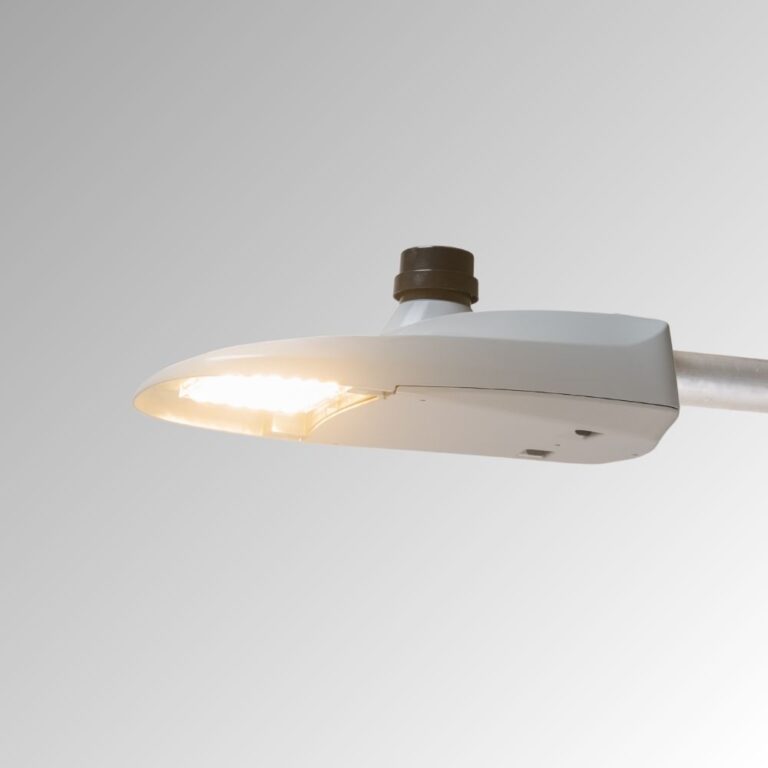
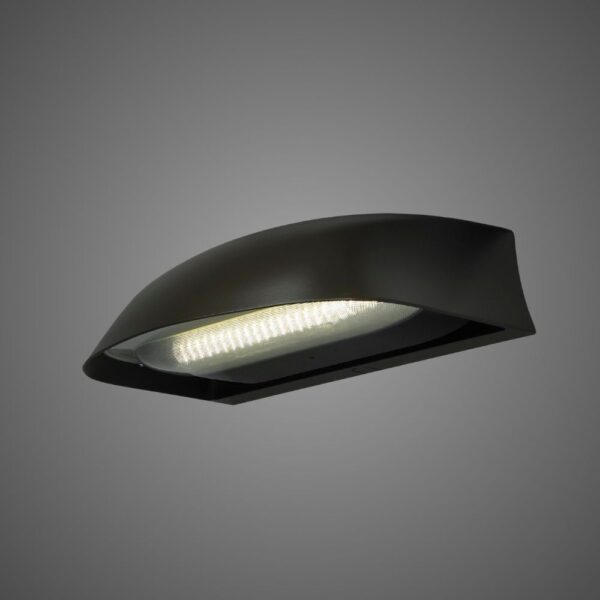
GCJ ComfortView™ Neighborhood LED Street Light – CV1 (1)
GreenCobra®
Lumen Output: 2,087–8,227 lm (Type 2 table)
Voltage: 120–277V / 347–480V
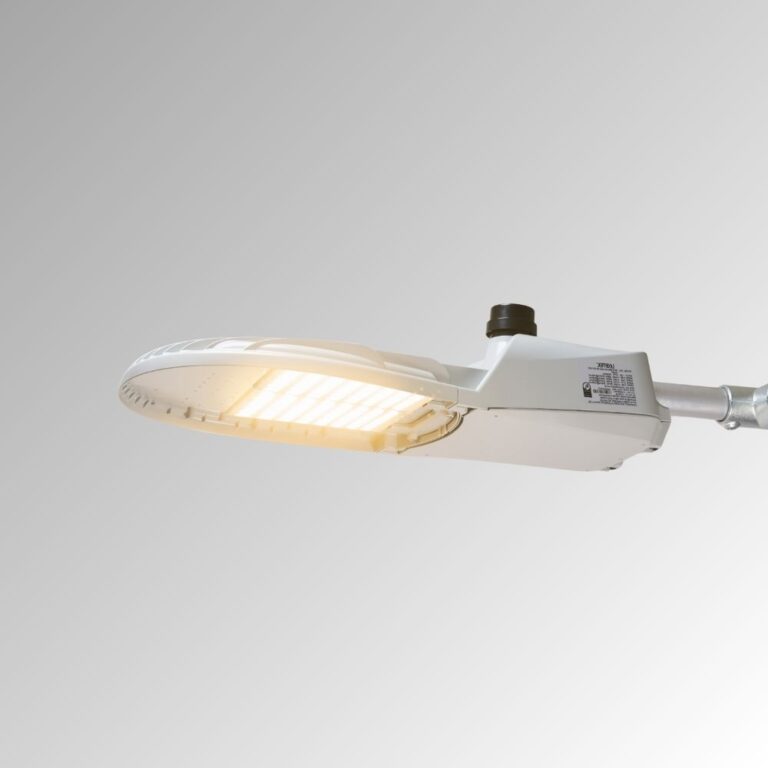
GreenCobra GC2
GreenCobra®
Lumen Output: 27,045–42,843 lm (published nominal range)
Voltage: 120–277V / 347–480V
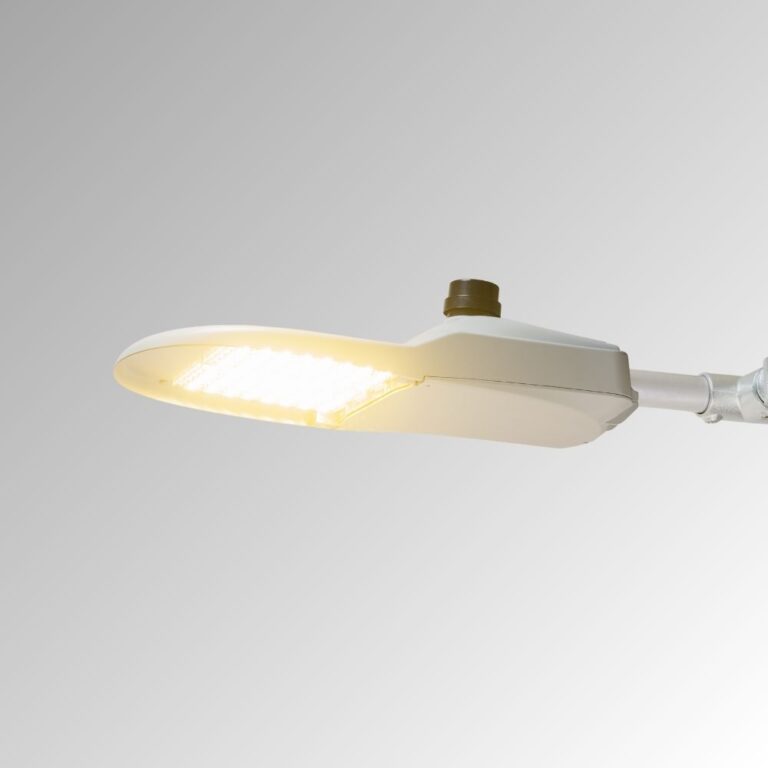
GCJ ComfortView™ Neighborhood LED Street Light – CV1 (1)
GreenCobra®
Lumen Output: 2,312–14,332 lm (published nominal range)
Voltage: 120–277V / 347–480V
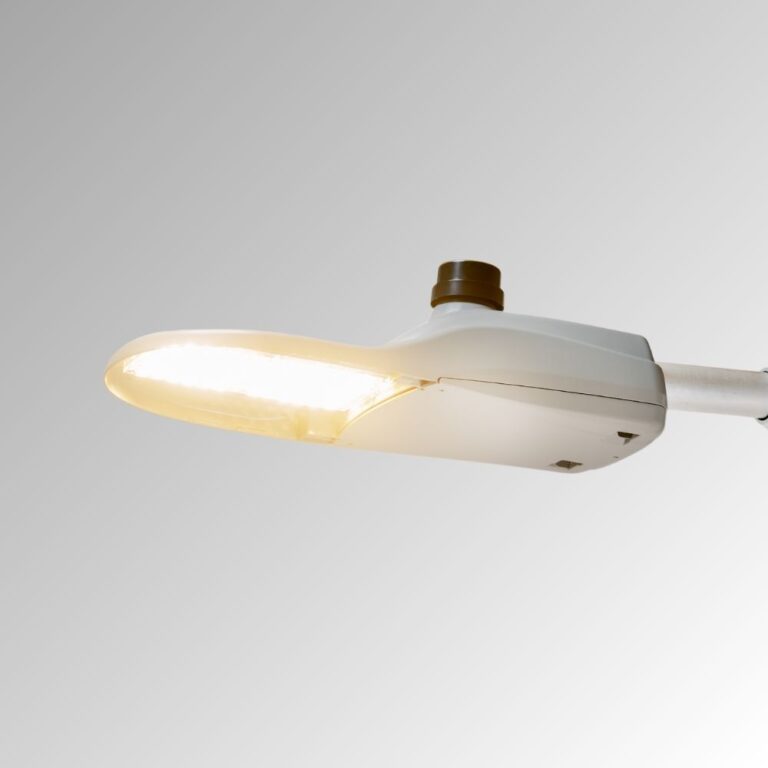
GreenCobra GCL Light on
GreenCobra®
Lumen Output: 15,499–35,633 lm (published nominal range)
Voltage: 120–277V / 347–480V
GreenCobra GCM Light on
GreenCobra®
Lumen Output: 8,250–24,953 lm (published nominal range)
Voltage: 120–277V / 347–480V
About Us

Why LEOTEK?

Building a Safer, Greener, and Smarter City with AIoT

LEOLab

Lighting & Smart City Solutions

Check our LEOLab pages to find more information.

Contact Us

Need Product Support & Inquiry?

If you need any service, please feel free to contact us!

PROJECT SUPPORT

GreenCobra FAQs

Answers to common questions about product selection, installation and procurement.

How do GCJ, GCM, GCL, GC2 and ComfortView CV1 differ?

GCJ covers compact roadway output; GCM and GCL address increasing output requirements; GC2 extends the high-output range. ComfortView CV1 is the distinct neighborhood visual-comfort platform. Their nominal table ranges overlap, so choose the optic and output configuration against the road layout rather than naming a size alone. For orientation, current pages list GCJ at 2,312–14,332 lm and GC2 at 27,045–42,843 lm across their listed configurations.

Specifications & documents
GreenCobra® LED Streetlight – GCJ · GreenCobra® LED Streetlight – GC2 · ComfortView CV1 Specification-Sheet

Further reading
How to Read an IES File

Can GreenCobra retain existing pole spacing?

Often this is a feasible retrofit question, but the answer comes from the selected photometry. For GCM, current published configurations span 8,250–24,953 nominal lm at 59–163W; GCL spans 15,499–35,633 lm at 123–260W. Those totals do not establish uniformity between poles. Calculate the exact optic/output/CCT at existing height, road width, setback and spacing, including the darkest points and relevant viewing conditions.

Specifications & documents
GreenCobra® LED Streetlight – GCM · GreenCobra® LED Streetlight – GCL

Further reading
HPS-to-LED Streetlight Conversion: Selection and Retrofit Guide · Roadway Lighting Uniformity Ratios

Is matching the old fixture wattage enough for an LED replacement?

No. The replacement’s optical distribution determines how much light reaches the required roadway area, while input watts determine energy use. GreenCobra offers different distributions and output settings. Use the proposed IES file to demonstrate the required illumination, then calculate energy against the measured existing fixture/ballast load and actual schedule. A wattage-equivalent label cannot show road coverage, uniformity or residential spill.

Specifications & documents
GreenCobra® LED Streetlight – GCM

Further reading
HPS-to-LED Streetlight Conversion: Selection and Retrofit Guide

What makes ComfortView CV1 different for residential streets?

CV1 uses two-stage reflective optics with Type 2R/3R distributions and 2200K/2700K/3000K/4000K choices. The current Type 2 table spans 2,087–8,227 nominal lm at 19–67W; Type 3 requires its own IES data. Its visual-comfort optical package and lower-output role make it a separate neighborhood option, not simply another GC2 output setting. Review viewing conditions and nearby windows with its own photometry.

Specifications & documents
ComfortView CV1 Specification-Sheet

Further reading
How to Read an IES File

Which shields help limit light entering nearby properties?

CV1 offers house-side, front-side, cul-de-sac and 80-degree cutoff shields, each controlling different directions or high-angle light. GC models have their own shield lists; do not substitute a CV shield part number on another housing. Include the selected shield in the calculation because it also changes useful coverage. U0 uplight does not establish that a nearby window or property boundary receives acceptable illumination.

Specifications & documents
ComfortView CV1 Specification-Sheet · GreenCobra® LED Streetlight – GC2

Further reading
How to Read an IES File

What is the difference between PCR7 and PCR7-CR for smart controls?

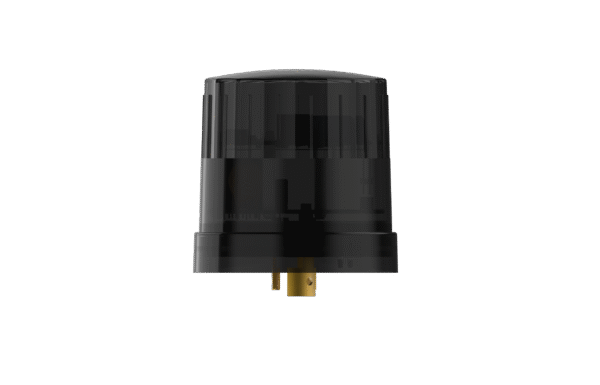
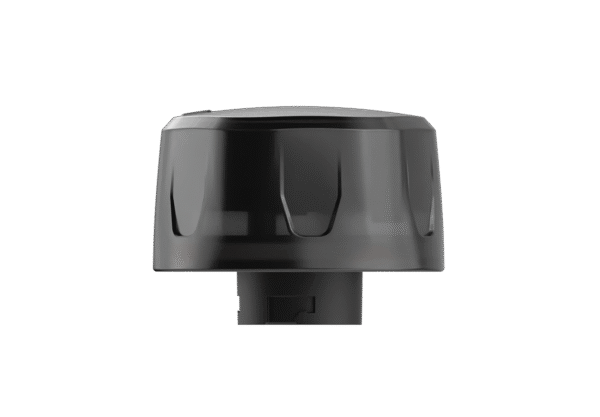
PCR7 retains the selector and connectors for a later wireless dimming connection. PCR7-CR is wired at the factory for node dimming and omits the selector; output cannot be increased above the ordered setting. Current CV1/GC ordering requires PCR7-CR for NB01P05/10, with standard controller availability on MV 120–277V. Specify node, driver, voltage and service plan together; the HV luminaire option does not establish an HV node.

Specifications & documents
ComfortView CV1 Specification-Sheet · GreenCobra® LED Streetlight – GC2

Further reading
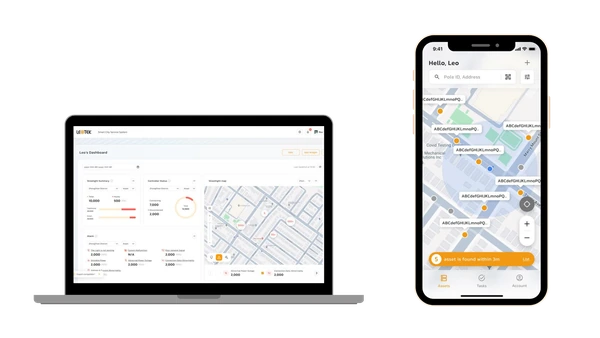
Streetlight CMS Architecture: Nodes, Networks and Central Management

What should a GreenCobra warranty and energy comparison distinguish?

Current North America terms list GC and CV luminaires at 10 years; smart-controller coverage and service terms are separate. Calculate each proposed configuration’s annual kWh using actual watts and dimming hours, then include field work, spares and CMS/data costs where selected. A published LED lumen-maintenance projection is not a replacement interval or a promise of zero maintenance for the complete streetlight system.

Specifications & documents
Leotek General Illumination Products Warranty North America · ComfortView CV1 Specification-Sheet

Further reading
LM-80 and TM-21: What the Test Results Do and Do Not Prove

What must an agency specify for a complete GreenCobra bid?

Identify model, output/current code, CCT, optic, shields, MV/HV supply, arm dimensions and control-ready options. On the current CV1 sheet, a BABA build requires the explicit BABA code; the family name does not establish it. Attach the matching IES, installation drawing, applicable qualification and warranty to each proposed catalog. Keep controller/service lines separate so the installed fleet can be maintained using exact part numbers.

Specifications & documents
ComfortView CV1 Specification-Sheet · GreenCobra® LED Streetlight – GC2

Further reading
BABA vs. Buy American: What Public Lighting Buyers Need to Distinguish

Selection & project planning

Compare roadway lighting configurations using the actual pole layout, agency lighting criteria and operating costs. The GreenCobra family includes GCJ, GCM, GCL, GC2 and ComfortView CV1 models.

Compare exact configurations

Shortlist GCJ, GCM, GCL, GC2 or ComfortView CV1 using the model-specific application, output and optical options. Compare the exact configurations in the proposed roadway layout; a family name alone is not a replacement specification.

Validate the lighting layout

Model mounting height, pole spacing, road width, setback, arm length and orientation. Check the agency criteria for light levels, uniformity and relevant glare or spill-light requirements using the correct IES files.

Coordinate installation and controls

Verify mounting dimensions, fixture loading, voltage and grounding. Define photocontrol, dimming and future network-control requirements, then confirm the driver, connector and controller combination.

Prepare the procurement package

Record the exact ordering codes, quantities, mounting accessories, finish, voltage, color temperature and control requirements. Request current specifications, matching IES files, installation instructions and written warranty terms. Confirm the documentation required by the project solicitation for the proposed configuration.

English
Español
繁體中文