TOP BAR

DT Series

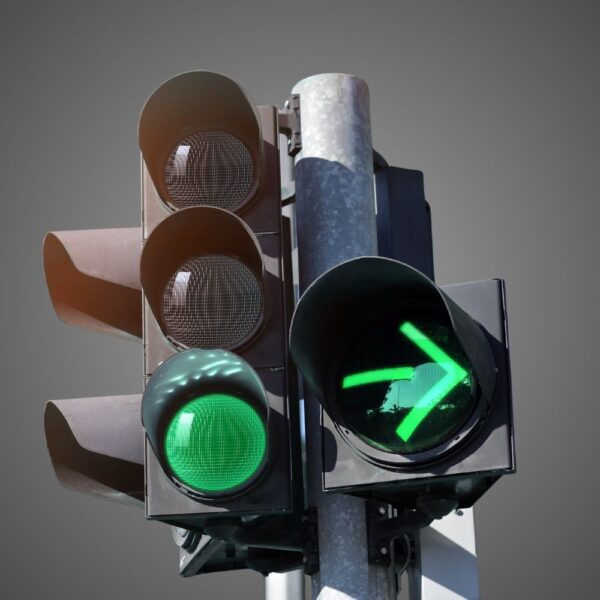
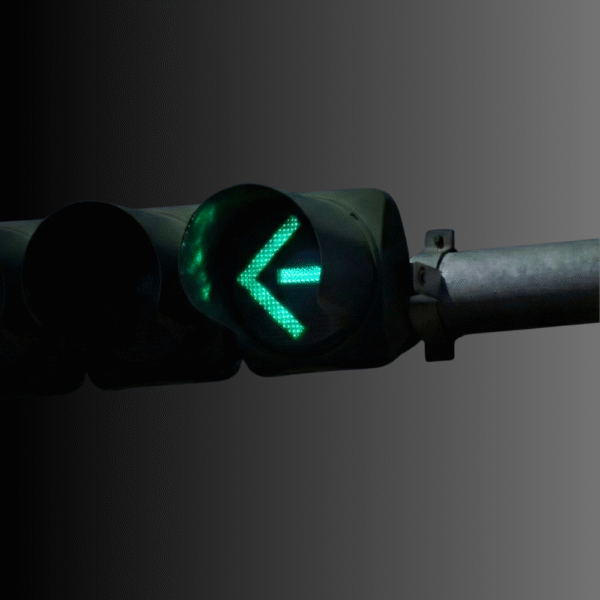
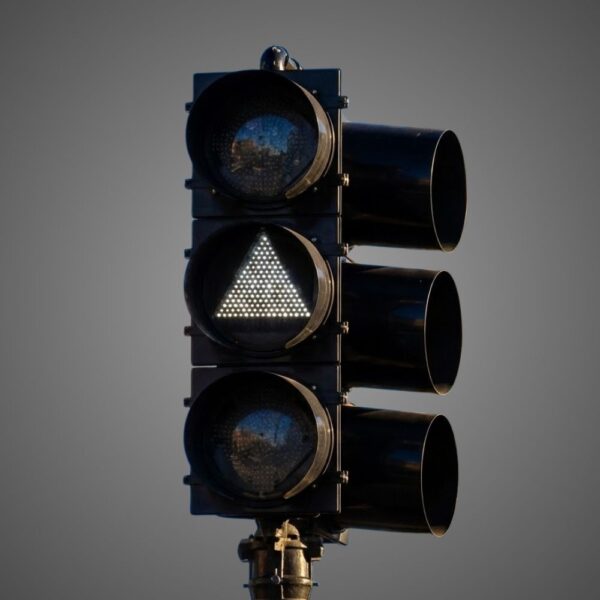
Compare LEOTEK DT Series LED traffic signal modules for ball and arrow indications. Review model specifications and download supporting product documents.

Explore related applications: Traffic signal applications · All Traffic Signal products

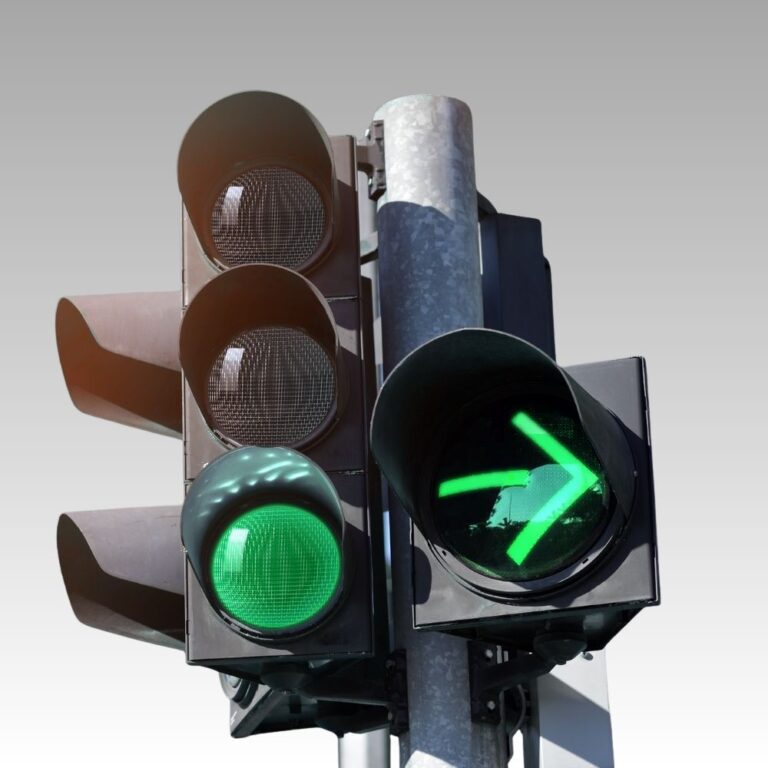
IL6-P3 Series Traffic Signal Module – Arrow
Indication: Arrow
Voltage: 120Vac (80-135Vac)
IL6-P3 Series Traffic Signal Module – Arrow
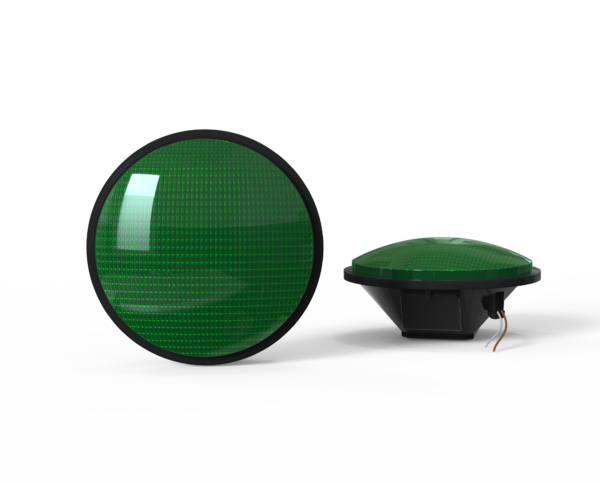
Indication: Ball
Voltage: 120Vac (80-135Vac)
About Us

Why LEOTEK?

Building a Safer, Greener, and Smarter City with AIoT

LEOLab

Lighting & Smart City Solutions

Check our LEOLab pages to find more information.

Contact Us

Need Product Support & Inquiry?

If you need any service, please feel free to contact us!

PROJECT SUPPORT

DT FAQs

Answers to common questions about product selection, installation and procurement.

When should an agency consider DT extended-life modules?

DT combines extended-life LEDs with a purpose-built power supply and a 15-year limited full-performance warranty. The catalog covers 8/12-inch circular ball indications and 12-inch arrows, at 80–135Vac. It is a useful candidate where repeated maintenance visits and traffic-control costs dominate ownership cost. Select the appropriate indication first, then compare the actual order code, agency approval and maintenance economics with the standard-life alternative.

Specifications & documents
DT series traffic signal module ball · DT 12” 80-135Vac Arrow Spec Sheet

Further reading
Long-Life LED Traffic Signals: Replacement Cost and ROI

Are DT ball and arrow modules interchangeable?

No. Ball modules provide circular red/yellow/green indications in 8-inch or 12-inch sizes; the DT arrow sheet covers 12-inch directional arrows. The arrow model draws are 6W red, 10W yellow and 6.8W green. Lens, dimensions, indication and agency signal plan all belong in the replacement specification. A shared DT family name or 80–135Vac rating does not make a ball an arrow replacement.

Specifications & documents
DT series traffic signal module ball · DT 12” 80-135Vac Arrow Spec Sheet

What electrical facts help assess cabinet compatibility?

The DT arrow sheet specifies 80–135Vac, power factor above 0.90, THD below 20%, response under 75ms and turn-off voltage above 35Vac. These are module characteristics, not a blanket compatibility guarantee for every load switch or conflict monitor. Compare them with the actual cabinet documentation and verify commanded indications, off-state behavior and monitoring during the agency’s commissioning test.

Specifications & documents
DT 12” 80-135Vac Arrow Spec Sheet

How should we calculate a 15-year total cost of ownership?

Use a common 15-year analysis period and separate energy from maintenance. For a DT arrow, calculate energy using the selected color’s listed draw and the time that indication is energized; do not treat all indications as continuously on. Add purchase cost, installation, traffic control, spare stock and scheduled visits. Model replacement scenarios transparently—the 15-year limited warranty should not be converted into an assumed zero-failure rate.

Worked energy example — one red/yellow/green DT 12-inch arrow set: use 6W red, 10W yellow and 6.8W green. Assume, for this illustration only, red is energized 50% of the time, yellow 5% and green 45%, over 8,760 hours per year. The weighted load is (6 × 0.50) + (10 × 0.05) + (6.8 × 0.45) = 6.56W. Annual energy is 57.47kWh; at an assumed $0.15/kWh, 15-year energy cost is $129.30. This excludes the cabinet and other intersection equipment.

15-year cost sensitivity — illustrative assumptions, not a quotation
Cost input or scenarioAmount per three-module arrow set
Initial installed cost$300 assumed, including the three modules and initial installation.
15-year energy$129.30 calculated with the duty cycle and flat tariff above.
One service event$175 assumed, including allocated parts, labor, access and traffic control. Use the actual net cost after any warranty recovery.
0 service events$429.30 total.
1 service event$604.30 total.
2 service events$779.30 total.

The totals are undiscounted and exclude inflation, tariff changes and shared cabinet costs. Service-event counts are sensitivity inputs, not a DT failure-rate forecast. Apply the same worksheet to every technically acceptable alternative using its actual quote, watts, field history and warranty terms. Avoid charging a full truck mobilization to every module replaced in one grouped visit.

Break-even example: an assumed $100 installed premium requires $100 ÷ $175 = 0.57 fewer expected service events per set if all other costs are equal. With no reduction in service events or energy cost, that premium is not recovered through these cost categories. Use discounted event costs when comparing costs far in the future.

Specifications & documents
DT 12” 80-135Vac Arrow Spec Sheet

Further reading
Long-Life LED Traffic Signals: Replacement Cost and ROI

Does the 15-year warranty mean no maintenance is required?

No. The DT ball and arrow sheets state a 15-year limited full-performance warranty, which is different from a maintenance-free intersection. Signal-head sealing, wiring, cabinet electronics, alignment and external damage still require an agency maintenance plan. Keep the module’s written warranty and claim process with the exact installed model record, and maintain spares appropriate to the indication, size and lens option.

Specifications & documents
DT series traffic signal module ball · DT 12” 80-135Vac Arrow Spec Sheet

Further reading
Long-Life LED Traffic Signals: Replacement Cost and ROI

What lens and environmental choices are documented for DT?

The DT arrow sheet lists tinted lenses as standard and clear lenses with the -CLR suffix; both are identified as ETL verified. Published ambient operation is −40°C to +74°C. Record the exact lens choice and model code in the bid and spare inventory. These module ratings do not remove the need to maintain the complete housing seal or inspect environmental damage to the signal head.

Specifications & documents
DT 12” 80-135Vac Arrow Spec Sheet

Which approval evidence belongs in a DT submittal?

Use the document for the actual indication: the ball sheet identifies the ITE 2005 circular-signal supplement, while the arrow sheet identifies the ITE 2007 LED-arrow supplement and its ETL-verified model entries. Include the order code, lens suffix, matching installation instructions and written warranty. A cited test standard is not the same as acceptance on every state or municipal approved-products list.

Specifications & documents
DT series traffic signal module ball · DT 12” 80-135Vac Arrow Spec Sheet

Further reading
Traffic Signal Approval: ITE, ETL and DOT Lists

What makes a DT replacement quotation complete?

Specify quantities by ball/arrow, 8/12-inch size, red/yellow/green color and tinted/clear lens. Provide the existing module labels, 80–135Vac cabinet supply, head dimensions, termination and load-switch/monitor details. Include delivery phases, spare quantities and required agency evidence. Keeping these as separate line items prevents ordering a correct-voltage module with the wrong face, indication or connector.

Specifications & documents
DT series traffic signal module ball · DT 12” 80-135Vac Arrow Spec Sheet

Further reading
Traffic Signal Approval: ITE, ETL and DOT Lists

Selection & project planning

The DT family is an extended-life traffic signal option for agencies evaluating replacement cycles and maintenance costs. Select the indication and electrical configuration first, then validate the proposed module in the signal head and cabinet used by the project.

Compare ball and arrow configurations

DT ball modules are offered in 8-inch and 12-inch red, yellow and green indications. DT arrow configurations use a 12-inch format. The published DT offerings use 80–135 Vac input. Match the required indication, size, color and lens configuration to the exact ordering code; consult each product’s specification for the available combinations.

Confirm retrofit compatibility

Review the existing head dimensions, retention hardware, connectors, wiring and cabinet supply. Identify the controller, load switches and conflict monitor or malfunction management unit. Request confirmation of the proposed combination and perform the agency’s required acceptance testing. A module’s diameter or input voltage alone does not establish compatibility with the complete signal system.

Compare extended-life and standard alternatives

Use a common analysis period, such as the agency’s 15-year planning horizon. Include acquisition, energy, replacement labor, traffic control, service trips, spare inventory and disposal. Test more than one replacement-frequency scenario rather than treating a warranty duration as a guaranteed maintenance-free service interval. Longer planned replacement cycles have value only when the proposed equipment meets the project’s operational requirements.

Build the bid and maintenance record

Specify exact module codes and quantities by indication and size. Request the current specification, applicable test or verification records, installation guide, written warranty and project-specific compliance documentation. Include lead time, delivery phases, spares and the process for reporting failures. Retain the installation date and model identification for future maintenance and warranty claims.

English
Español
繁體中文