






LEOLAB
Explore the technologies behind visual comfort, habitat-sensitive lighting, intelligent intersections and connected roadway operations.
Four technologies. One thoughtful approach.
Good infrastructure starts with understanding the place it serves. LEOLAB brings optical engineering, ecological thinking, roadside intelligence and connected management together around the needs of people, public agencies and the environment.
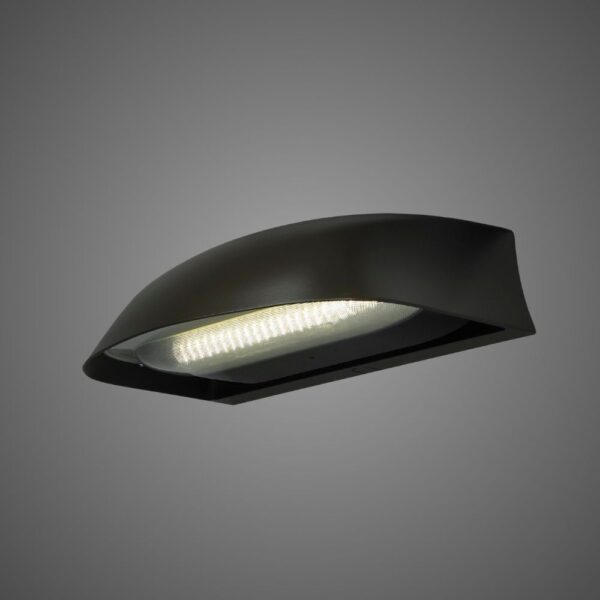
ComfortView™
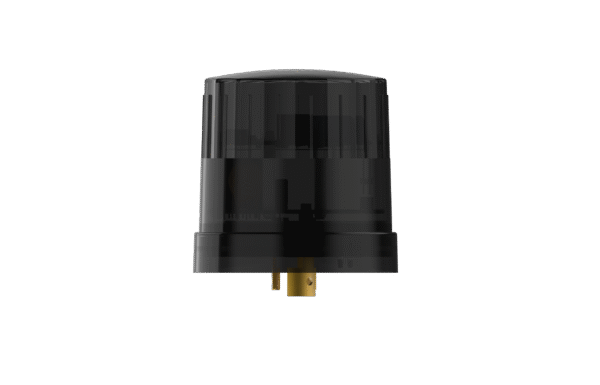
Visual comfort through thoughtful optics. Review glare, distribution and the complete lighting layout.

ECOridge™
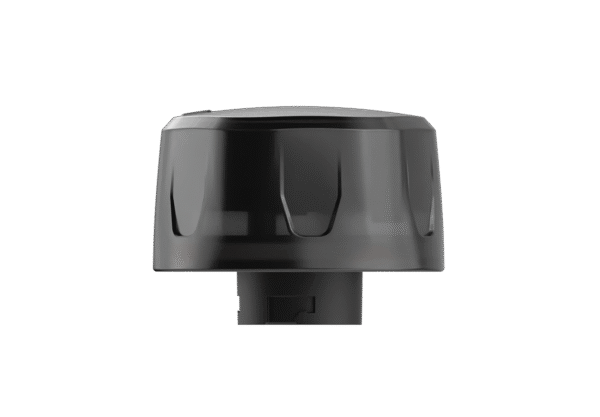
Habitat-sensitive lighting through spectral engineering, optical control and site-specific planning.

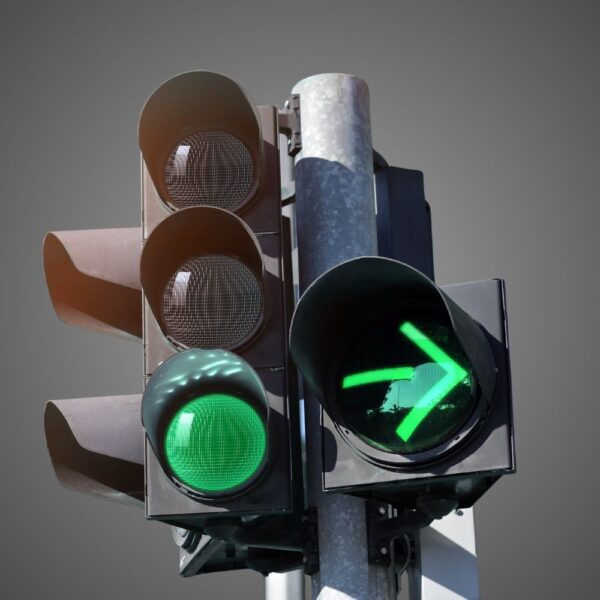
Interlux™
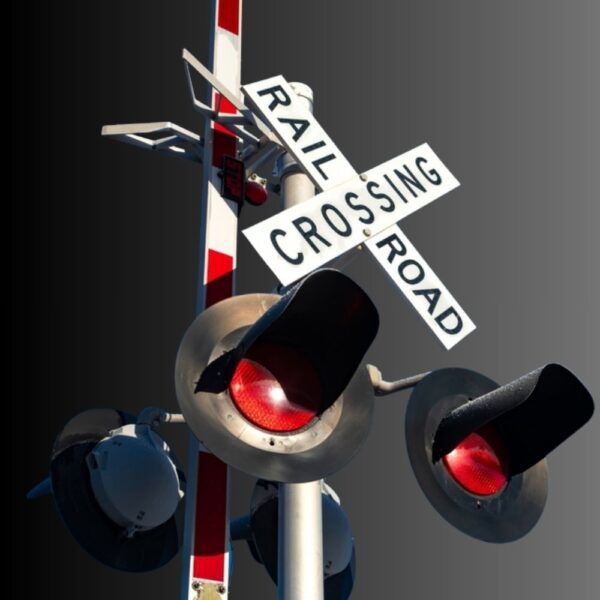
Roadside sensing and edge AI to support intersection information and connected applications.
RenAI™
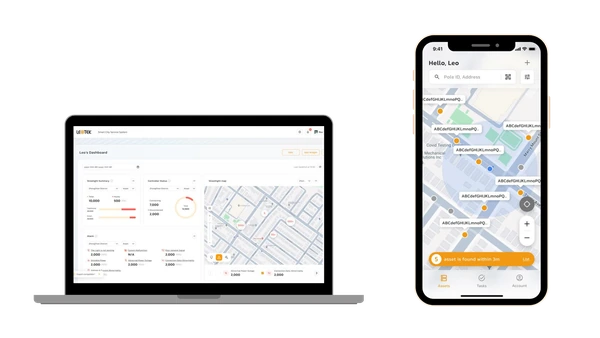
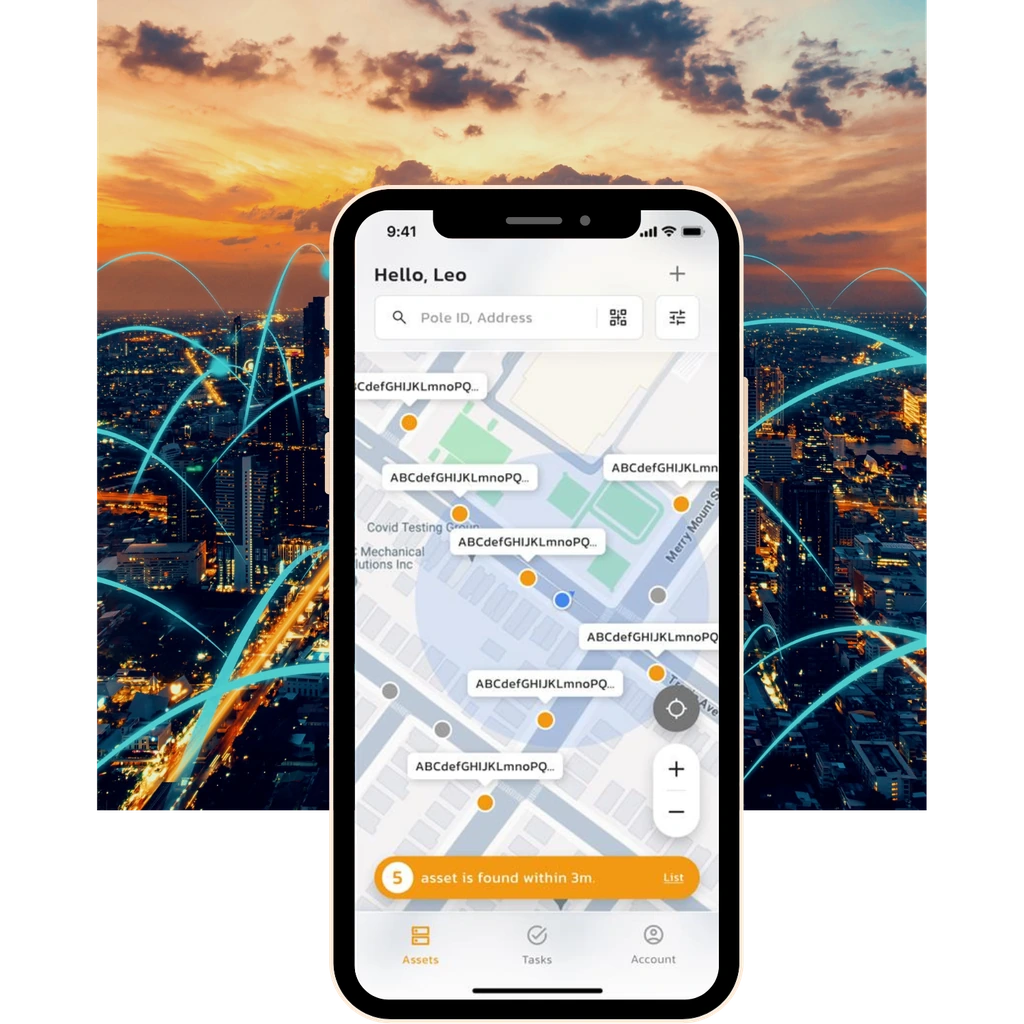
Bring lighting assets, remote operation, fault information and reporting into a central platform.
People, infrastructure and the environment.
LEOTEK connects its sustainability priorities with the UN Sustainable Development Goals: energy efficiency, infrastructure innovation, community well-being, responsible resource use, climate action and care for marine and terrestrial life. These goals guide the conversation; project outcomes need their own measures and evidence.


Turn the objective into a verifiable project.
1. Define the need
Document the people, places, assets and operational problem the project should serve. Record site conditions and agency criteria.
2. Match the configuration
Review current specifications, photometry, spectrum and system interfaces for the equipment actually proposed.
3. Verify in the field
Agree on pilot criteria, commissioning and measurement. Use the results to inform rollout and lifecycle planning.
Follow the lighting decision, not just the fixture.
A useful lighting brief connects the road user’s task to the criteria, equipment, controls and verification. FHWA’s process diagram shows why choosing a luminaire is one step in an iterative design.
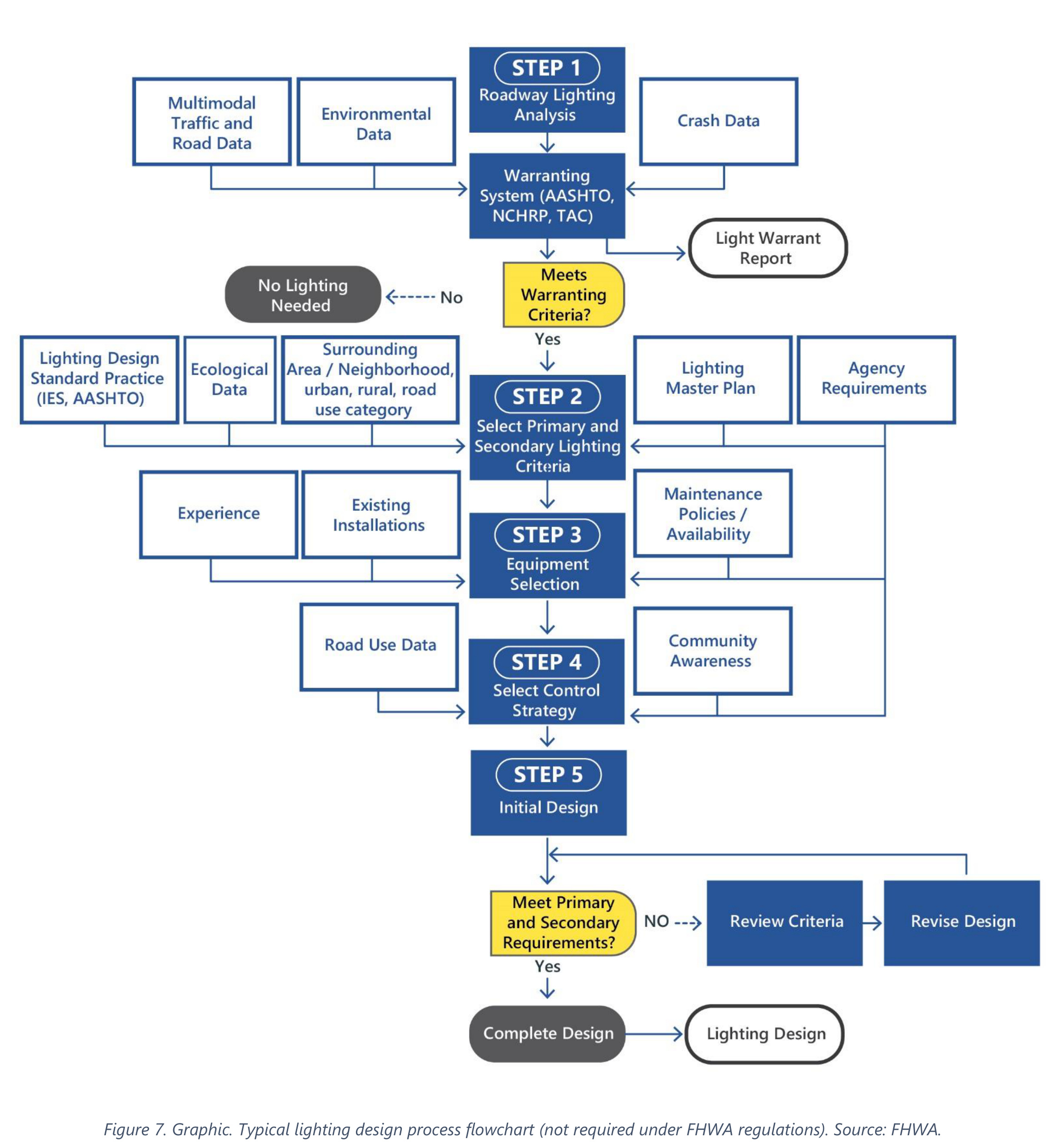
Use the flowchart as a discussion guide
Begin with the site’s users, constraints and applicable agency requirements. Keep the selected criteria connected to the proposed photometry, pole locations and operating strategy. If the first calculation misses a task, revisit the design inputs rather than treating additional wattage as the automatic answer.
The source explicitly identifies this as a typical design process, not a process required under FHWA regulations. It is also a lighting framework: it does not certify network security, ecological suitability or the complete operation of a traffic-signal system.
Ask for evidence at the handoff
Retain the accepted configuration, assumptions and verification plan. A proposed substitute or later operating change should identify which inputs change and what needs another check.
See the FHWA lighting calculation example →
Planning & procurement FAQ
Practical answers for cities, utilities, transportation agencies and project teams comparing lighting, ecological design, intersection intelligence and connected operations.
Choose the right technology
How do ComfortView, ECOridge, Interlux and RenAI differ?
ComfortView addresses visual comfort through optical design. ECOridge addresses habitat-sensitive lighting through spectral selection, shielding and project planning. Interlux adds roadside sensing and intersection analytics. RenAI is a central platform for roadway-lighting assets and operations. Start with the problem you need to solve, then select compatible luminaires, field devices, communications and software. These names describe different technology roles; they are not interchangeable product specifications.
ComfortView TechnologyECOridge Ecological LightingInterlux Intersection ManagementRenAI Roadway Infrastructure Management
Can a project combine low-glare lighting, ecological lighting and smart controls?
Yes, a project can plan for all three objectives, but the selected equipment must support them together. Review the exact optic, spectrum, shield, driver and controller as one configuration. Then check the lighting calculation, habitat constraints and operating schedule. Remote dimming does not replace spectral review, and an ecological optic does not establish network compatibility. Ask for a documented configuration and a representative field pilot before a broader rollout.
Ecological Lighting Site AssessmentLEOLink Intelligent Lighting System
Is a LEOLAB technology page enough to write a bid specification?
Use the technology pages to define the project questions. Use current model-specific specification sheets, IES files, installation instructions and relevant test reports to define the supplied equipment. Record the document revision, catalog configuration, operating conditions and acceptance criteria. A technology description, award or case study does not establish that every model has the same output, certification, communications interface or warranty.
Lighting and ecology
Does a warmer color temperature automatically mean less glare or wildlife-safe light?
No. Color temperature describes the appearance of the light. Glare also depends on source luminance, optics, aiming, mounting and the observer’s position. Ecological suitability depends on the complete spectrum, species, habitat, light level and operating period. Evaluate these factors together. A warm-color label alone does not establish glare performance, turtle-lighting approval or suitability for every nocturnal species.
Low-Glare Security Lighting DesignHow Blue-Light Content Is Measured
Color temperature: research conditions and project decisions
What information should we provide for a lighting or ecological-lighting assessment?
Provide the site plan, pole locations and heights, existing equipment, lighting task, operating hours, nearby homes or sensitive habitat, and the applicable agency criteria. For ecological sites, identify the qualified ecological reviewer, relevant species and seasonal constraints. Request a photometric layout and, when spectrum matters, complete-luminaire spectral data for the proposed configuration. Review the installed result at night rather than relying only on a rendering.
How should we evaluate energy savings and sustainability claims?
Compare the existing and proposed input power, operating hours and dimming schedules using a stated baseline. Separate luminaire-conversion savings from additional control savings, and include communications, software, commissioning and maintenance costs in the business case. Report the assumptions and measurement period. Energy savings, carbon estimates and ecological outcomes are different measures; one should not be presented as proof of another.
RenAI Roadway Infrastructure ManagementEcological Lighting Site Assessment
Connected infrastructure
How are LEOLink and RenAI related?
LEOLink is the intelligent-lighting system that connects suitable luminaires, field controllers, communications and central management. RenAI provides the central management role. The lighting hardware and control interface must support the proposed node. Confirm network coverage, subscriptions, commissioning and support responsibilities as part of the system design. A control-ready receptacle by itself is not a complete connected-lighting service.
LEOLink Intelligent Lighting SystemLEOLink NB01-Plus Controller
Can existing streetlights or signal equipment be reused?
Sometimes. For streetlights, check the supply voltage, driver dimming interface, receptacle wiring, mounting and approved controller configuration. For intersections, also document the signal controller, cabinet interfaces, sensing locations and communications requirements. Reuse should be established for the actual installed equipment. A similar connector or a modular system description does not establish electrical, protocol or operational interoperability.
LEOLink NB01-Plus ControllerInterlux Intersection Management
What happens if the communications network or central platform becomes unavailable?
Separate communications loss, central-service loss, electrical power loss and field-device faults. Each can produce a different operating condition. Request the documented local behavior, fallback settings, alarm handling, queued-command behavior and restoration process for the proposed equipment. Include communications-loss and recovery tests in commissioning. Do not assume that a cloud connection guarantees either continuous lighting or a particular signal-control response.
Planning and procurement
What should a city request about cybersecurity, privacy and data access?
Request a system diagram, data-flow description, access-role information, update and support policies, and documented responsibility for logs, credentials and incident response. Also define rights to access, use, export and retain operational data, including what happens when the contract ends. These are requirements to evaluate for the proposed system; educational checklists do not certify a particular platform or establish a security feature.
Smart Streetlight Cybersecurity ChecklistSmart-City Lighting Data: Contract Questions
What should a pilot demonstrate before a citywide rollout?
Choose representative locations and document the starting conditions. Test the selected lighting or sensing performance, installation fit, communications coverage, operator workflow, alarms and recovery. Agree on the acceptance criteria and observation period before collecting results. An intersection pilot should also review controller integration and traffic-agency requirements. Use the findings to update equipment choices, commissioning procedures and the lifecycle budget.
Interlux Deployment at Curiosity LabHow to Read an IES FileWhat Happens When the Network Goes Down?
Where can we see real projects and then go deeper on the technical questions?
The Matsu ECOridge case describes a habitat-focused lighting initiative, while the Curiosity Lab article describes a real-world Interlux deployment and validation setting. Read each in its stated project context. Use the linked technical guides for photometry, spectrum and connected-system planning, then request current documents for the exact equipment proposed for your site. Results from one project are not a universal performance guarantee.
ECOridge in Matsu: Project Case StudyInterlux Deployment at Curiosity LabCurrent Technical Documents
Start with the needs of your project.
Share your site, equipment and operating objectives with the LEOTEK team.


