TOP BAR

EV Series

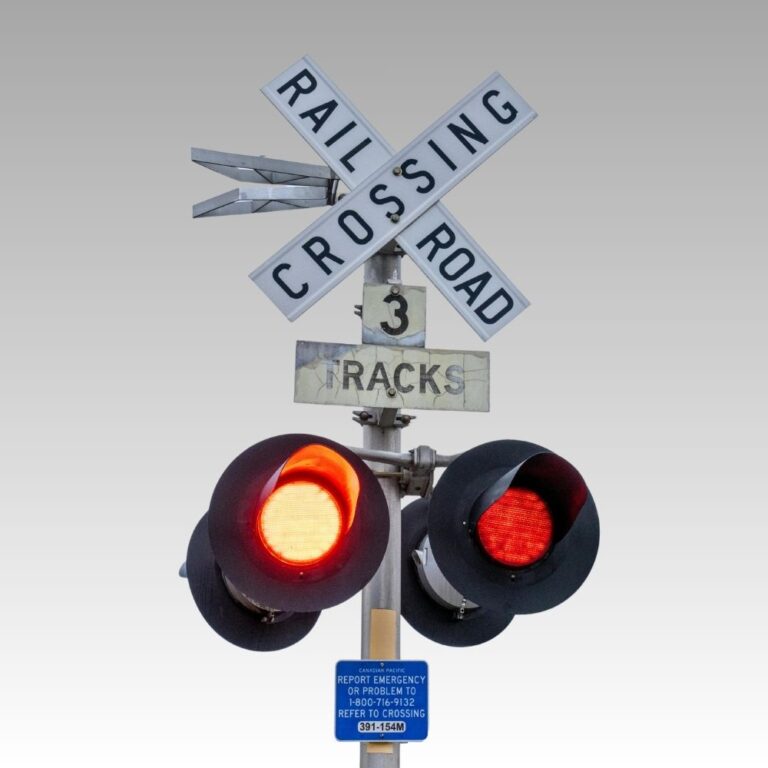
Explore LEOTEK EV Series railroad grade crossing signal modules. Review product specifications and supporting documents for railroad crossing applications.

Explore related applications: Railroad signal applications · All Railway Signal products

Railroad LED light Module EV series (5)
Indication: Crossing
Voltage: Model-specific (8-20Vdc/8-16Vac)
About Us

Why LEOTEK?

Building a Safer, Greener, and Smarter City with AIoT

LEOLab

Lighting & Smart City Solutions

Check our LEOLab pages to find more information.

Contact Us

Need Product Support & Inquiry?

If you need any service, please feel free to contact us!

PROJECT SUPPORT

EV Railroad Series FAQs

Answers to common questions about product selection, installation and procurement.

What is the EV railroad module intended to display?

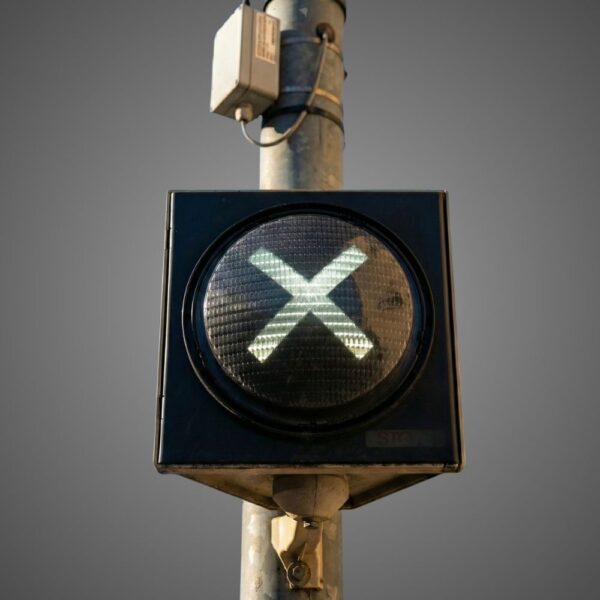
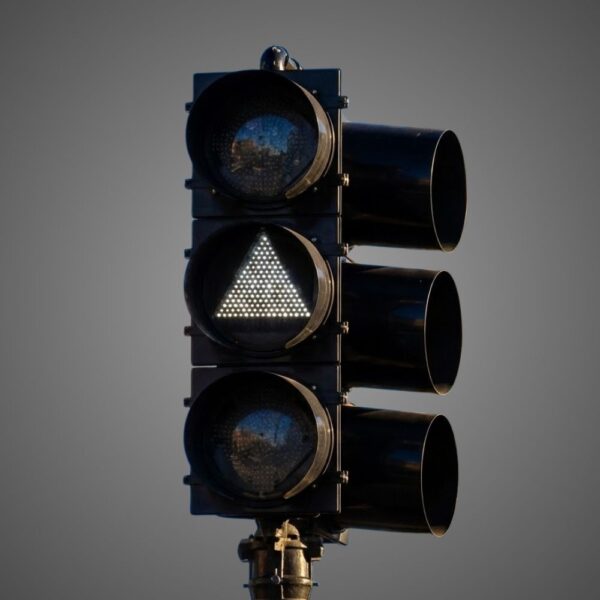
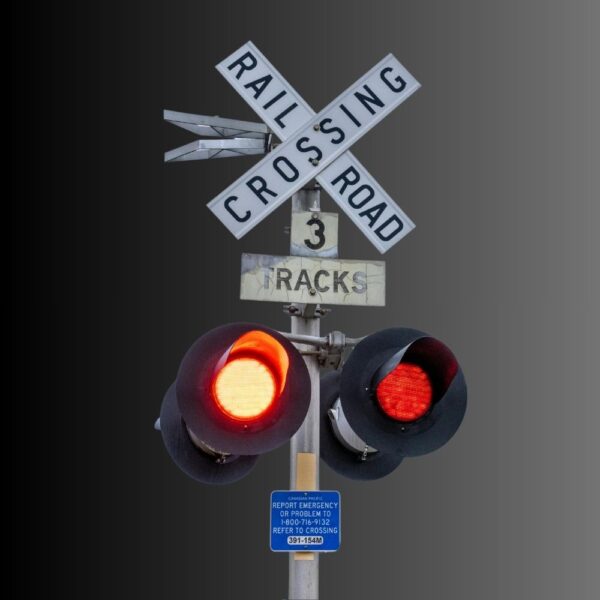
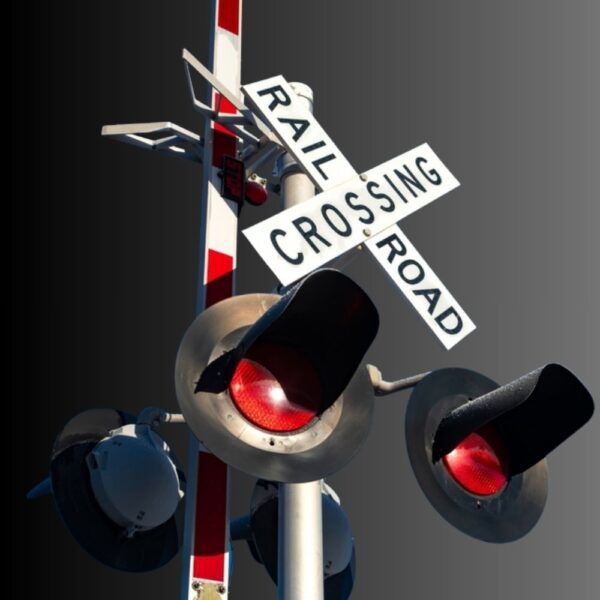
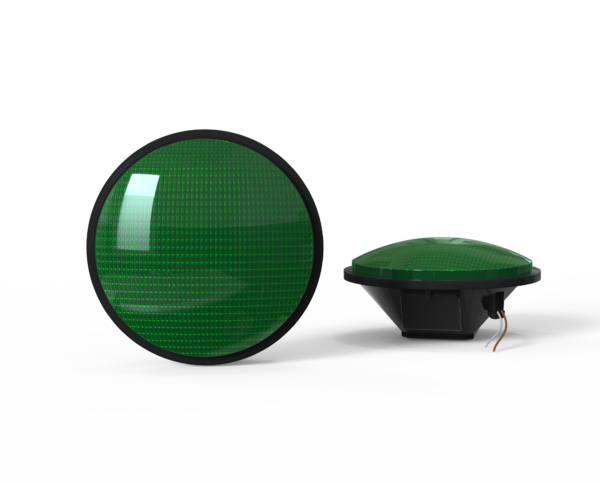
EV is the 12-inch red railroad grade-crossing warning module, with red or white side-light configurations. It is distinct from IL transit bars/triangles, special T-Bar/X indications and the power-off indicator. Select it for the approved crossing-warning function and compatible housing/controller, not simply because another rail signal has a similar round face.

Specifications & documents
ev series railroad grade crossing module spec sheet

How do EV power-supply versions differ?

The EV sheet identifies E1-CC as linear supply, E1 as regulated supply and U1 as unregulated with no integrated power supply. The catalog includes white-side-light and red-side-light model choices. Those versions have different electrical behavior and are not one interchangeable “EV” spare. Keep the complete suffix with the circuit drawing and the supplier-confirmed replacement configuration.

Specifications & documents
ev series railroad grade crossing module spec sheet

What operating voltage is actually published for EV?

The sheet’s main electrical table states 8–20Vdc or 8–16Vac, 50/60Hz; it separately states 8–14Vdc/8–16Vac for TSL-12RCS-EVW-U1. Folder labels use different nominal ranges, so the exact model table and final electrical confirmation matter. Do not treat U1 as having the entire main-table DC range or infer a universal rating from the series title.

Specifications & documents
ev series railroad grade crossing module spec sheet

Further reading
Railroad Crossing Standby Power: Why the Lamp Is Only One Load

How does EV compare with an IL crossing module?

Both are crossing-warning families, but their power supplies, model codes and physical drawings differ. EV’s listed draw is 9.8–10W with 1,000mA entries; IL crossing lists 9W and 750mA. Compare the exact circuit and housing, plus side-light configuration and optical requirements. Those nominal entries alone do not prove one is a like-for-like electrical or mechanical replacement for the other.

Specifications & documents
ev series railroad grade crossing module spec sheet · IL Series Railroad Grade Crossing Module Spec Sheet

Further reading
Railroad Crossing Standby Power: Why the Lamp Is Only One Load

Does low module wattage guarantee the required battery-backup duration?

No. The EV sheet describes low-power operation, but backup duration depends on battery capacity/condition, charging, temperature, flashing duty and all connected loads. Use the exact EV model’s input behavior over the proposed normal/backup range in the system assessment. A 9.8–10W table entry cannot be converted into a promised crossing backup time without the full load and supply calculation.

Specifications & documents
ev series railroad grade crossing module spec sheet

Further reading
Railroad Crossing Standby Power: Why the Lamp Is Only One Load

Can EV fit every existing 12-inch crossing housing?

The EV sheet provides its own face, depth and mounting dimensions. A nominal 12-inch face is only a starting point: check retaining arrangement, internal clearance, gasket/seal and termination against the existing head. IL’s drawing is different and cannot serve as an EV drilling or fit template. Keep the actual housing and installed model information with the replacement order.

Specifications & documents
ev series railroad grade crossing module spec sheet · IL Series Railroad Grade Crossing Module Spec Sheet

What environmental and warranty claims apply?

EV lists −40°C to +70°C operation, response under 75ms, AREMA/Transport Canada references and five-year limited warranty. Its 70% initial-intensity-at-100,000-hours claim concerns light output, not a warranty of that duration or system approval for every crossing. Use the exact project’s required railway acceptance documents and preserve housing/wiring maintenance responsibilities.

Specifications & documents
ev series railroad grade crossing module spec sheet

What should EV commissioning and spare inventory identify?

Record E1-CC/E1/U1 supply version, red/white side lights, complete model, housing and circuit details. Validate the railway’s required signal states, monitoring and normal/backup supply conditions with that combination. Retain the accepted drawing and specification for future replacements. A spare described only as “EV 12-inch red” omits the supply and side-light distinctions that affect a correct replacement.

Specifications & documents
ev series railroad grade crossing module spec sheet

Further reading
Railroad Crossing Standby Power: Why the Lamp Is Only One Load

Selection & project planning

Plan railroad grade-crossing module replacements around the exact circuit, housing and operator acceptance requirements. Keep railroad EV modules distinct from the EVL2 vehicle-charging product family.

Select the exact indication and configuration

The cataloged EV railroad product is a 12-inch grade-crossing signal module. Confirm the exact indication, electrical rating, optical configuration and termination details required by the operator.

Validate the installation interface

Review the existing module labels, housing, attachment hardware, viewing arrangement, circuit supply and monitoring equipment. Use the current model documents to define the replacement interface.

Define acceptance and commissioning

Apply the railroad operator’s approved acceptance procedure to the complete installation. Retain the required indication, supply and circuit-monitoring results with the maintenance record.

Document procurement and maintenance

Create a schedule of exact model numbers and required indications, electrical variants, quantities and spare units. Obtain current specifications, installation instructions, applicable approval documentation and written warranty terms. Record the installed configurations so maintenance teams can select the correct replacement.

English
Español
繁體中文