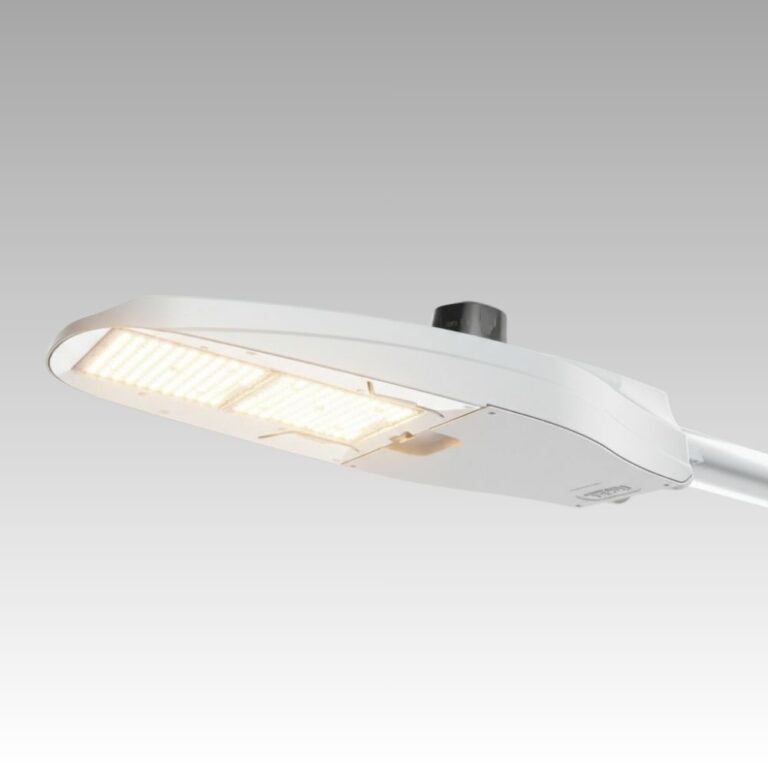
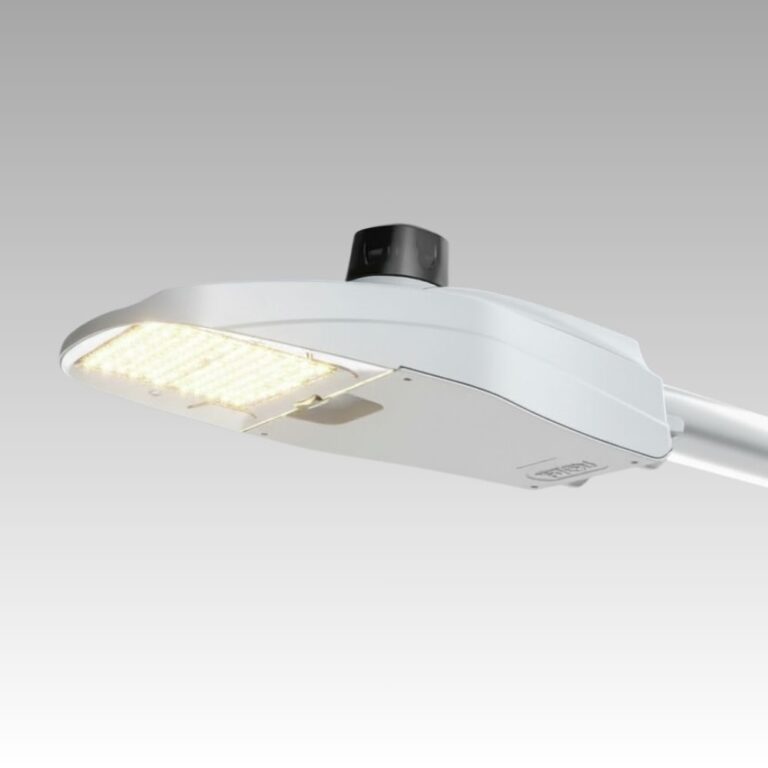
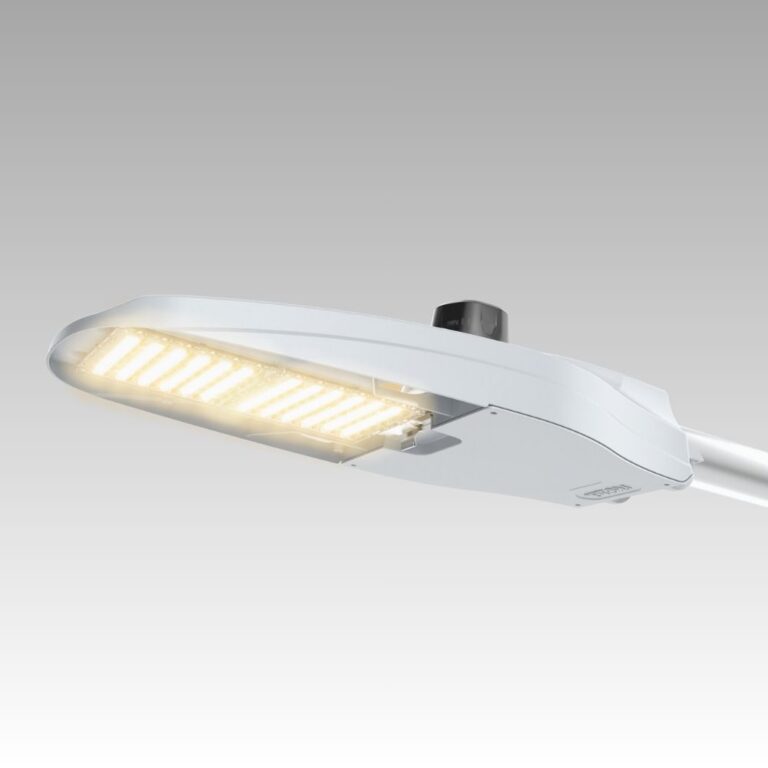
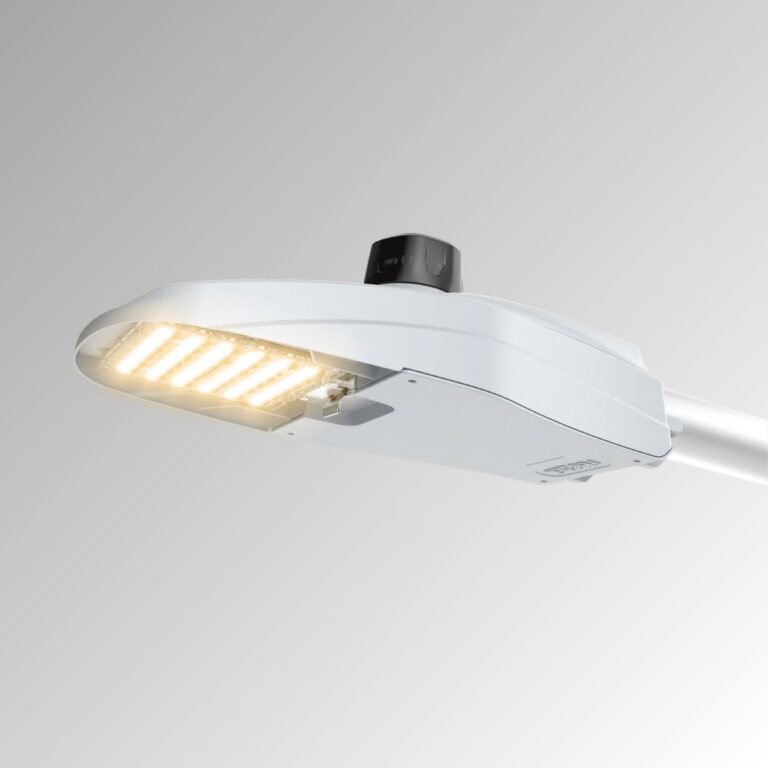
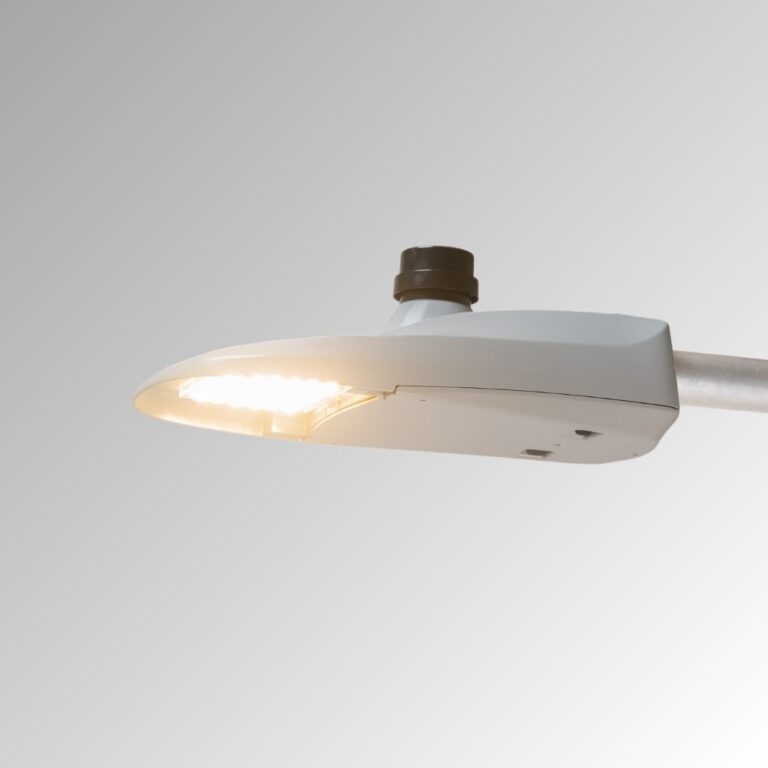
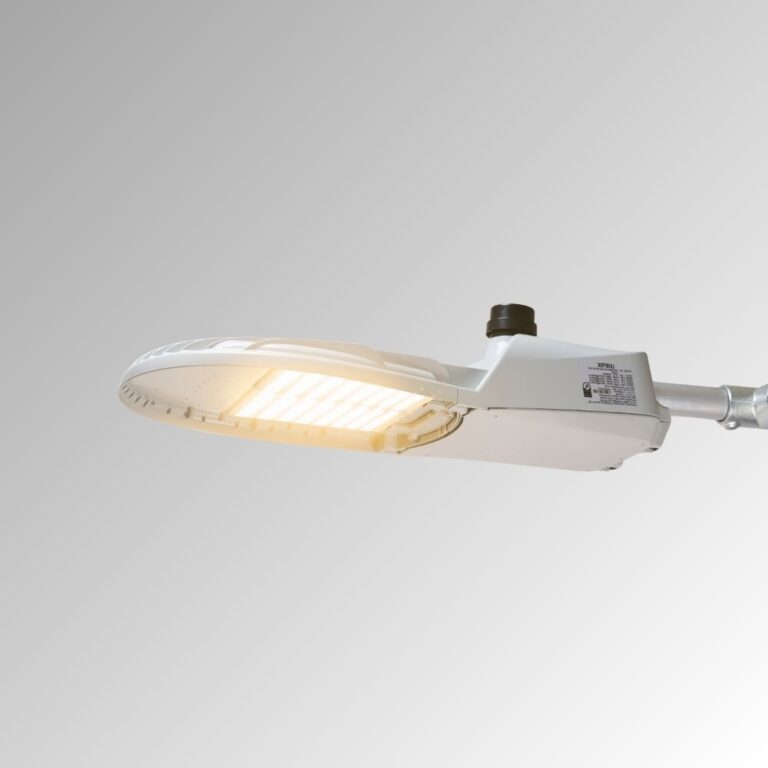
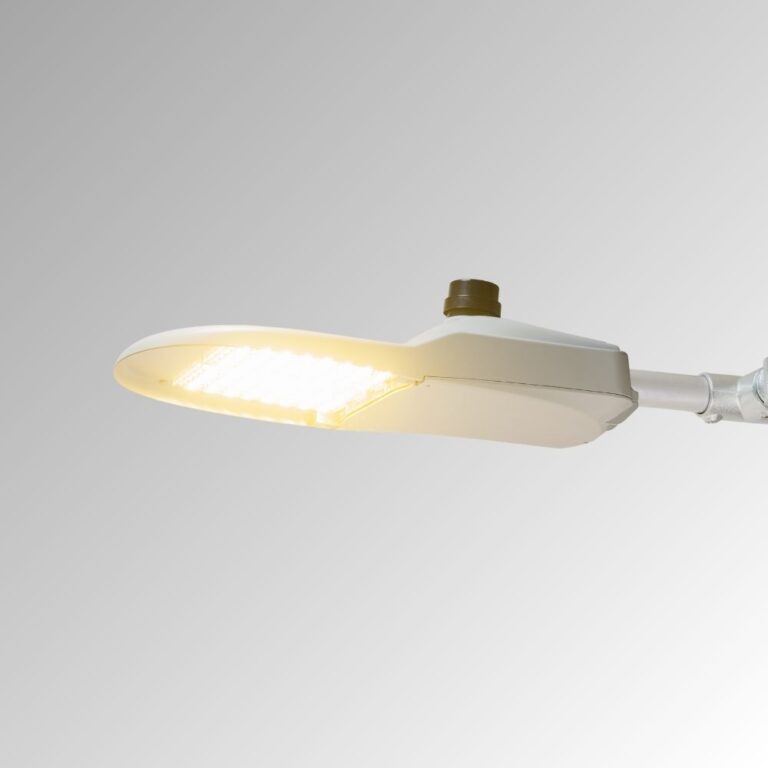
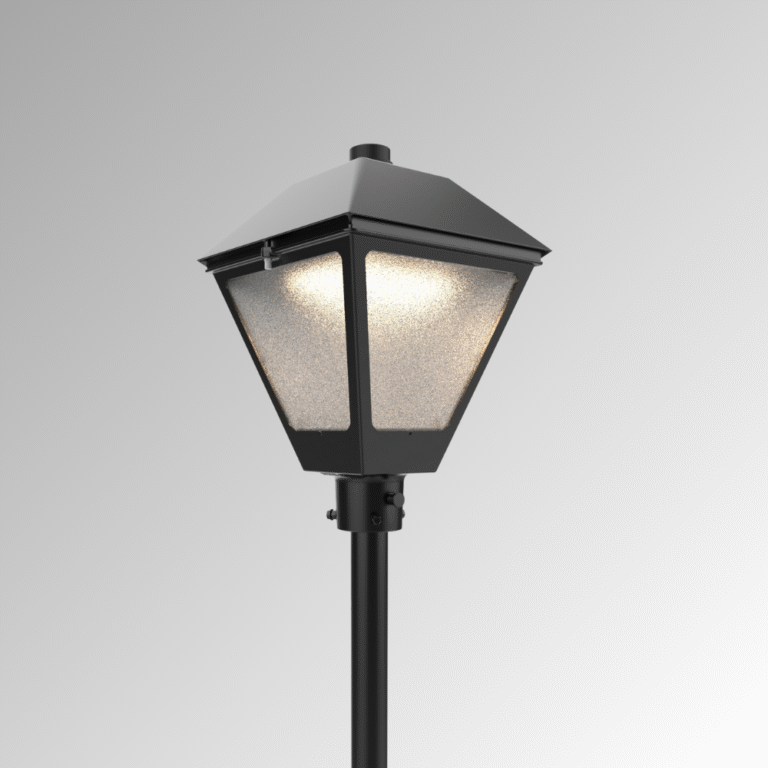
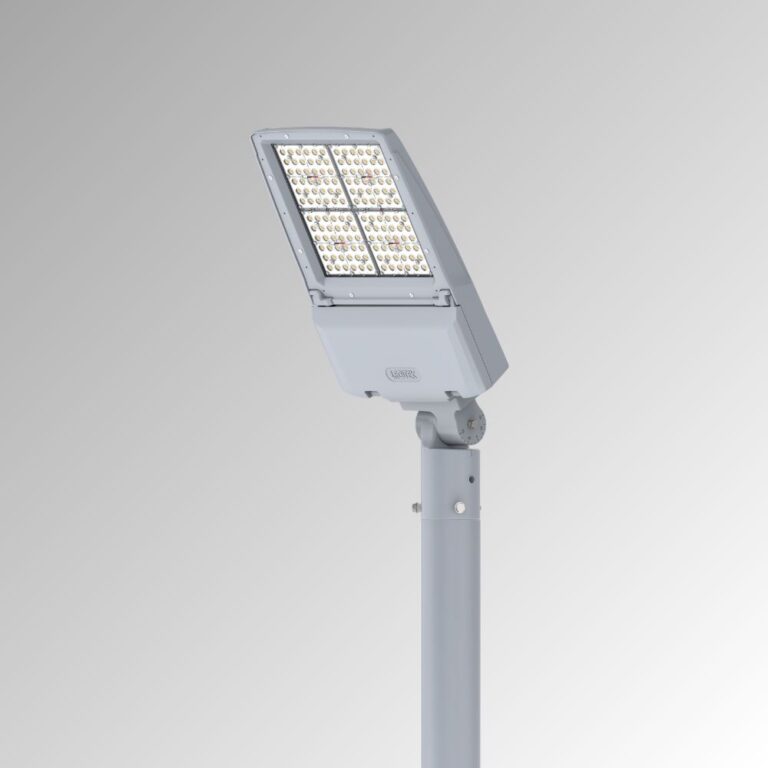
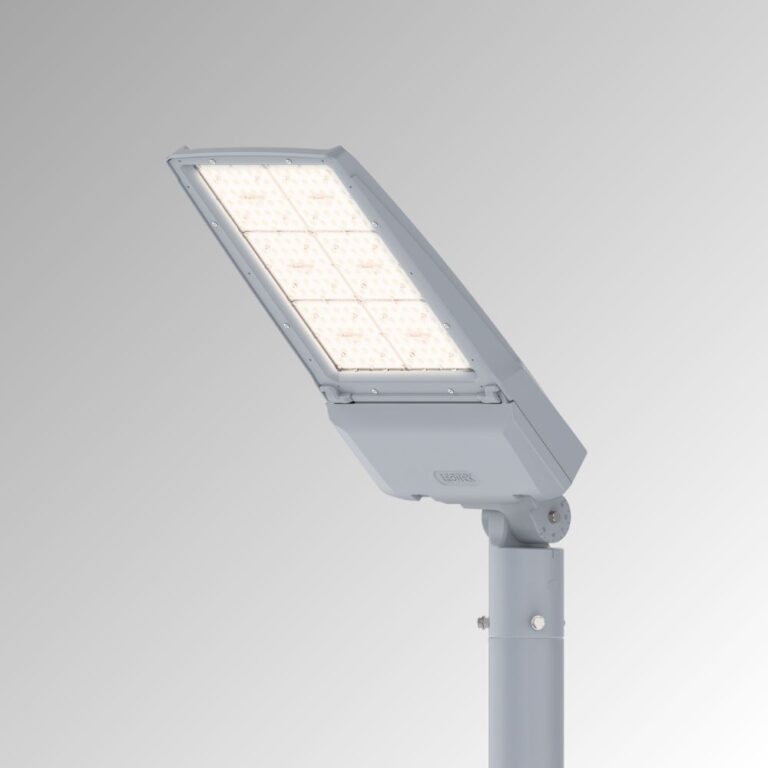
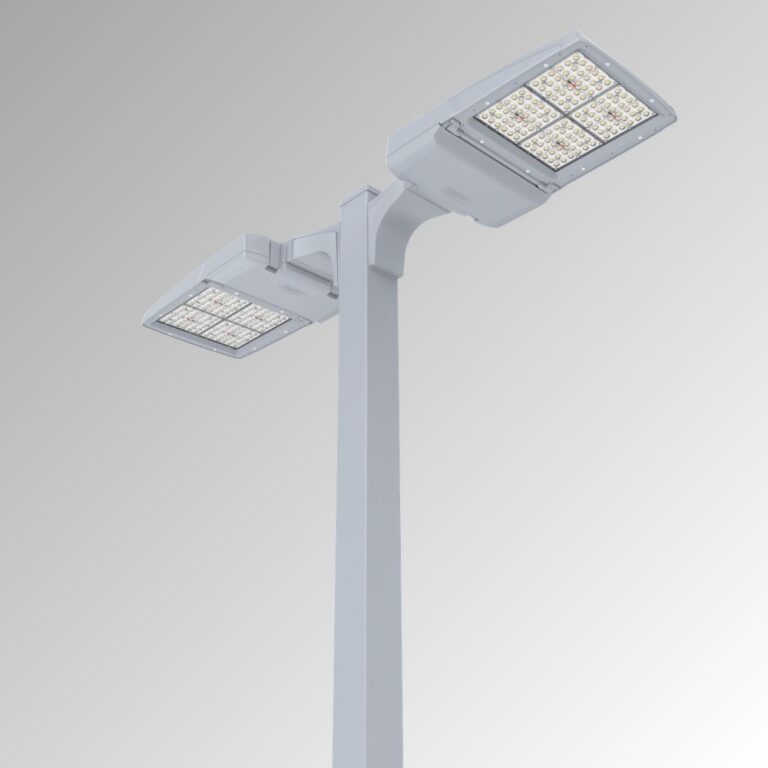
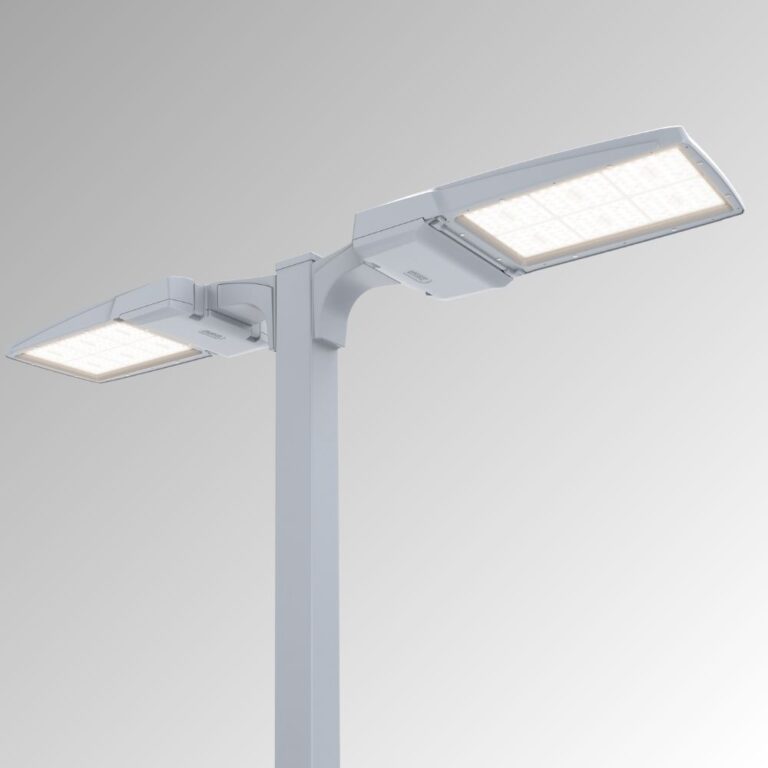

Outdoor Lighting
With years of experience and proven project expertise in the lighting industry, LEOTEK helps you identify the most suitable product solutions based on the application scenarios below. If your project involves more complex requirements, our professional team is always ready to support you.
Street Lighting
Street lighting supports safety, visibility, and reliable operations across outdoor environments. Because different applications require different lighting strategies, LEOTEK offers a complete portfolio of street lighting solutions—including roadway, site and area, flood, and decorative lighting—to help you find the right fit for your project.
Key Considerations for Street Lighting
Support Diverse Outdoor Environments
Different outdoor applications—from roadways and access paths to large public areas and urban spaces—require tailored lighting strategies to meet varying visibility, coverage, and operational needs.
Balance Performance and Efficiency
Deliver high-quality illumination while managing energy consumption, long-term operating costs, and system efficiency across different lighting environments.
Ensure Long-Term Reliability and Maintainability
Provide durable lighting solutions that can withstand outdoor conditions while reducing maintenance frequency and supporting consistent performance over time.
LEOTEK street lighting solutions are designed to provide reliable illumination across diverse outdoor conditions. With a comprehensive portfolio that includes roadway, site and area, flood, and decorative lighting, LEOTEK helps project owners select the right solution based on application requirements, performance expectations, and long-term efficiency goals.
Recommended Products for Street Lighting
Start by identifying whether your priority is extended coverage, safety around infrastructure, or reduced maintenance—then match your application with the LEOTEK off-roadway lighting product designed for that need.
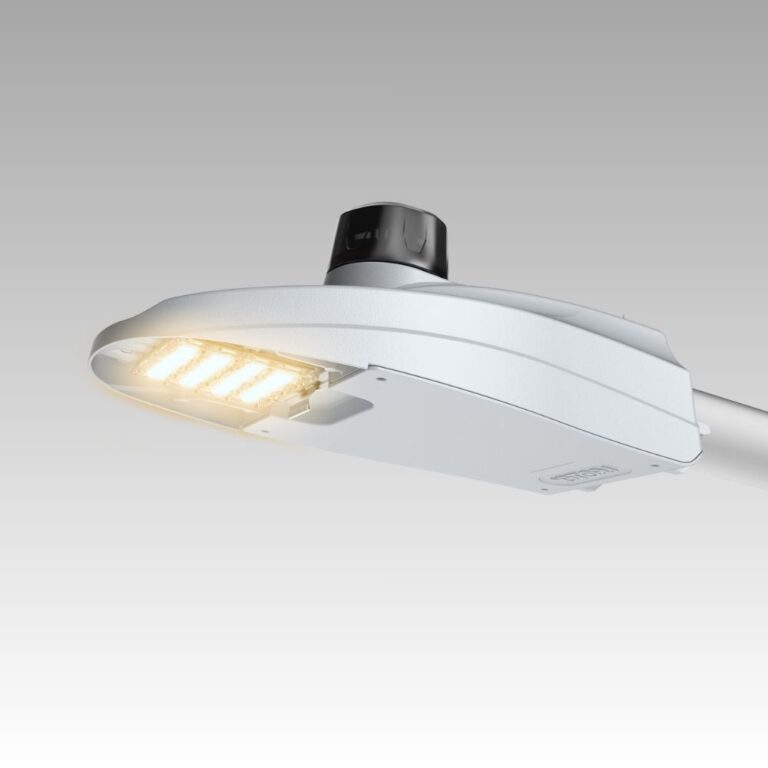
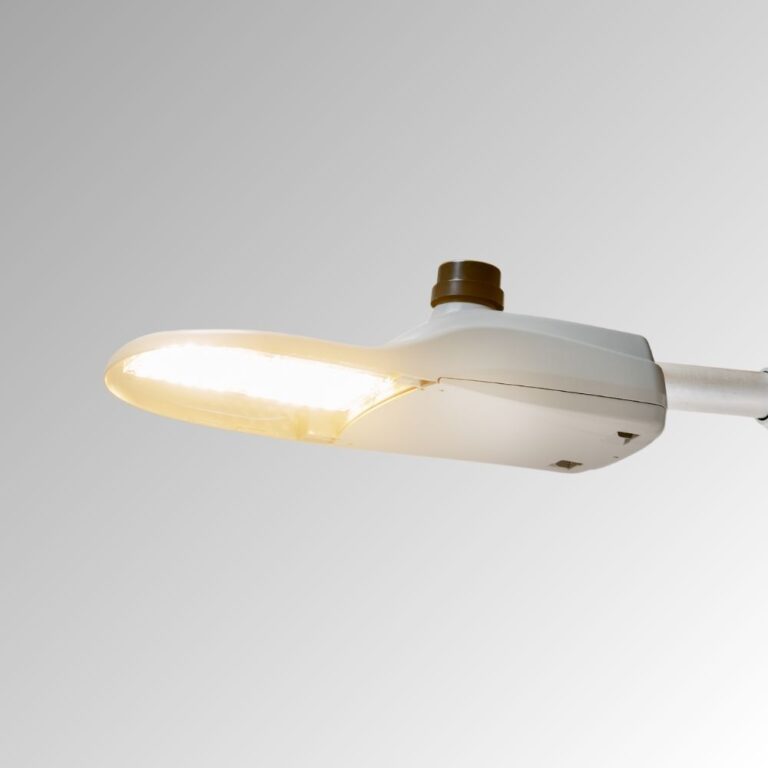
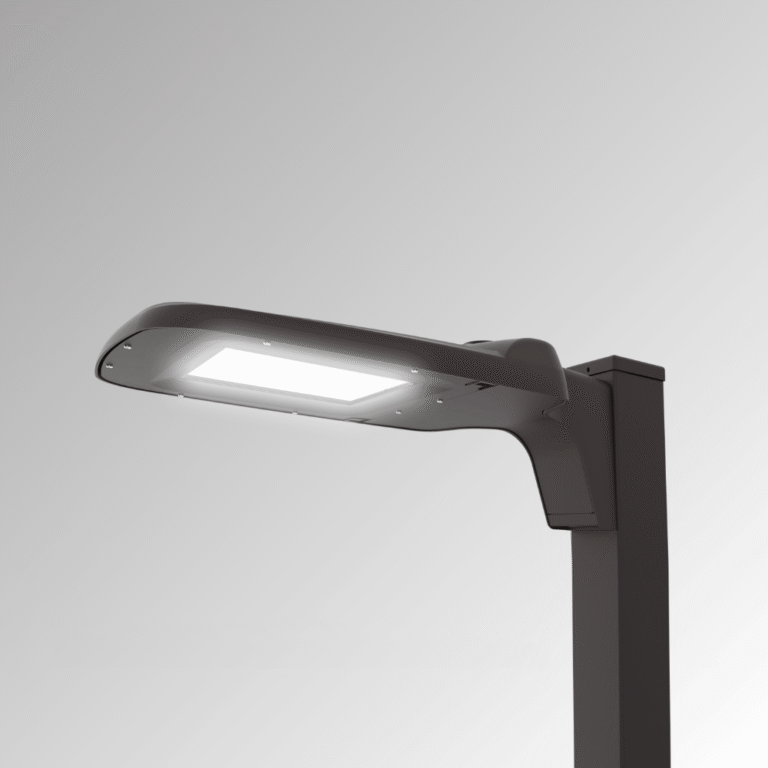
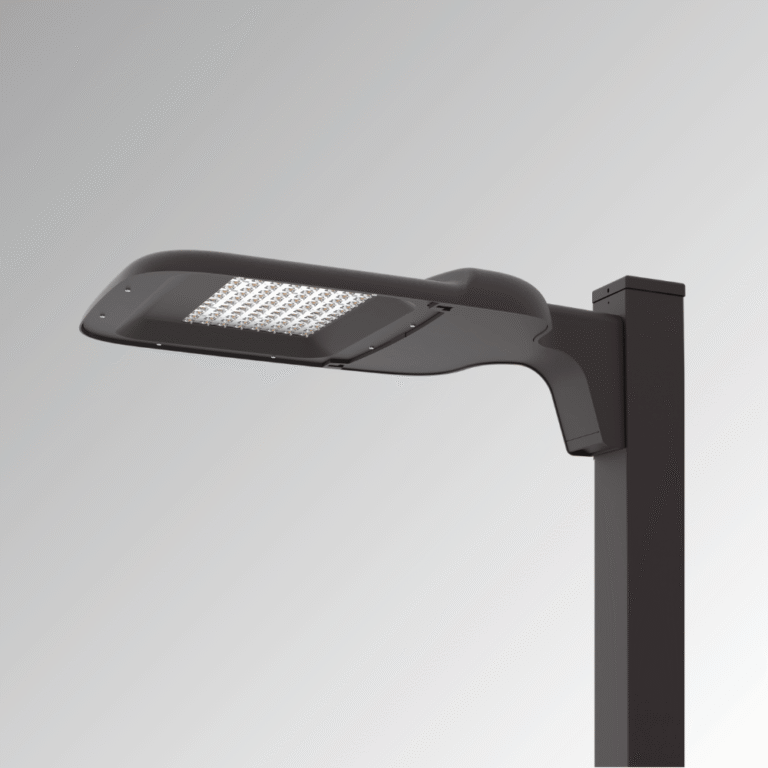
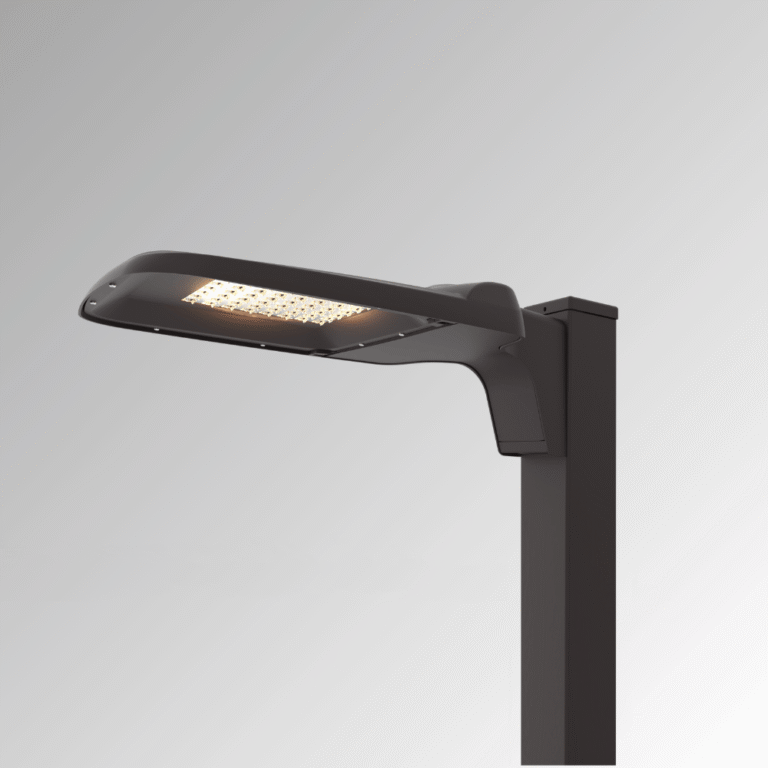
Off-Roadway Lighting
Off-roadway lighting supports outdoor environments beyond main traffic lanes, including access roads, service areas, pathways, facility perimeters, and roadside zones. These areas often require dependable illumination to improve visibility, support safe movement, and reduce operational blind spots after dark.
Key Considerations for Off-Roadway Lighting
Improve Visibility Beyond Main Roadways
Support safer movement around access roads, service routes, and roadside areas where lighting coverage is often limited.
Reduce Dark Spots Around Infrastructure
Minimize poorly lit zones near facility edges, pathways, and operational areas to improve nighttime awareness.
Lower Maintenance Effort
Use durable, high-efficiency LED lighting to reduce maintenance frequency and support long-term outdoor performance.
LEOTEK off-roadway lighting solutions help cities, utilities, and infrastructure operators extend reliable visibility beyond primary roadways. With efficient LED performance and outdoor-ready designs, LEOTEK supports safer and more manageable environments around critical infrastructure.
Recommended Products for Off-Roadway Lighting
Start by identifying whether your priority is visibility, coverage, or maintenance efficiency — then match your application with the LEOTEK street lighting product designed for that need.
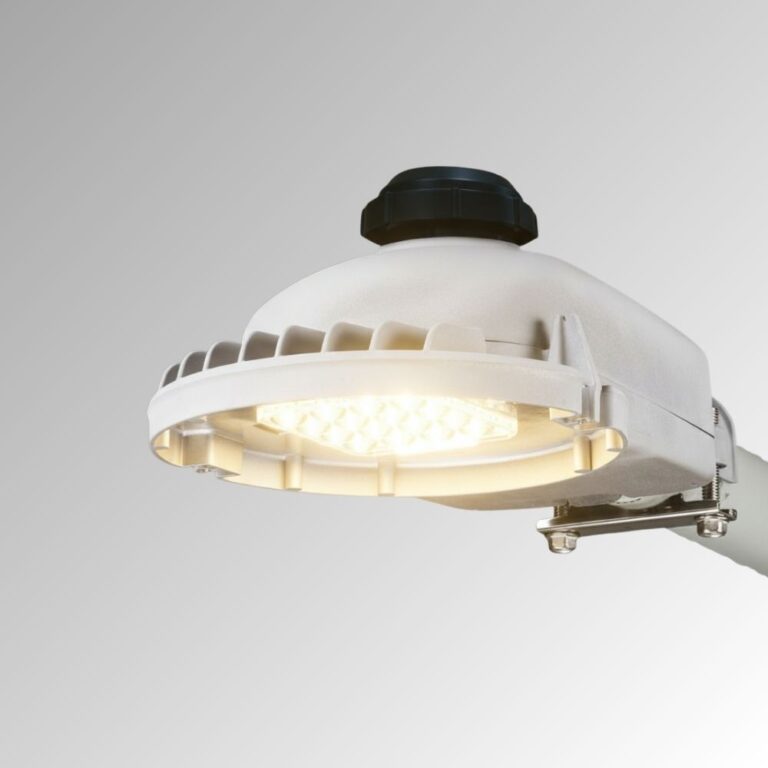
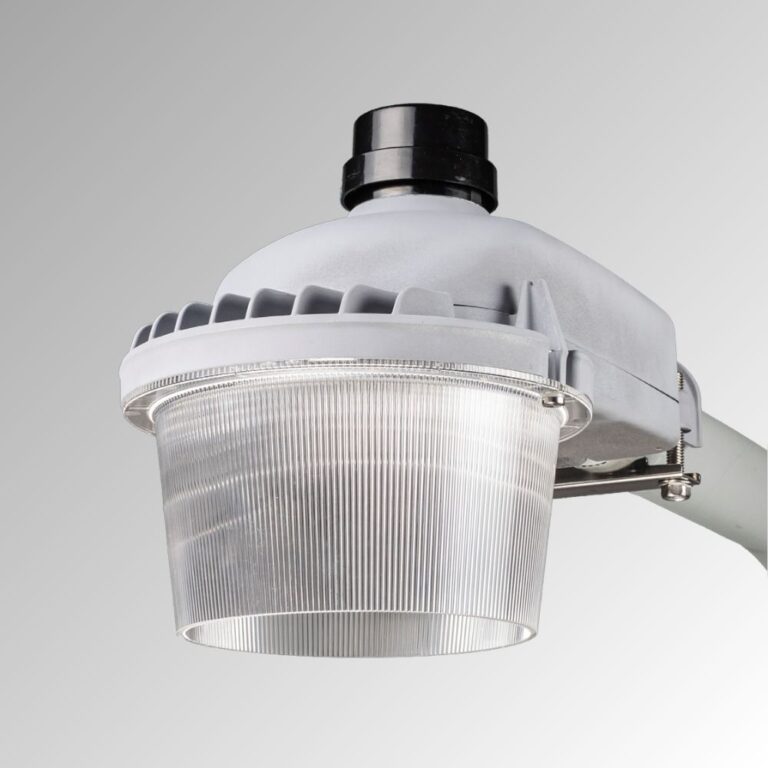
Site & Area Lighting
Site and area lighting is designed for large outdoor spaces where consistent illumination is essential for safety, visibility, and daily operations. From parking lots and campuses to commercial properties, municipal facilities, and public areas, these environments require lighting that can cover wide spaces while supporting both vehicle and pedestrian movement.
Key Considerations for Site & Area Lighting
Provide Consistent Illumination Across Large Areas
Deliver uniform lighting coverage for parking lots, campuses, public sites, and outdoor common areas.
Enhance Safety for Vehicles and Pedestrians
Improve visibility across shared environments where people, vehicles, and equipment move through the same space.
Reduce Energy and Operating Costs
Upgrade to efficient LED lighting solutions that help lower energy consumption and long-term maintenance costs.
LEOTEK site and area lighting solutions are designed to provide consistent, wide-area illumination for parking lots, campuses, commercial properties, municipal facilities, and public spaces. With efficient LED performance and durable outdoor-ready designs, LEOTEK helps project owners improve visibility, enhance safety, and reduce long-term operating costs across large outdoor environments.
Recommended Products for Site & Area Lighting
Choose your solution based on the size of your site, the level of visibility required, and your energy-efficiency goals to find the best-fit LEOTEK lighting product.
Flood Lighting
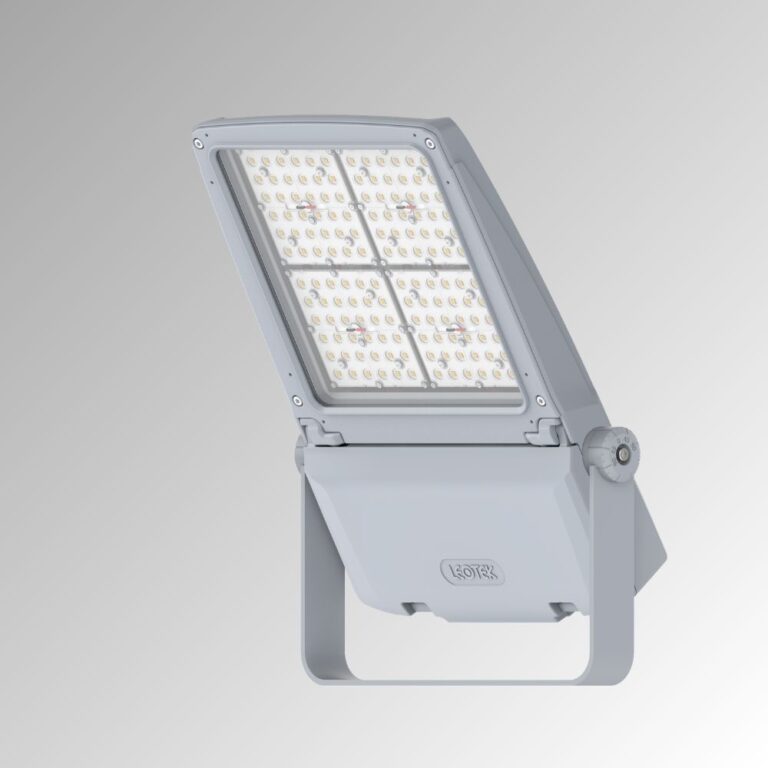
Flood lighting is used in outdoor environments that require powerful, focused, or wide-area illumination. These applications often include industrial yards, logistics areas, sports and recreation spaces, building exteriors, security zones, and large public facilities where high-output lighting is critical.
Key Considerations for Flood Lighting
Deliver High-Output Illumination
Provide strong lighting performance for large outdoor areas, facility operations, and demanding site conditions.
Improve Security and Operational Visibility
Support surveillance, nighttime activity, and site safety with clear visibility.
Cover Wide or Targeted Areas Effectively
Use lighting solutions that can address broad coverage needs or focused illumination requirements based on site layout.
LEOTEK flood lighting solutions deliver powerful, reliable illumination for demanding outdoor environments such as industrial yards, logistics areas, sports facilities, building exteriors, and security zones. Designed for high-output performance and long-term durability, these solutions help improve visibility, support nighttime operations, and enhance site safety.
Recommended Products for Flood Lighting
Start with your lighting objective — output, coverage, or security — to quickly identify the LEOTEK flood lighting product that fits your application.
Architectural & Decorative
Decorative lighting supports public spaces where visual comfort, safety, and urban identity are equally important. These applications are commonly used in parks, plazas, pedestrian streets, downtown districts, cultural areas, waterfronts, and community spaces where lighting contributes to both nighttime usability and place-making.
Key Considerations for Architectural & Decorative Lighting
Balance Safety and Visual Comfort
Provide sufficient illumination for public use while creating a comfortable nighttime environment.
Support Urban Identity and Streetscape Design
Use lighting designs that complement parks, plazas, commercial streets, and community spaces.
Improve Public Space Experience
Enhance the usability, accessibility, and atmosphere of outdoor areas after dark.
Begin with the experience you want to create — safety, comfort, or visual identity — and select the LEOTEK decorative lighting product that best supports your public space.
Recommended Products for Decorative Lighting
Start with your design intent — safety, comfort, or visual identity — to find the LEOTEK decorative lighting solution that best fits your space.
Outdoor Lighting FAQ
Explore key technical and application considerations for selecting reliable, efficient, and responsible outdoor lighting solutions.

How do I choose between street lighting, off-roadway lighting, site and area lighting, floodlighting, and decorative lighting?
Start with the visual task and the area being illuminated. Street lighting supports motorists, pedestrians, intersections, and public roadways. Off-roadway lighting covers access roads, service areas, pathways, and infrastructure outside the main traffic lanes. Site and area lighting provides uniform coverage for parking lots, campuses, and public facilities. Floodlighting delivers focused or wide-beam illumination for industrial yards, sports areas, building exteriors, and security zones. Decorative lighting combines functional illumination with architectural character and visual comfort.
What factors should be considered when selecting an outdoor LED lighting solution?
Evaluate the application, required visual task, applicable criteria, site geometry, mounting height, pole locations, optical distribution, maintained light levels, uniformity, glare, color temperature, controls, environmental exposure, serviceability, and lifecycle cost. Product selection should be based on the complete project rather than a single value such as wattage or initial lumens. Complex projects should be reviewed through project-specific photometric calculations and the requirements of the responsible authority.
Why should an outdoor LED luminaire not be selected by wattage alone?
Wattage measures electrical input, not the amount or placement of useful light. A lower-wattage luminaire with efficient LEDs and well-designed optics may satisfy a project more effectively than a higher-wattage product. Selection should consider delivered lumens, luminous efficacy, optical distribution, mounting geometry, maintained performance, uniformity, glare, environmental conditions, and controls. Wattage remains important for energy calculations, but it does not confirm lighting quality or compliance.
How many lumens does a streetlight or outdoor area light need?
There is no universal lumen value based only on road or site type. Required output depends on the applicable criteria, roadway classification, traffic and pedestrian activity, lane and site geometry, pavement characteristics, pole height, spacing, setback, arm length, optical distribution, surrounding properties, and maintenance assumptions. The appropriate output should be established using the exact luminaire configuration in a project-specific photometric calculation.
Why is a photometric plan necessary before selecting outdoor lighting?
A photometric plan predicts how a specific luminaire configuration will perform at the actual site. It can evaluate illuminance or luminance, minimum and average levels, uniformity, glare-related metrics, and spill light. The calculation should use the correct IES file, output setting, optical distribution, mounting height, pole placement, tilt, and maintenance assumptions. A visual rendering alone cannot confirm performance. Learn how to evaluate an IES file and photometric model.
What is the difference between illuminance and luminance in roadway lighting?
Illuminance measures the light arriving at a surface and is commonly expressed in lux or footcandles. Luminance describes the light leaving or reflecting from a surface toward an observer and is commonly used to evaluate the driver’s view of the roadway. The appropriate method depends on the application, roadway conditions, and governing design criteria. Some projects may also evaluate vertical illuminance, glare, or other visibility-related metrics.
How do I choose the correct light distribution for a roadway or outdoor site?
Light distribution should be matched to the geometry of the application rather than selected by name alone. IES Types I through V describe general horizontal distribution patterns, while longitudinal classifications describe how far the distribution extends along a roadway. Road width, pole position, mounting height, spacing, setbacks, property boundaries, and the visual task must all be considered. The final choice should be verified with project-specific photometry. Review the five main IES light distribution types.
Why is roadway lighting uniformity as important as the average light level?
An acceptable average does not prove that the roadway is evenly illuminated. A design can reach its target average while still producing excessively bright areas and dark zones. Engineers therefore review metrics such as average-to-minimum and maximum-to-minimum ratios alongside the applicable illuminance or luminance criteria. Pole spacing, optics, mounting geometry, pavement properties, and maintenance assumptions can all affect uniformity. Learn more about roadway lighting uniformity ratios.
How should glare be evaluated in roadway and outdoor lighting?
Glare should be evaluated in the context of the observer, viewing direction, luminaire intensity, mounting geometry, background conditions, and the applicable design method. Disability glare can reduce the visibility of objects by lowering contrast, while discomfort glare describes visual annoyance or fatigue. For roadway applications, veiling luminance and threshold increment may be used when required by the governing method. Read about veiling luminance and threshold increment.
What color temperature is best for street and outdoor lighting?
There is no single correlated color temperature suitable for every application. Residential streets, pedestrian areas, parks, and environmentally sensitive locations may prioritize warmer light and visual comfort, while some major roadways or operational sites may use a different CCT based on agency policy and project needs. CCT should be considered together with spectral characteristics, glare control, light levels, optical distribution, dimming, community preferences, and ecological context. Explore streetlight color-temperature considerations.
How can outdoor lighting reduce light pollution and ecological impact?
Responsible outdoor lighting begins by defining where, when, and how much light is actually needed. Designers can limit uplight and spill light, control high-angle intensity, select an appropriate spectrum, avoid unnecessary over-lighting, and use dimming or curfews when permitted. Sensitive habitats, nearby residences, waterways, migration routes, and local lighting zones should be documented before criteria are established. See how to develop an ecological lighting specification.
When should floodlighting be used instead of site and area lighting?
Floodlighting is appropriate when a project needs aimed, focused, asymmetric, or broad-beam illumination from a defined mounting position. Common applications include industrial yards, loading areas, sports and recreation spaces, façades, security zones, and large facilities. Site and area luminaires are generally used when consistent horizontal coverage across parking lots, campuses, and public spaces is the main objective. Beam angle alone is not enough; aiming, setback, mounting height, glare, spill light, and photometry must also be reviewed. Read the floodlighting beam-angle and aiming guide.
Why is vertical illuminance important for pedestrian and site lighting?
Horizontal illuminance describes light on the ground, but pedestrians, signs, obstacles, and many security-relevant objects are primarily vertical. Evaluating vertical illumination can help a design team understand whether upright objects are visible from important viewing directions. The required locations, heights, and criteria depend on the project and applicable standard. Vertical illumination should complement—not replace—horizontal performance, uniformity, glare control, and site-specific review.
What is a lighting maintenance factor, and why is it included in outdoor lighting design?
A maintenance factor accounts for expected reductions in delivered light over time. Contributing conditions can include LED lumen depreciation, dirt accumulation, optical or enclosure changes, operating environment, cleaning intervals, and the agency’s maintenance practices. The factor should follow the methodology accepted by the project owner or responsible authority. A generic value should not be applied automatically to every site because exposure, equipment, operating conditions, and maintenance programs vary.
What do L70, LM-80, and TM-21 reveal about LED streetlight life?
L70 identifies a lumen-maintenance threshold associated with 70% of initial LED-source output. LM-80 measures lumen and color maintenance for LED packages, arrays, or modules under stated conditions, while TM-21 uses applicable LM-80 data to project longer-term lumen maintenance. These results do not independently establish the service life of the complete luminaire, driver, controls, seals, or other components. Learn what LM-80 and TM-21 do and do not prove.
How can smart controls and a central management system improve outdoor lighting?
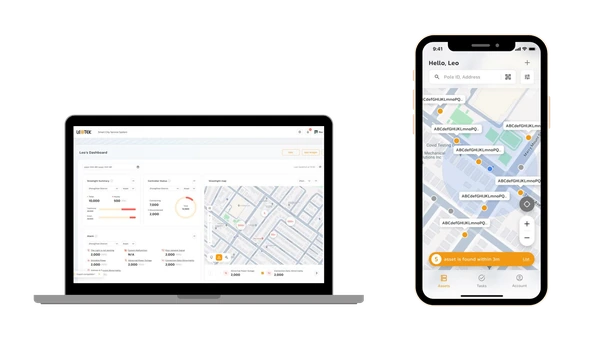
Connected outdoor lighting can support scheduled or adaptive dimming, remote configuration, asset monitoring, energy reporting, fault notifications, and more efficient maintenance workflows. A system may include luminaire controllers or nodes, a communications network, optional gateways, and a central management system. Capabilities vary, so agencies should confirm interoperability, communications behavior, data ownership, cybersecurity responsibilities, local fallback behavior, and lifecycle support. Explore streetlight CMS architecture.
What should be evaluated before converting an existing streetlight network to LED?
Begin with a verified asset inventory covering luminaire types, wattages, poles, arms, mounting heights, electrical service, ownership, tariffs, controls, maintenance history, and field conditions. Also document roadway geometry, pedestrian areas, nearby residences, vegetation, obstructions, sensitive habitats, and locations requiring additional engineering review. Existing poles and arms should be assessed by qualified professionals where structural, loading, or condition concerns exist. Review the municipal streetlight audit process.
What environmental and durability factors matter for outdoor luminaires?
Review the project’s temperature range, moisture, dust, salt exposure, wind, vibration, surge environment, UV exposure, mounting orientation, drainage, and maintenance access. Product documentation should cover the exact configuration and the environmental or mechanical requirements applicable to the project. Coastal environments require particular attention to housing finishes, fasteners, interfaces, seals, drainage, inspection, and repair practices. Read the coastal corrosion selection guide and learn how ambient temperature affects LED performance.
What certifications and technical documents should outdoor-lighting buyers request?
The required evidence depends on the jurisdiction, funding source, utility program, application, and procurement documents. Buyers may need product listings, electrical and photometric test reports, lumen-maintenance documentation, environmental and mechanical test evidence, surge information, controls compatibility, warranty terms, and project-specific submittals. Each report should be checked against the exact model, configuration, voltage, output, optics, controls, date, and revision being offered. Review common LED streetlight certification and testing categories.
How should total cost of ownership be evaluated for an outdoor LED lighting project?
Total cost of ownership extends beyond the purchase price. A complete evaluation can include equipment, installation, energy use, demand or tariff effects, routine maintenance, cleaning, driver or control replacement, communications costs, software or service fees, spares, labor, warranty terms, expected service conditions, and end-of-life planning. Compare alternatives using a defined analysis period and documented assumptions rather than relying only on wattage reduction or a generic payback claim.