TOP BAR

Arieta

Compare Arieta AR13, AR18 and ComfortGuide LED area lighting models. Explore LEOTEK specifications and documents for site and parking applications.

Explore related applications: Outdoor lighting applications · All Outdoor Lighting products

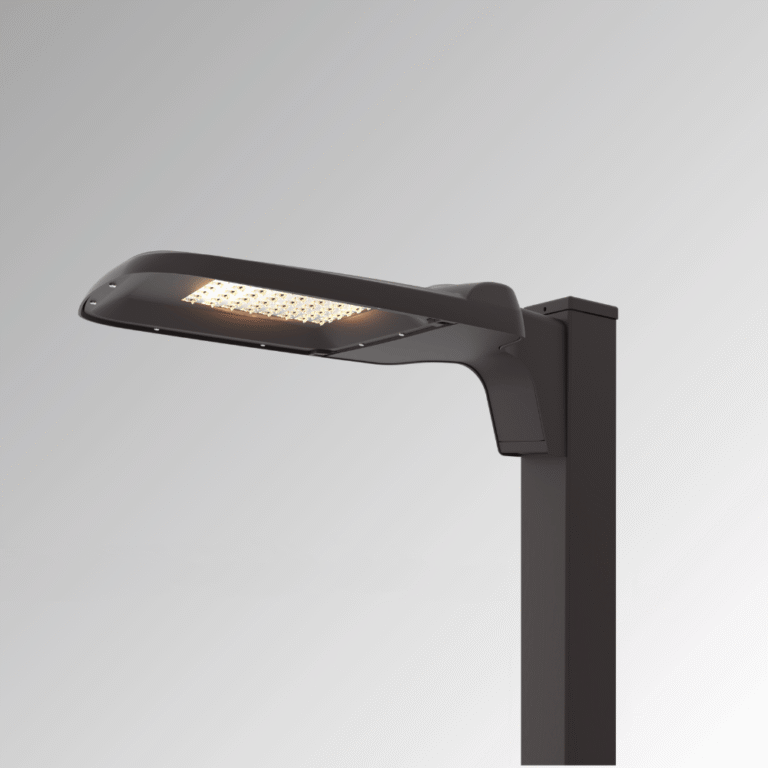
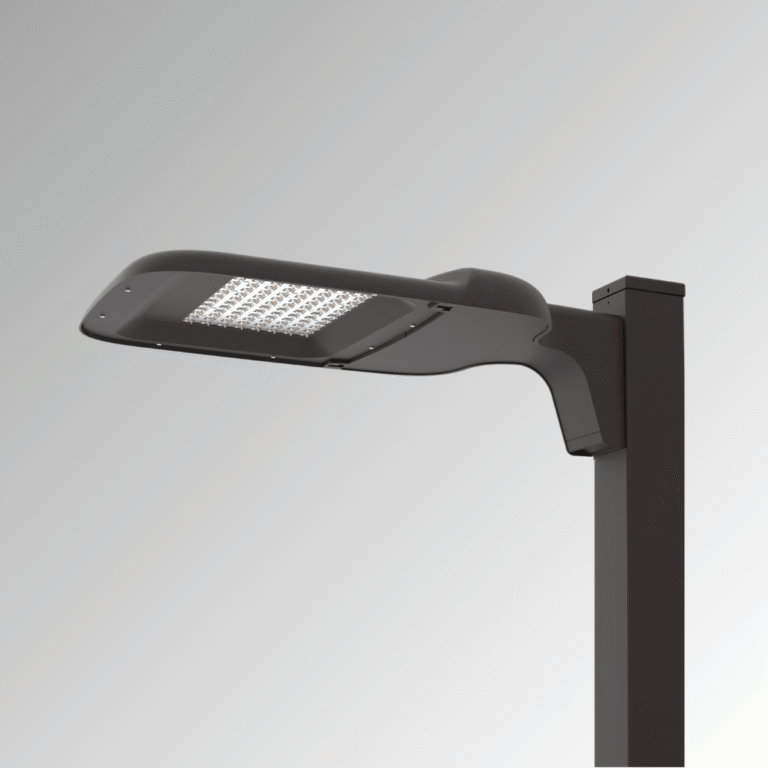
Arieta AR13L luminaire mounted horizontally on a pole.
Arieta®
Lumen Output: 2,970–20,600 lm (published nominal range)
Voltage: 120–277V / 347–480V
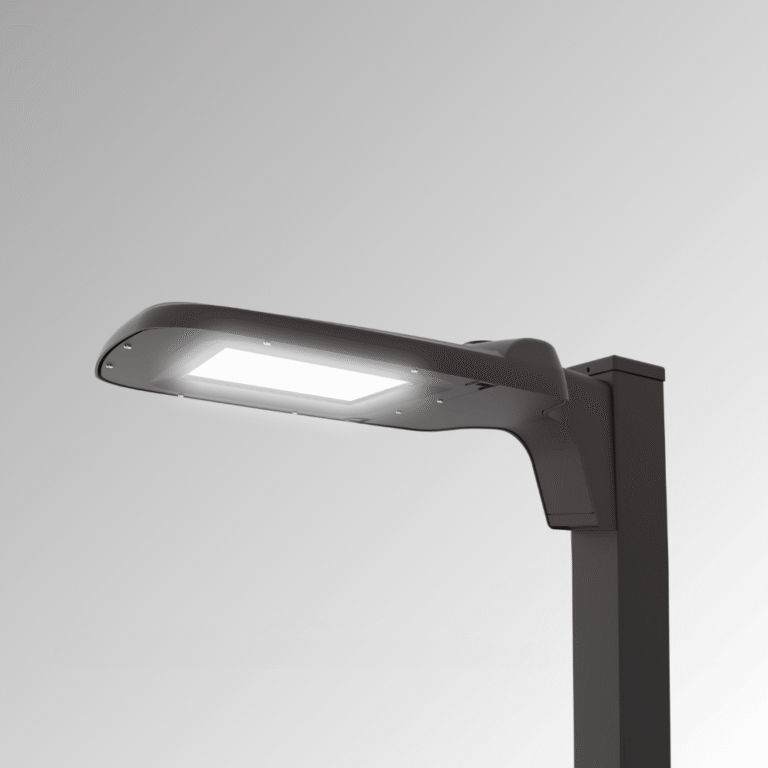
Underside view of a LEOTEK Arieta LED area luminaire showing its optical array
Arieta®
Lumen Output: 14,600–40,990 lm (published nominal range)
Voltage: 120–277V / 347–480V
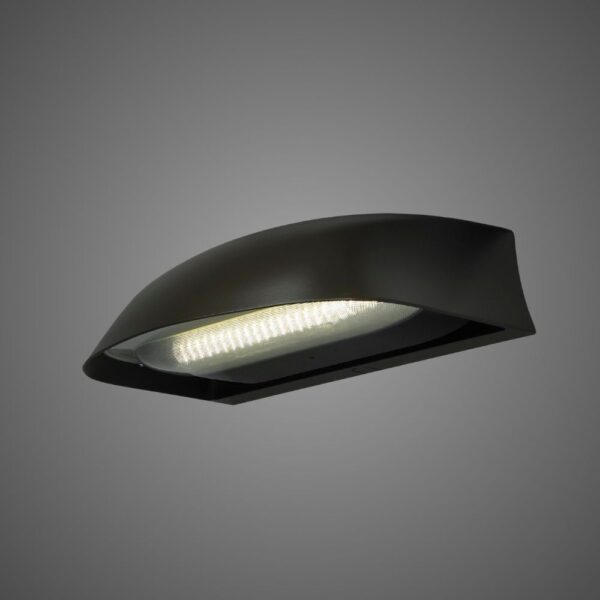
AR13CG (3)
Arieta®
Lumen Output: 3,400–12,000 lm (published nominal range)
Voltage: 120–277V / 347–480V
About Us

Why LEOTEK?

Building a Safer, Greener, and Smarter City with AIoT

LEOLab

Lighting & Smart City Solutions

Check our LEOLab pages to find more information.

Contact Us

Need Product Support & Inquiry?

If you need any service, please feel free to contact us!

PROJECT SUPPORT

Arieta FAQs

Answers to common questions about product selection, installation and procurement.

How do AR13, AR18 and AR13-CG differ?

AR13 is the general area-lighting platform; AR18 extends the available output for larger sites. AR13-CG ComfortGuide uses an edge-lit optical engine for visual comfort rather than the same optical package as the N-Series. Start with the required illumination and viewing conditions, then compare each model’s own IES file. A higher-output AR18 is not automatically the better choice for a low pedestrian-scale installation.

Specifications & documents
Arieta® Architectural Area Light – AR13 · Arieta® Architectural Area Light – AR18 · Arieta® ComfortGuide™ – AR13-CG

Further reading
How to Read an IES File

Can Arieta reuse existing parking-lot poles?

AR13 and AR18 have a universal pole-mount design intended for retrofit attachment without redrilling, plus a removable power door for service. Existing-pole reuse still depends on the actual bolt pattern, pole condition and load rating. AR13 lists 15.4 lb weight and 0.47 ft² EPA. Compare the selected fixture’s mounting drawing and wind loading, then run the lighting calculation at the existing height and spacing.

Specifications & documents
AR13 N-Series Specification Sheet · AR18 n series specification sheet

Further reading
Streetlight EPA: Wind Load and Pole Design

Which optical distribution should I use for a parking lot or perimeter?

The N-Series offers Types 2, 3, 4 and 5, plus Auto Front Row (AFR). AFR targets site-perimeter illumination with reduced backlight; Type 5 serves a different, surrounding coverage pattern. Choose by pole position and area shape, then evaluate minimum illumination and uniformity using the exact output/CCT/optic IES file. Total lumens alone cannot reveal dark areas between poles.

Specifications & documents
AR13 N-Series Specification Sheet · AR18 n series specification sheet

Further reading
How to Read an IES File · Roadway Lighting Uniformity Ratios

What options help keep light away from neighboring homes?

AR13 and AR18 offer an enhanced backlight shield (BLS) and rotated-optic options ORR/ORL. The shield reduces rearward spill; optic orientation changes where useful light lands. Include nearby windows and property boundaries in the calculation with the proposed shield and orientation. The published U0 uplight rating describes light above horizontal; it does not by itself prove acceptable illumination at a neighboring window.

Specifications & documents
AR13 N-Series Specification Sheet · AR18 n series specification sheet

Further reading
HPS-to-LED Streetlight Conversion: Selection and Retrofit Guide

When is ComfortGuide useful, and does warmer CCT eliminate glare?

ComfortGuide spreads light across a larger edge-lit source to support visual comfort in pedestrian settings. Its listed CCTs are 2700K, 3000K and 4000K, with Type II, III and V optics. Warmer CCT does not eliminate glare by itself: source brightness, viewing angle and fixture placement still matter. Compare the CG photometry and a representative viewing condition instead of substituting a standard AR13 IES file.

Specifications & documents
arieta comfortguide specification sheet · Arieta® ComfortGuide™ – AR13-CG

Further reading
HPS-to-LED Streetlight Conversion: Selection and Retrofit Guide

What is the difference between PCR7, PCR7-CR and fixed output?

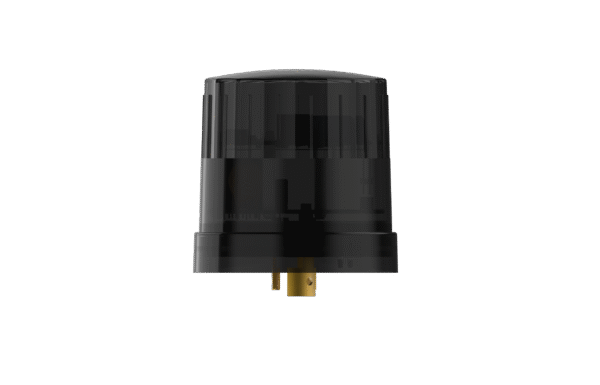
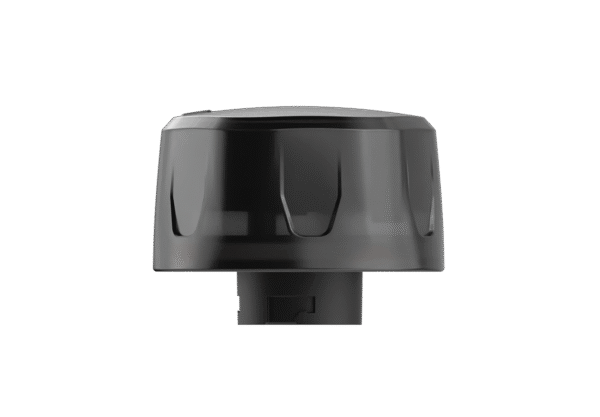
PCR7 retains the output selector and field connectors; wireless-node dimming is disabled by default until the proper dimming connection is made. PCR7-CR is factory-wired for node dimming and omits the selector; output cannot be raised above the ordered setting. FOC is fixed output. Specify the intended control architecture before ordering: a seven-wire receptacle does not make every configuration immediately ready for wireless dimming.

Arieta control configuration comparison
ConfigurationSelection and commissioning implications
PCR7Retains the output selector and field connectors. Arrange the documented dimming connection before enabling a compatible wireless node; node dimming is disabled by default.
PCR7-CRFactory-wired for node dimming and supplied without the selector. Select the output at order stage; the node cannot increase it above that ordered setting.
FOCFixed output. Use the applicable order code and a separate documented switching arrangement.
PND on N-SeriesFactory-programmed part-night dimming on MV 120–277V. The profile is not field-adjustable and does not provide on/off switching.

Example: for remote dimming from installation day, identify the compatible node and factory control-ready configuration in the order. For a later controls retrofit, record the required wiring work and commissioning test. Keep the model-specific control options with the fixture schedule.

Specifications & documents
AR13 N-Series Specification Sheet · AR18 n series specification sheet · arieta comfortguide specification sheet

Further reading
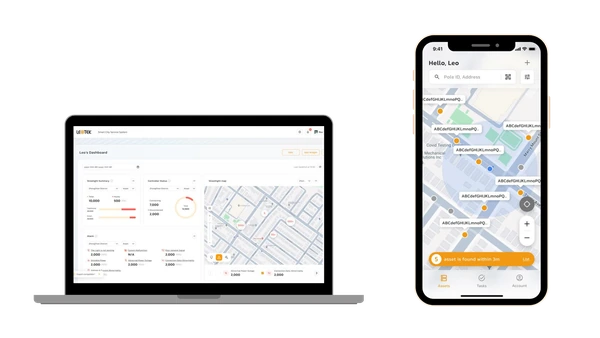
Streetlight CMS Architecture: Nodes, Networks and Central Management

Can part-night dimming replace a photocontrol or network controller?

No. Arieta PND provides a factory-programmed dimming profile, not power on/off control, and the profile is not field-adjustable. The N-Series sheets limit PND to MV 120–277V. A photocontrol or separate switching control still establishes the operating night. Choose PND for a defined autonomous dimming profile; specify a compatible network-control configuration when remote changes and monitoring are required.

Specifications & documents
AR13 N-Series Specification Sheet

Further reading
Streetlight CMS Architecture: Nodes, Networks and Central Management

What warranty and electrical options must an Arieta bid distinguish?

AR N-Series luminaires and ARCG ComfortGuide have different coverage: current North America terms list 10 years for AR and 5 years for ARCG; motion sensors are separately listed at 5 years. MV 120–277V and HV 347–480V are separate voltage choices. The submittal should identify the full order code, control option, matching IES file and applicable written warranty, including any motion-sensor configuration terms.

Specifications & documents
Leotek General Illumination Products Warranty North America · AR13 N-Series Specification Sheet · arieta comfortguide specification sheet

Selection & project planning

Plan area lighting around usable illumination, visual comfort and the actual site geometry. Compare the Arieta models in a layout calculation before selecting the fixture schedule.

Compare exact configurations

Compare AR13, AR18 and AR13-CG ComfortGuide models using the current specification and IES file for each proposed configuration. Select the required output and distribution for the site; family-level ranges do not describe every ordering code.

Validate the lighting layout

Include parking stalls, drive aisles, sidewalks, entrances and adjacent properties. Model pole locations, mounting heights and fixture orientations, then review minimum illumination, uniformity and relevant glare or spill-light criteria.

Coordinate installation and controls

Check pole and arm interfaces, fixture loading, available voltage, grounding and access for service. Define photocontrol, dimming and network-control requirements early, and verify the exact fixture and controller combination.

Prepare the procurement package

Record the exact ordering codes, quantities, mounting accessories, finish, voltage, color temperature and control requirements. Request current specifications, matching IES files, installation instructions and written warranty terms. Confirm the documentation required by the project solicitation for the proposed configuration.

English
Español
繁體中文