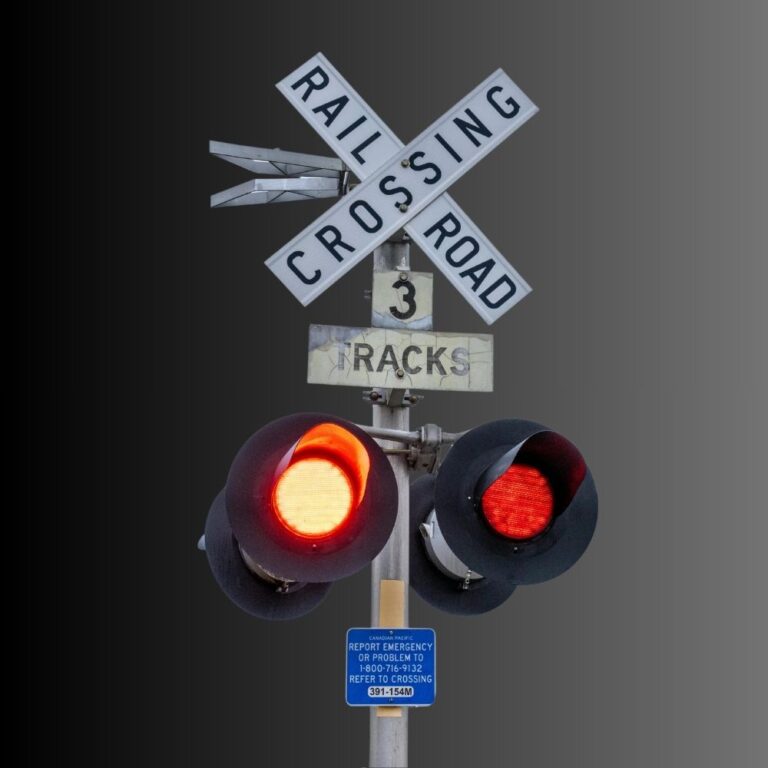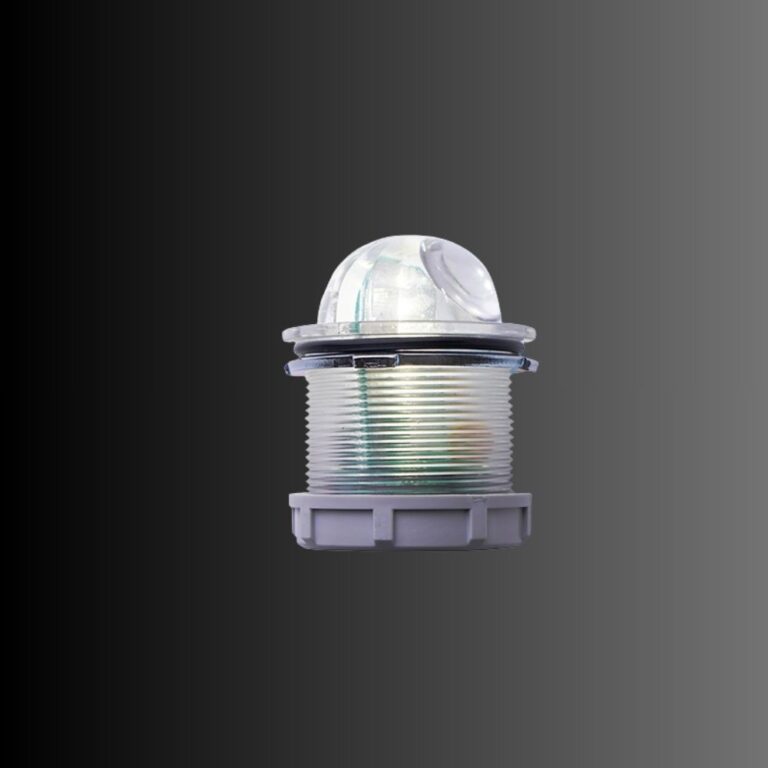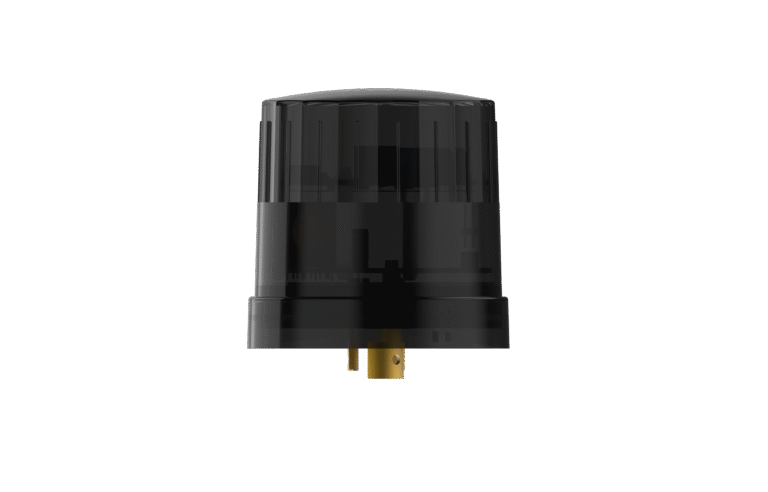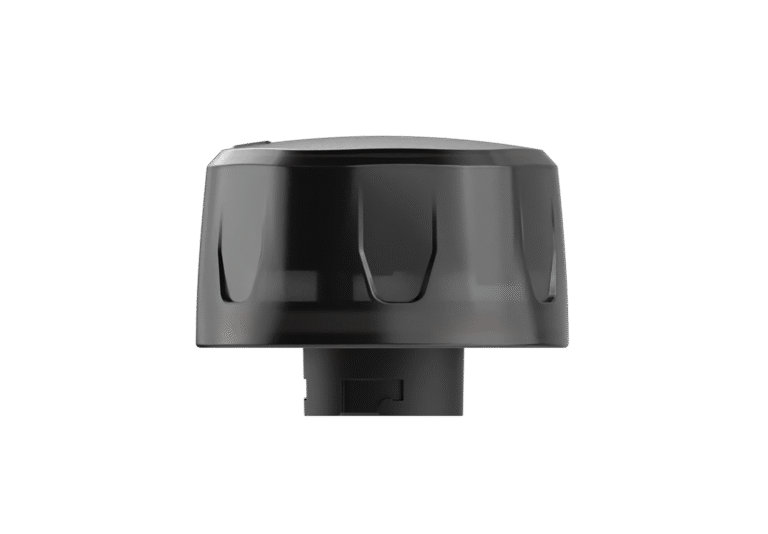
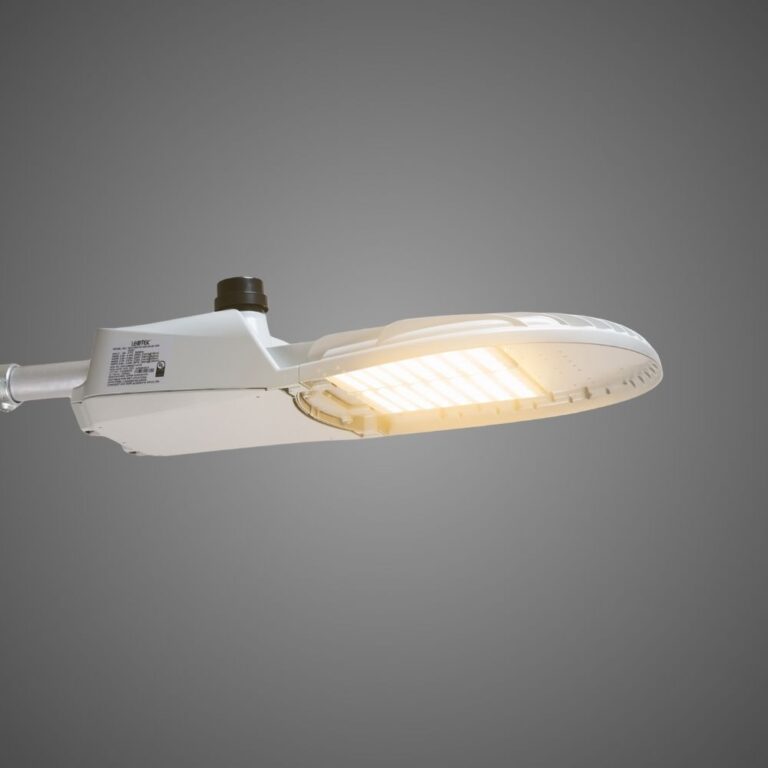
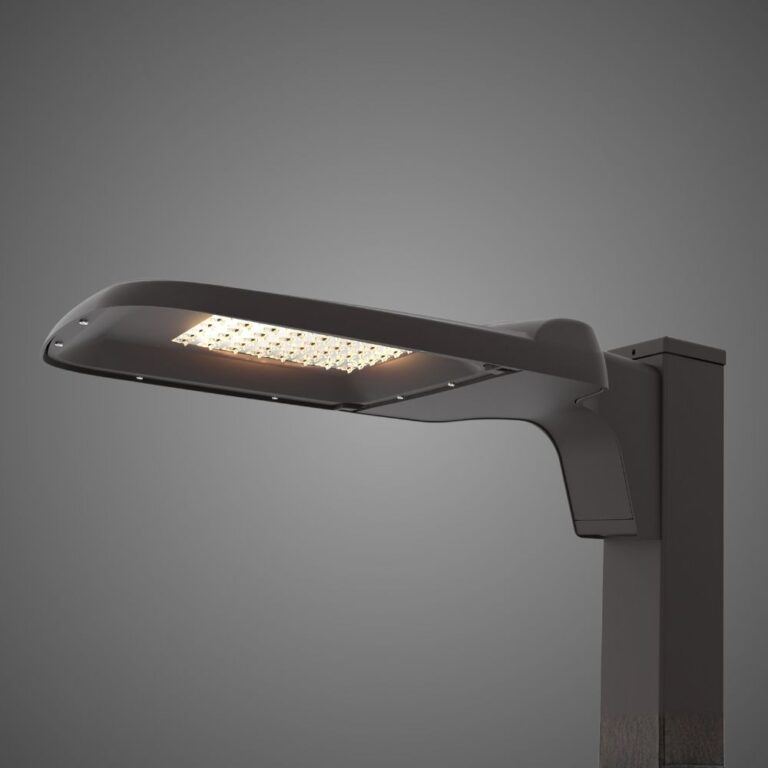
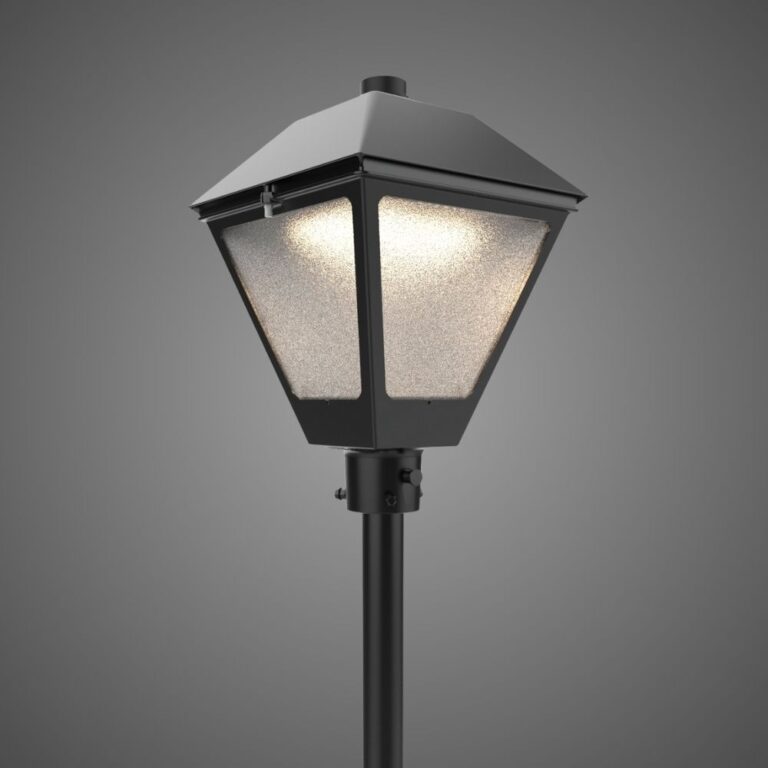
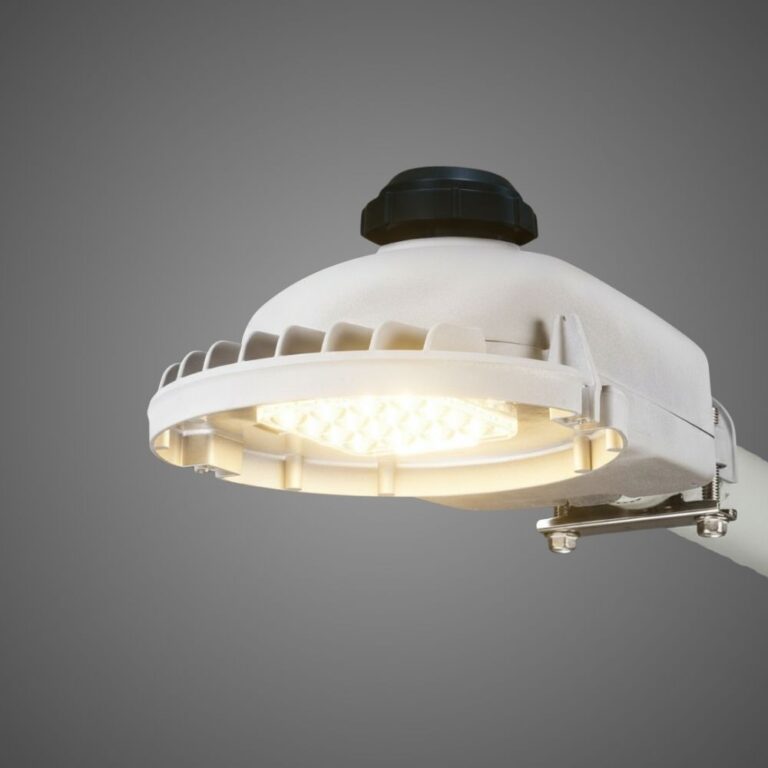
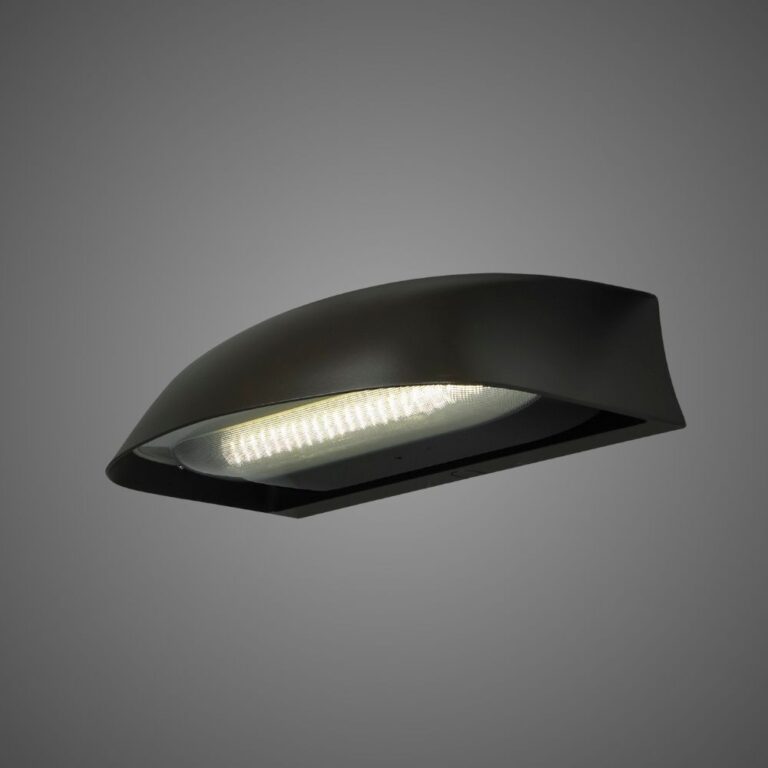
BABA and Buy American Act (BAA) compliant configurations are available for select LEOTEK roadway and traffic lighting products.
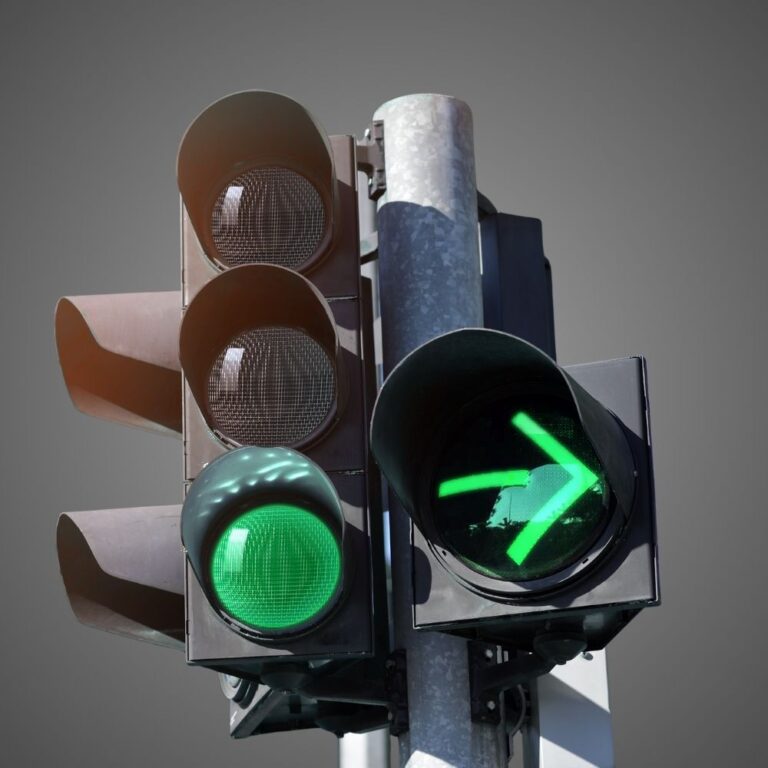
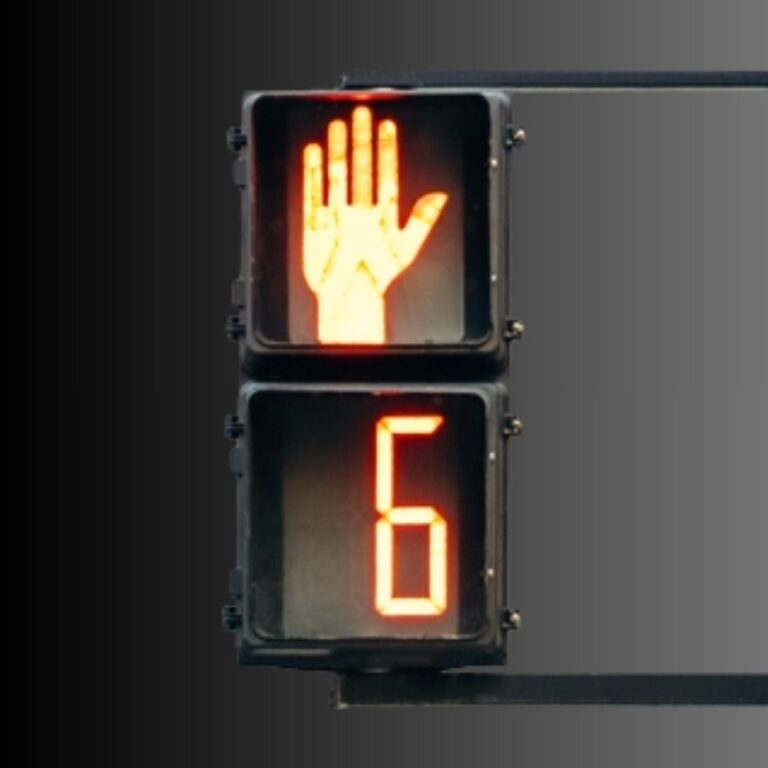
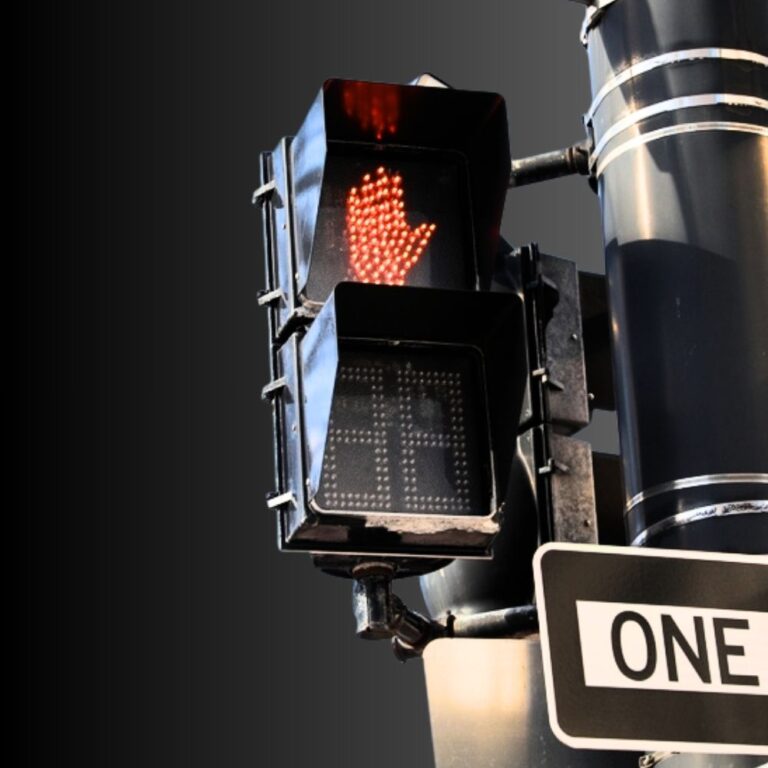
Countdown Signal Module
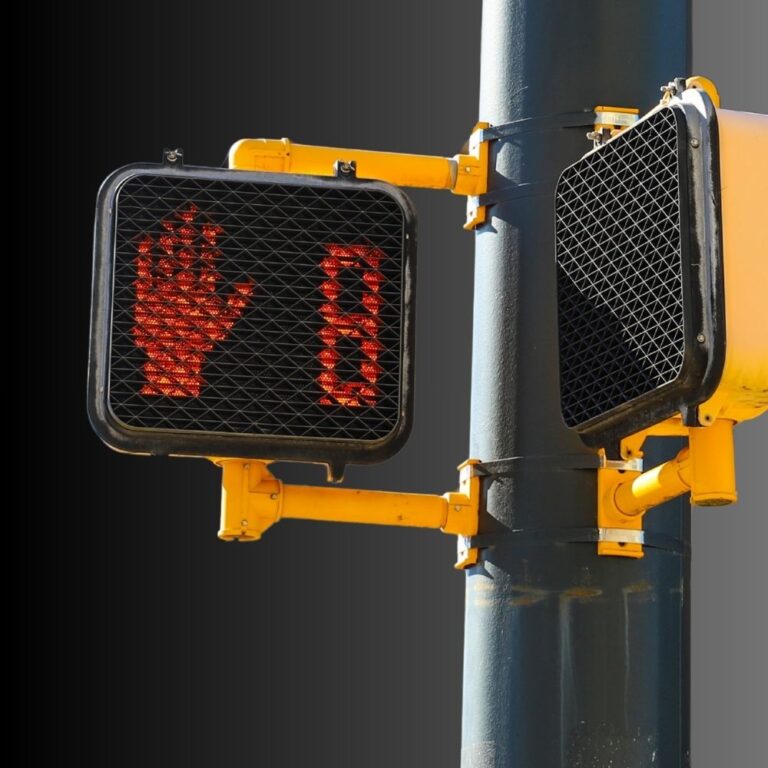
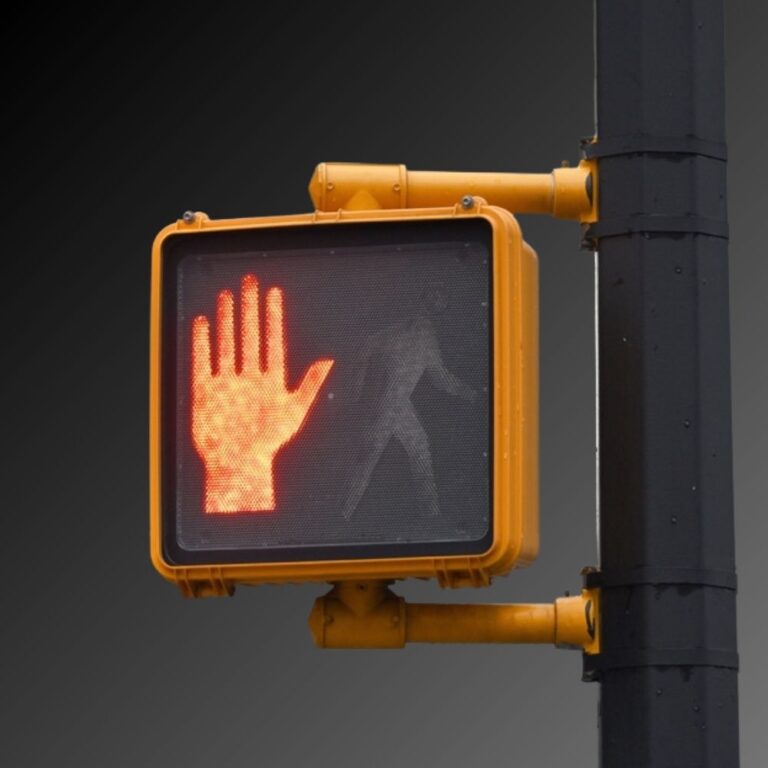
Hand & Person Overlap
Hand & Person Side by Side
External / Plug-and-Play Smart Node (Mounts externally to the fixture)
Integrable lighting products
Internal / Integrated Smart Node (Built directly inside the luminaire)
Integrable lighting products
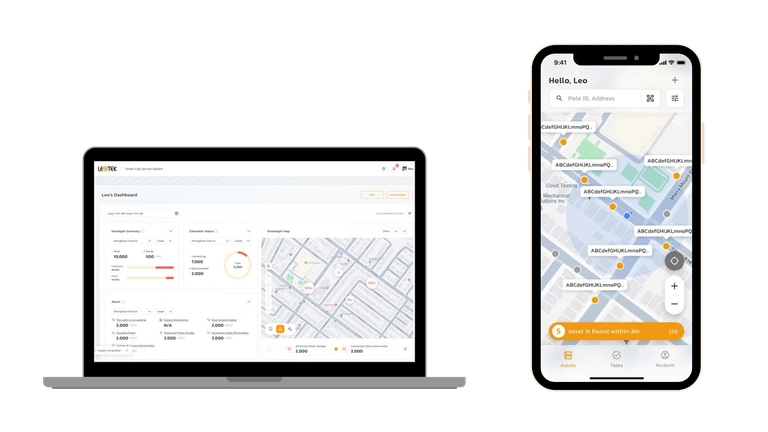
The central AI management system (CMS) of the LEOlink Intelligent Lighting System.
Integrable lighting products
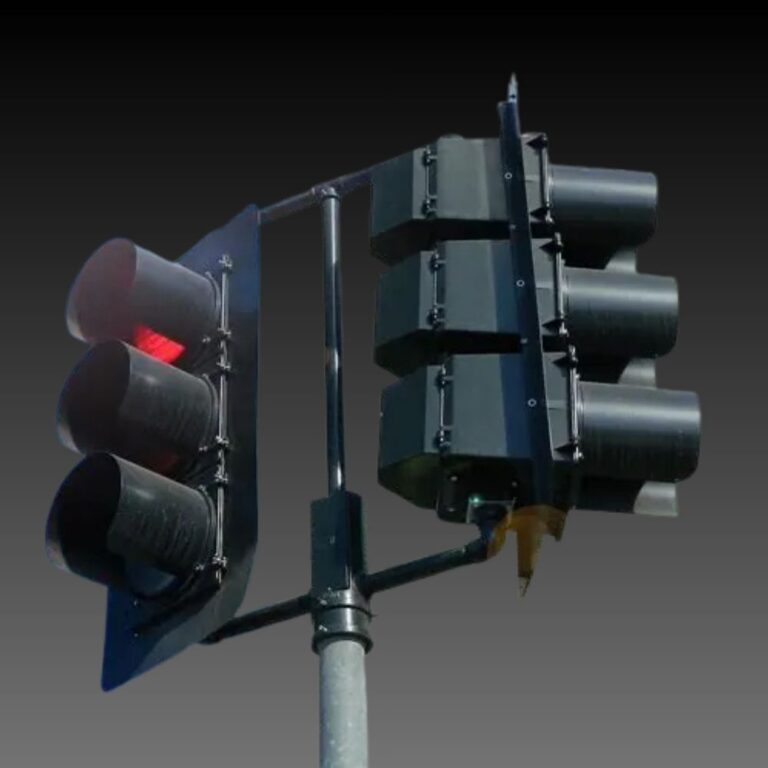
Frontier isn’t just a name—it’s a declaration. Born from the legacy of Dialight’s trusted traffic signal designs and reimagined by LEOTEK’s innovation-driven R&D and product management teams, Frontier stands as a symbol of reliability, evolution, and regional adaptation.
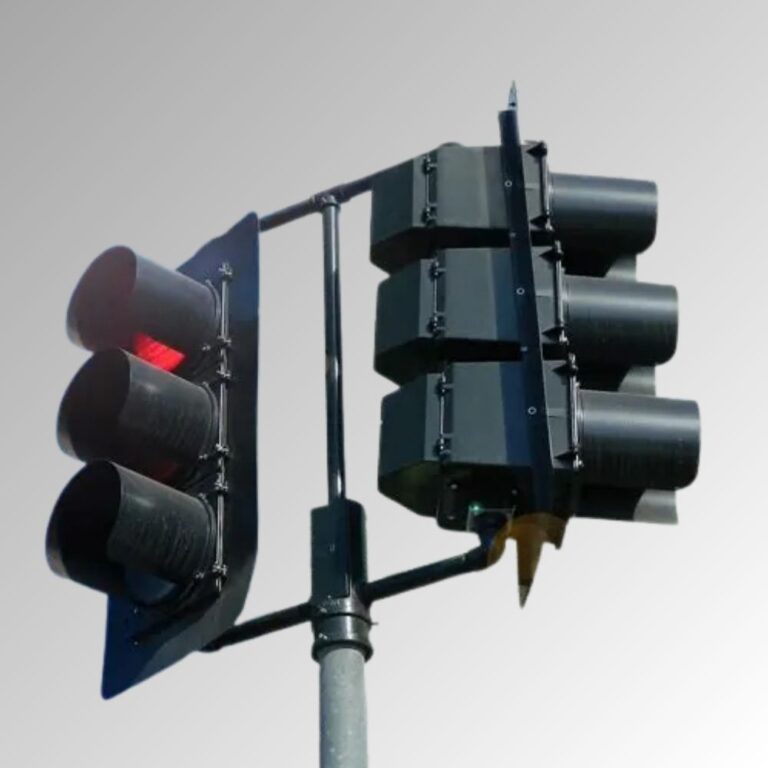
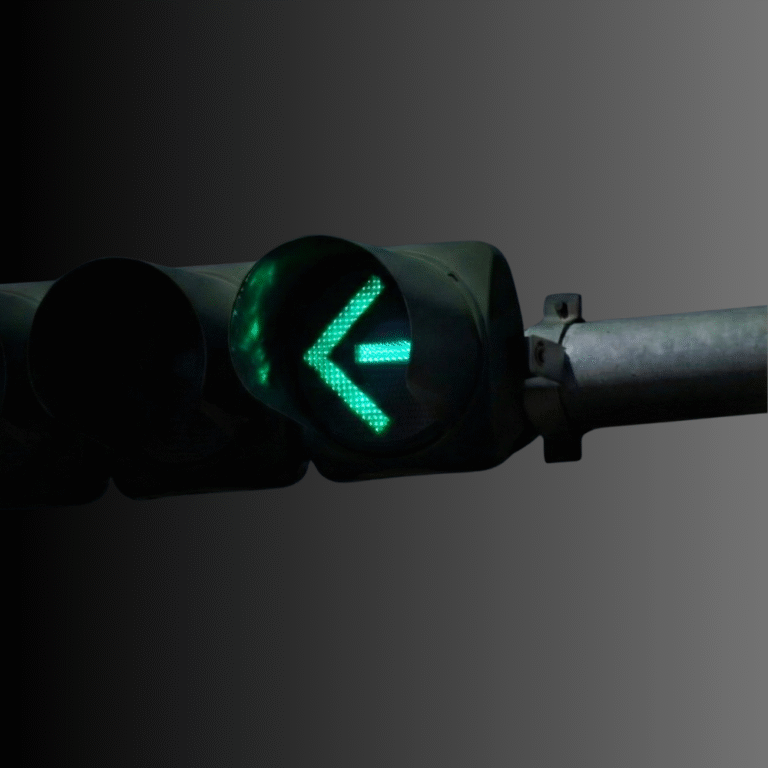
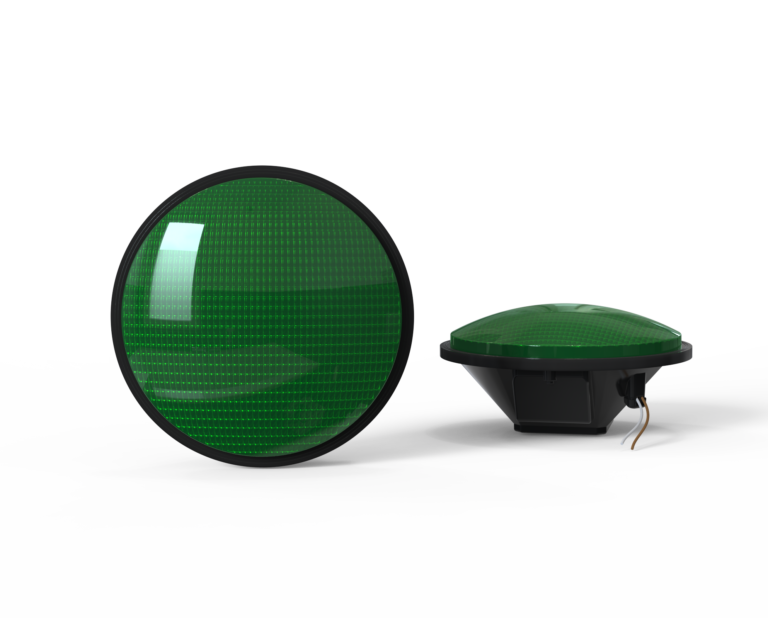
Explore LEOTEK PV Series LED traffic signal modules for ball indications. Review model specifications and download supporting documents for traffic projects.
Explore related applications: Traffic signal applications · All Traffic Signal products
Check our LEOLab pages to find more information.
If you need any service, please feel free to contact us!
PROJECT SUPPORT
Answers to common questions about product selection, installation and procurement.
Compare the intended application and agency specification with the current PV model documents. Verify physical format, color, electrical rating and approval requirements before selecting the module.
The responsible traffic engineer should confirm the required format, visibility and approved signal design. A shared indication color does not by itself establish a suitable substitution.
Confirm clearance, mounting and retention hardware, wiring access and weather sealing against the installation instructions. Provide dimensions and photos when reviewing a replacement.
Review the intended road user, signal position, viewing direction and agency visibility criteria. Evaluate the exact configuration in the installed geometry as part of the approved design and acceptance process.
Match the exact module input rating and termination arrangement to the project supply and cabinet. Use the current PV specification rather than borrowing electrical options from another signal family.
Identify the controller, load-switch and monitoring equipment and test the proposed configuration under the agency acceptance procedure. Retain the model labels, wiring configuration and observed results.
Keep exact ordering codes, indication colors, electrical ratings, housing details and installation locations. Link that information to the approved test record and spare-parts schedule.
Provide the intended application, approved indication format, color, supply, housing and cabinet details, quantities and agency specification. Request current product documents and written warranty terms.
Select compact ball signal modules around the intended indication and approved application. Confirm that the exact PV configuration fits the signal design, housing and electrical system.
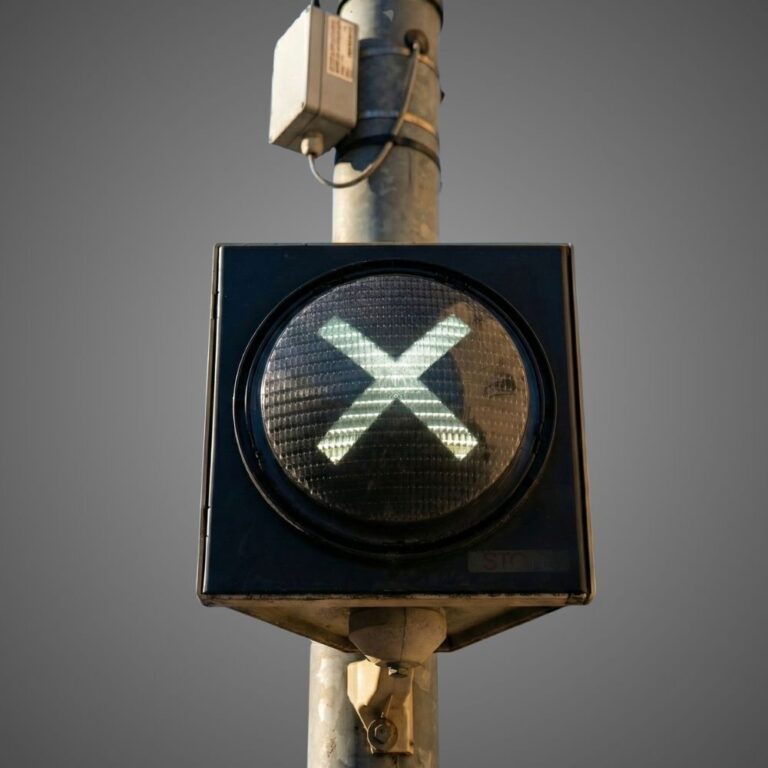
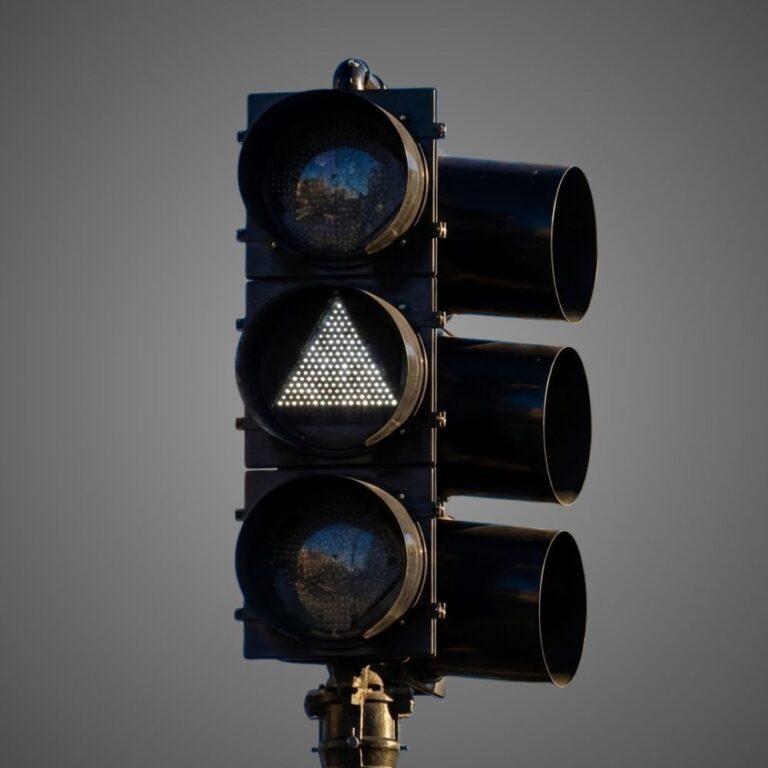
The cataloged PV product is a ball-indication module. Confirm the physical format, color, electrical rating and ordering details from the current model specification for the intended application.
Check mounting, housing clearance, wiring, sealing and cabinet supply. Review the proposed module with the switching and monitoring equipment used by the project.
Use the agency acceptance procedure to evaluate the required indication, viewing conditions and cabinet behavior. Have the responsible engineer confirm suitability for the intended signal position.
Create a schedule of exact model numbers and required indications, electrical variants, quantities and spare units. Obtain current specifications, installation instructions, applicable approval documentation and written warranty terms. Record the installed configurations so maintenance teams can select the correct replacement.