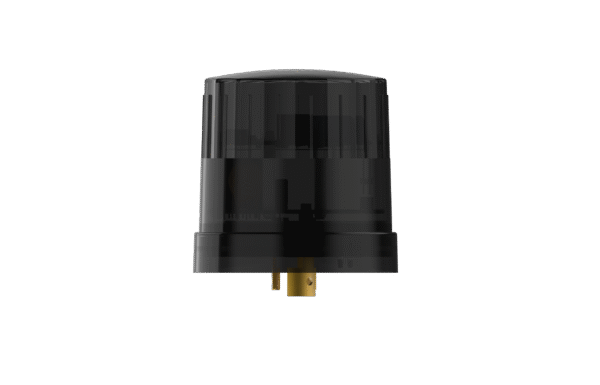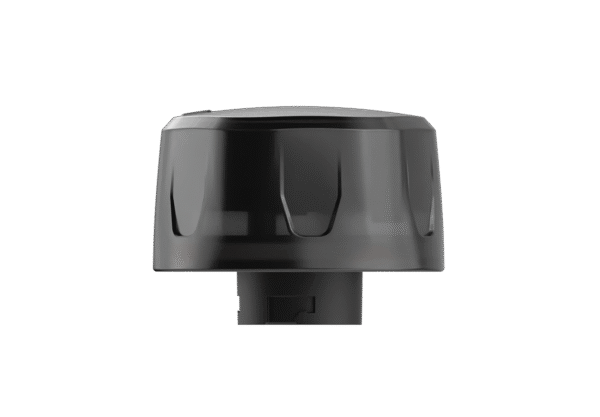
BABA and Buy American Act (BAA) compliant configurations are available for select LEOTEK roadway and traffic lighting products.
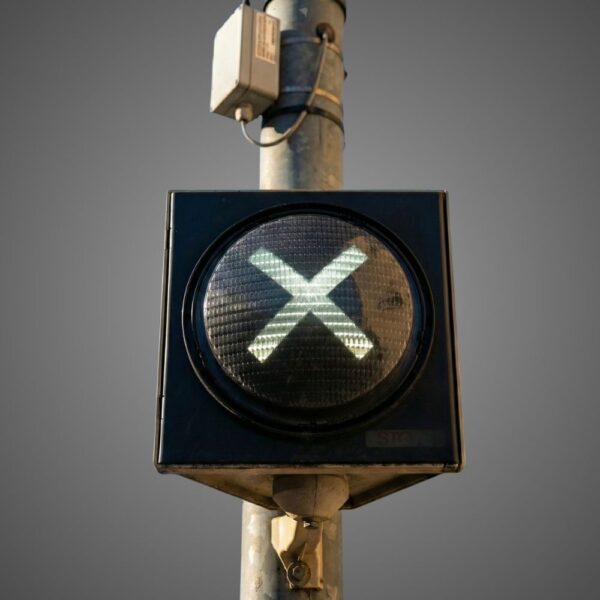
Countdown Signal Module
Hand & Person Overlap
Hand & Person Side by Side
External / Plug-and-Play Smart Node (Mounts externally to the fixture)
Integrable lighting products
Internal / Integrated Smart Node (Built directly inside the luminaire)
Integrable lighting products
The central AI management system (CMS) of the LEOlink Intelligent Lighting System.
Integrable lighting products
Frontier isn’t just a name—it’s a declaration. Born from the legacy of Dialight’s trusted traffic signal designs and reimagined by LEOTEK’s innovation-driven R&D and product management teams, Frontier stands as a symbol of reliability, evolution, and regional adaptation.
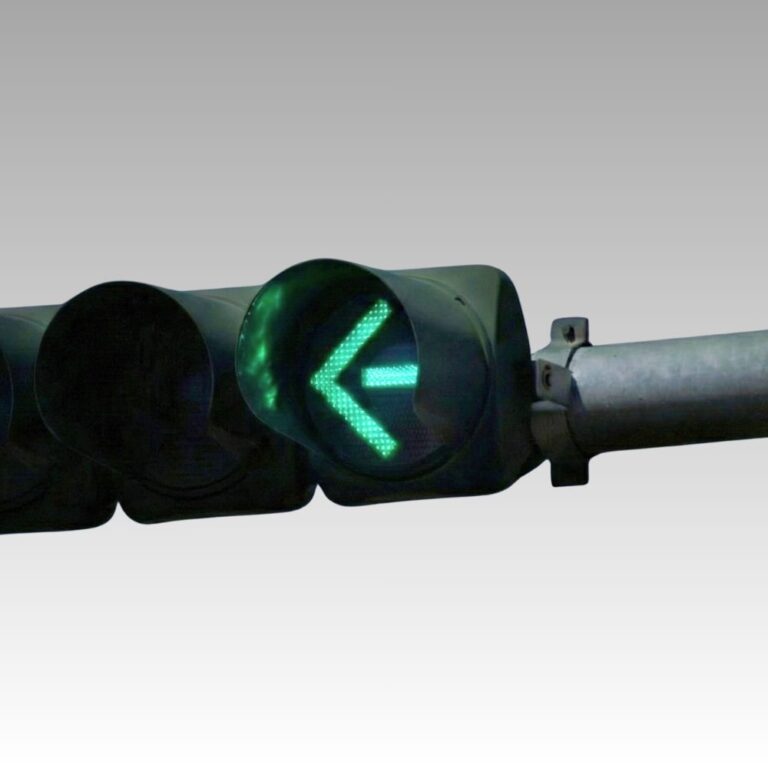
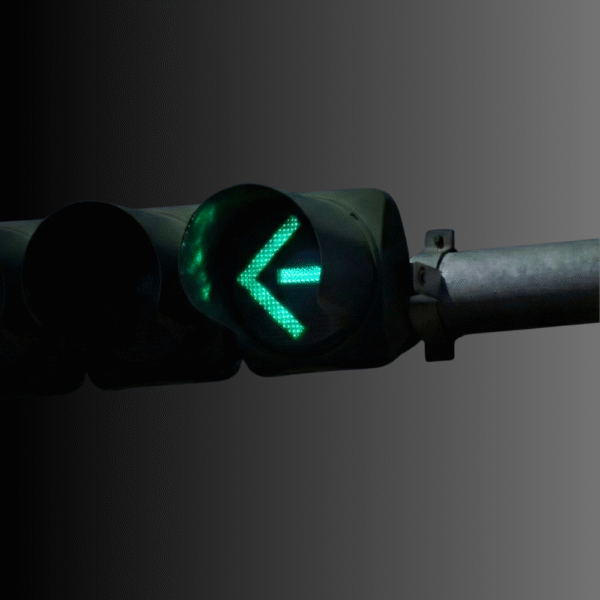
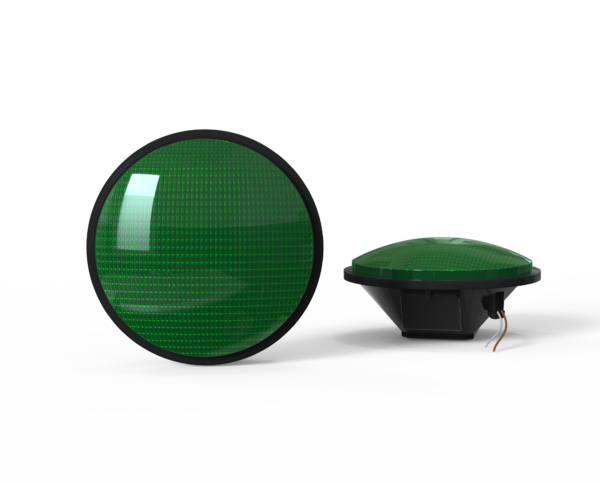
Explore LEOTEK LD Series traffic signal modules for bi-modal arrow indications. Review model specifications and product documents for traffic signaling.
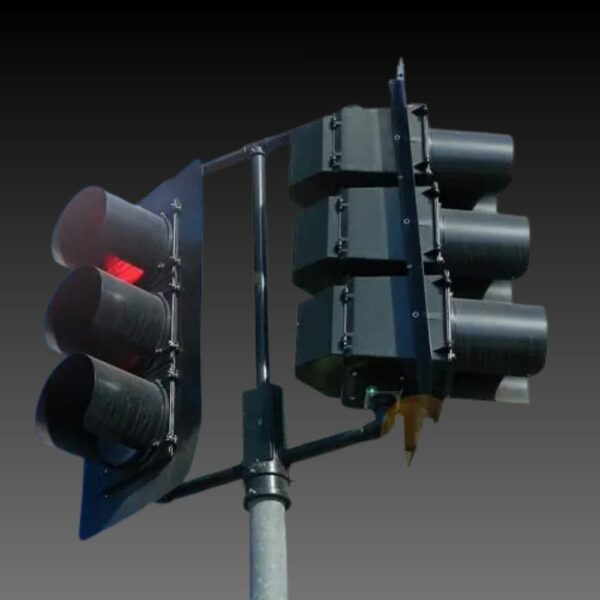
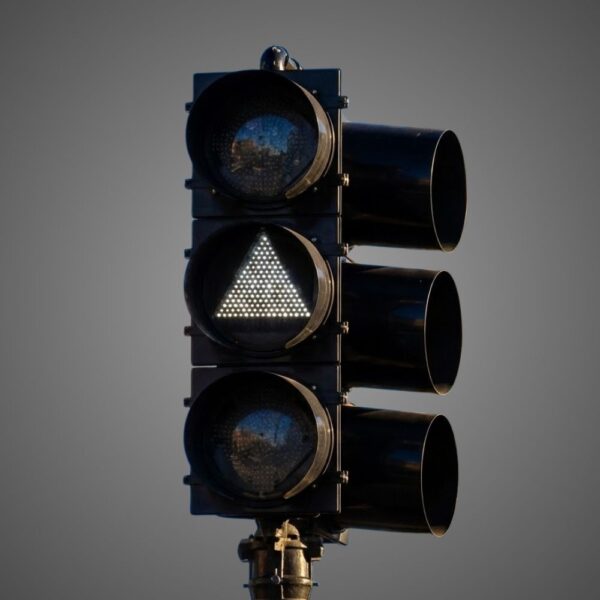
Explore related applications: Traffic signal applications · All Traffic Signal products
Check our LEOLab pages to find more information.
If you need any service, please feel free to contact us!
PROJECT SUPPORT
Answers to common questions about product selection, installation and procurement.
LD provides two specified arrow modes within one 12-inch module. The catalog identifies Yellow/Green and Yellow/Yellow configurations, rather than arbitrary red/yellow/green combinations. TSL-12BM-LD-A1 is the Yellow/Green model; TSL-12YYBM-LD-A1 is the Yellow/Yellow model. Specify the exact indication combination and orientation in the signal plan instead of ordering a generic two-color arrow.
Specifications & documents
LD Series 12” Yellow Green & Yellow Yellow Arrows Traffic Signal Spec Sheet · LD Series Traffic Signal Module – Bi-Modal Arrow
Both listed LD models operate at 80–135Vac. The Yellow/Green table lists 7W for yellow and 6.2W for green; the Yellow/Yellow model lists 6.2W for each mode. Use the actual energized mode and operating duration for energy calculations. Do not add every mode as if continuously illuminated, and do not extend DC ratings from IL6-P3 to this separate LD order table.
Specifications & documents
LD Series 12” Yellow Green & Yellow Yellow Arrows Traffic Signal Spec Sheet
A bi-modal face may suit a specifically designed signal arrangement, but it is not an automatic two-face consolidation. LD changes how the indications are presented within a 12-inch opening, while controller outputs, wiring, arrow orientation and the approved signal sequence still have to match. Keep the indication and circuit drawing with the exact LD model; approval of another arrow module does not approve the revised arrangement.
Specifications & documents
LD Series 12” Yellow Green & Yellow Yellow Arrows Traffic Signal Spec Sheet
Further reading
Traffic Signal Approval: ITE, ETL and DOT Lists
The LD sheet identifies a fail-state impedance design, alongside constant-current output. It does not publish a universal compatibility result for every cabinet or monitor. Compare the ordered model and the manufacturer’s installation/wiring information with the actual cabinet acceptance procedure. Verify the energized, de-energized and monitored states without treating the feature name as proof that an existing monitoring threshold is correct.
Specifications & documents
LD Series 12” Yellow Green & Yellow Yellow Arrows Traffic Signal Spec Sheet
The published LD table gives response under 75ms and turn-off voltage above 35Vac, with THD below 20%. During the agency’s test, record the commanded modes, transitions, off-state behavior and monitor response for the actual circuit. Retain the accepted model and orientation so future replacements reproduce the same indication. Those module characteristics should be checked against the controller implementation, not used to invent a new timing sequence.
Specifications & documents
LD Series 12” Yellow Green & Yellow Yellow Arrows Traffic Signal Spec Sheet
LD uses complete O-ring sealing, a hard-coated UV-stabilized polycarbonate lens and a constant-current source. The published operating range is −40°C to +74°C. Maintain the complete housing seal and installed termination according to the installation information. A weather-resistant module does not make an incorrectly sealed signal head or damaged cable entry weatherproof.
Specifications & documents
LD Series 12” Yellow Green & Yellow Yellow Arrows Traffic Signal Spec Sheet
The LD sheet lists a five-year limited warranty and 70% initial intensity after 100,000 operating hours. The latter is a light-output claim, not a 100,000-hour full-system warranty or a guaranteed maintenance-free interval. Keep warranty terms, failure records and maintenance costs separate in lifecycle comparisons, especially where field visits and traffic control cost more than the module itself.
Specifications & documents
LD Series 12” Yellow Green & Yellow Yellow Arrows Traffic Signal Spec Sheet
Further reading
Long-Life LED Traffic Signals: Replacement Cost and ROI
Identify Yellow/Green versus Yellow/Yellow, exact model, orientation, 12-inch housing, 80–135Vac circuit and termination. The LD table lists ITE 2007 for the Yellow/Green entry and a different FHWA reference for Yellow/Yellow; retain the matching approval evidence. A common shelf label such as “12-inch arrow” omits the details that distinguish a correct bi-modal replacement.
Specifications & documents
LD Series 12” Yellow Green & Yellow Yellow Arrows Traffic Signal Spec Sheet · LD Series Traffic Signal Module – Bi-Modal Arrow
Further reading
Traffic Signal Approval: ITE, ETL and DOT Lists
Specify bi-modal arrow modules around the exact indication combination and approved cabinet operation. Validate the wiring and control sequence for the proposed LD configuration.
The cataloged LD family includes bi-modal arrow configurations. Confirm the exact color combination, lens format, electrical rating and ordering code required by the approved design.
Review the signal-head interface, termination details, supply and cabinet wiring using the model-specific instructions. Document how the proposed indication combination is controlled and monitored.
Test each required indication state and the approved transition sequence under the agency acceptance procedure. Include the project-required cabinet monitoring and special operating conditions.
Create a schedule of exact model numbers and required indications, electrical variants, quantities and spare units. Obtain current specifications, installation instructions, applicable approval documentation and written warranty terms. Record the installed configurations so maintenance teams can select the correct replacement.