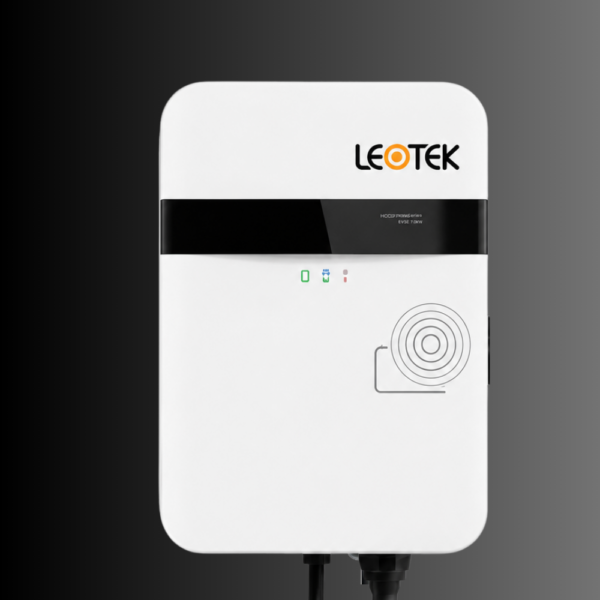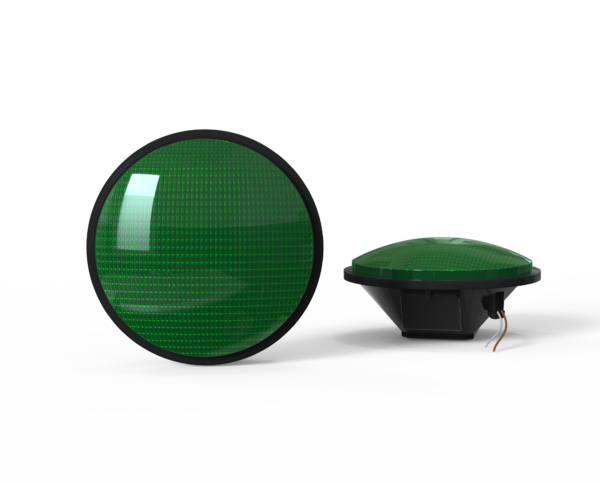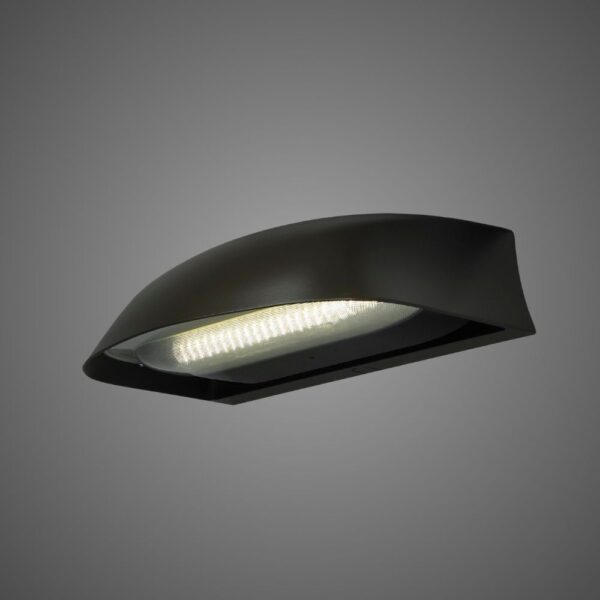
BABA and Buy American Act (BAA) compliant configurations are available for select LEOTEK roadway and traffic lighting products.
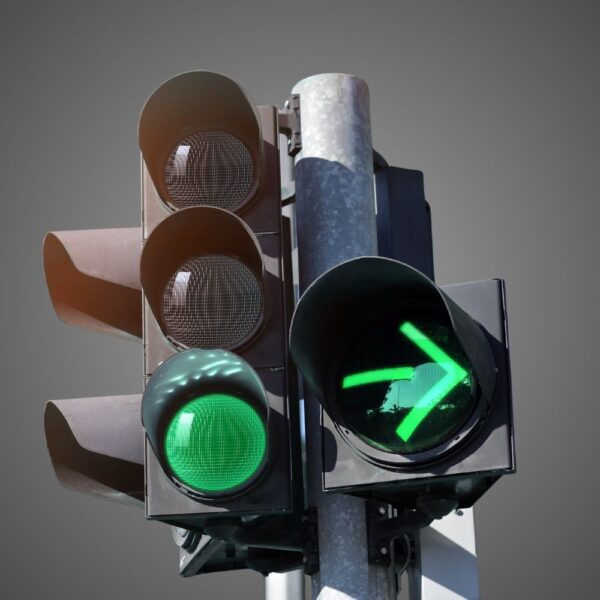
Countdown Signal Module
Hand & Person Overlap
Hand & Person Side by Side
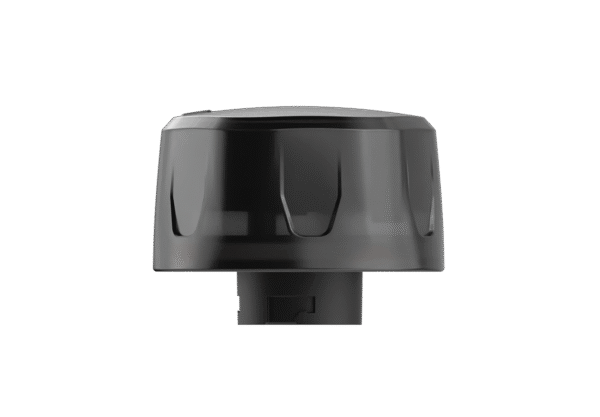
External / Plug-and-Play Smart Node (Mounts externally to the fixture)
Integrable lighting products
Internal / Integrated Smart Node (Built directly inside the luminaire)
Integrable lighting products
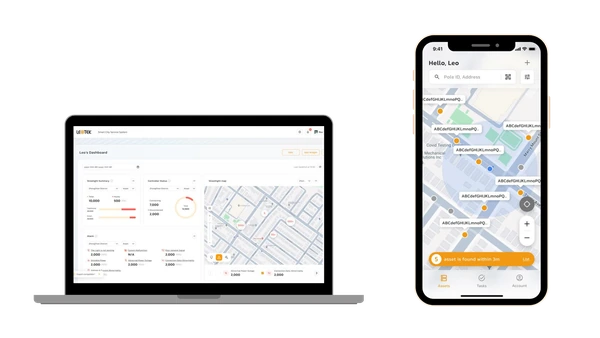
The central AI management system (CMS) of the LEOlink Intelligent Lighting System.
Integrable lighting products
Frontier isn’t just a name—it’s a declaration. Born from the legacy of Dialight’s trusted traffic signal designs and reimagined by LEOTEK’s innovation-driven R&D and product management teams, Frontier stands as a symbol of reliability, evolution, and regional adaptation.
Compare LEOTEK SPC Series pedestrian and countdown signal modules. Review model specifications, switch options and product documents for pedestrian projects.
Explore related applications: Pedestrian signal applications · All Pedestrian Signal products
Check our LEOLab pages to find more information.
If you need any service, please feel free to contact us!
PROJECT SUPPORT
Answers to common questions about product selection, installation and procurement.
SPC is a 16 × 18-inch combined hand/person/countdown family, with separate 80–135Vac, 10–28Vdc and 36–60Vdc options published in Resources. Select by the existing module label and measured cabinet supply; these are separate versions, not one universal-input unit. Include the voltage-specific order code on each bid and spare-stock line so an AC face cannot be substituted for a matching-size DC face.
Specifications & documents
SPC series 16 with18 pedestrian countdown signal module
Further reading
16-Inch Pedestrian Signal Modules: Size and Display Guide
The published AC sheet describes SW as a toggle that enables or disables the countdown digits. DS provides accessible DIP switches for user-selectable options. They are not the same feature. The sheet does not enumerate every DS setting, so the required sequence must be matched to the corresponding installation instructions. Choose the switch version by its documented function, rather than assuming either switch gives arbitrary controller timing adjustment.
| Configuration | Documented function and record to retain |
|---|---|
| Standard | Select the exact non-switch model and its matching supply-specific documentation. Do not assign SW or DS behavior to it. |
| SW toggle | The AC sheet describes enabling/disabling countdown digits. Record the selected position and verify the resulting visual operation. |
| DS DIP switch | The AC sheet describes user-selectable options but does not enumerate all switch positions. Retain the exact installation-guide revision and the approved position/function record. |
Example order record: an approved 80–135Vac combined hand/person/countdown application requiring local countdown enable/disable should identify the appropriate SW model and tested toggle setting. A project needing a different selectable behavior needs the corresponding DS instructions and confirmed order code. The switch suffix does not change an AC unit into a DC unit or establish the controller timing.
Specifications & documents
SPC series 16 with18 pedestrian countdown signal module · SPC series 16″ x 18 pedestrian countdown signal module with dip switch
Further reading
16-Inch Pedestrian Signal Modules: Size and Display Guide
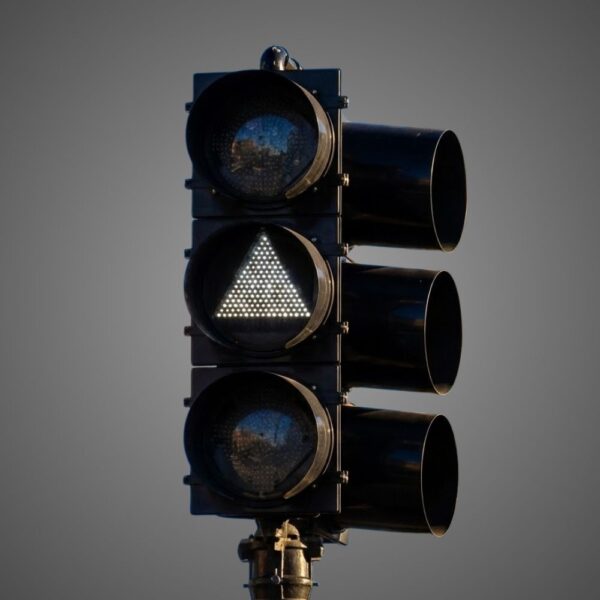
SPC combines a Lunar White walking person, Portland Orange hand and countdown digits in one 16 × 18-inch module; its published digit height is 9 inches. CD provides countdown digits only, and HM provides overlapping hand/person symbols without a countdown. A conversion to SPC therefore changes the face arrangement as well as the module. Check the signal housing and approved indication layout before consolidating separate displays.
Specifications & documents
SPC series 16 with18 pedestrian countdown signal module · CD Series 12″ x 12″ Countdown Signal Module
Further reading
16-Inch Pedestrian Signal Modules: Size and Display Guide
For the AC SPC version, the sheet lists power factor above 0.90, THD below 20%, switching response under 75ms and an internal conflict monitor intended to prevent simultaneous WALK and DON’T WALK indications. It also describes hand/person monitoring for up to eight modules in parallel. Those features support cabinet review; they do not establish interchangeable operation with every controller, load switch or external conflict monitor.
Specifications & documents
SPC series 16 with18 pedestrian countdown signal module
Use the actual controller, cabinet and selected SPC switch version. Record the WALK, flashing hand, steady hand and countdown sequence, including the agency’s required preemption and recovery tests. The published module is described as preemption compatible, but that does not document the behavior of every controller program. Retain the tested settings and module suffix so a replacement or later switch adjustment reproduces the accepted operation.
| Check | Record for the actual installed configuration |
|---|---|
| Identity and fit | Intersection/crosswalk ID, full model and supply suffix, measured supply, head dimensions, mounting, termination and installed switch positions. |
| Normal sequence | Approved WALK, flashing-hand and steady-hand sequence; expected countdown behavior and observed result for each state. Record pass/fail and the test date. |
| Switch function | For SW, verify countdown enable/disable against the instructions. For DS, check each required function against the exact guide revision; retain a position record. |
| Exceptional operation | Where required by the agency, test preemption and recovery, power restoration and other specified controller modes. Compare observed behavior with the approved test requirement. |
| Separate APS scope | If audible/vibrotactile equipment is included, retain its separate configuration and interaction test. SPC visual indications alone do not supply those functions. |
| Closeout | Controller/configuration revision, results, exceptions, corrective action, responsible reviewer and the accepted replacement/spare code. |
This is an example record structure, not a universal timing plan or a substitute for manufacturer wiring instructions. The responsible agency defines the required sequence, tests and acceptance limits; the field record demonstrates whether the selected combination met those requirements.
Specifications & documents
SPC series 16 with18 pedestrian countdown signal module
Further reading
Pedestrian Countdown Displays and Accessible Pedestrian Signals
SPC supplies visual hand/person/countdown indications. The published module specification does not establish a complete audible, vibrotactile or pushbutton accessibility system. Treat those functions as separately specified intersection equipment and verify their interaction with the visual sequence. Choosing the correct SPC face is one component decision; it does not establish accessibility of the entire crossing.
Specifications & documents
SPC series 16 with18 pedestrian countdown signal module
Further reading
Pedestrian Countdown Displays and Accessible Pedestrian Signals
The SPC sheet lists a five-year limited warranty and an LED intensity-maintenance claim of 70% at 100,000 operating hours. These describe different things: a light-output claim is not a 100,000-hour warranty for the full signal system. Use the written signal warranty for claims and maintain records of order code, installation and defects. DT’s 15-year terms do not apply to SPC merely because both are LEOTEK signals.
Specifications & documents
SPC series 16 with18 pedestrian countdown signal module
Further reading
Long-Life LED Traffic Signals: Replacement Cost and ROI
The AC sheet lists 8.3W for the hand, 8.9W for the person and 5.1W for the countdown. Use the actual energized sequence and duration rather than adding every indication as if continuously on. For spares, record supply variant, switch suffix, face size, termination and installed model. This supports both a realistic operating-cost comparison and correct replacement procurement.
Specifications & documents
SPC series 16 with18 pedestrian countdown signal module
Further reading
Long-Life LED Traffic Signals: Replacement Cost and ROI
Choose pedestrian and countdown modules around the intersection’s electrical system, indication requirements and operating sequence. A successful retrofit starts with the exact model and cabinet configuration, then confirms installation and operation before a wider rollout.
The SPC family combines walking person, upraised hand and countdown indications in a 16 × 18-inch format. Published configurations include 80–135 Vac, 10–28 Vdc and 36–60 Vdc inputs, with switch-equipped and non-switch variants. These are separate ordering configurations; one module should not be assumed to accept every listed voltage. Use the model-specific sheet to confirm the input, indication layout and switch arrangement.
Record the existing module number, supply voltage, signal head dimensions, mounting arrangement, connector and wiring. For switch-equipped models, match the available settings to the approved operating sequence and installation instructions. Check countdown behavior during normal service and the agency’s required test conditions. A matching face size alone does not establish electrical or controller compatibility.
Include a representative intersection test before committing to a fleetwide replacement. Record controller and cabinet models, module configuration and observed indications. Build a spare-parts list using exact model numbers and voltage variants, and document the replacement procedure so maintenance teams can identify the correct unit quickly.
Request the current specification, installation instructions, applicable test or listing documentation and written signal-product warranty for each proposed model. Include quantities by voltage and switch configuration, delivery phases, spare units and agency acceptance requirements. Evaluate purchase price together with installation labor, traffic control, maintenance visits and expected replacement intervals. Confirm project-specific domestic-content documentation when the solicitation requires it.