



BABA and Buy American Act (BAA) compliant configurations are available for select LEOTEK roadway and traffic lighting products.

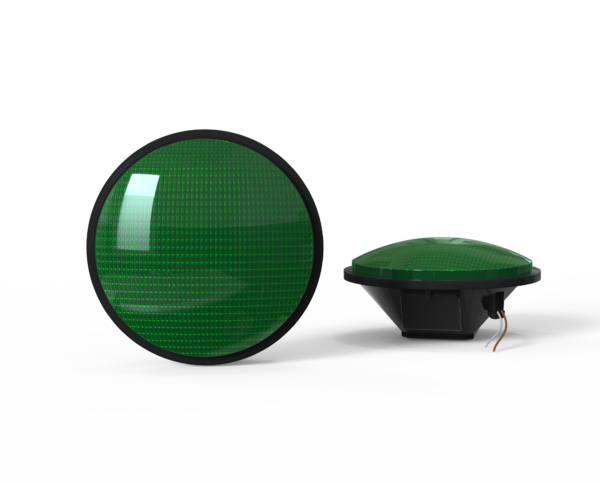
Countdown Signal Module
Hand & Person Overlap
Hand & Person Side by Side
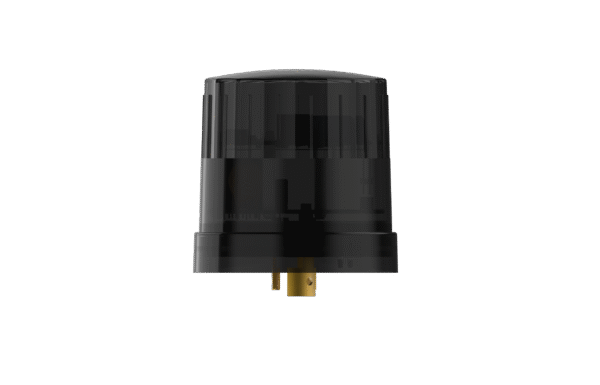
External / Plug-and-Play Smart Node (Mounts externally to the fixture)
Integrable lighting products
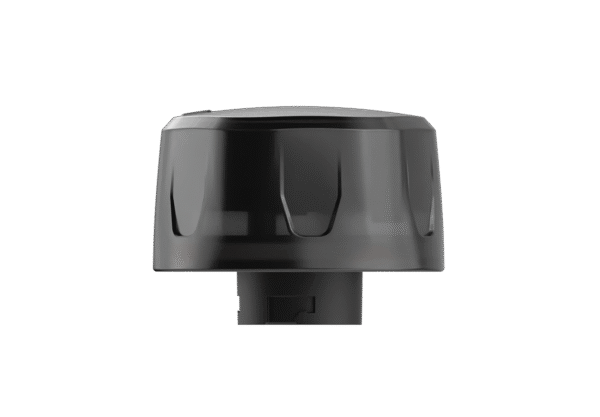
Internal / Integrated Smart Node (Built directly inside the luminaire)
Integrable lighting products
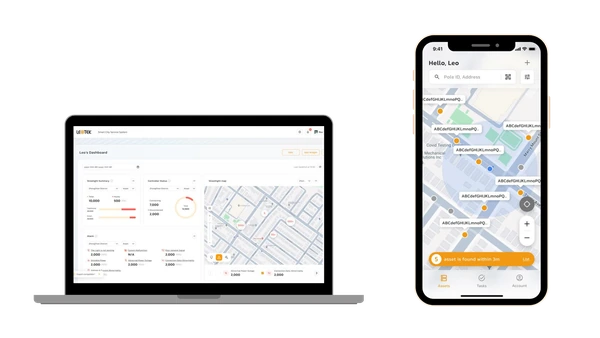
The central AI management system (CMS) of the LEOlink Intelligent Lighting System.
Integrable lighting products
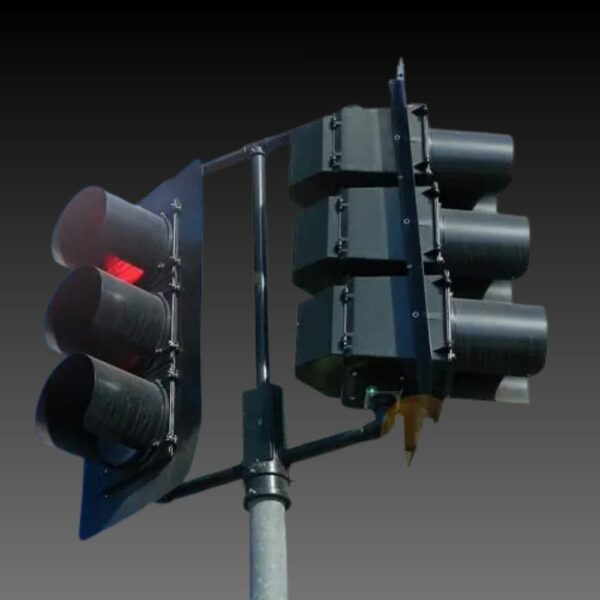
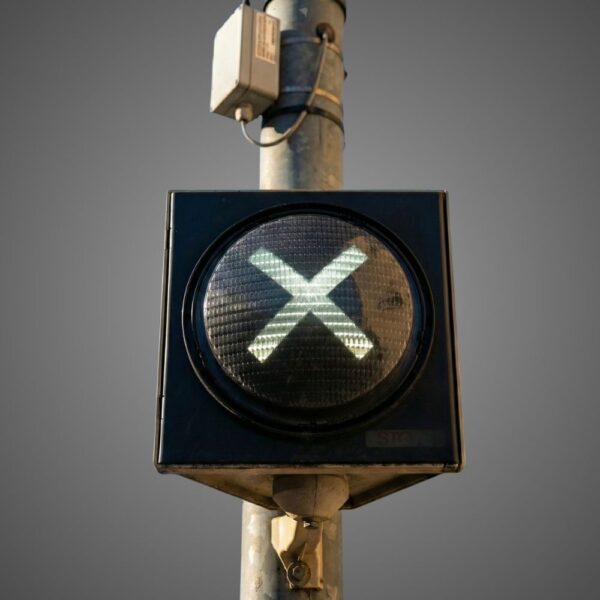
Frontier isn’t just a name—it’s a declaration. Born from the legacy of Dialight’s trusted traffic signal designs and reimagined by LEOTEK’s innovation-driven R&D and product management teams, Frontier stands as a symbol of reliability, evolution, and regional adaptation.
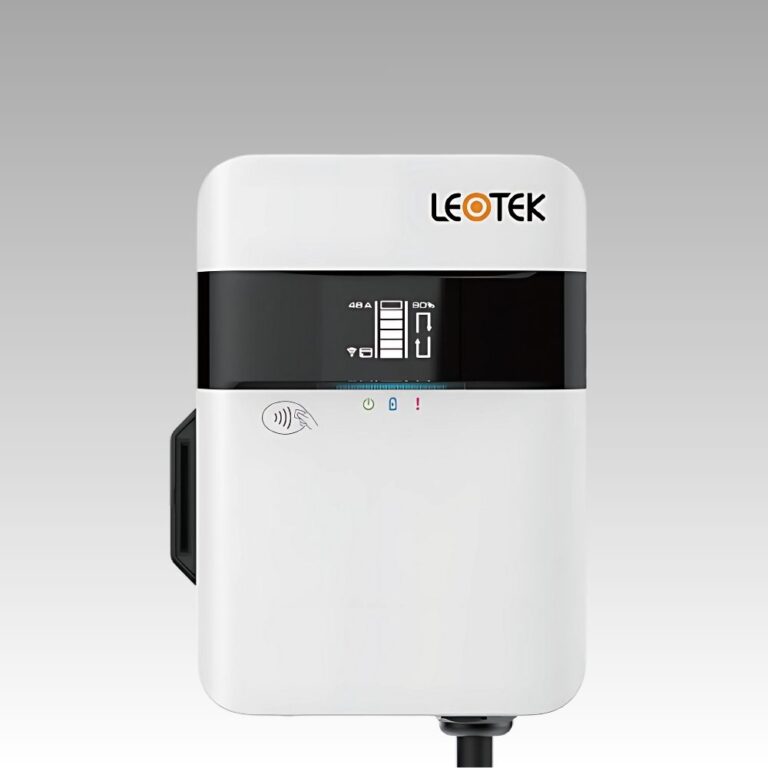
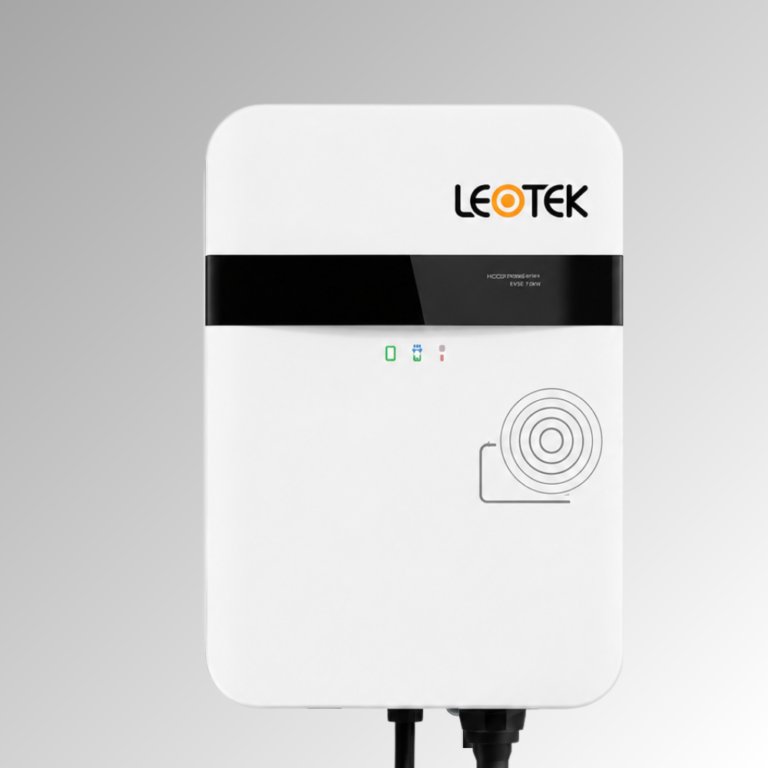
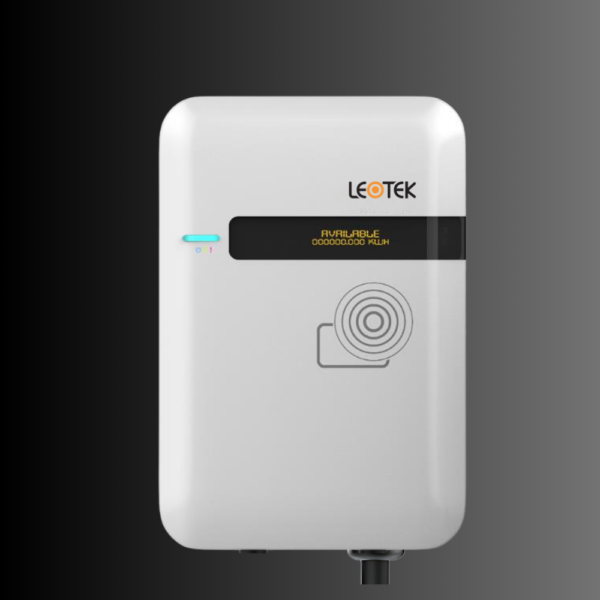
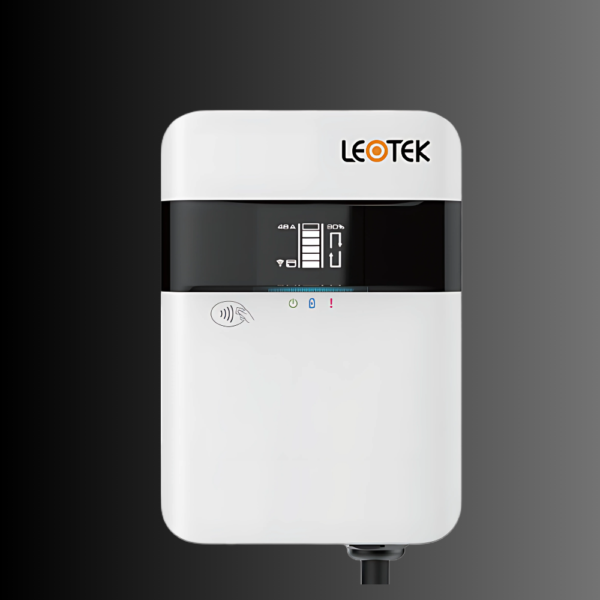
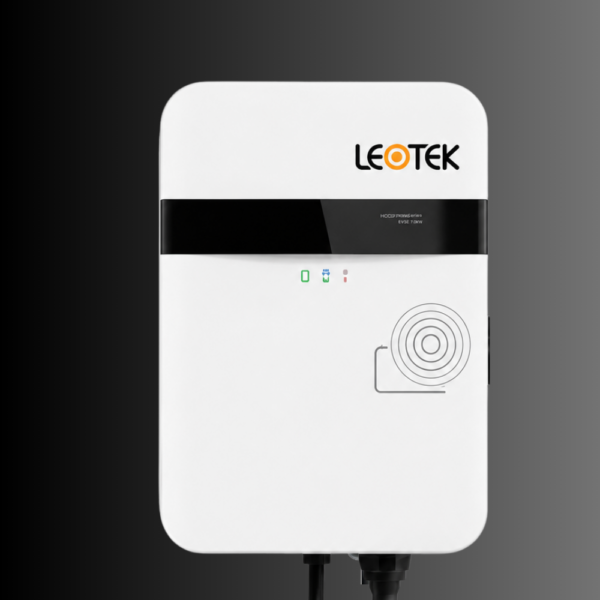
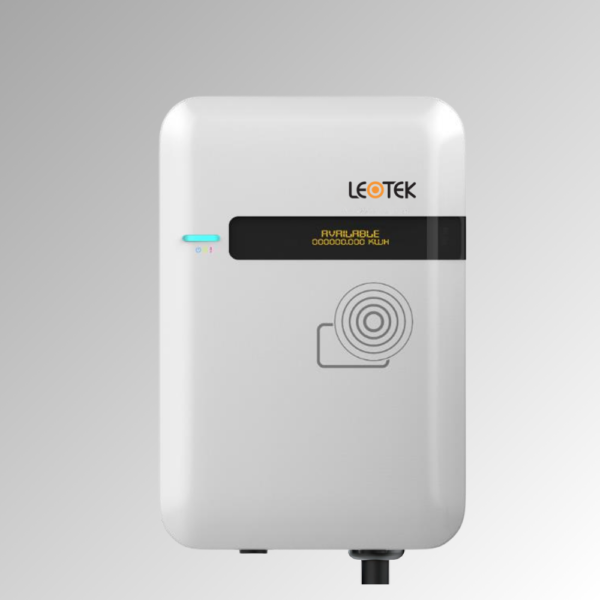
Compare LEOTEK EVL2 Level 2 EV charger models. Review product specifications and downloads, and explore EV charging applications within energy infrastructure.
Explore related applications: EV charging applications
Check our LEOLab pages to find more information.
If you need any service, please feel free to contact us!
PROJECT SUPPORT
Answers to common questions about product selection, installation and procurement.
40A1 is the compact 40A/9.6kW platform with J1772 and Wi-Fi/Ethernet. The larger 32/40/48A platform reaches 11.5kW; Gen2 80A reaches 19.2kW at 240V. Choose against available electrical capacity, parking dwell time and the vehicle’s onboard AC charger. The 48A/80A S and ADV ordering choices provide different access/network/payment functions; a higher current rating alone does not define the right site configuration.
Specifications & documents
EVL2 Seris –9.6kW (40A max.) · EVL2 Series – 11.5kW (48A max.) · EVL2 Seires–19.2kW (80A max.)
Further reading
EV Charging Demand Charges: Peak Costs and Site Operation
No. 19.2kW is the nominal 240V × 80A AC rating. The vehicle’s onboard charger, supply voltage, configured current limit and operating conditions can impose lower power. A vehicle limited to a lower AC intake cannot use the full 80A rating. Compare expected energy needed during the parking period with the actual vehicle fleet instead of presenting the charger’s maximum rating as a guaranteed charging speed.
Specifications & documents
EVL2 Seires–19.2kW (80A max.)
No. At the same current limit, ideal AC input power is voltage × current. At 48A, that is approximately 9.98kW on 208V versus 11.52kW on 240V; at 80A, 16.64kW versus 19.2kW. These are calculated electrical values before losses and vehicle limitations. The EVL2 sheets list 208/240V single-phase input, so quotation and charging-capacity estimates should identify the actual site supply.
Specifications & documents
EVL2 Series – 11.5kW (48A max.) · EVL2 Seires–19.2kW (80A max.)
The 40A1 order table lists J1772 with a 25-foot cable. The 48A and 80A tables list J1772 at 18 or 25 feet, and NACS at 25 feet. Select the orderable connector configuration; accessory cable listings alone do not establish every factory combination. Review inlet positions and cable reach across representative parked vehicles, while keeping cables clear of pedestrian routes and protecting the equipment with suitable site accessories.
Specifications & documents
EVL2 Seris –9.6kW (40A max.) · EVL2 Series – 11.5kW (48A max.) · EVL2 Seires–19.2kW (80A max.)
No. On 48A/80A, S is the basic Wi-Fi/Ethernet, no-display ordering option. ADV adds the specified display and access features; WEL is the LTE communication choice, and POS is the payment-enabled option. LPOS is the ADV RFID configuration without POS. The 40A1 has its own ordering table and must not inherit the larger models’ ADV/POS promises. Payment deployment also needs supported processor and merchant provisioning.
Specifications & documents
EVL2 Seris –9.6kW (40A max.) · EVL2 Series – 11.5kW (48A max.) · EVL2 Seires–19.2kW (80A max.)
OCPP 1.6J is the default protocol. The 48A/80A sheets list an OCPP 2.0.1 upgrade and put ISO 15118 in the ADV ordering configuration; 40A1 documents OCPP 1.6J. Specify the required protocol/version and backend before ordering. A protocol capability does not establish that every charging-network feature or Plug & Charge workflow is activated and supported by the chosen vehicle and service.
Specifications & documents
EVL2 Seris –9.6kW (40A max.) · EVL2 Series – 11.5kW (48A max.) · EVL2 Seires–19.2kW (80A max.)
The 48A/80A sheets distinguish standard non-POS NEMA 4 from integrated-POS NEMA 3R; the housing is listed IK10. Specify the actual enclosure option for the installation environment. For 80A, operation between 50°C and 55°C is derated to a maximum 60A, so full 80A power must not be promised across that interval. Check the exact configuration and site conditions before approving a thermal-capacity estimate.
Specifications & documents
EVL2 Series – 11.5kW (48A max.) · EVL2 Seires–19.2kW (80A max.)
A dual pedestal requires a second charger ordered separately; it is not a two-charger bundle by itself. Budget chargers, pedestals, foundations, cable management, protection and installation, plus the selected backend/service plan. AmpUp Core/Pro terms are listed separately and include renewal conditions. Capacity management should be specified and tested with the chosen backend; the hardware sheets alone do not prove that a service upgrade can be avoided.
Specifications & documents
EVL2 Seris –9.6kW (40A max.) · EVL2 Series – 11.5kW (48A max.) · EVL2 Seires–19.2kW (80A max.)
Further reading
EV Charging Demand Charges: Peak Costs and Site Operation
The sheets specify a three-year limited warranty on electrical components excluding the charging cable. Include cable inspection, network onboarding, authorized access, session/energy reporting and payment tests for any POS configuration in commissioning. Document the charger order code, configured current, connector, firmware/backend protocol and service owner. Separate equipment warranty, backend subscription and merchant-support responsibilities so an operating issue reaches the correct support path.
Specifications & documents
EVL2 Seris –9.6kW (40A max.) · EVL2 Series – 11.5kW (48A max.) · EVL2 Seires–19.2kW (80A max.)
Select Level 2 charging equipment around vehicle dwell time, site electrical capacity and the operating model. Compare exact EVL2 configurations, then coordinate installation, connectivity and ongoing service.
Document vehicle types, arrival and departure patterns, expected energy demand and charger utilization. Compare the exact EVL2 configurations with the vehicle’s AC charging capability and the site electrical capacity.
Have the project electrical designer confirm service and panel capacity, circuits and the proposed supply. Coordinate parking layout, mounting, cable reach, protection, accessibility requirements and installation details using the current model documents.
Specify who can charge, how access is managed, whether payment is required and which management functions are needed. Confirm the exact hardware, supported backend arrangement, communications and service responsibilities before procurement.
Include charging hardware, electrical work, mounting, networking, commissioning, software, communications, payment services and maintenance. Identify recurring fees and support commitments in the quotation, and obtain model-specific specifications, certifications and written warranty terms.