







TOP BAR

Knowledge & Insights

Discover our latest LED lighting innovations and learn how LEOTEK is lighting the way with sustainable solutions and expert insights.
leotek-streetlight-digital-twin-asset-management-cover
AIOT & Smart City
Mu Yeh

Streetlight Digital Twin: A Practical Guide for Cities

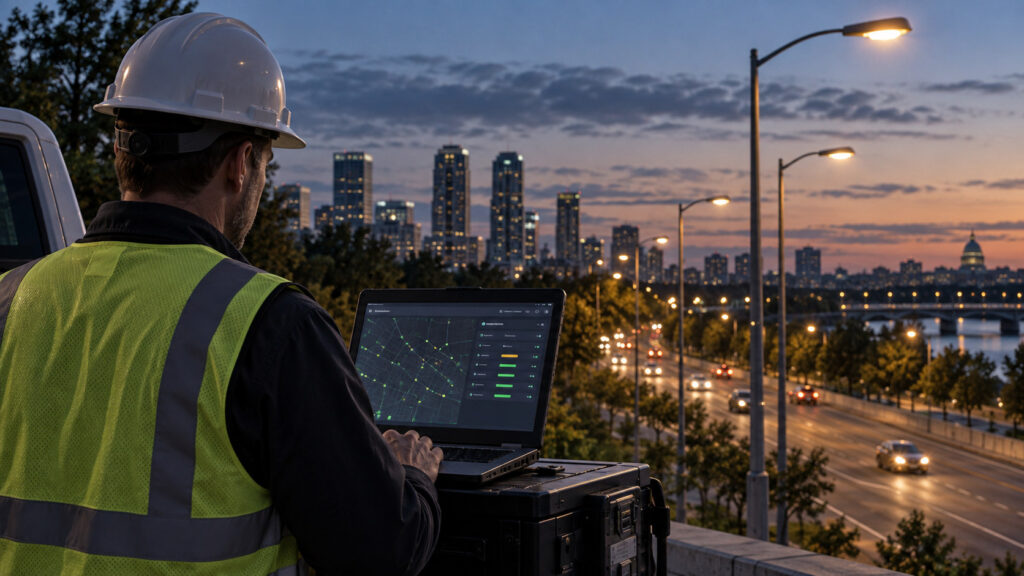
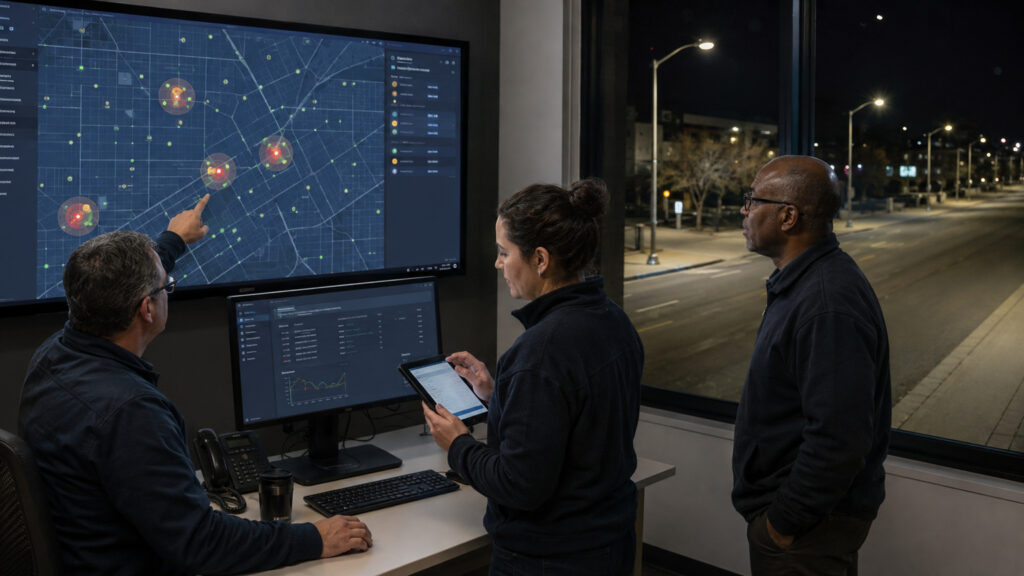
A streetlight digital twin is a structured digital representation of roadway assets and their relationships, maintained from authoritative records and, where appropriate, selected current or historical operating data. It can support better visibility and planning, but its value depends on the quality of the data, the purpose of the model, and the controls around how people use it.

Read More »
leotek-streetlight-cms-architecture-connected-infrastructure-cover
AIOT & Smart City
Johnny

Streetlight CMS Architecture Explained: Nodes, Networks, Gateways and Central Management Systems

A streetlight CMS architecture connects field controllers or nodes to a communications path and a central management system (CMS), where authorized users can view assets, receive status information, and send control actions. A gateway may sit between nodes and the CMS in some designs, but it is not universal: the topology depends on the selected system and communications method.


Read More »
leotek-smart-streetlight-commissioning-top-mounted-node-cover-v2
AIOT & Smart City
Mu Yeh

Validating AI Anomaly Detection for Roadway Assets

AI anomaly detection for streetlights should be validated against a documented baseline and field-confirmed conditions, not judged by the number of alerts a system produces. For a city or transportation agency, the useful question is whether alerts help the operations team find, assess, and resolve defined asset conditions with an acceptable level of error.

Read More »
Smart Streetlight Commissioning Checklist: Node Installation, Testing, Asset Mapping & Handover leotek-smart-streetlight-commissioning-asset-verification-cover
AIOT & Smart City
Tony Pan

Smart Streetlight Commissioning Checklist: Node Installation, Testing, Asset Mapping & Handover

Smart streetlight commissioning is the controlled process of proving that each installed node is correctly identified, located, enrolled, configured, and accepted before operations takes ownership. At program scale, the work succeeds through a repeatable workflow and clear exception records, not by treating every pole as an isolated installation.

Read More »
leotek-smart-streetlight-communications-network-selection-cover
AIOT & Smart City
Tony Pan

NB-IoT vs. LTE-M vs. RF Mesh for Smart Streetlights

No communications option is universally best for smart streetlights. This NB-IoT vs. LTE-M vs. RF mesh comparison helps agencies evaluate coverage, ownership, and procurement conditions: cellular options need verified carrier, device, and service evidence, while mesh needs a validated field-network design and operations plan before procurement.

Read More »
leotek-streetlight-energy-metering-reconciliation-cover
AIOT & Smart City
Johnny

Revenue-Grade vs. Operational Energy Data in Streetlight Ennergy Metering Networks

Streetlight energy metering should be judged by the decision it will support. Revenue-grade data is intended for a billing or settlement decision under the applicable utility, tariff, contract, and measurement requirements; operational data is intended to run, analyze, and maintain a lighting network. A connected system can provide useful operational energy reports without producing data that a utility or contract accepts for billing.

Read More »
leotek-nema-vs-zhaga-smart-streetlight-interface-cover
Street & Traffic Lights
Johnny

NEMA 7-Pin vs. Zhaga-D4i: Choosing a Smart Streetlight Interface

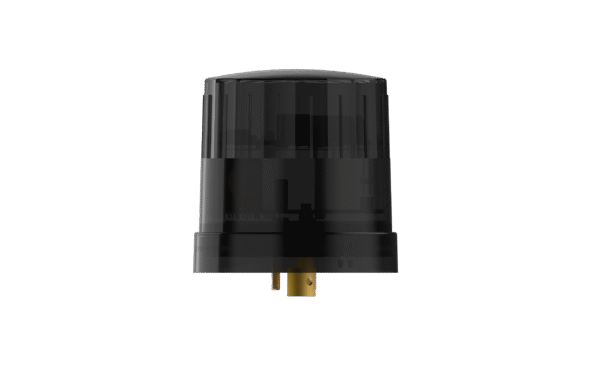
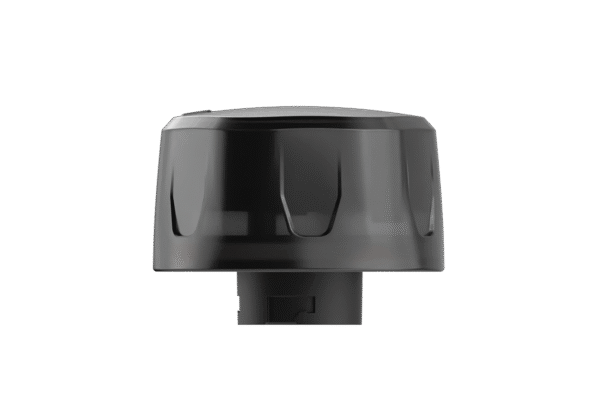
NEMA 7-Pin vs. Zhaga-D4i?  Which one is best for my project?  For a smart streetlight project, the NEMA vs. Zhaga decision should follow the installed equipment, documented control architecture, and service model, not whichever option sounds most advanced. NEMA 7-pin and Zhaga-D4i are different interface ecosystems, so a city should not assume that a controller, sensing module, luminaire, or management system can move between them without product-specific documentation.

Read More »
AIoT vs IoT: Bridging the Gap between Artificial Intelligence and the Internet of Things
AIOT & Smart City
Johnny

AIoT vs IoT: Bridging the Gap between Artificial Intelligence and the Internet of Things

AIoT vs IoT? What are the differences? Imagine a world where your coffee maker anticipates your morning routine, your refrigerator automatically replenishes groceries, and your city adapts to real-time traffic patterns. This future of interconnected intelligence is rapidly coming to fruition, driven by the combined power of the Internet of Things (IoT) and Artificial Intelligence (AI).

Read More »
English
Español
繁體中文