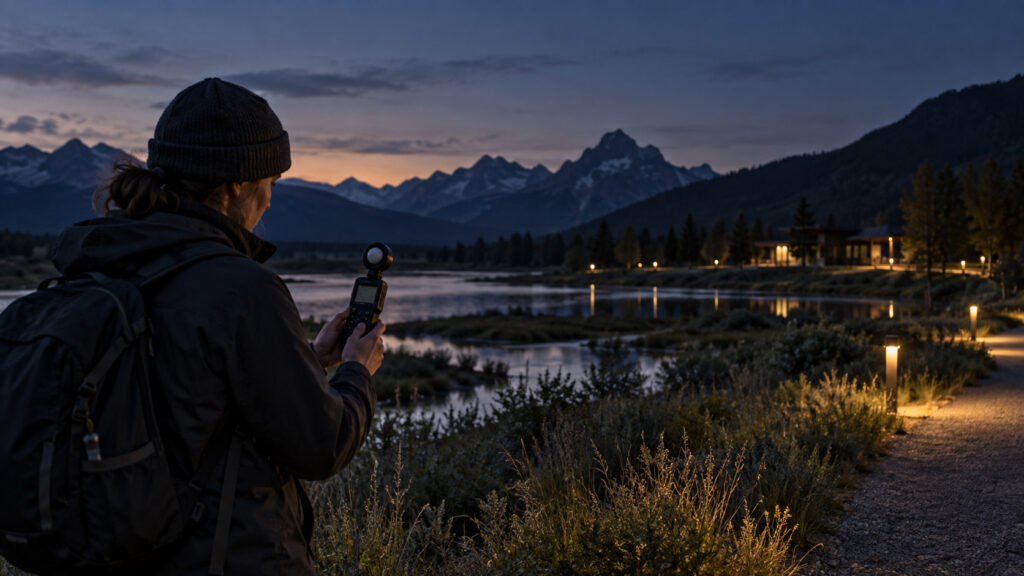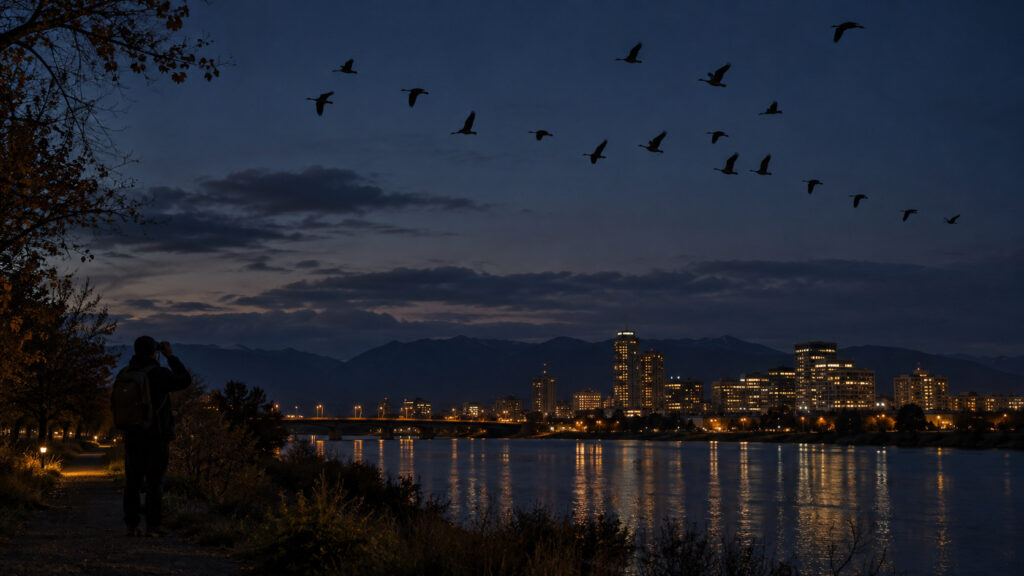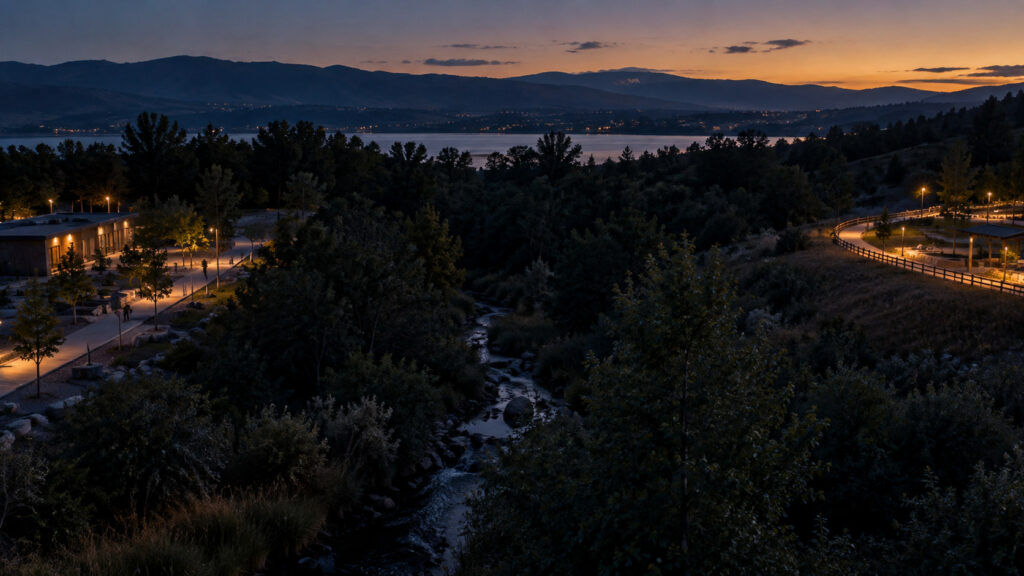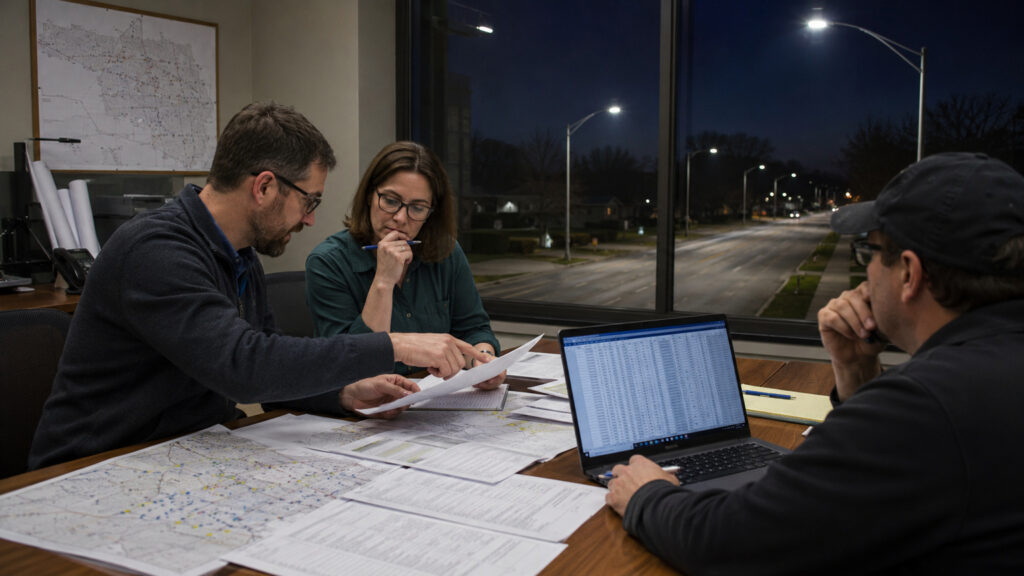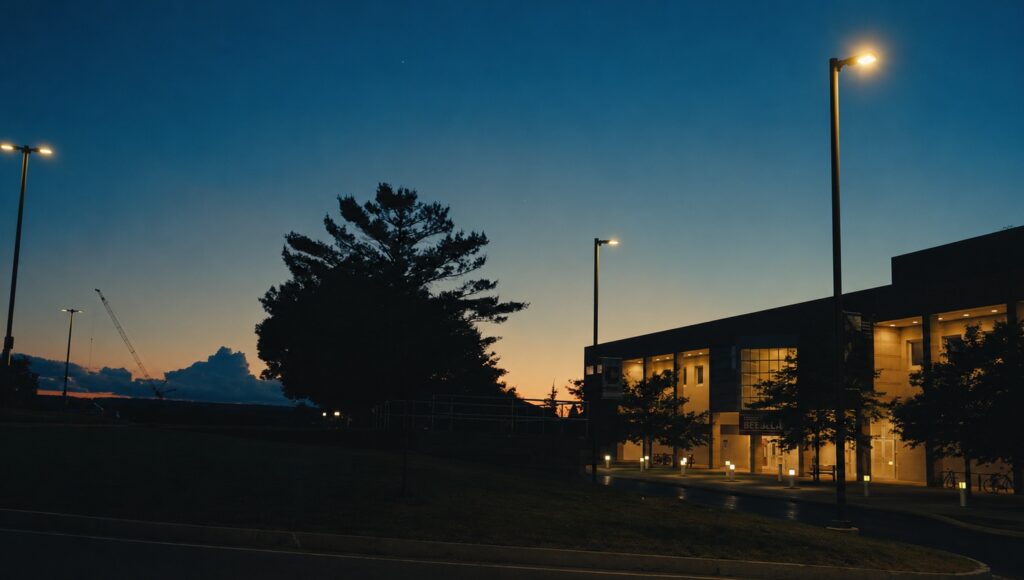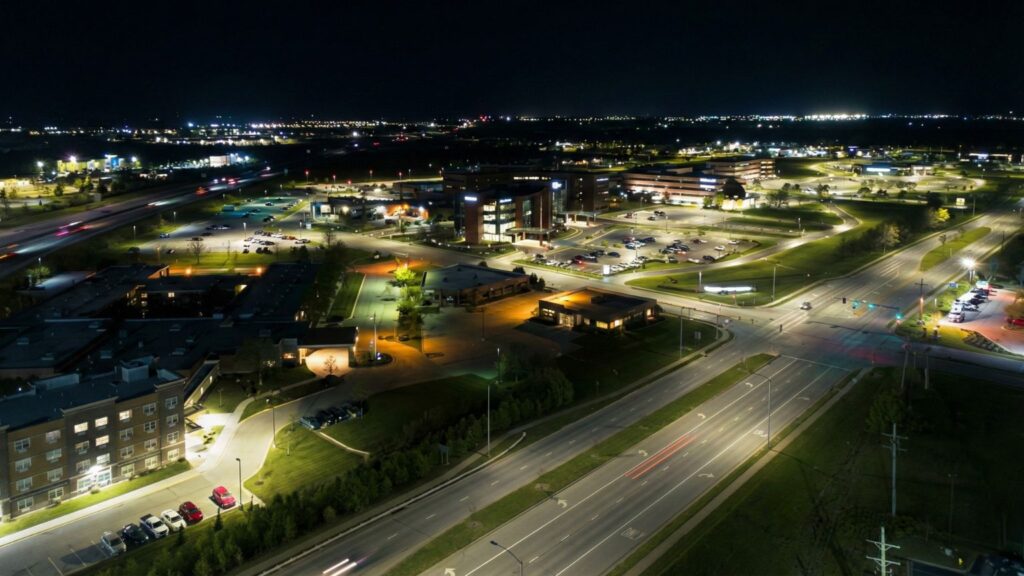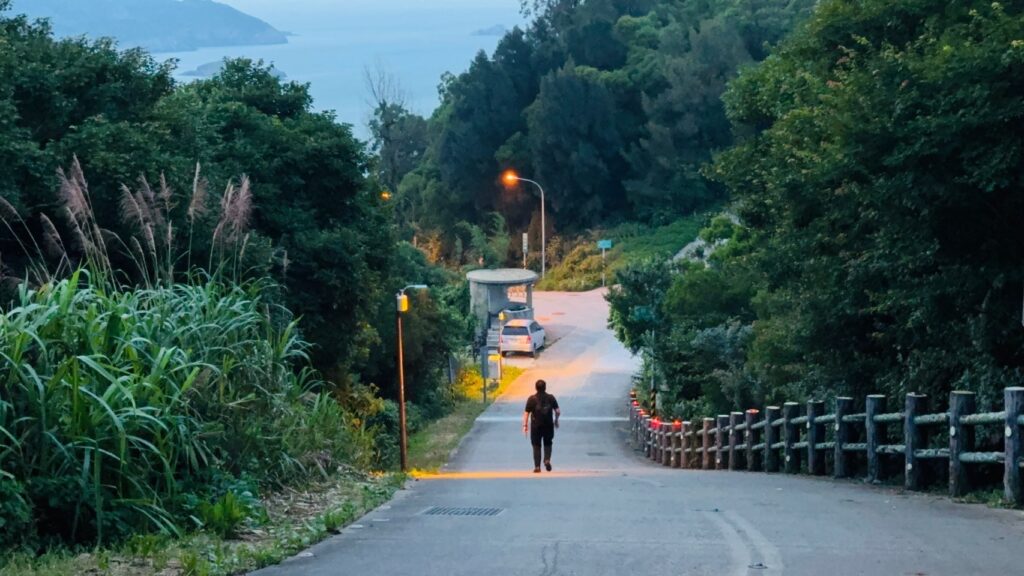





Bird-friendly lighting near migration routes means using outdoor light only where and when a roadway or public facility needs it, directing it to the task, using no more than necessary, and limiting unnecessary short-wavelength content where feasible. The right approach is site-specific: habitat, migration timing, roadway function, photometry, local policy, and operating conditions all need to be considered together.
For city and transportation-agency teams, the practical question is not whether every light should be turned off. It is how to remove unnecessary light while maintaining the illumination needed for a defined public-infrastructure task. That calls for a documented decision process, not a universal fixture, color temperature, or operating schedule.
Key takeaways
- Artificial light at night can disorient migrating birds and draw them toward the built environment; building and glass hazards are an important part of that context.
- Start with purpose, aiming, shielding, light level, and operating time before treating color temperature as a standalone answer.
- Use local ecological expertise and migration information to shape seasonal operating plans rather than applying a national date range as a project specification.
- Require photometric, control, and product evidence for the exact project. A general ecological claim or certification explainer is not proof of site suitability.
- Commission, document, and revisit the lighting plan so the agency can confirm that settings still match both operational and habitat conditions.
Why artificial light at night matters during migration
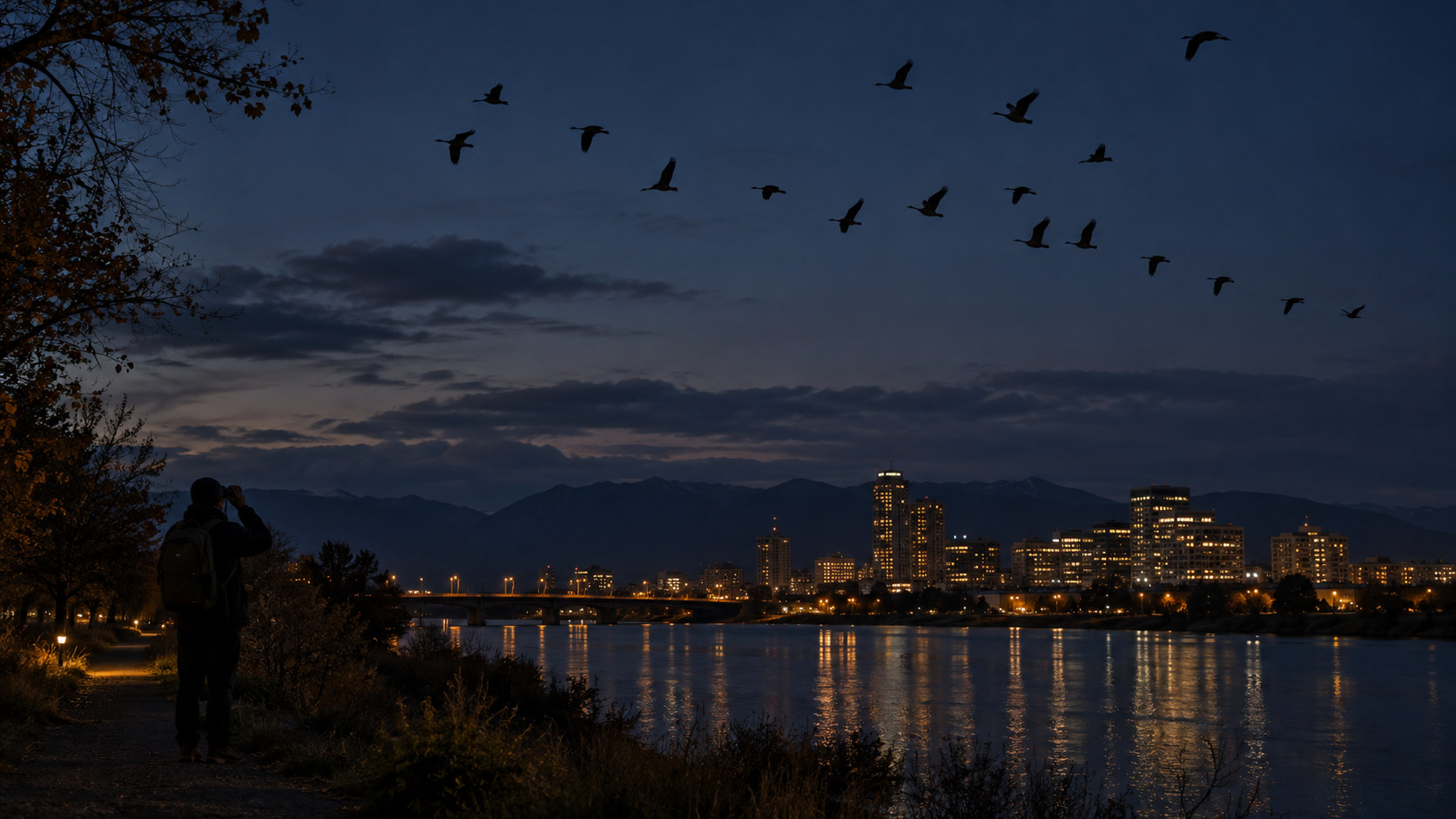
Many birds migrate at night. The National Audubon Society’s Lights Out Program explains that bright artificial lights and skyglow can disorient birds moving over cities, drawing them close to buildings and glass. Its guidance is largely focused on buildings and decorative lighting, so it should not be used to quantify the effect of a particular roadway installation or to predict fatalities at a transportation site.
That distinction matters. A streetlight, trailhead luminaire, parking-area fixture, sign, façade light, or maintenance-yard floodlight occupies a different physical setting and serves a different task. Yet agencies can still apply the underlying question: is this light needed for a defined purpose at this time, at this level, and in this direction?
Attraction and disorientation are not a universal roadway-performance claim
Artificial light at night is a migration concern, but this evidence does not establish that a particular luminaire causes or prevents bird mortality at a roadway site. Avoid turning conservation guidance into a safety, environmental, or product-performance guarantee.
Instead, frame the project around controllable design and operations choices. Identify which sources create upward light, horizontal glare, light spill into vegetation or water, or illumination that continues after the operational need has ended. Then test alternatives against the actual roadway, facility, maintenance, and public-use requirements.
Why public-infrastructure projects need a site-specific review
A lighting plan near a migration route may involve transportation operations, parks, public works, utilities, wildlife staff, land managers, consultants, and community stakeholders. Each may hold information the others do not: a roadway team may define the nighttime task, while local ecological expertise may identify seasonal sensitivity or nearby habitat.
The review should also distinguish permanent tasks from discretionary light. Lighting needed for a defined operational purpose is different from decorative, façade, landscape, or broadly aimed lighting. That does not predetermine the solution, but it creates a defensible starting point for prioritizing changes.
What bird-friendly lighting means in public infrastructure
The Five Principles for Responsible Outdoor Lighting, published by DarkSky International and the Illuminating Engineering Society, provide a useful planning framework: outdoor lighting should be useful, targeted, low level, controlled, and warm-colored. The principles support a disciplined approach; they do not establish a universally bird-safe color temperature, illumination level, or product.
Use light only for a defined task
List each nighttime task before discussing equipment. Examples might include vehicle guidance, a pedestrian route, a work area, an access point, or a security-related procedure defined by the agency. Then identify where the task ends. A clear task boundary helps teams recognize light that is ornamental, redundant, or operating outside the needed period.
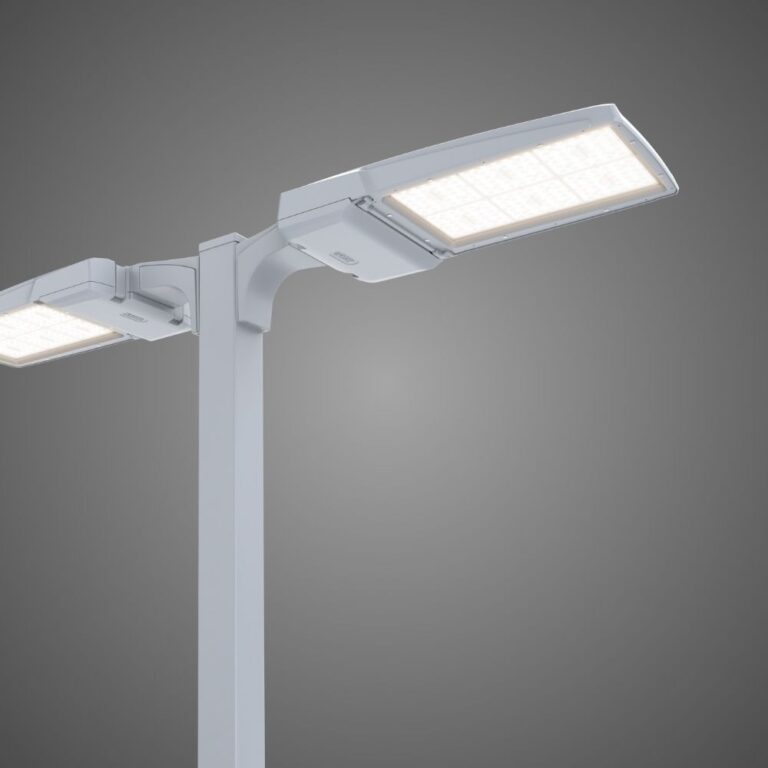
This step also improves procurement conversations. Rather than ask for a general “wildlife-friendly” solution, the agency can ask how the proposed layout serves a specified task and how it avoids illuminating adjacent areas unnecessarily.
Target and shield light to limit spill and glare
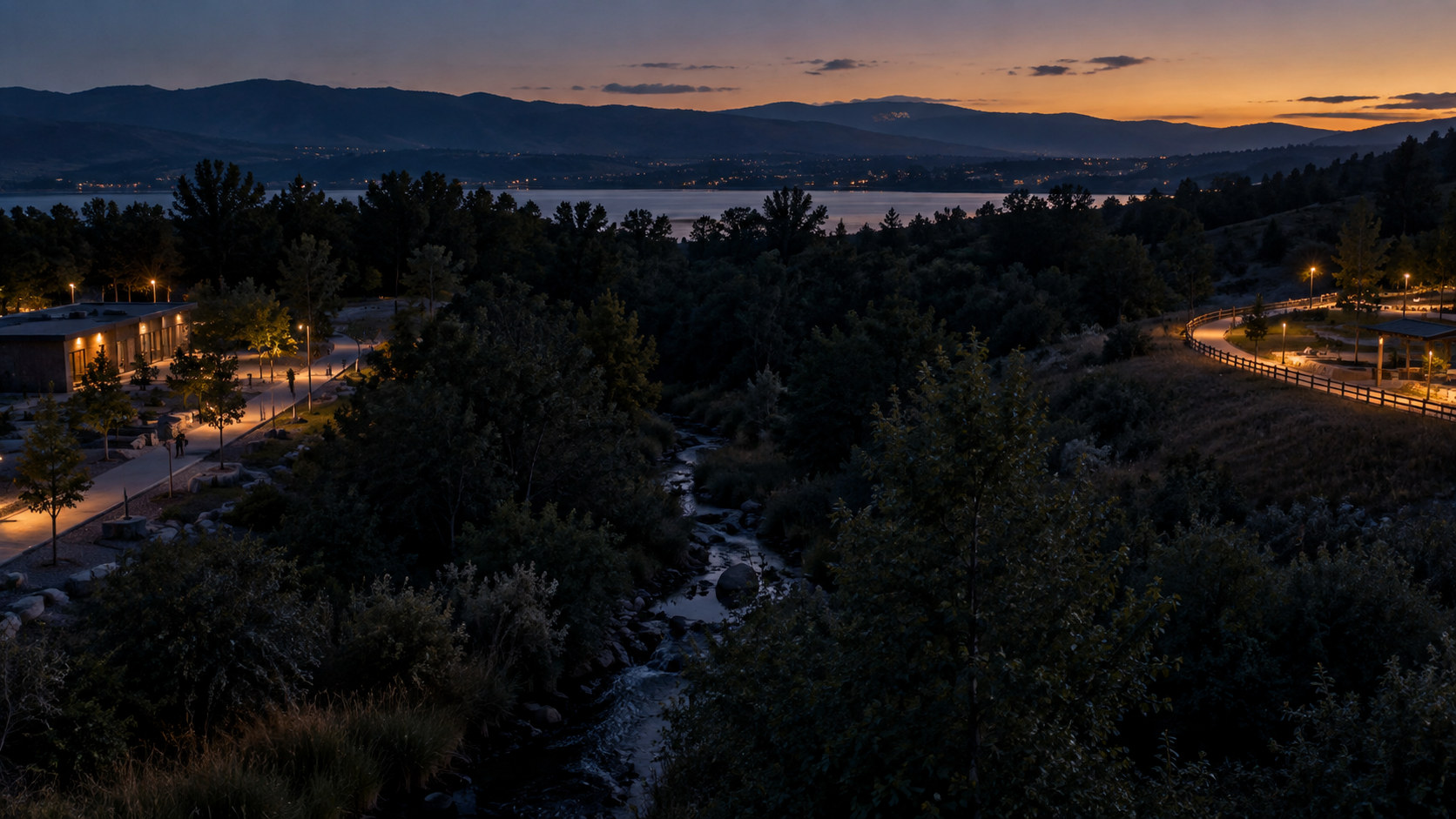
Aim and shielding are site decisions, not merely fixture attributes. The objective is to place light on the intended task area and limit spill beyond it. Review mounting location, orientation, shielding, reflected light, and nearby vegetation, water, structures, and sky exposure.
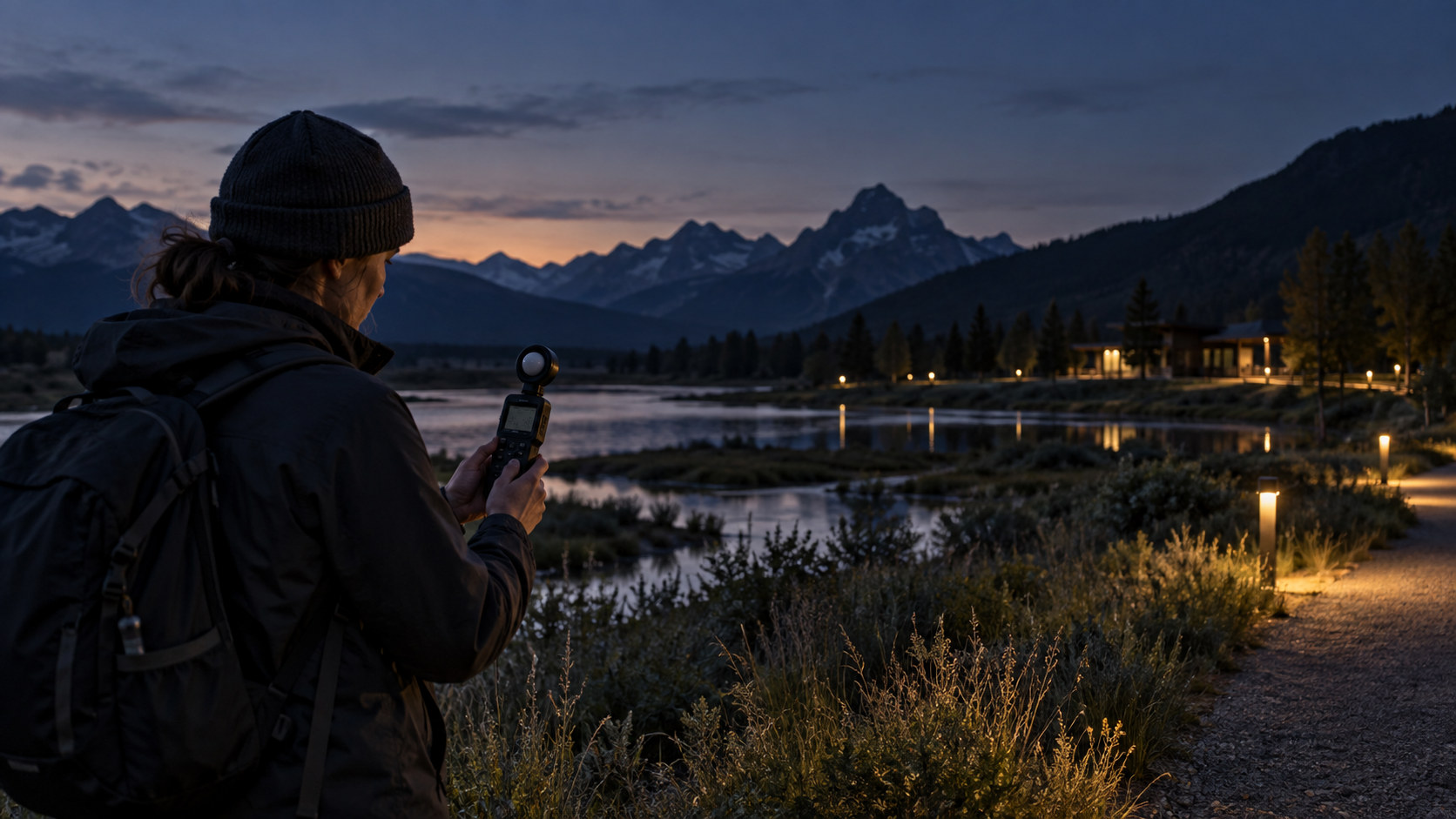
Good drawings and field verification matter here. An installation can differ from a design intent because of aiming changes, substitutions, maintenance practices, or later additions. A nighttime walk-through with the relevant stakeholders can identify where light reaches beyond its intended area.
For background on this broader issue, readers can review LEOTEK’s article on understanding light pollution. That resource is a contextual pathway, not a substitute for habitat-specific research or engineering review.
Set the lowest appropriate level and control operating time
“Low level” does not mean selecting an arbitrary minimum. It means establishing the level necessary for the documented task and validating it through applicable design criteria, field conditions, and agency requirements. Illumination, uniformity, glare, surface conditions, and user needs must be evaluated by qualified project stakeholders.
Controls can be especially useful when a task changes by time of night or season. Timers, schedules, occupancy or motion-based approaches, remote switching, and dimming may allow an agency to reduce unnecessary operation while preserving required service. The resulting schedule should specify who can change it, what triggers a change, how settings are recorded, and how the agency will confirm the system operates as intended.
Treat spectrum and color temperature as one project variable
Warmer-colored light and limiting shorter-wavelength content are part of the responsible-lighting principles. But correlated color temperature alone does not prove an installation is appropriate for migratory birds, a habitat, or a roadway. Light level, direction, duration, spectrum, surface reflection, surrounding development, and local species context can all matter.
Avoid a simple “below this Kelvin value is bird-safe” claim. A project team should first reduce unnecessary light and spill, then evaluate spectrum alongside the site’s ecological and operational requirements. LEOTEK’s ecological roadway lighting page discusses spectrum engineering, shielding, monitoring, and adaptive-dimming concepts for sensitive habitats; it does not establish species outcomes, certification, or project suitability.
A migration-route lighting decision process
Map the site and existing nighttime conditions
Create an inventory that records each light source, its purpose, location, direction, schedule, control method, and condition. Include lighting that may sit outside the roadway plan but affects the site, such as signs, building exteriors, parking facilities, and maintenance areas. Pair the inventory with a map of adjacent habitat and the areas where light leaves the intended task zone.
The inventory is also the basis for a practical before-and-after record. Keep photos, schedules, aiming notes, and any relevant photometric documentation. This does not measure wildlife outcomes by itself, but it makes operational changes traceable and easier to review.
Coordinate seasonal operations with local expertise and migration forecasts
BirdCast’s Lights Out guidance describes migration forecasts and alerts based on weather and radar analysis. Those tools can inform an agency’s seasonal operating plan, especially for non-essential lighting, but they are one input rather than an automatic control command.
BirdCast lists broad spring and fall migration periods for its guidance. Local migration timing, weather, habitat, public use, and agency obligations may differ. A defensible plan identifies the local ecological contact, specifies how forecasts or alerts will be considered, defines which lights are eligible for adjustment, and documents who approves a change.
Validate photometry, roadway needs, and jurisdictional requirements
Before changing a roadway or public-facility lighting system, verify the project’s applicable requirements and design assumptions. Do not presume that an ecological objective overrides a transportation, accessibility, electrical, emergency-response, or local requirement. Likewise, do not treat a generic roadway criterion as proof that all light beyond the pavement is necessary.
Use qualified lighting and engineering review to evaluate the project-specific tradeoffs. The relevant evidence may include current photometric files, layout drawings, controls narratives, commissioning records, maintenance access needs, and local policy. Readers comparing public-infrastructure approaches can explore LEOTEK’s outdoor lighting applications, while keeping model specifications, compliance, and project fit subject to exact documentation.
Agency implementation checklist
Use the following checklist to organize existing project information before a seasonal or permanent lighting change:
- Define the task. Record the roadway, facility, maintenance, pedestrian, or operational purpose for each lighted area.
- Inventory the installation. Note location, direction, shielding, operating schedule, control method, condition, and nearby areas receiving spill light.
- Confirm local context. Identify the relevant wildlife or land-management contact, adjacent habitat, seasonal conditions, and agency policies that affect the decision.
- Review the design record. Compare current field conditions with photometric files, layout drawings, control narratives, and applicable project requirements. Photometry is the measurement and calculation of light distribution; it should be reviewed by qualified project stakeholders rather than inferred from fixture descriptions.
- Set operational authority. Specify who can approve a schedule or dimming change, what information they consider, and how temporary changes are restored after an event or maintenance activity.
- Commission and document. Verify aiming, shielding, schedules, and control settings after installation or adjustment. Retain photos, settings, dates, and change records for the next seasonal review.
This checklist does not establish habitat suitability or replace a site-specific design review. It makes the decisions and evidence behind the plan easier to inspect.
Turning principles into procurement and operations requirements
Document aiming, shielding, schedules, dimming, and commissioning
Write requirements that can be checked after installation. For example, the project record can identify the task area, expected aiming direction, shielding approach, schedule authority, dimming rules, and commissioning steps. Include a process for reporting an issue and a change log for adjustments made after commissioning.
This approach keeps ecological intent connected to operations. It also helps prevent a project from relying on an initial design decision while later maintenance or schedule changes recreate unnecessary spill or overnight operation.
Ask for evidence instead of assuming ecological claims
Terms such as “bird-friendly,” “wildlife-safe,” “dark-sky,” and “ecological” should trigger evidence questions. Ask what the claim means, whether it applies to the exact product or installed design, who evaluated it, and what its limits are. Request current model-specific documents where the project needs them.
DarkSky’s Approved program is a third-party certification program for qualifying products, designs, and completed projects. That does not mean every outdoor product, or every installation using a product, is approved. Do not infer approval for a LEOTEK product or any other luminaire without verifying the exact listing or project evidence.
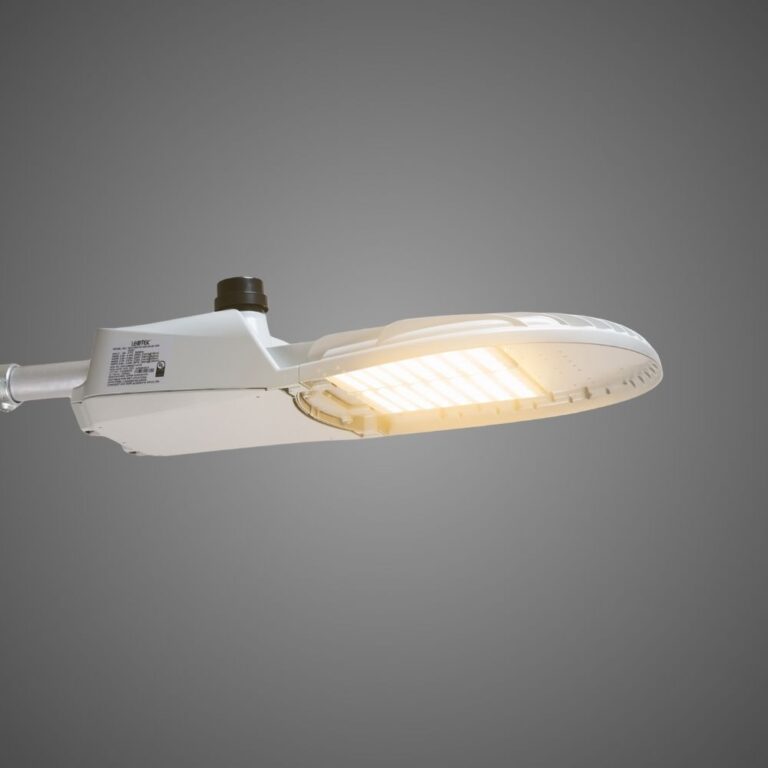
For specification, warranty, and document validation, use LEOTEK technical documents as the appropriate next step. Confirm document date, model, revision, and applicability before relying on it in a procurement or design decision.
Where connected controls may help, and what they do not prove
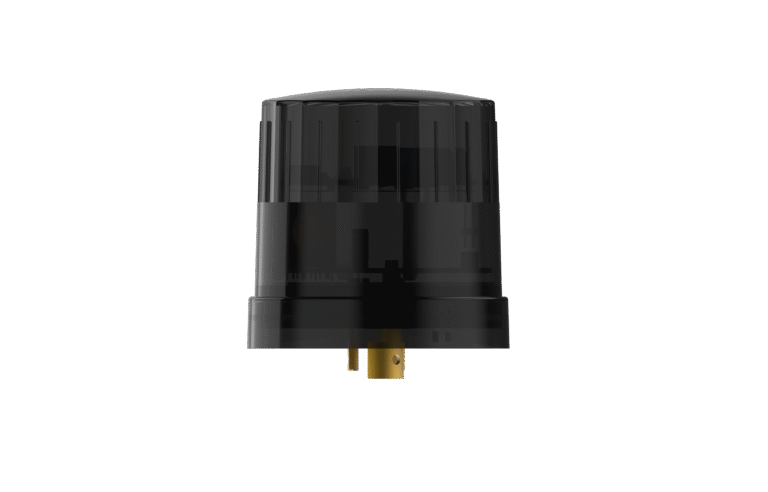
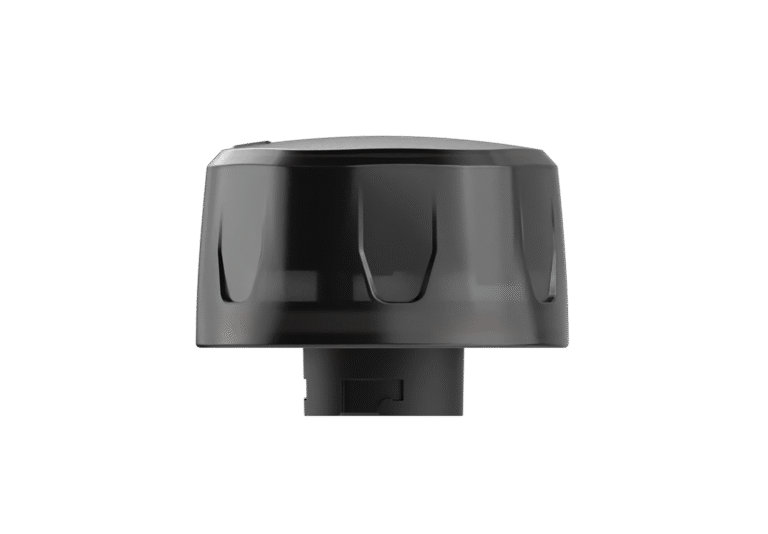
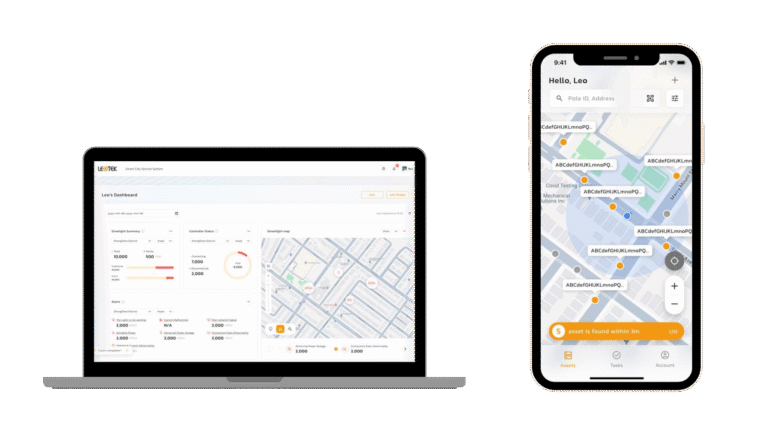
Connected controls may make it easier to implement and document scheduled switching or dimming where a project’s design and operations plan call for them. They do not, on their own, prove reduced bird attraction, compliance, energy savings, or habitat suitability. Those outcomes depend on the site, settings, baseline, and method of assessment.
The useful question is operational: can the agency apply an approved schedule, know the current setting, record a change, and return the system to the intended state after maintenance or a temporary event? If so, controls can support disciplined implementation. They should still be evaluated for compatibility, cybersecurity, data governance, maintenance, and agency requirements.
Frequently asked questions
What color light is best for migratory birds?
There is no universal answer supported by this article’s evidence. Responsible-lighting guidance recommends minimizing shorter-wavelength content where possible, but color temperature is only one variable. Evaluate spectrum with direction, light level, duration, habitat, species context, and the project’s roadway or public-facility requirements.
Should agencies turn off all roadway lighting during migration?
Not as a blanket rule. Agencies should identify non-essential lighting and consider seasonal controls with local ecological and qualified engineering input. Lighting needed for a documented task should be assessed against applicable project and jurisdictional requirements rather than removed by assumption.
Can a lighting product be called bird-friendly based on color temperature alone?
No. Color temperature alone does not establish ecological suitability, certification, or an outcome for birds. Ask for evidence tied to the exact product or installed design, then evaluate it in the specific habitat and operating context.
How can a city use migration forecasts in lighting operations?
Use forecasts as a planning input for pre-defined, non-essential-lighting actions. A written plan can state which alerts are reviewed, who has authority to adjust schedules, what settings may change, and how the action is logged. Local migration conditions and agency obligations still govern the final decision.
Sources consulted
- National Audubon Society, “Lights Out Program”, accessed July 29, 2026.
- BirdCast, “Turn Lights Out”, accessed July 29, 2026.
- DarkSky International and Illuminating Engineering Society, “Five Principles for Responsible Outdoor Lighting”, accessed July 29, 2026.
- DarkSky International, “DarkSky Approved”, accessed July 29, 2026.
A practical next step for habitat-sensitive projects
Bird-friendly lighting is most credible when it is treated as a verified operating and design process, not a label. Define the task, reduce unnecessary light, validate the site conditions, document settings, and revisit them as conditions change.
Teams planning a habitat-sensitive roadway or public-space project can review applicable technical documentation and discuss a roadway infrastructure project with LEOTEK. Any project decision should remain subject to qualified design, local wildlife input, current product evidence, and the applicable authority’s requirements.
References
- National Audubon Society, National Audubon Society’s Lights Out Program; accessed July 29, 2026.
- DarkSky International, Five Principles for Responsible Outdoor Lighting; accessed July 29, 2026.
- LEOTEK, understanding light pollution; accessed July 29, 2026.
- LEOTEK, ecological roadway lighting; accessed July 29, 2026.
- BirdCast, BirdCast’s Lights Out guidance; accessed July 29, 2026.
- LEOTEK, outdoor lighting applications; accessed July 29, 2026.
- DarkSky International, Approved program; accessed July 29, 2026.
- LEOTEK, LEOTEK technical documents; accessed July 29, 2026.