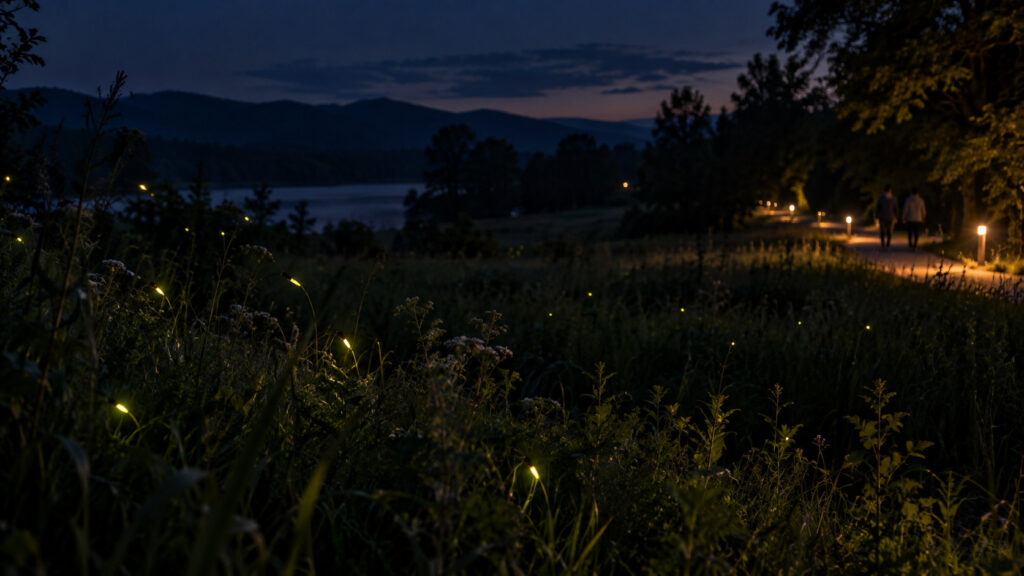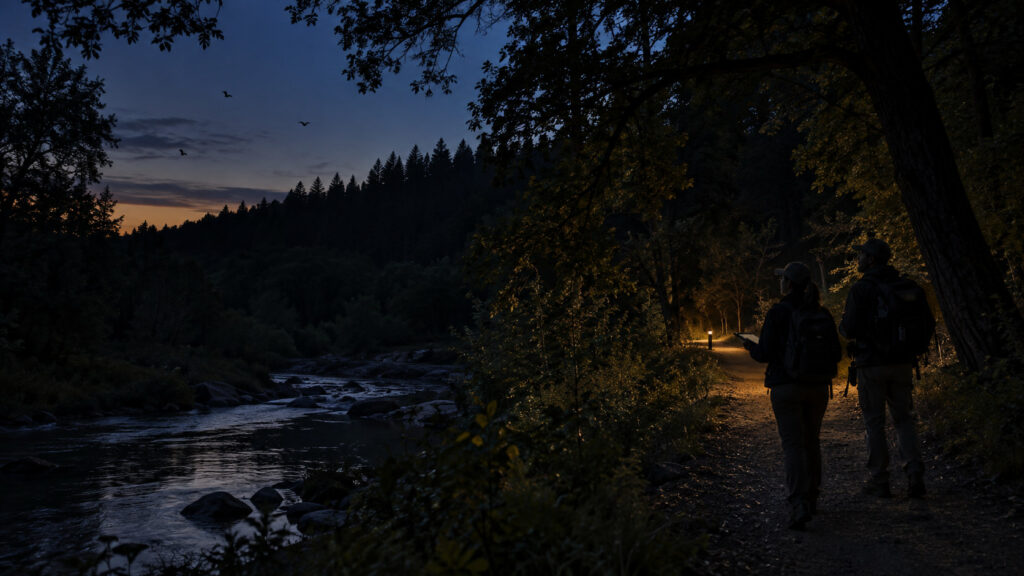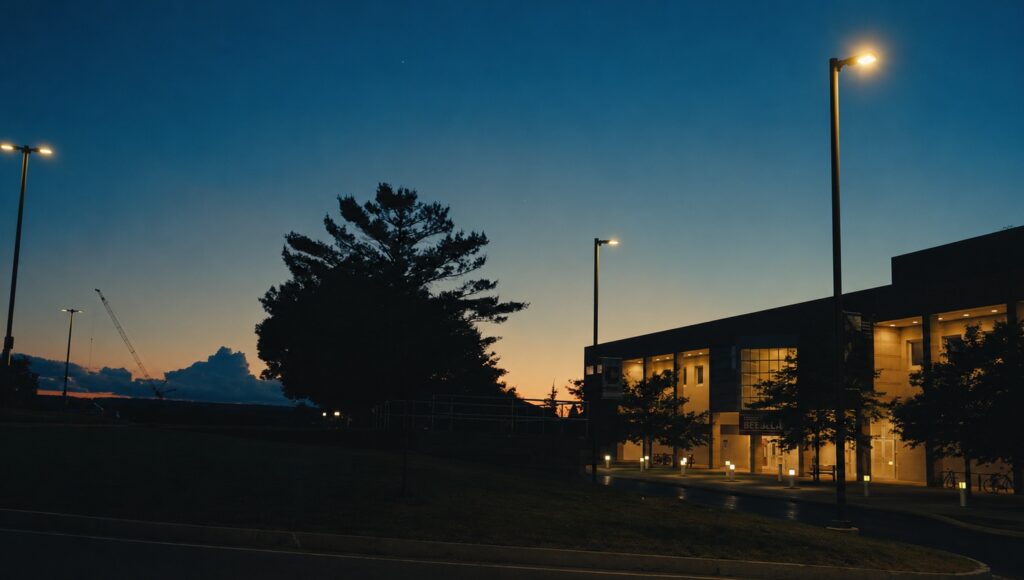






An ecological lighting assessment is a site assessment that documents habitat context, ecological receptors identified by qualified sources, existing nighttime light, human activity, seasonal conditions, and the public-infrastructure function a lighting system must serve before a team chooses a lighting response. It gives city and transportation-agency teams a shared record for project-specific decisions; it does not replace ecological, lighting-design, engineering, regulatory, or authority review.
The task is more than a fixture count. The National Park Service describes natural night skies and nocturnal environments as natural resources, noting that ecosystems rely on natural cycles of light and dark. That context is a useful reason to consider nighttime conditions early, alongside visibility, operations, access, and maintenance needs for a roadway or public space. National Park Service: Night Skies
Key takeaways
- Start with the project boundary and the decision the assessment must inform, rather than selecting a fixture or setting a control schedule first.
- Record documented habitat context, existing nighttime light, human activity, and seasonal conditions in one evidence file.
- Separate what the team observed from what it assumes, and record the source and date for ecological information.
- Evaluate whether, where, and when light is needed before considering aiming, shielding, spectrum, or controls.
- Use qualified review when habitat sensitivity, operational needs, or jurisdictional requirements create uncertainty.
Use this field-ready ecological lighting assessment checklist to organize the site record. Adapt it to the project's scope and the expertise available.
- Define the boundary and proposed change. Map the project area, nearby observation areas, planned installation or modification, and the decision the assessment will support.
- Gather documented site context. List agency records, site studies, project mapping, and qualified input used to identify habitat features or ecological receptors. Record source dates and unresolved questions.
- Record seasonal and timing conditions. Note the observation date, weather, operating schedule, construction or maintenance timing, and any documented seasonal information requiring additional review.
- Inventory existing light and controls. Log relevant source locations, mounting context, apparent aiming, shielding condition, observed operation, known controls, and ownership where known.
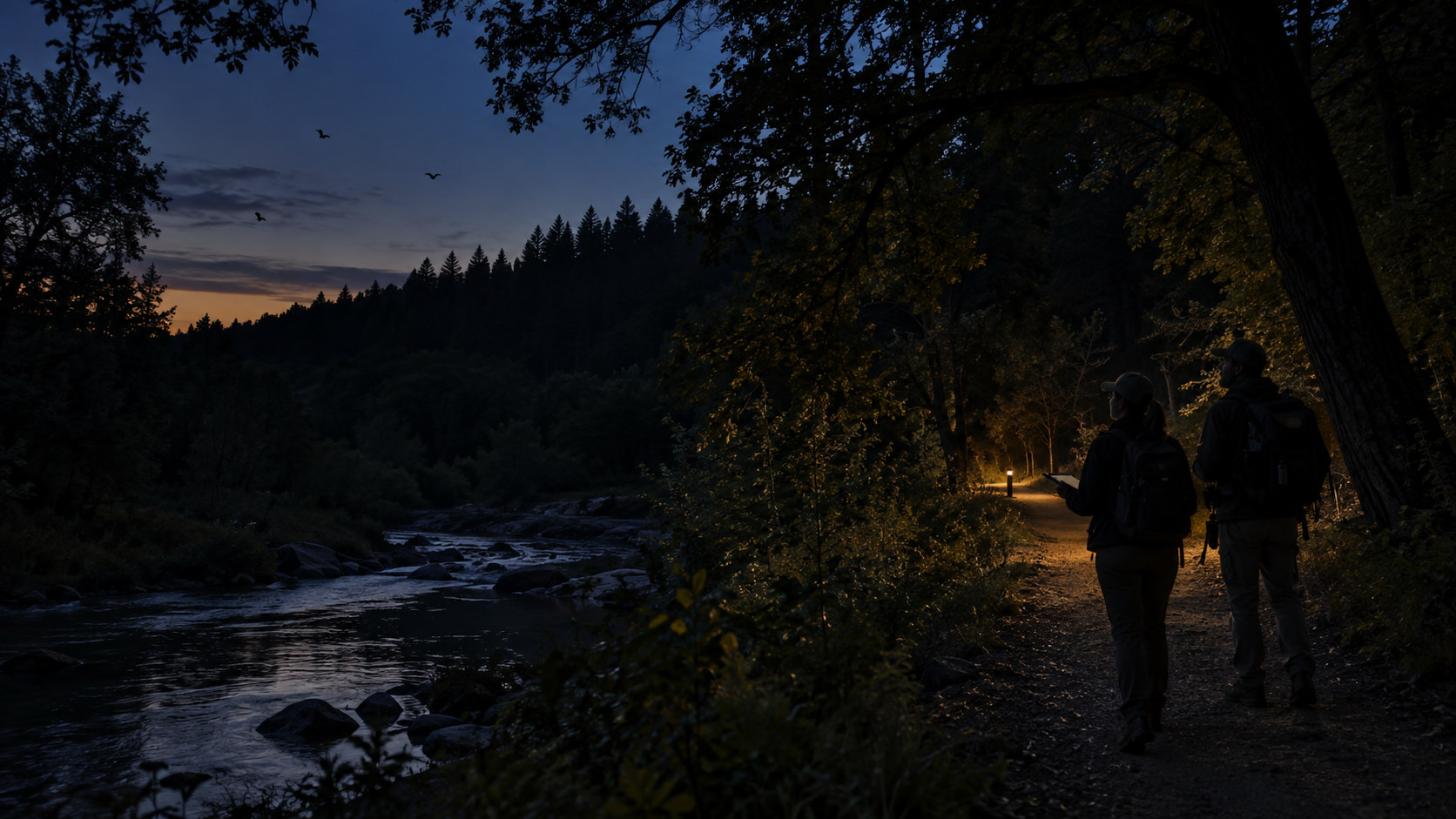
- Document field observations. Use repeatable observation points, photographs, notes on direction and time, and a clear distinction between visual observations and calibrated measurements.
- Document human and transportation activity. Identify the evidence for crossings, traffic activity, transit, maintenance access, public-space use, or other operational needs.
- Compare alternatives. Record the purpose, location, timing, evidence, uncertainty, and required reviewer for each potential change.
- Assign follow-up. Identify who will verify assumptions, review technical documentation, confirm controls, and maintain the decision record after commissioning.
This checklist is a recommended workflow, not a regulatory template. It is designed to reveal when a project needs a different level of ecological, engineering, or agency review.
Start with the project boundary and decision
An ecological lighting assessment works best when it begins with a clear project question. The question might be whether an existing streetlight system can be changed near a habitat edge, how a new transit stop should be lit, or how roadway lighting can be maintained while a project team evaluates nighttime conditions. The assessment should name that decision before field observations begin.
Draw a working boundary that includes the work area and the surrounding places that may be relevant to the decision. Depending on the project, that can include the roadway, path, parking area, intersection, bridge approach, shoreline, drainage feature, vegetated edge, or nearby public space. It can also include areas where direct light, reflected light, or visible glow may be relevant to the project review. This is a study boundary, not a claim that every point within it will be affected.
Next, describe the facility's actual function. Record whether the lighting supports a travel lane, crossing, transit stop, maintenance access point, trail connection, work area, or another documented use. Include known operating hours, planned construction or maintenance changes, and the decision date. This prevents a common problem: treating assumed nighttime activity as a fixed lighting requirement.
Define how the assessment will be used
Different teams use the same site record in different ways. Operations staff may need a list of equipment and controls. Planners may need a map of project constraints. Lighting designers may need verified locations and geometry for later calculations. Ecological reviewers may need the underlying observations and source records. Procurement staff may need the decisions translated into project-specific documentation requirements.
Name the intended users and the decision they own. That modest step helps keep a field record from becoming an unstructured collection of photographs and comments. It also makes clear where the assessment stops: it is decision support, not a substitute for a photometric design, environmental determination, permit review, or traffic-engineering analysis.
Establish an evidence record before field work
Use a simple, consistent record from the beginning. A useful file set includes a base map, a photo log, a luminaire and controls inventory, a source list, and an assumptions register. Each item should identify its date, preparer, location, and any uncertainty.
For example, a photo entry can record the observation point, viewing direction, time, weather, nearby light source, and visible condition. A map can distinguish the project limit from observation points and documented habitat features. The goal is not to create a universal form. It is to preserve enough context that a later reviewer can understand what was seen and what was inferred.
Identify habitat context and ecological receptors
The habitat portion of an ecological lighting assessment should rely on applicable agency records, site studies, and qualified ecological input. Do not infer a species, a protected status, or an ecological outcome from a map label, a photograph, or a general article. Record the source of each ecological statement and the date it was consulted.
The National Park Service frames natural night skies as a natural-resource concern. That supports considering nighttime conditions in a site review, but it does not establish a municipal design rule, a species threshold, or a required assessment method. Night Skies: A Natural Resource
Record habitat features and connections
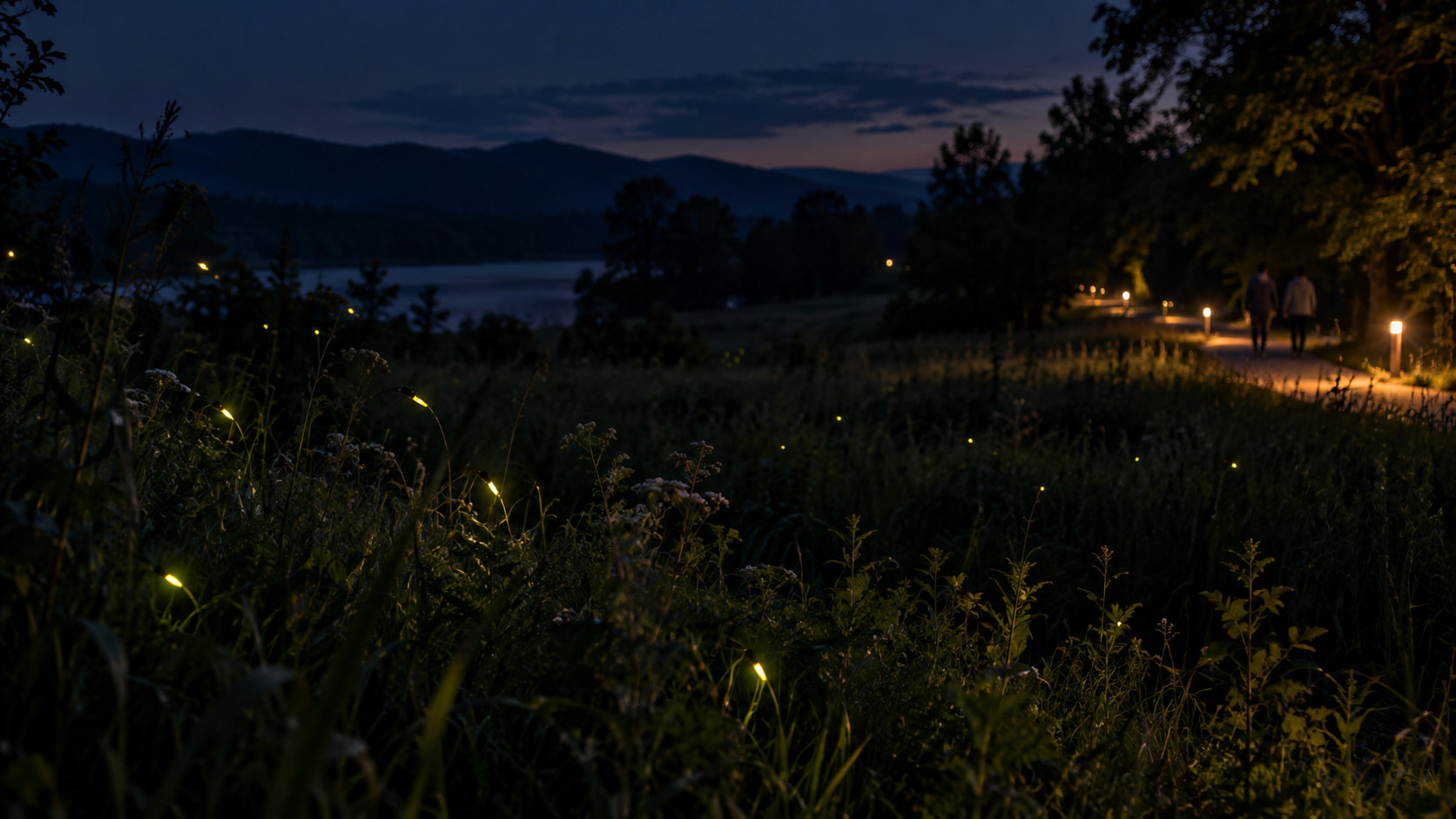
Start with features that are documented for the site or are visible and relevant to the project boundary. Depending on the location, this may include waterways, wetlands, shorelines, vegetation edges, tree cover, drainage corridors, or open areas connecting habitat. If a survey or agency record identifies a nesting, roosting, or other sensitive feature, cite that source in the project file rather than restating it as an unsupported generalization.
It is useful to distinguish a confirmed record from a field observation and an unresolved question. For instance, “wetland boundary shown in supplied project mapping” is different from “possible habitat connection to be reviewed.” That distinction gives the project team a disciplined way to ask for additional expertise without overstating what it knows.
Account for seasonal conditions
One nighttime visit may not represent every condition a site experiences. Record the date, season, weather, nearby activity, and current operating pattern. If an applicable source or qualified reviewer identifies a seasonal window relevant to the project, include the source and how it affects the observation plan.
Do not assume a migration, breeding, emergence, or other activity period for a particular site or species. Instead, use the assessment to identify whether seasonal information is needed before a lighting decision is finalized. This is especially important when a change in operating hours, construction sequence, or maintenance practice could alter when light is present.
Audit existing nighttime light and operations
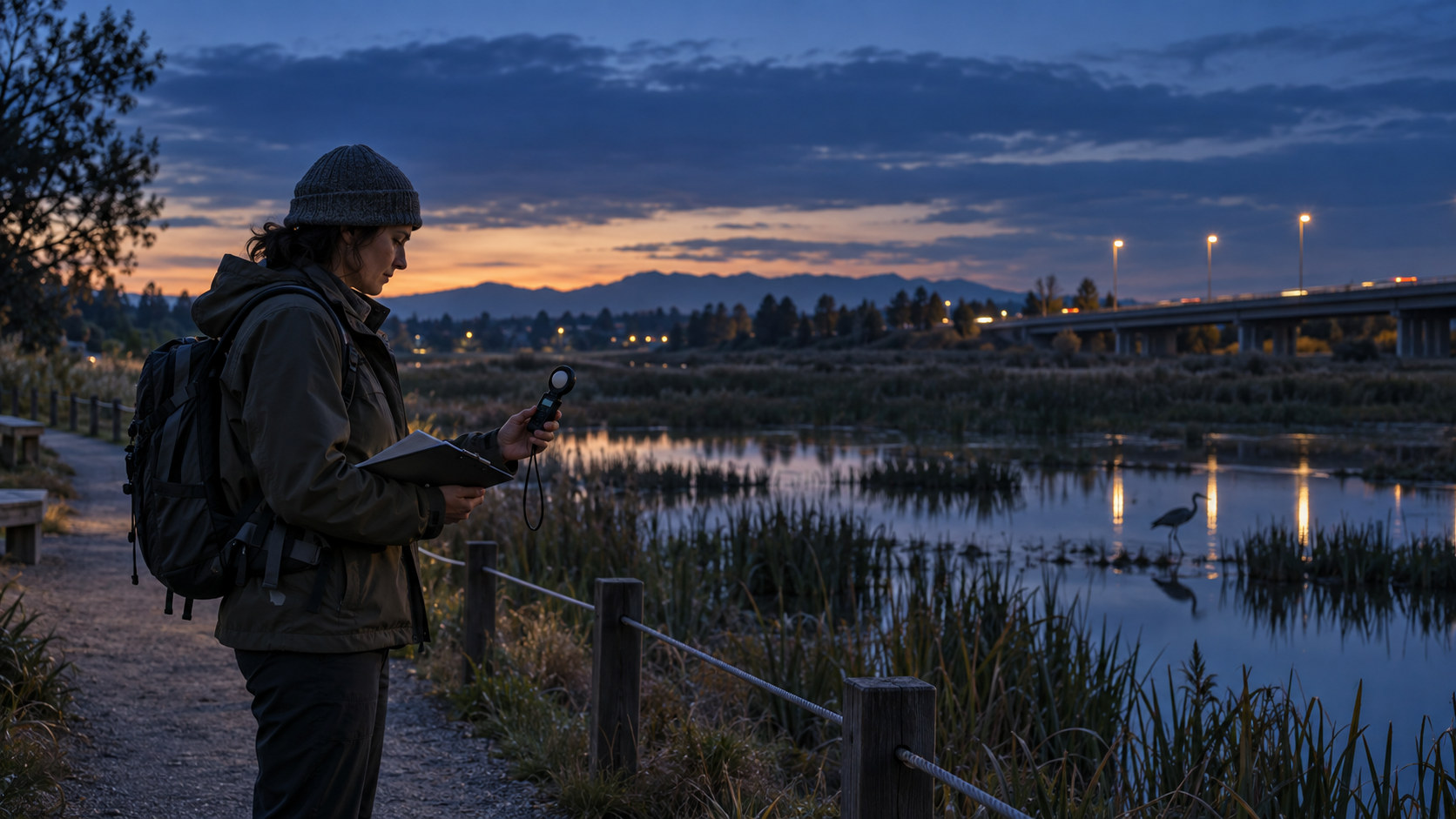
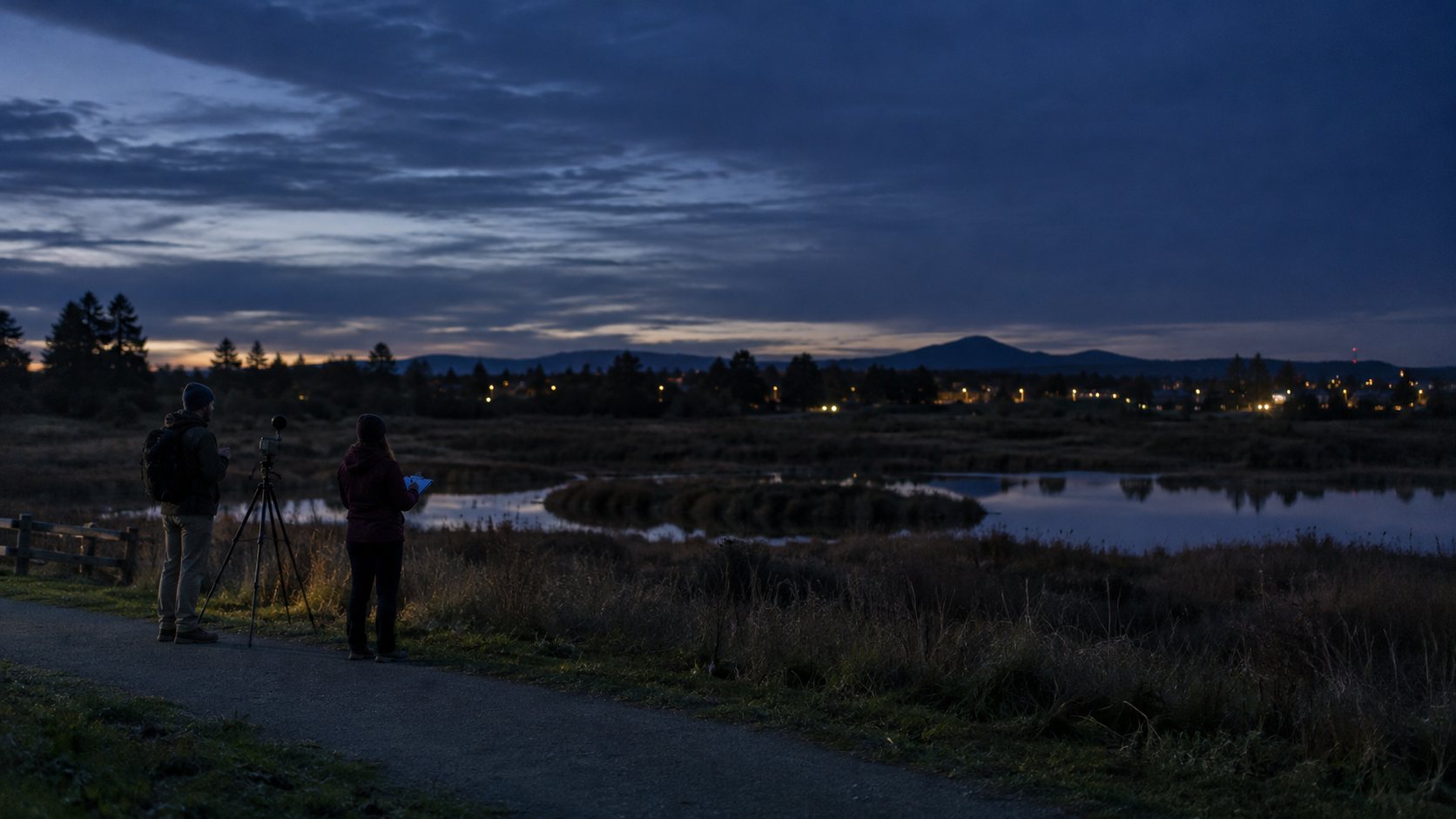
A wildlife lighting audit is the fieldwork portion of the ecological lighting assessment. It captures what is installed, how it operates, and what observers can document from defined locations. A visual audit is valuable evidence, but it is not a replacement for project-specific photometric analysis.
Inventory sources, locations, direction, and controls
For each relevant luminaire or other nighttime source, record its location, mounting context, apparent aiming direction, shielding condition, and observed maintenance condition. Note the control arrangement that is known at the time of the audit, such as a timer, photocell, schedule, or central control. Record unknown settings as unknown rather than estimating them.
Include nearby sources that may matter to the project question, even if they are outside the project team's direct control. These might include adjacent public lighting, sign lighting, parking-area lighting, building-mounted fixtures, or temporary work lighting. The record should explain why each source is included, not imply that the project controls every source.
A field log can also note whether a fixture appears to remain on, change output, or switch off during the observation period. That observation is a starting point for verification with the owner or controls record, not proof of the programmed setting.
Observe light beyond the task area
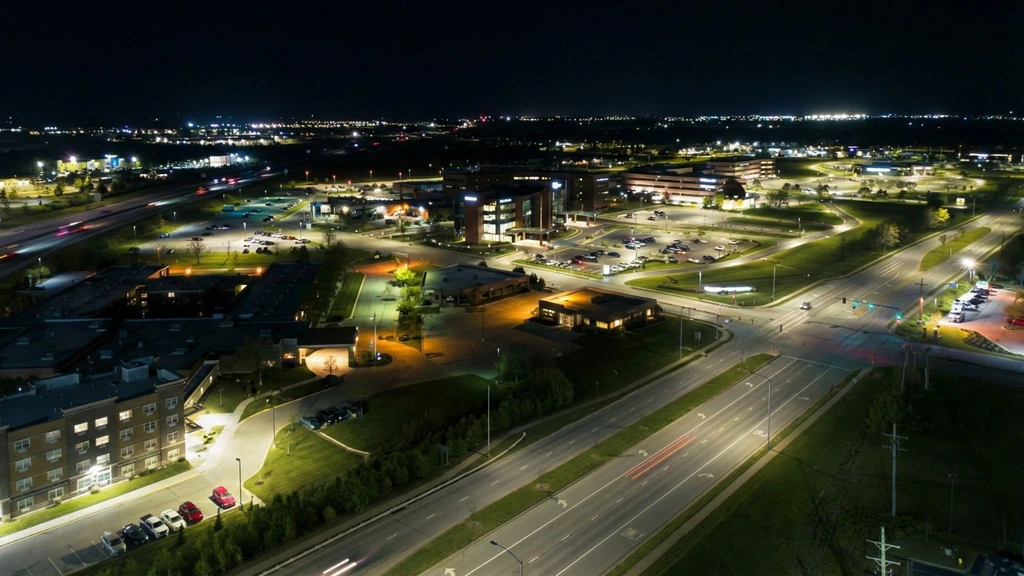
From selected observation points, document visible spill, glare, reflected light, and sky glow as observed conditions. Take photographs consistently enough that later reviewers can compare time and viewpoint. If a photograph has automated exposure or other limitations, note that it is a visual record rather than a calibrated measurement.
This part of the audit should connect each observation to the project boundary and habitat context. A bright source seen from a roadway may have a different decision relevance than a source visible across a shoreline or at a vegetation edge. The assessment does not need to declare which condition is acceptable; it needs to give qualified reviewers a traceable record to evaluate.
For a broader explanation of the issue, readers can review understanding light pollution. The assessment itself should remain focused on the specific site, its operating needs, and the evidence available for the project.
Document people, traffic, and safety-critical activity
Ecological considerations belong in the same decision record as documented human and transportation activity. Record the locations and times associated with crossings, intersections, transit stops, maintenance access, active work, or other functions that matter to the project. Identify the source for those needs, such as an operations plan, traffic record, facility schedule, or site observation.
Avoid treating a general desire for illumination as a detailed design requirement. A roadway or public-space function may require a separate engineering review, and its criteria can vary by project and jurisdiction. The assessment can clarify what must be coordinated; it should not claim that an ecological measure overrides operational or public-safety review.
Turn evidence into site-specific lighting criteria
The assessment should lead to a sequence of questions, not a preselected product or universal specification. First ask whether light is needed for the documented task. Then identify where and when that task occurs. Only then should the team evaluate options involving location, aiming, shielding, spectrum, and controls.
This order matters because a lighting attribute does not carry the same implication at every site. A change in spectrum or a lower output setting alone does not answer questions about where light is directed, when it operates, what task it supports, or what habitat context has been documented. Likewise, an assessment should not promise that a lighting change will produce a particular outcome for wildlife.
Map the project boundary, lighting task and habitat-facing observation points.
Document existing sources, operating times, site conditions and evidence dates.
Turn the findings into reviewable design criteria and follow-up checks.
Separate field observations from assumptions, and involve qualified specialists where the site requires them.
Compare alternatives and trade-offs
Use a decision matrix that identifies each alternative, its operational purpose, the affected area, supporting evidence, known uncertainty, reviewer, and follow-up action. An alternative might be a change in location, aiming, shielding, operating hours, or control strategy. Describe it plainly and keep the record tied to the project question.
The matrix should make uncertainty visible. For example, a proposed control change may need confirmation of existing system capability, operational approval, or a seasonal review before implementation. Recording that condition is more useful than assigning an unsupported ecological score or presenting a recommendation as settled fact.
Coordinate ecological and lighting review
Lighting calculations and ecological review answer different questions. A lighting design can evaluate the planned distribution of light for a defined project, while ecological review can interpret the site context and evidence relevant to sensitive conditions. Coordinate them when the project may affect habitat near a roadway or public space.
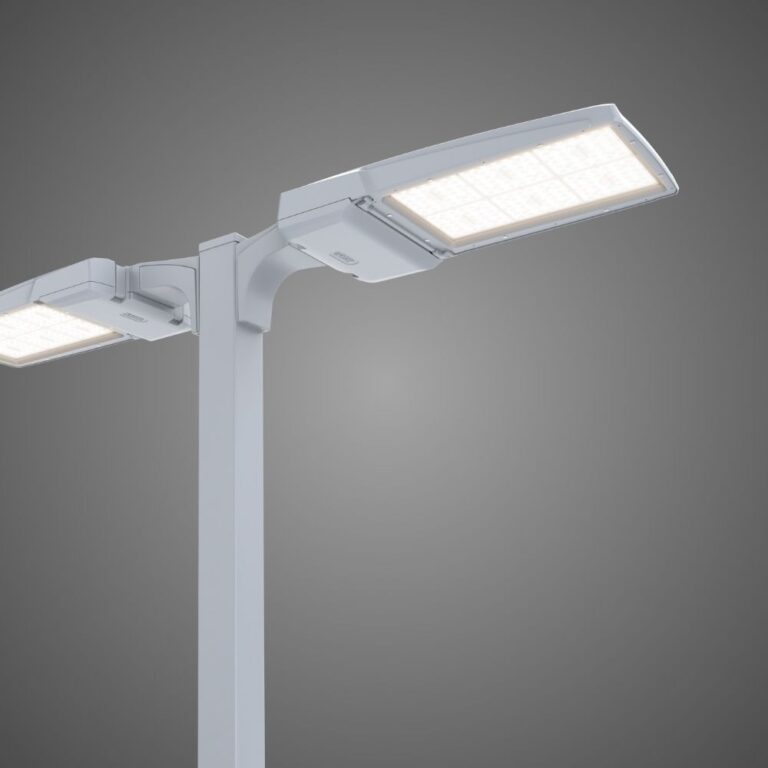
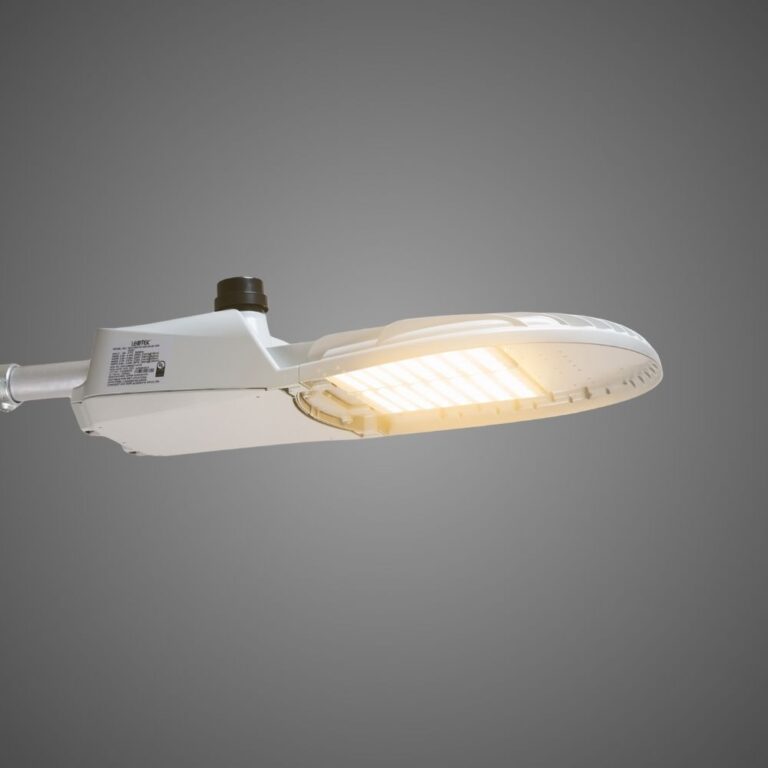
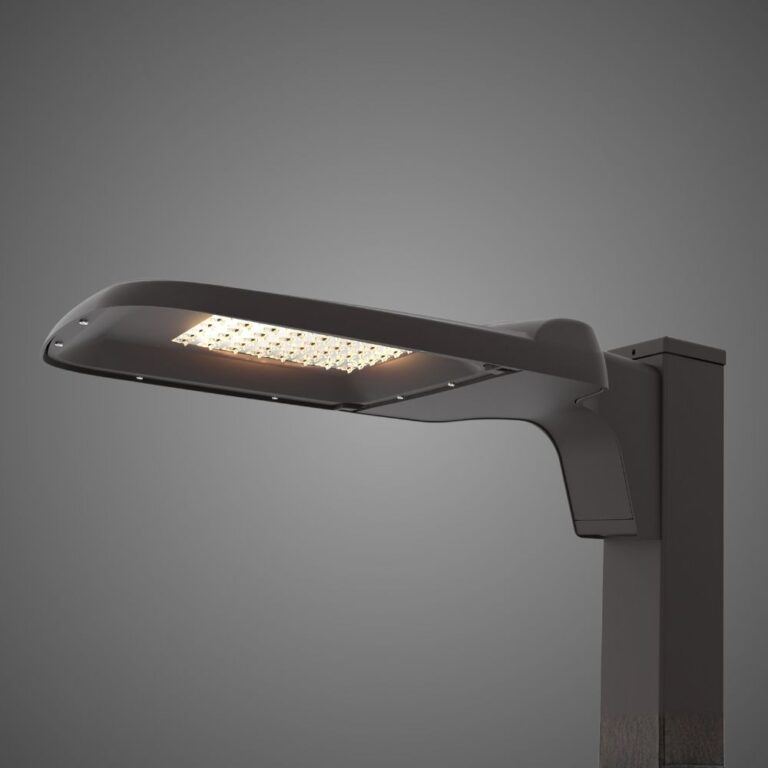
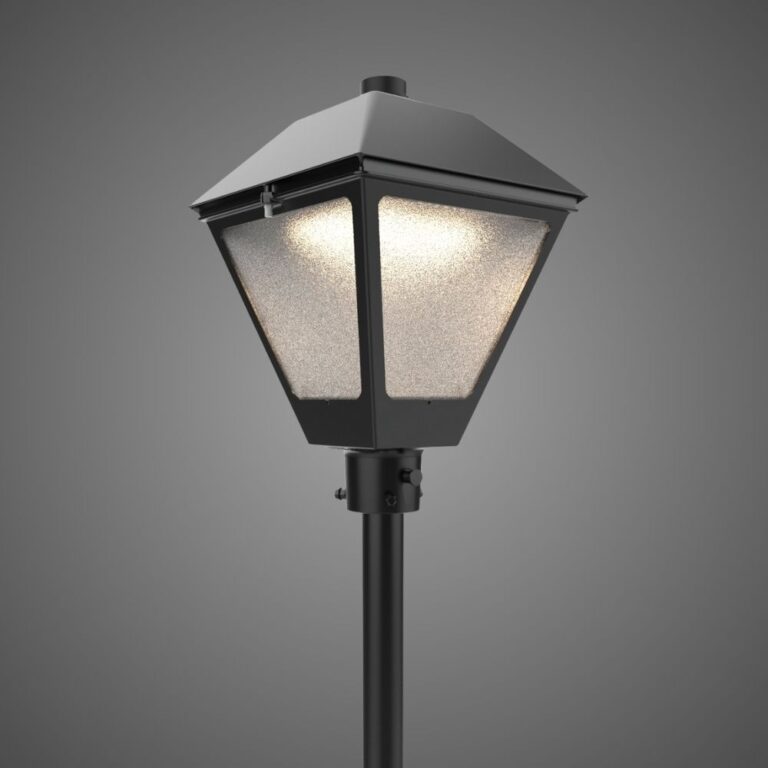
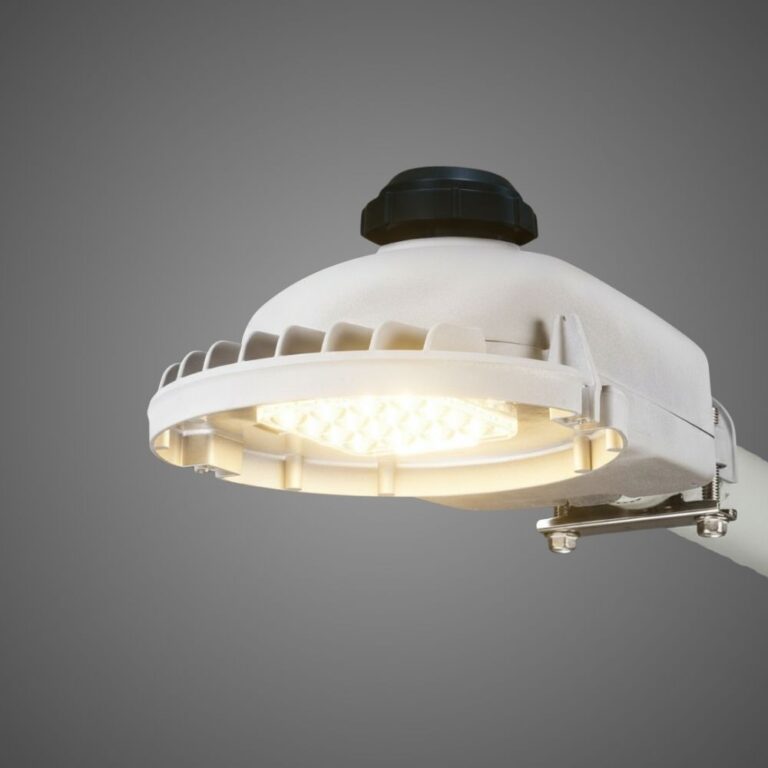
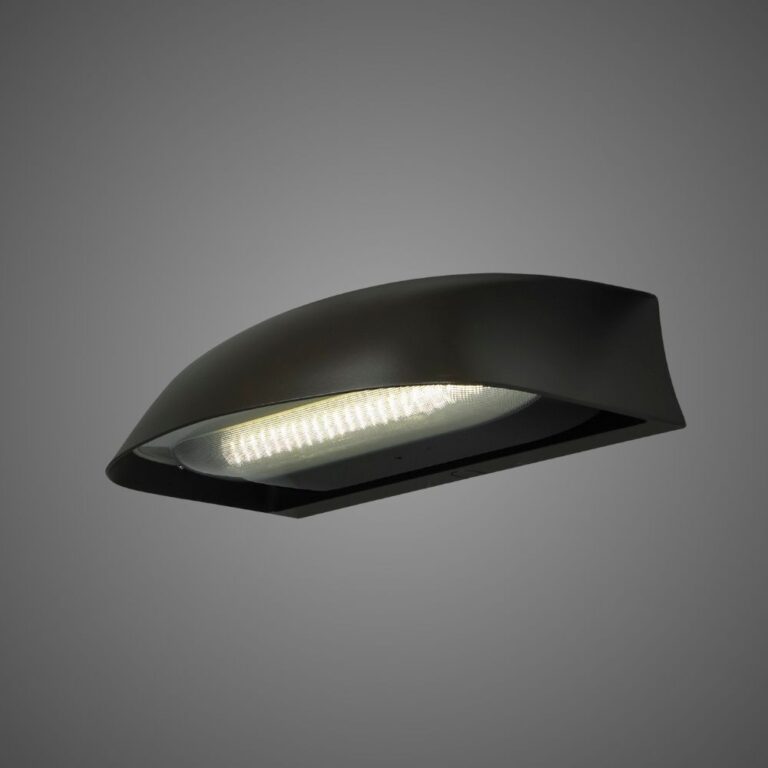
When a project team explores technology options, it can use ecological roadway lighting as a general technology-education destination. That page describes LEOTEK's ecological-lighting concepts, including spectrum engineering, shielding, monitoring, and adaptive dimming. It does not establish a site-specific design, environmental result, certification, or species benefit.
Use the assessment in procurement, commissioning, and follow-up
An assessment record can help a project team write clearer, site-specific requirements. It can identify what needs to be verified during design, which operating assumptions need confirmation, and which changes should be documented at commissioning. It cannot itself establish compliance with a procurement rule, environmental requirement, electrical code, or roadway standard.
During procurement, avoid broad requirements that are disconnected from the site record. Ask instead which documentation is current, what configuration is being evaluated, which controls or accessories are applicable, and who will verify the installed condition. Readers preparing a technical evaluation can use product specifications and resources to locate current LEOTEK documentation. Each document should still be checked for the applicable model, date, and revision.
At commissioning, compare the installed equipment and settings against the approved project record. Confirm location, aiming, shielding, and operating schedule through the responsible project process. Update the change log if site conditions, operating hours, or assumptions have changed since the initial assessment.
Related planning material on eco-friendly streetlighting considerations can provide additional context. It should not replace the project-specific evidence record or be read as a guarantee of an environmental outcome.
When to seek additional review
Seek additional qualified review when the record identifies documented sensitive habitat, uncertainty about ecological receptors, a major change in operating hours, a proposed change near a waterway or habitat edge, or a conflict between operational needs and ecological goals. These are practical triggers for coordination, not a complete legal or permitting test.
The right reviewer depends on the project question. It may include the agency's environmental, operations, lighting-design, traffic-engineering, procurement, or authority-having-jurisdiction process. State the role and the decision to be reviewed instead of assuming that one professional discipline resolves every issue.
Frequently asked questions
What is an ecological lighting assessment?
An ecological lighting assessment is a site-specific record that brings together documented habitat context, existing nighttime lighting, human and transportation activity, seasonal conditions, and the proposed project change. It helps a team define questions and criteria for qualified review before selecting or altering outdoor lighting.
What should a wildlife lighting audit include?
A wildlife lighting audit should include the project boundary, observation dates and locations, relevant existing sources, apparent aiming and shielding, known or observed controls, visible nighttime conditions, documented habitat context, and the operational activities the lighting supports. Keep source records and uncertainties with the audit so a later reviewer can evaluate them.
Does a lower color temperature solve every habitat-lighting concern?
No. Spectrum is one consideration, but it does not resolve questions about whether light is needed, where it is directed, when it operates, how it interacts with a specific site, or what documented ecological context applies. Evaluate spectrum alongside location, direction, timing, intensity, operating need, and qualified review.
Who should review a habitat-sensitive roadway-lighting plan?
Review should match the decision and the site's documented conditions. A project may need coordination among agency operations, planners, lighting designers, ecological reviewers, traffic engineers, procurement staff, and the applicable authority or agency process. The assessment record helps each reviewer see the same evidence and limitations.
Build a decision record before selecting a response
An ecological lighting assessment gives a public-infrastructure team a disciplined starting point: document what is known about the site, what the lighting must support, what remains uncertain, and who must review the next decision. That approach is more defensible than applying a universal fixture, spectrum, schedule, or wildlife claim to every location.
For a defined roadway or public-space project question, readers can discuss a roadway infrastructure project. A technical inquiry should complement, not replace, the project’s ecological, lighting-design, engineering, regulatory, and authority review.
For a repeatable baseline and follow-up survey, see how to measure ecological lighting conditions before and after installation. To translate findings into an operational boundary, review dark corridors, buffer zones, and lighting curfews.
References
- U.S. National Park Service, Night Skies; accessed July 29, 2026.
- U.S. National Park Service, Night Skies: A Natural Resource; accessed July 29, 2026.
- LEOTEK, Light Pollution Explained: Impacts and Solutions; accessed July 29, 2026.
- LEOTEK, ECOridge™ | Ecological Lighting; accessed July 29, 2026.
- LEOTEK, Resources & Documents; accessed July 29, 2026.
- LEOTEK, Eco-Friendly Streetlights: Paving the Path for Sustainable Urban Illumination; accessed July 29, 2026.