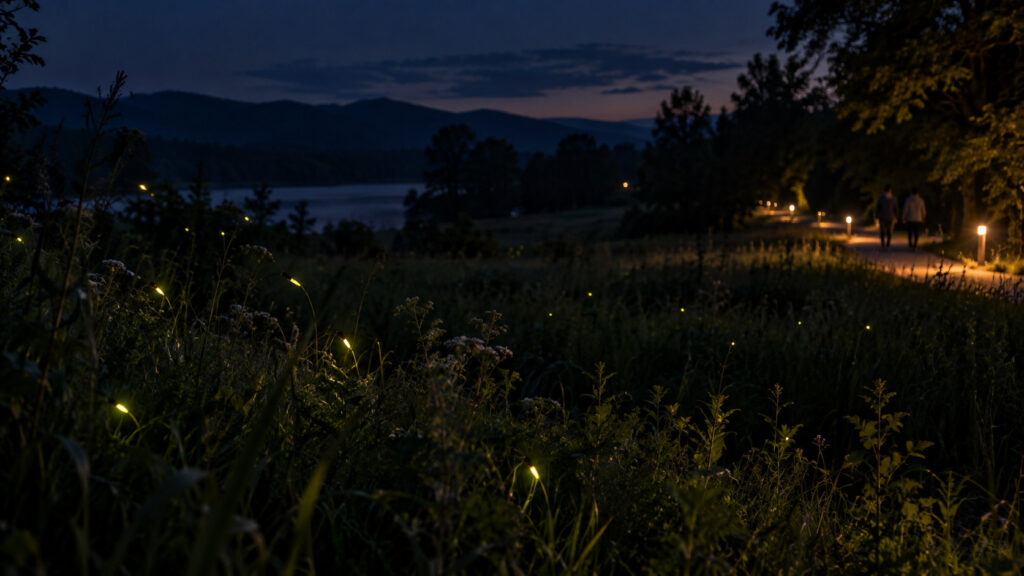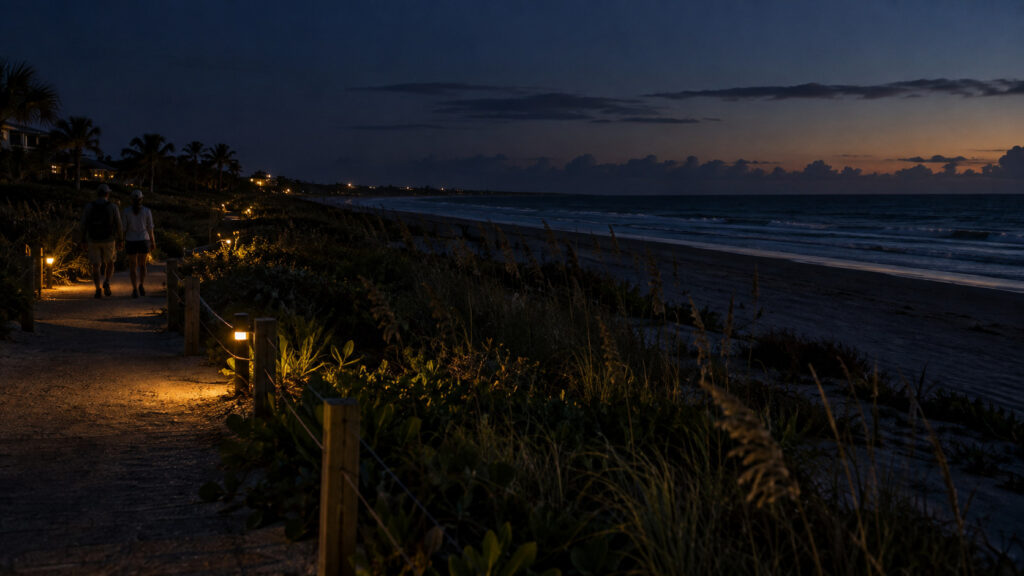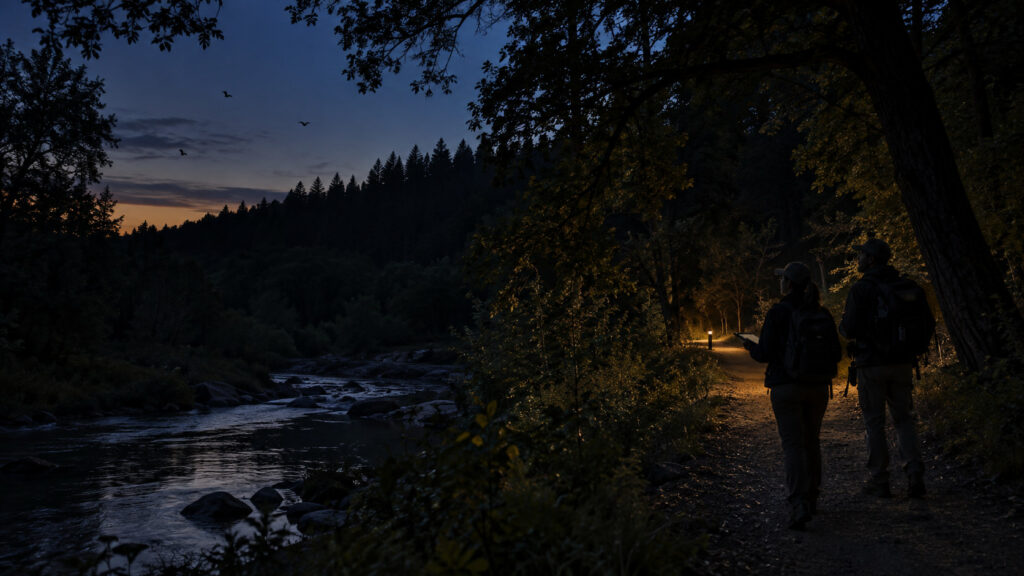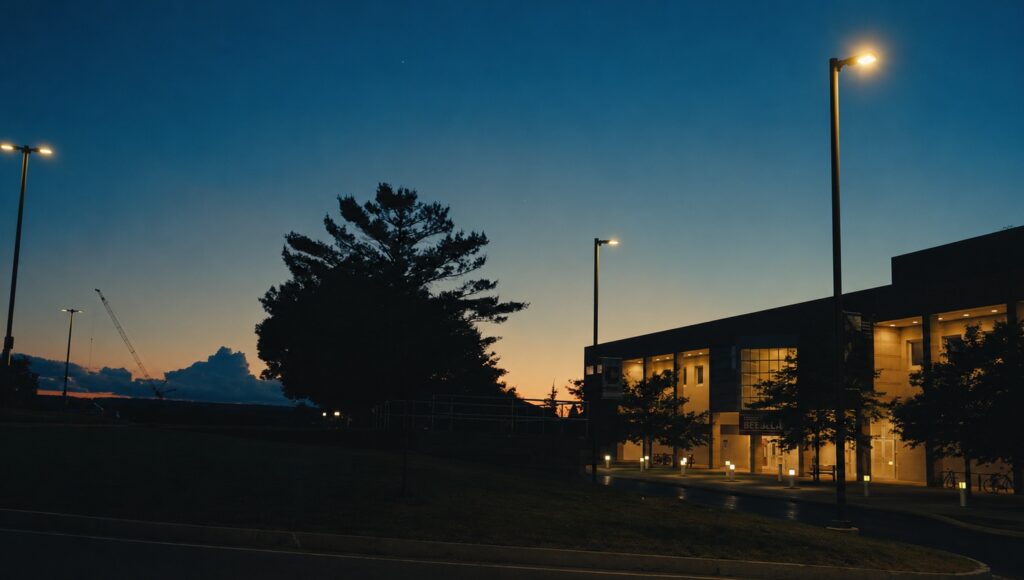

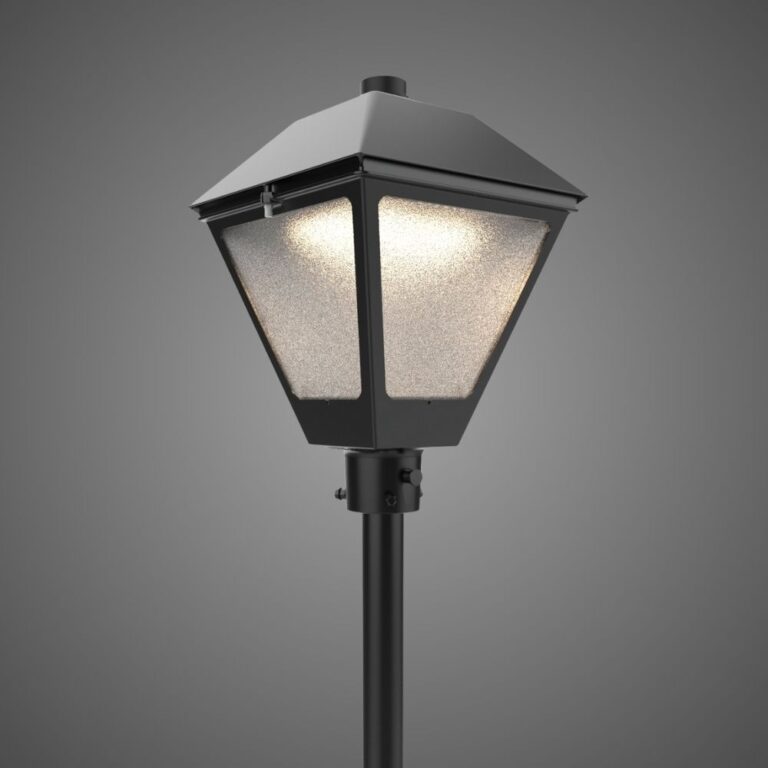

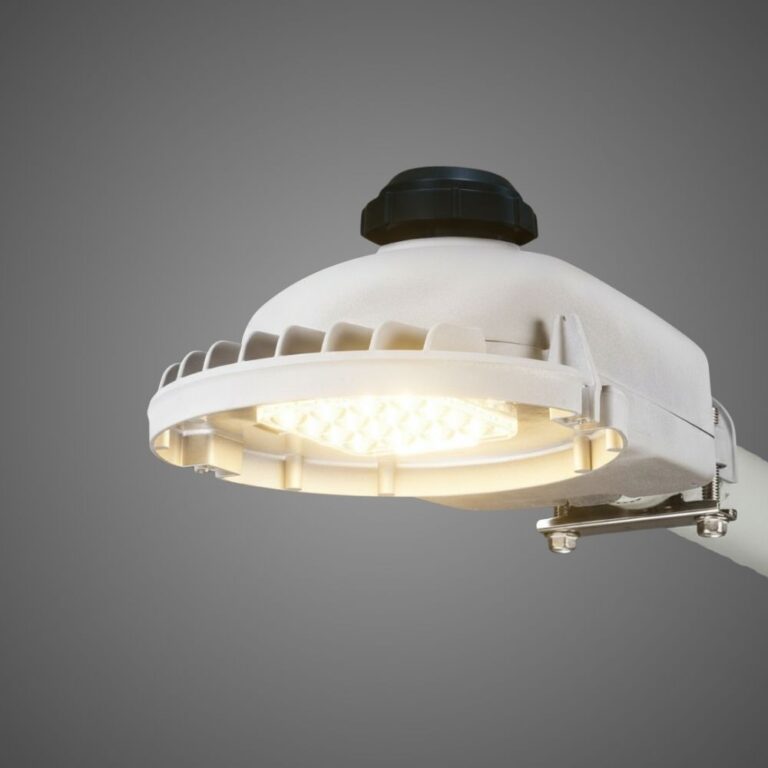
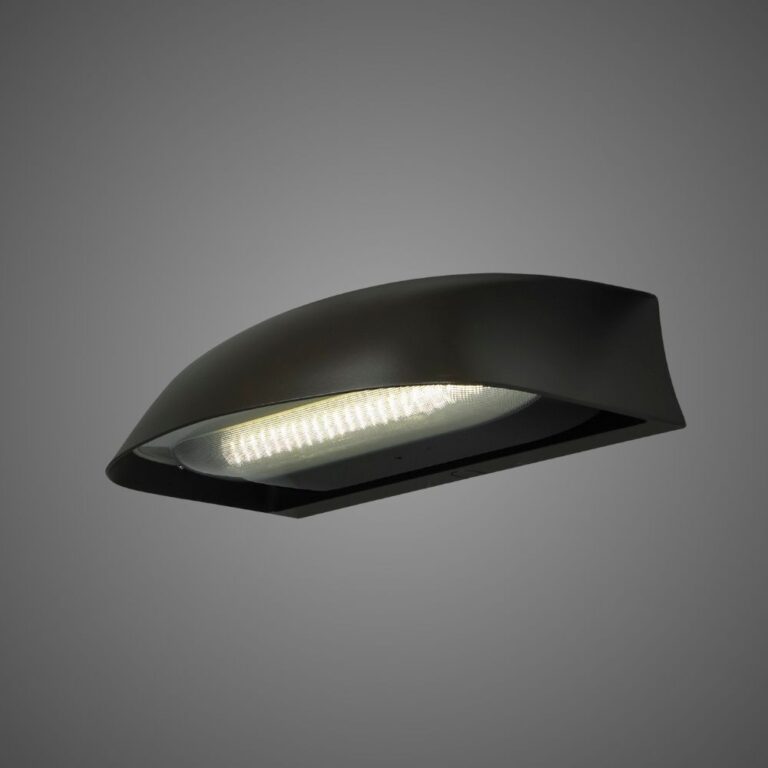



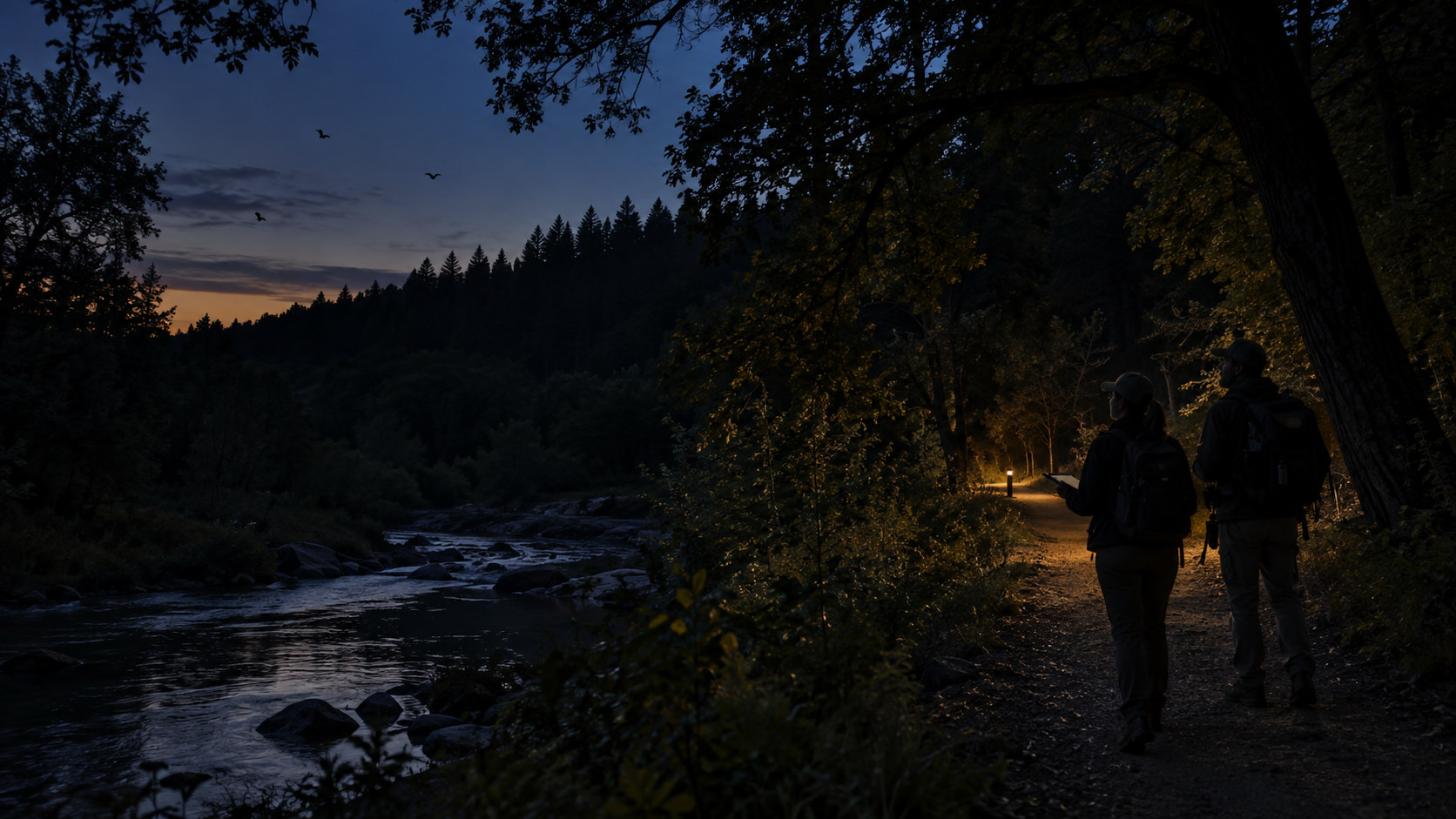
Bat-friendly lighting is site-specific outdoor lighting that preserves darkness where bats need it and confines necessary light to the task at hand. It is not a universal lamp specification; qualified ecological review should inform each roadway, trail, public-facility, or habitat-adjacent project.
For city and transportation-agency teams, that approach helps keep ecological considerations connected to the operational purpose of the installation. It also avoids a common mistake: treating a warm-colored source, a control system, or a shield as a stand-alone solution.
Use a five-step process: assess habitat and existing darkness; avoid lighting where it is unnecessary; target required light to the task; control level, timing, and spectrum; then validate the installed condition with the relevant professionals.
Key takeaways
- Assess habitat context, likely bat activity, and existing darkness before selecting luminaires or controls.
- Keep habitat edges, roost approaches, and likely commuting routes dark where lighting is not necessary.
- When light is necessary, target it carefully, use the lowest suitable level, and manage operating hours.
- Treat spectrum as one design variable, not a universal bat-protection label.
- Document ecological constraints, lighting intent, and commissioning checks so future changes do not undo the design.
Why bat habitat changes an outdoor-lighting decision
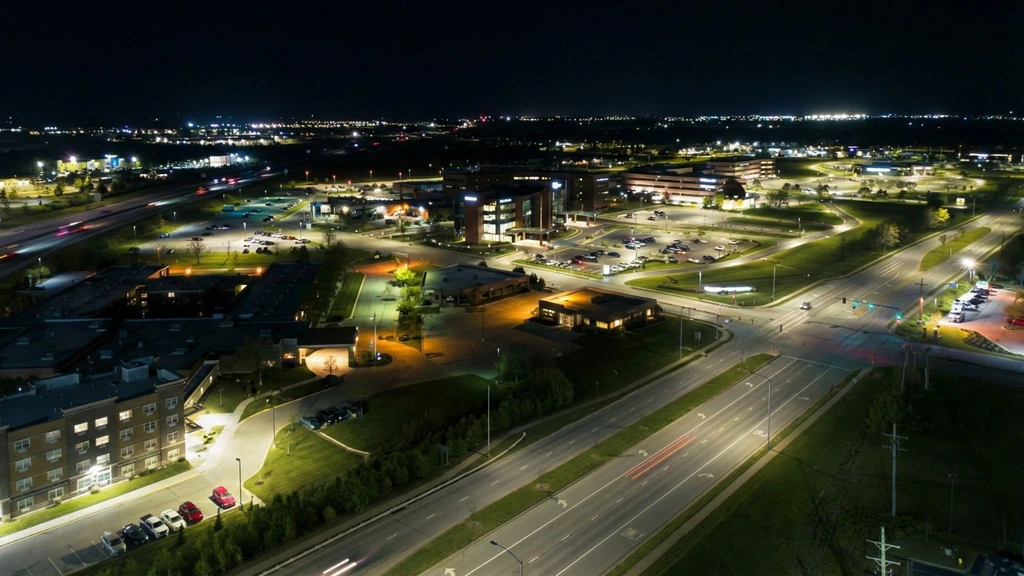
Artificial light at night can create glare, sky glow, light trespass, and clutter. For background on the broader categories, see understanding light pollution. Near a bat habitat, however, the relevant question is more specific: could light enter a place or time that a bat may use for roost access, foraging, or movement through the landscape?
That question matters around more than remote preserves. A municipal lighting project may sit beside a wooded roadway edge, a bridge, a drainage corridor, a park boundary, a trail connection, or a public facility with mature vegetation. The project team should not assume that a site is ecologically neutral because it is already developed, nor assume that every dark area can remain unlit regardless of the actual task.
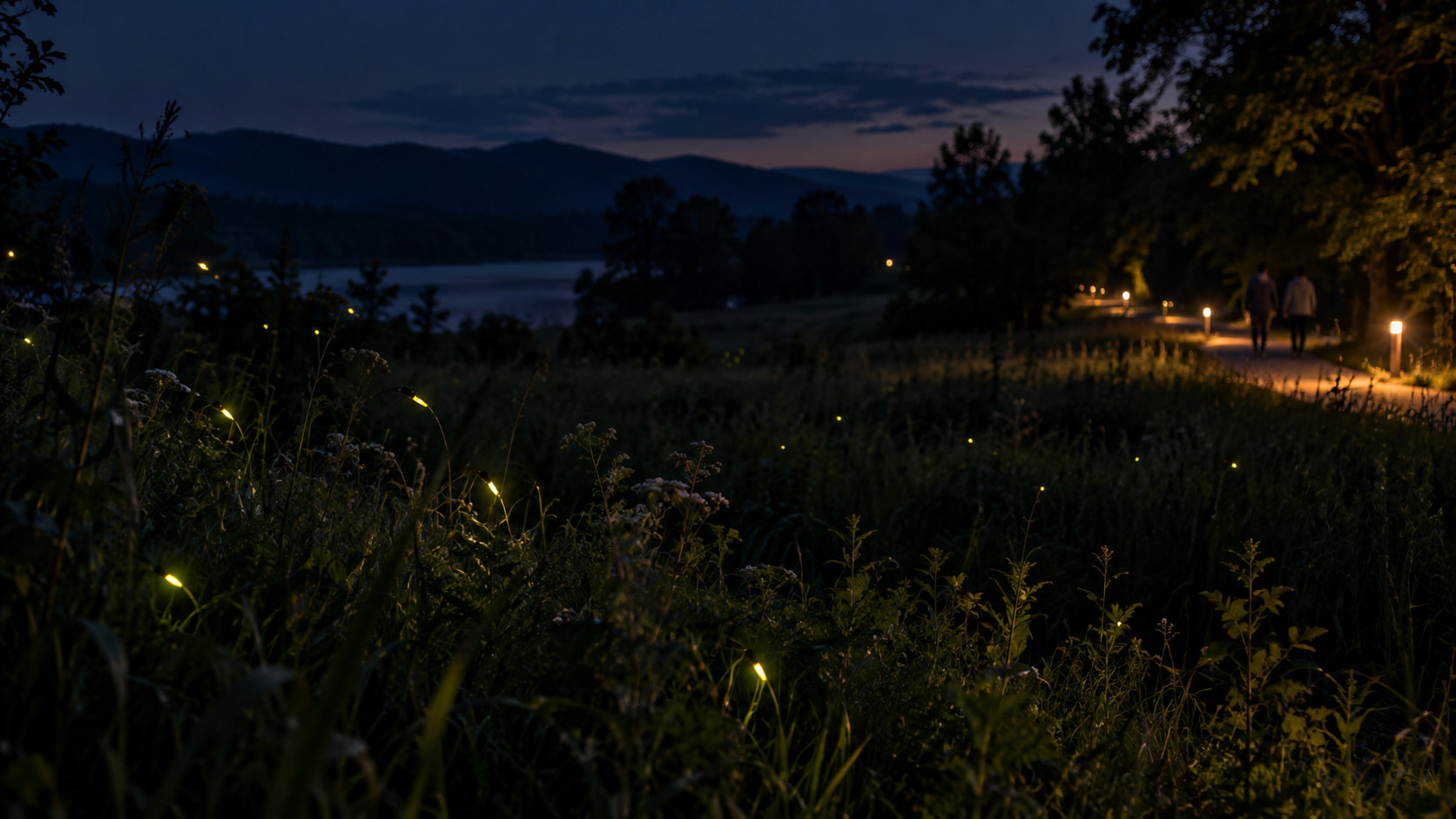
The practical objective is to separate the area that genuinely needs illumination from nearby areas where darkness is an important condition. That framing keeps the decision grounded in the public-infrastructure task while recognizing that lighting can extend beyond the pavement, path, entrance, or work area it was intended to serve.
A flight corridor is a planning constraint, not a fixture category
“Flight corridor” is often used to describe a route bats may use while moving between roosting and feeding areas. The phrase should prompt site assessment, not a generic design recipe. Species, seasonal use, surrounding habitat, local rules, and existing nighttime conditions can all affect what a qualified ecologist identifies as relevant.
For that reason, a project should not claim that any fixture is “bat safe” or that a single spectral choice will protect a corridor. Instead, preserve or restore darkness where the task does not require light, then carefully constrain the light that remains necessary. This distinction is especially important when a proposed light is near vegetation, water, structures with potential roost features, or a connection between habitat areas.
Start with avoidance, then design the remaining light
The first design question is simple: does this location need light for a defined operational purpose? If the answer is no, leaving it dark may be more effective than attempting to mitigate added illumination later.
If the answer is yes, reconsider placement and layout before choosing a luminaire. Moving a light point, changing the direction of travel, limiting an illuminated zone, or separating a task area from a habitat edge can reduce the amount of mitigation the system must perform. These are project decisions, not universal environmental or roadway requirements; the responsible agency, design team, and applicable authorities determine what is appropriate.
Start with a site-specific ecological and operational assessment
Bat-friendly lighting begins with information that lighting schedules and product cut sheets alone cannot provide. The assessment should make both the lighting task and the ecological constraints visible to the same project team.
Document the public-space function and when lighting is actually required.
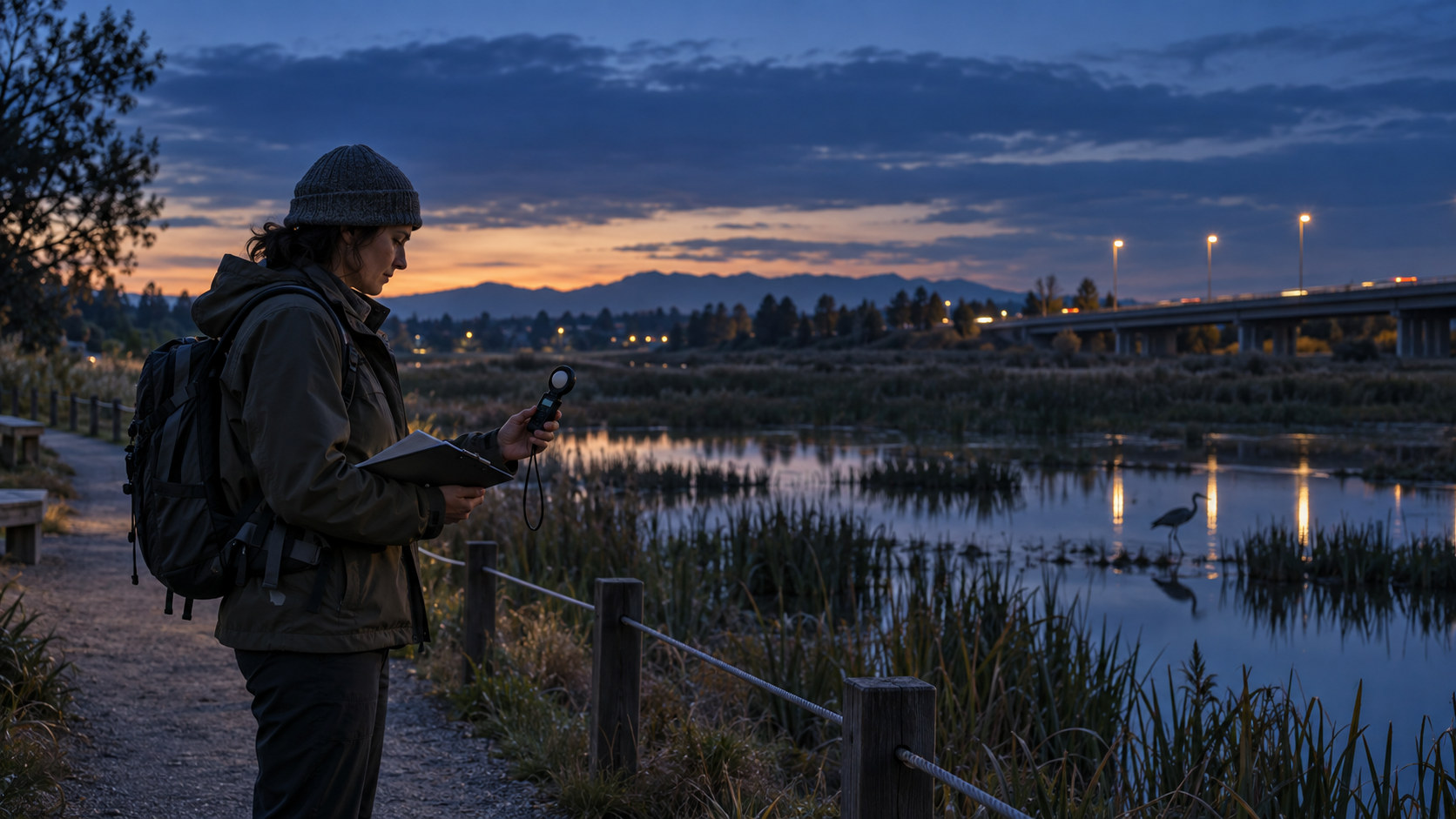
Map wooded connections, dark routes and viewpoints before setting optics.
Coordinate direction, level and timing, then check the installed condition.
Bring ecological and lighting specialists together where the site or local requirements warrant it.
Map the task, the edge, and the existing night condition
Begin by documenting the physical area that must be illuminated and why. For a transportation project, the relevant outdoor lighting applications may include a crossing, path, maintenance access point, intersection approach, transit stop, or facility entrance. Record the users, operating hours, surface conditions, and the responsible roadway or facility requirements that shape the task.
Then identify what surrounds that task area. Relevant context can include vegetation edges, water, bridges, culverts, buildings, mature trees, known habitat information, existing poles, and sources of light spill. The goal is not to conduct a bat survey through an article. It is to ensure the lighting designer and ecological professional have a shared map of the decision.
Existing conditions matter. An added luminaire can change a relatively dark edge even when it appears modest beside a brightly lit roadway. Conversely, an existing system may already create spill that a retrofit can reduce through better aiming, lower levels, or schedules. Field observations, drawings, and photometric work should be reviewed as project evidence, not treated as a substitute for local ecological findings.
The assessment should also distinguish permanent conditions from temporary needs. Construction access, seasonal maintenance, incident response, and a routine nighttime use can call for different approaches. Recording the reason, expected duration, and decision owner for each need helps a team avoid converting a short-term request into a permanent increase in nighttime illumination.
That record is useful at procurement as well as design. It gives bidders and reviewers a clear description of the task area and operating intent, while leaving ecological conclusions to the qualified professional who evaluated the site. It also makes later questions about a pole, schedule, or added fixture easier to compare with the original project basis.
Bring ecology, lighting, and roadway requirements together early
Lighting near potential bat use is not solely an environmental topic or solely an electrical topic. It may involve land managers, transportation engineers, lighting designers, operations staff, ecologists, and permitting authorities. Early coordination gives the team time to consider alternatives before a pole location, service route, or operating schedule becomes difficult to change.
The Bat Conservation Trust’s artificial-lighting guidance, accessed July 29, 2026, points practitioners to specialist guidance on considering bats in lighting schemes. The Institution of Lighting Professionals’ Guidance Note 8 on bats and artificial lighting at night is a current professional reference; confirm its version and local applicability before using it on a U.S. project. These are UK professional references, not U.S. legal standards. Their value here is the underlying discipline: treat bat considerations as site- and project-specific, and confirm the applicable local rules and professional responsibilities.
For a U.S. municipal or agency project, local environmental obligations, roadway design requirements, and authority review govern. The article cannot determine whether a survey, permit, specific illuminance target, buffer, or operating restriction applies to a particular site.
Direct necessary light only to the task area
Once a defined task remains, the design should make it clear where light belongs and where it should not go. The Five Principles for Responsible Outdoor Lighting, published jointly by DarkSky and the Illuminating Engineering Society and accessed July 29, 2026, describe lighting as useful, targeted, low level, controlled, and warm-colored where possible. These are general responsible-lighting principles, not bat-species prescriptions, but they provide a useful structure for public-infrastructure planning.
Target the beam and manage spill and glare
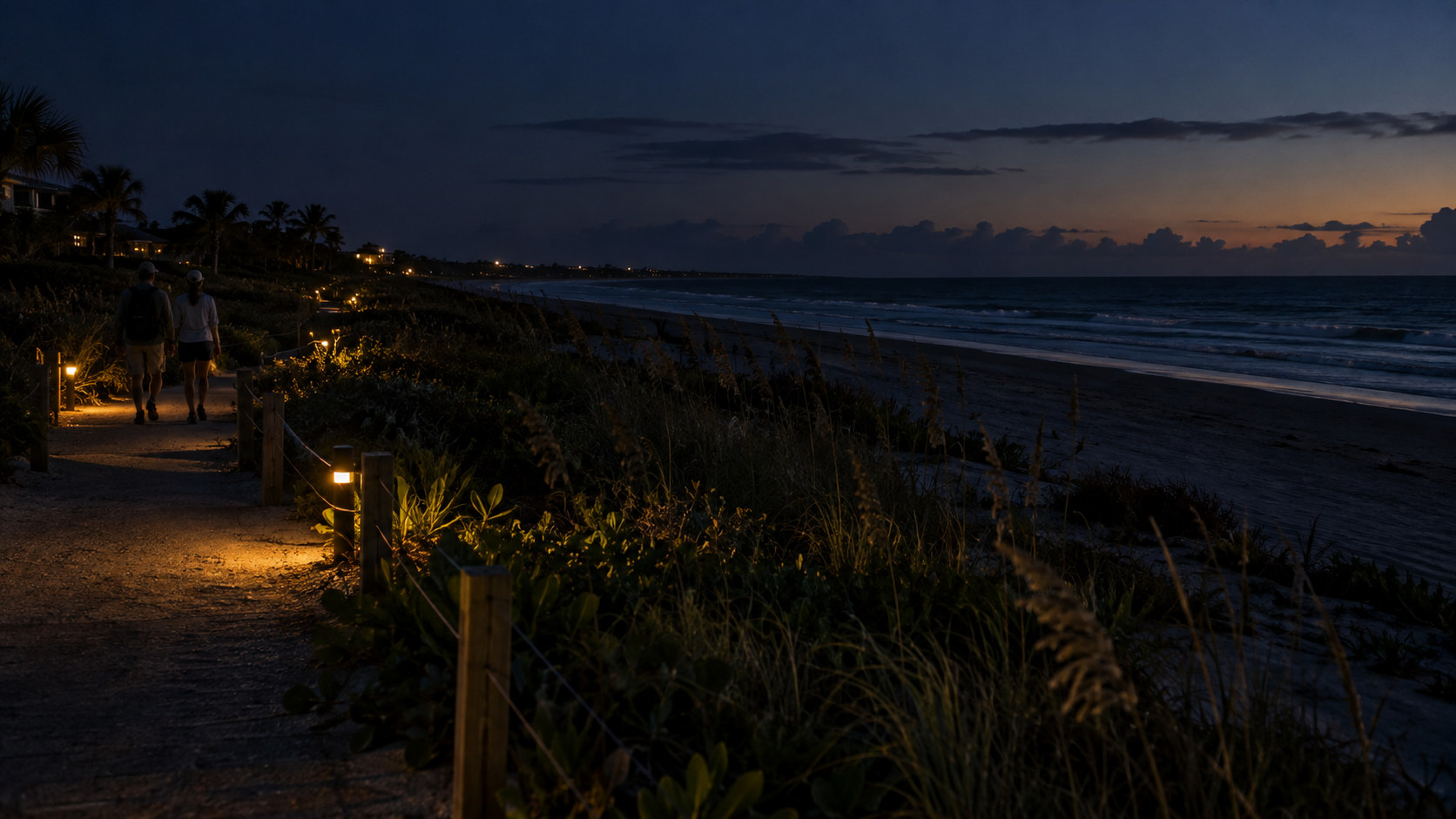
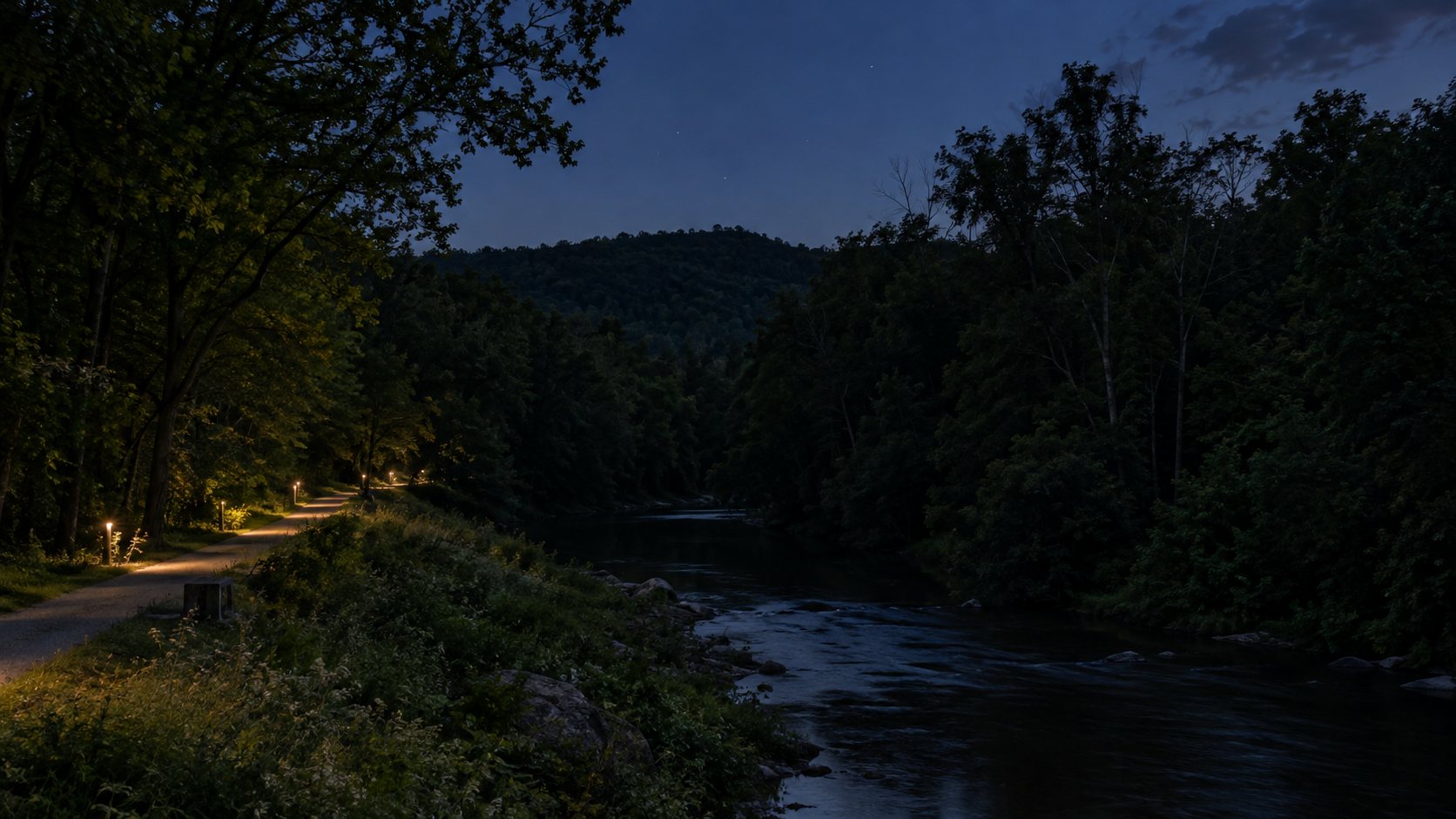
Targeted lighting means directing light to the roadway, walkway, entrance, or work surface that requires it. Shielding and careful aiming can help keep light from reaching adjacent canopy, water, building features, or open habitat beyond the task area. Glare deserves attention too: a bright source can be visually disruptive to people and can signal that the beam is not being used efficiently.
Design drawings and photometric submittals can show intended distribution, but field conditions still matter. A pole may sit beside a slope, a reflective surface, vegetation that changes seasonally, or a structure that was not fully represented in an early model. A nighttime commissioning walk with the relevant project professionals provides a practical chance to observe where light actually falls.
This is not a promise that shielding eliminates ecological effects. It is a way to make the installation accountable to its defined boundaries. The narrower the needed task area, the more important it is to avoid treating neighboring darkness as excess capacity for the lighting system.
Use the lowest suitable level, not a generic number
“Low level” does not mean underlighting a roadway, facility, or path. It means using no more light than the actual task and applicable project requirements call for. The appropriate level depends on the activity, user needs, surface characteristics, traffic or facility context, maintenance conditions, and the standards or policies that govern the project.
Avoid placing a universal illuminance value in a bat-habitat brief without an applicable professional basis. A value that may be discussed in one ecological or planning context is not automatically appropriate for another site, jurisdiction, or roadway function. Instead, ask the design team to show how the required task area, design criteria, and no-light areas were considered together.
Use timing and spectrum as coordinated controls
Controls and source characteristics can be valuable parts of a bat sensitive lighting design. They work best when they support an already disciplined layout, rather than compensate for a poorly placed or overbroad installation.
Set operating schedules around the real task
The “controlled” principle calls for light when it is needed, with dimming or shutoff considered when it is not. For a public agency, that can mean evaluating schedules, dimming profiles, or other operating modes against the actual service need and the project’s ecological findings.
Controls should be specified in operational terms. Who can change the schedule? What triggers a temporary override? How will staff know a setting has changed? What is the process for reviewing a request to add light or extend operating hours? These questions matter because a carefully designed installation can change over time through maintenance, security requests, seasonal events, or new uses of the site.
Do not represent dimming, timers, or remote controls as guaranteed wildlife, energy, or maintenance outcomes. Their effect depends on the baseline, configuration, operating practice, and the site-specific ecological context. Their planning value is that they can help the system match its service to a defined need rather than operate at one fixed condition by default.
Why warm-colored light is not a complete answer
DarkSky’s principles recommend limiting shorter-wavelength blue-violet light to the least amount needed where possible. That makes spectrum a legitimate topic in nocturnal wildlife lighting, but it does not make a warm-colored light universally suitable for bats.
Bat response can vary with species, habitat, activity, timing, intensity, direction, and the full lighting environment. A project should therefore avoid claims that one correlated color temperature, filter, or color name is automatically bat-friendly. The ecological reviewer and lighting professional should evaluate spectrum alongside placement, shielding, level, and controls.
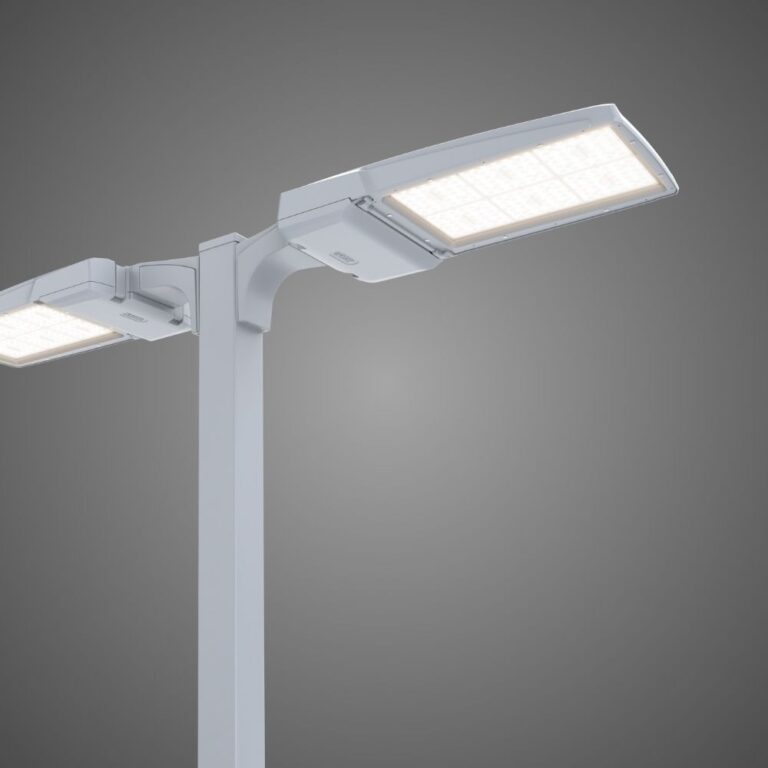
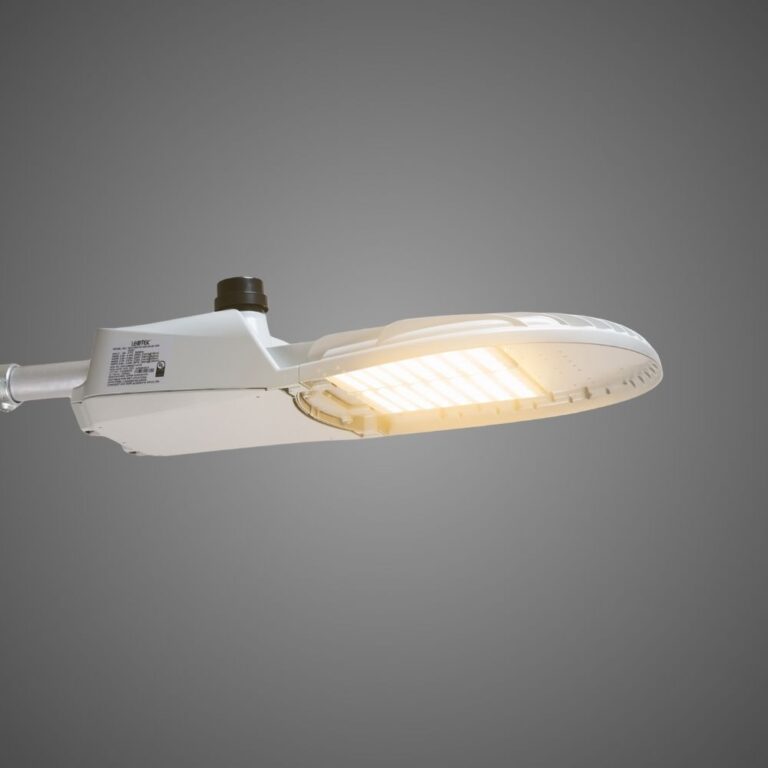
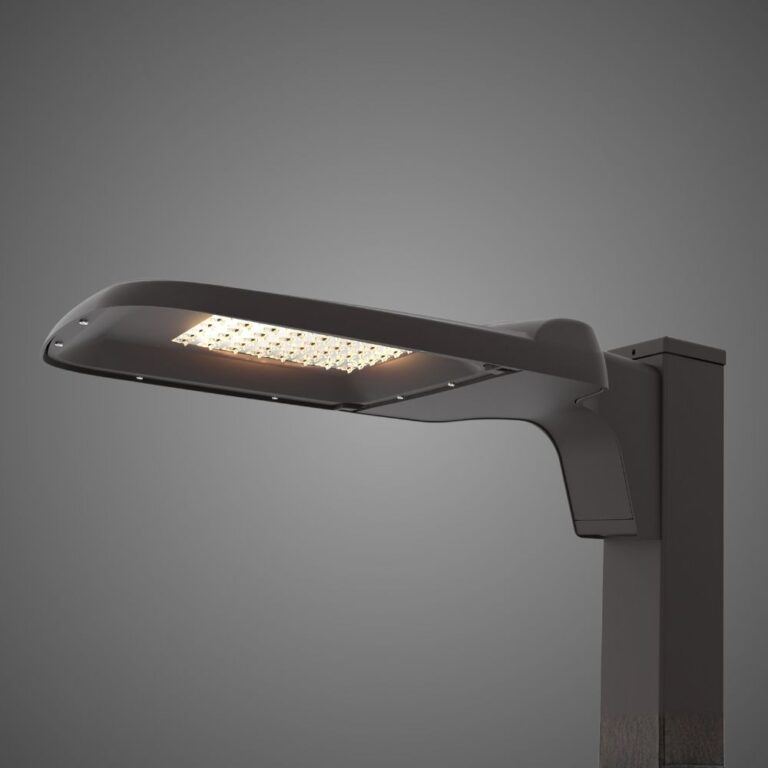
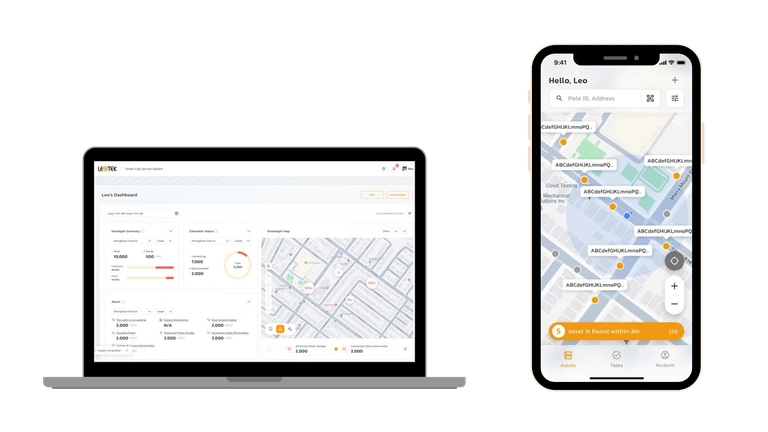
LEOTEK presents ECOridge ecological lighting as a technology page describing spectrum engineering, blue-light filtering, shielding, monitoring, and adaptive dimming for sensitive habitats. That is a first-party description of its stated approach, not evidence of bat-specific testing, certification, site suitability, or a wildlife outcome. Use that distinction in any product or technology conversation.
Translate the design into a reviewable procurement and commissioning plan
A habitat-sensitive design is easier to maintain when its intent is recorded in the project documents. Otherwise, later substitutions, re-aiming, added poles, or schedule changes can erase the original limits without anyone recognizing the ecological tradeoff.
Questions to put in the project brief
For each lighting zone, a concise brief can document:
- the task that requires illumination and the expected hours of use;
- the area intended to receive light and adjacent areas intended to remain dark;
- ecological findings and the responsible professional or authority that supplied them;
- proposed mounting locations, aiming, shielding, and required photometric documentation;
- the design criteria used for the task area, with their applicable project basis;
- operating schedules, dimming or shutoff logic, overrides, and responsibility for changes;
- commissioning checks, maintenance procedures, and the review path for future modifications.
The checklist is a coordination tool, not a substitute for plans, specifications, permits, or engineering judgment. Its purpose is to help procurement and operations teams ask for information that can be evaluated, rather than relying on broad labels such as “eco-friendly” or “bat-friendly.”
Validate the installed condition and manage changes
Commissioning should confirm more than whether fixtures turn on. Compare installed aiming, shielding, levels, and controls with the approved project intent. A documented nighttime review can reveal unintended spill at habitat edges or a control schedule that does not match the planned use.
The same discipline applies after handoff. Maintenance staff and operators need a clear route for reporting a failed shield, changed aiming, or schedule adjustment. If the site’s use changes, revisit the ecological and operational basis before extending the illuminated area. This is project management, not a claim that any particular inspection method satisfies a regulatory obligation.
Clear acceptance records also help when responsibility changes hands. They can identify the approved aiming condition, control settings, and documents that informed the original design, without implying that those records replace future site review. When a replacement, upgrade, or temporary installation is proposed, the team can use the record to ask whether the task area or ecological context has changed before treating the new condition as equivalent.
Teams evaluating current documentation can use LEOTEK’s product specifications and resources hub as a navigation path. Verify the current document date, model, configuration, and revision before relying on any technical, listing, warranty, or compliance statement.
Frequently asked questions
What is bat-friendly lighting?
Bat-friendly lighting is a site-specific approach that protects darkness where possible and constrains required light through placement, targeting, level, timing, and spectrum. It should be informed by qualified ecological review and the project’s applicable roadway, facility, and local requirements. It is not a universal fixture label or a guarantee of a biological outcome.
Are warm-colored lights enough to protect bats?
No single color description is enough. Limiting shorter-wavelength light may be one consideration, but the appropriate choice depends on the bat context and the complete design. Placement, spill, brightness, operating hours, and the need to preserve dark areas remain central.
Can a road or trail be lit near a bat flight corridor?
Possibly, but the answer depends on the defined task, the ecological findings, local requirements, and the ability to avoid or tightly confine light. Consider alternatives first, then have the responsible project professionals evaluate the remaining lighting design and its operating plan.
Who should review lighting near known bat habitat?
The appropriate team commonly includes the responsible agency or site owner, lighting and roadway or facility professionals, and a qualified ecological professional. Local permitting or environmental authorities may also have a role. The exact responsibilities depend on the jurisdiction and project.
Bat-friendly lighting is most credible when it begins with darkness as a resource, not lighting as a default. Preserve that darkness where the task does not require illumination. Where necessary light remains, use a documented, site-specific design and commissioning process that lets ecological constraints and public-infrastructure needs be assessed together.
To document habitat and operating conditions before specifying equipment, use the ecological lighting site assessment guide. For boundary and scheduling decisions near sensitive areas, see dark corridors, buffer zones, and lighting curfews.
References
- DarkSky International, What is light pollution?; accessed July 29, 2026.
- Bat Conservation Trust, Artificial Lighting Guidance; accessed July 29, 2026.
- Institution of Lighting Professionals, GN08 Bats and Artificial Lighting; accessed July 29, 2026.
- DarkSky International, Five Principles for Responsible Outdoor Lighting; accessed July 29, 2026.
- LEOTEK, Light Pollution Explained: Impacts and Solutions; accessed July 29, 2026.
- LEOTEK, Outdoor Lighting; accessed July 29, 2026.
- LEOTEK, ECOridge™ | Ecological Lighting; accessed July 29, 2026.
- LEOTEK, Resources & Documents; accessed July 29, 2026.