



How Should Cities Prioritize Smart Streetlight Alarms Management?
How should cities prioritize smart streetlight alarms? Learn how to validate, group, rank, assign, escalate, and close connected-lighting alerts.
BABA and Buy American Act (BAA) compliant configurations are available for select LEOTEK roadway and traffic lighting products.
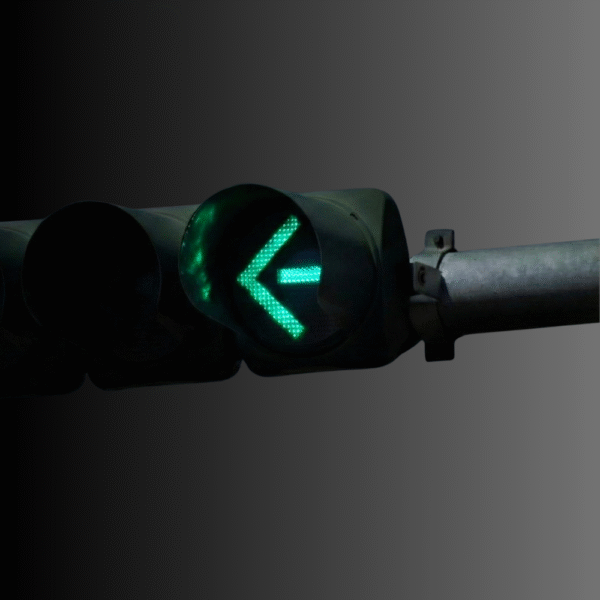
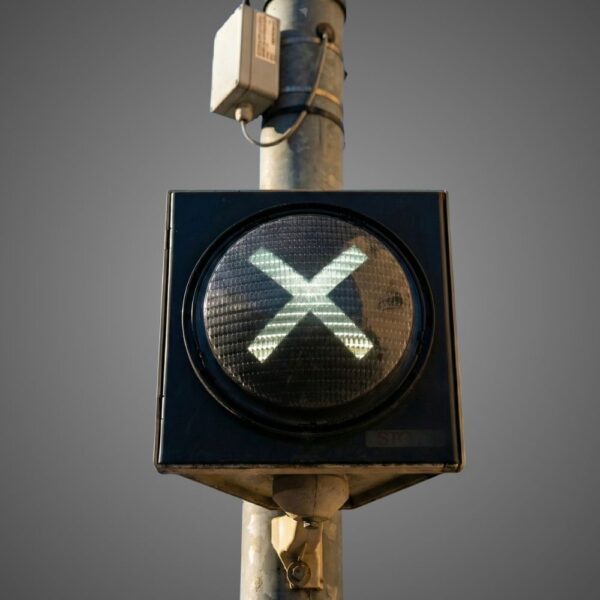
Countdown Signal Module
Hand & Person Overlap
Hand & Person Side by Side
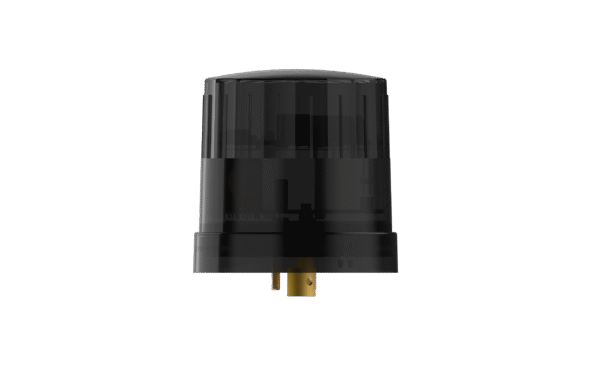
External / Plug-and-Play Smart Node (Mounts externally to the fixture)
Integrable lighting products
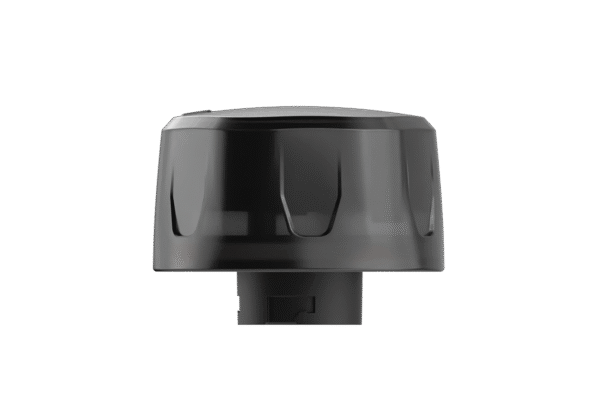
Internal / Integrated Smart Node (Built directly inside the luminaire)
Integrable lighting products
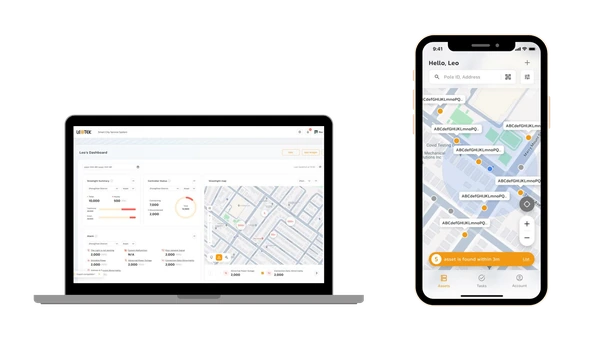
The central AI management system (CMS) of the LEOlink Intelligent Lighting System.
Integrable lighting products
Frontier isn’t just a name—it’s a declaration. Born from the legacy of Dialight’s trusted traffic signal designs and reimagined by LEOTEK’s innovation-driven R&D and product management teams, Frontier stands as a symbol of reliability, evolution, and regional adaptation.

How should cities prioritize smart streetlight alarms? Learn how to validate, group, rank, assign, escalate, and close connected-lighting alerts.

Will an LED streetlight conversion lower utility bills? Learn how streetlight tariffs, ownership, rate codes, inventory records, and dimming affect savings.

Learn how to plan a municipal streetlight pilot project using baseline data, lighting evaluation, controls testing, energy measurement, and resident feedback

Learn the essential streetlight CMS API requirements for asset data, events, commands, authentication, cybersecurity, interoperability, and system integration.

Learn how to plan climate-resilient streetlights for heat, wind, flooding, electrical events, grid disruptions, asset management, and storm recovery.

Utility-owned vs. municipality-owned streetlights can create different responsibilities for assets, billing, maintenance, and upgrades. The better path is not decided by ownership alone: a city

An HPS-to-LED streetlight conversion should not be selected by wattage alone. The appropriate LED luminaire depends on the light needed on the actual roadway or area, the optical distribution and mounting geometry, existing electrical and control conditions, and a verified photometric and commissioning plan.

Campus pathway lighting should be planned around the routes people use after dark, not selected as a stand-alone fixture exercise. A useful plan connects route hierarchy, visual tasks, wayfinding, accessible-route context, glare and spill control, controls, project-specific photometry, and documentation review.

A municipal streetlight audit is a reconciled record of each light, who owns it, how it is billed and maintained, and what field conditions could affect a conversion. Before selecting LED equipment, a city or agency should compare its records with field observations and document what is verified, uncertain, or in need of qualified review.

Ambient temperature affects an LED streetlight by changing how readily the luminaire can release internally generated heat. Hot conditions can raise LED and driver operating temperatures, accelerating lumen depreciation and stressing components, while cold conditions generally favor LED thermal performance but still require verified low-temperature and cold-start ratings.