





Interested in the topics we write about? Add us to your preferred feed now to get the latest, most up-to-date information!
Why Cornell Chose Arieta®
American-Made
LEOTEK’s California manufacturing met the project’s Build America, Buy America Act (BABA) requirements.
Architectural Fit
Arieta’s low-profile housing and refined design complement the architectural character of Cornell’s campus.
Trusted Local Representation
Long-standing relationships among Cornell, GoTToGo Electric, and LEOTEK supported a smooth, coordinated upgrade.
Warranty Confidence
LEOTEK’s standard 10-year warranty provided added confidence in the product’s long-term reliability.
Easy Installation and Reduced Labor
Cornell’s electricians cited Arieta’s ease of installation and maintenance as important practical advantages.
Reliable Delivery and Support
On-time delivery and ongoing manufacturer support helped keep the campus lighting upgrade moving smoothly.
Lighting an Iconic Campus for the Long Term
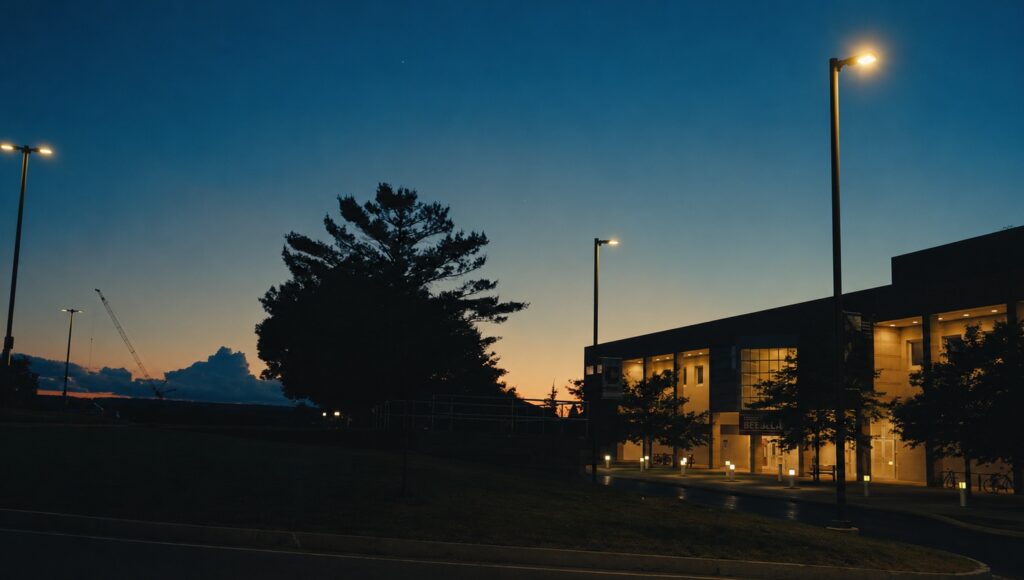
Cornell University’s campus in Ithaca, New York, combines historic architecture with the demanding operational needs of a modern university. As its aging outdoor HID fixtures became less efficient, more visually intrusive, and increasingly difficult to maintain, Cornell needed a lighting solution that could improve long-term performance without compromising the character of the campus.
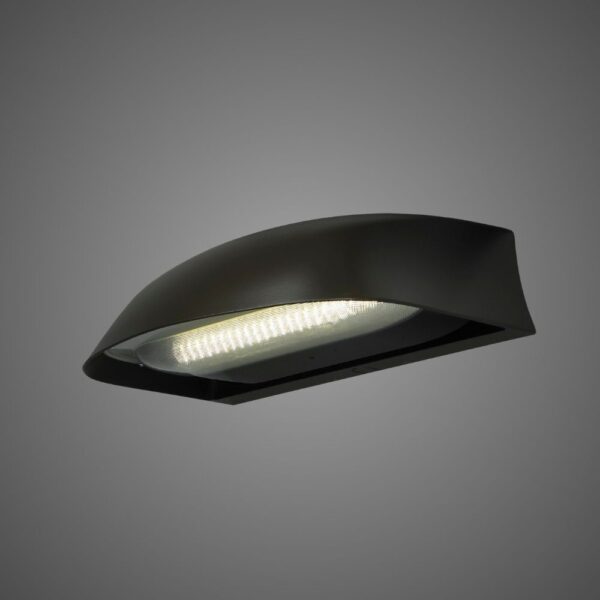
LEOTEK’s Arieta® low-profile LED luminaire provided the architectural styling, durability, energy-efficient performance, and reliable support required for the upgrade.
Project at a Glance
Location: Cornell University, Ithaca, New York
Project Type: Outdoor HID lighting replacement and campus lighting upgrade
LEOTEK Solution: Arieta® low-profile LED luminaire with ComfortGuide™ optics
Project Partners: Cornell University, GoTToGo Electric, and LEOTEK
Primary Objectives: Reduce energy use and maintenance demands, improve architectural integration, and support long-term reliability
Project Requirement: LEOTEK’s California manufacturing met the project’s Build America, Buy America Act (BABA) requirements
Product Warranty: 10-year standard warranty
The Challenge: Replacing Aging HID Fixtures Without Compromising Campus Character
Cornell set out to replace aging, large-profile HID fixtures that were inefficient, visually intrusive, and increasingly difficult to maintain.
The university needed more than a simple one-for-one fixture replacement. The new luminaires had to support the practical requirements of a large campus while fitting naturally within an environment known for its historic architecture.
Cornell was looking for a low-profile architectural fixture that could reduce energy use and maintenance demands, deliver dependable performance for more than a decade, and be backed by a manufacturer and local representative it could trust.
The project established several important priorities:
- A restrained architectural form that would complement the campus
- Energy-efficient LED performance
- Durable construction for long-term outdoor operation
- Reduced installation and maintenance complexity
- Compliance with the project’s BABA requirements
- Reliable delivery and ongoing support
- A strong standard warranty
The Solution: Arieta® Low-Profile LED Luminaires
Cornell selected the LEOTEK Arieta® for its combination of architectural design and practical performance.
Arieta’s clean, low-profile housing gives the luminaire a restrained daytime presence, allowing it to complement the surrounding architecture instead of competing with it visually.
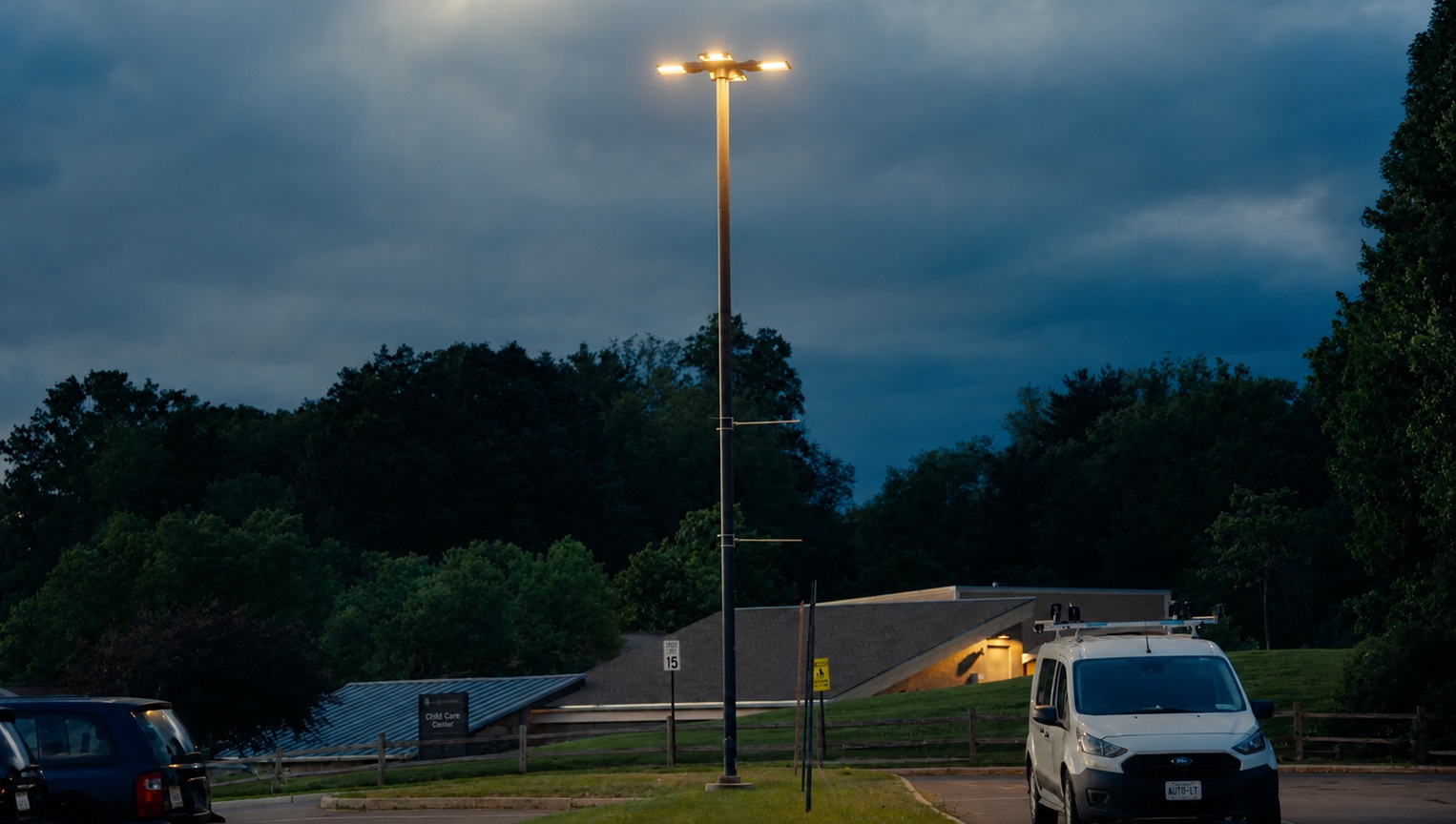
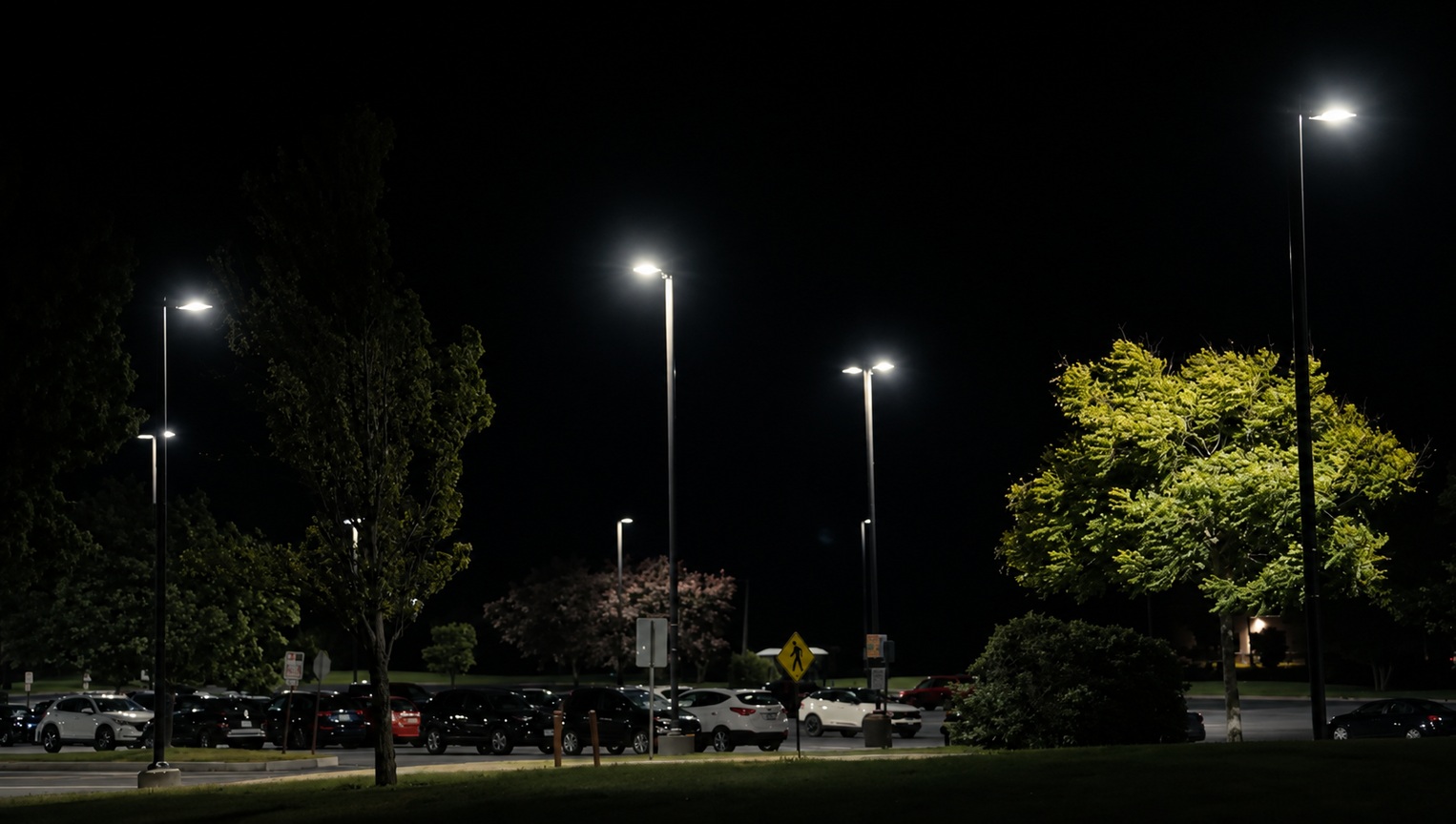
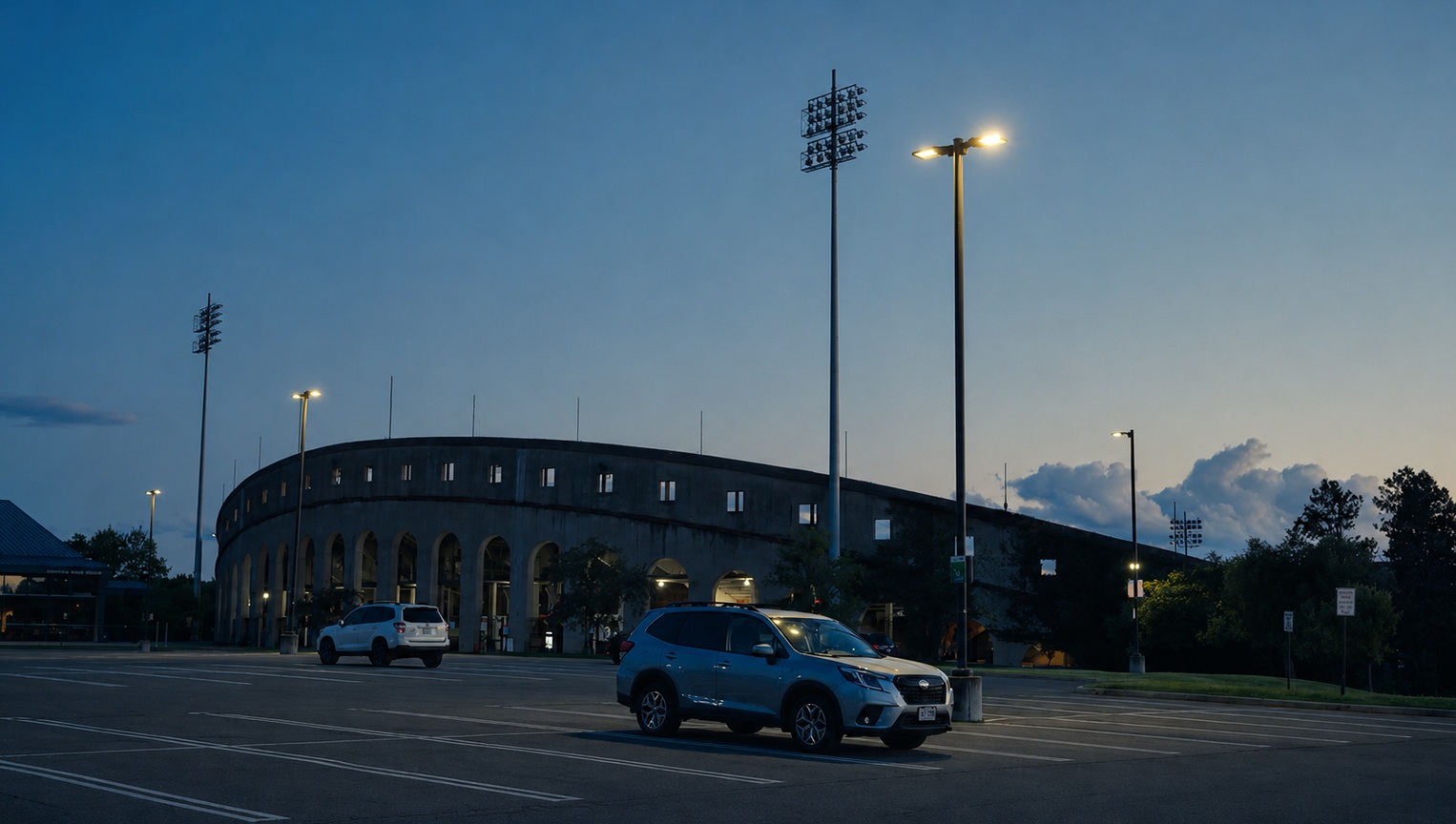
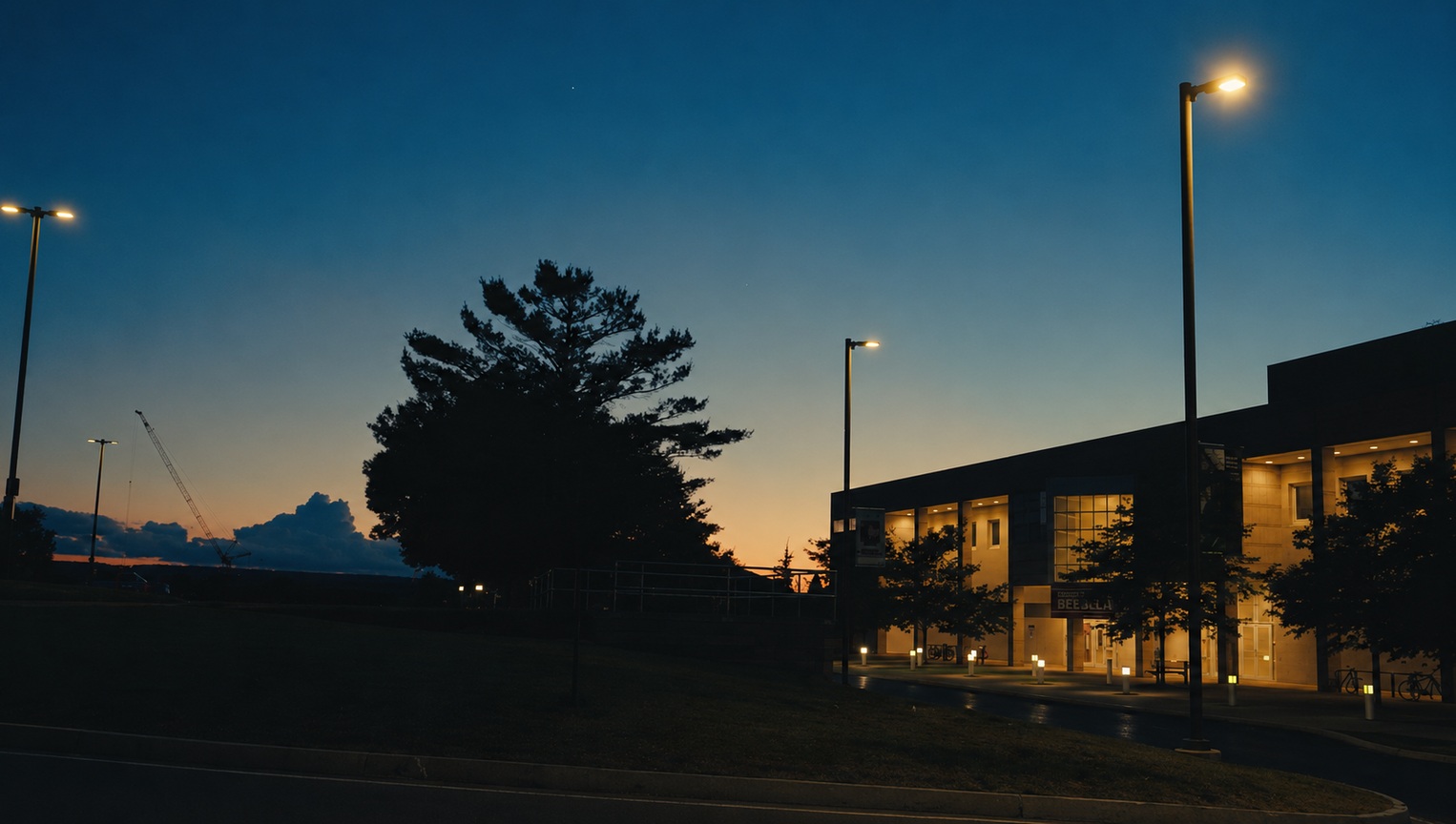
The luminaire combines durable construction with energy-efficient LED performance and LEOTEK ComfortGuide™ optics. Together, these features provide the quality, visual comfort, and functionality expected of a modern campus-lighting solution.
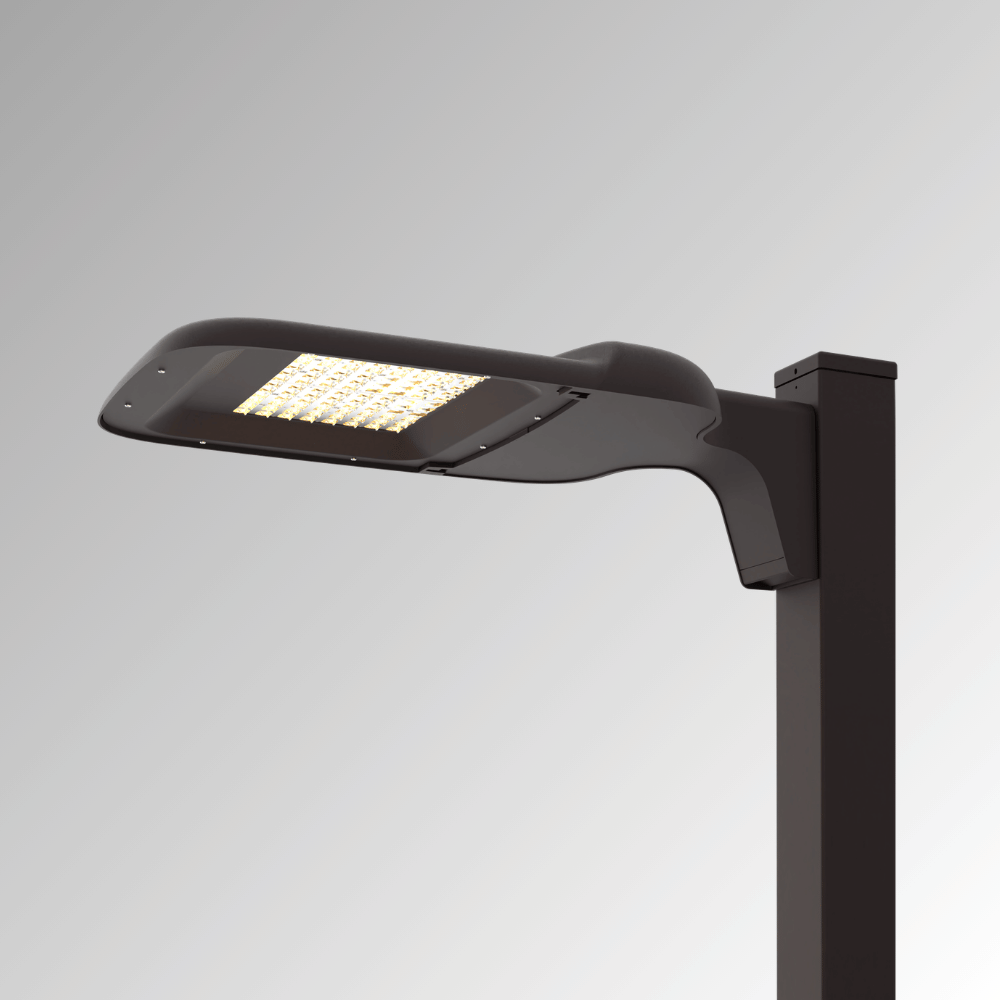
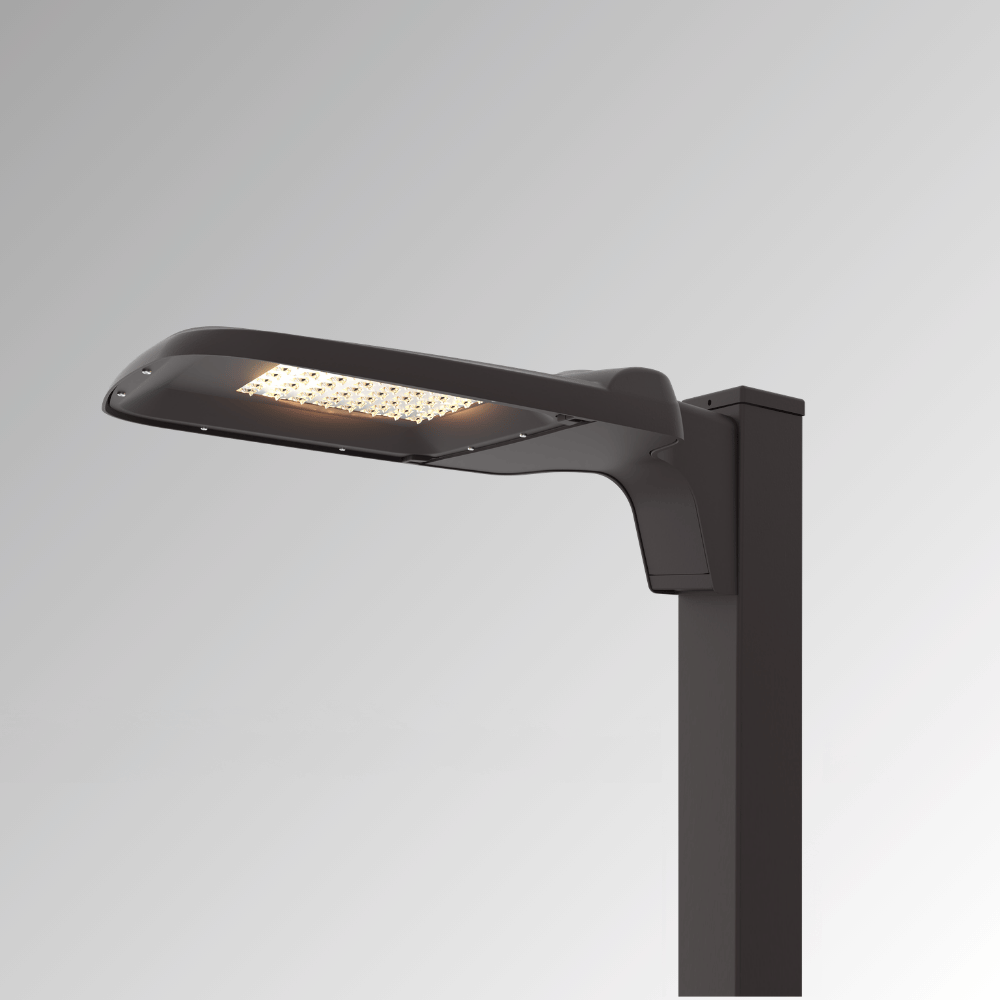
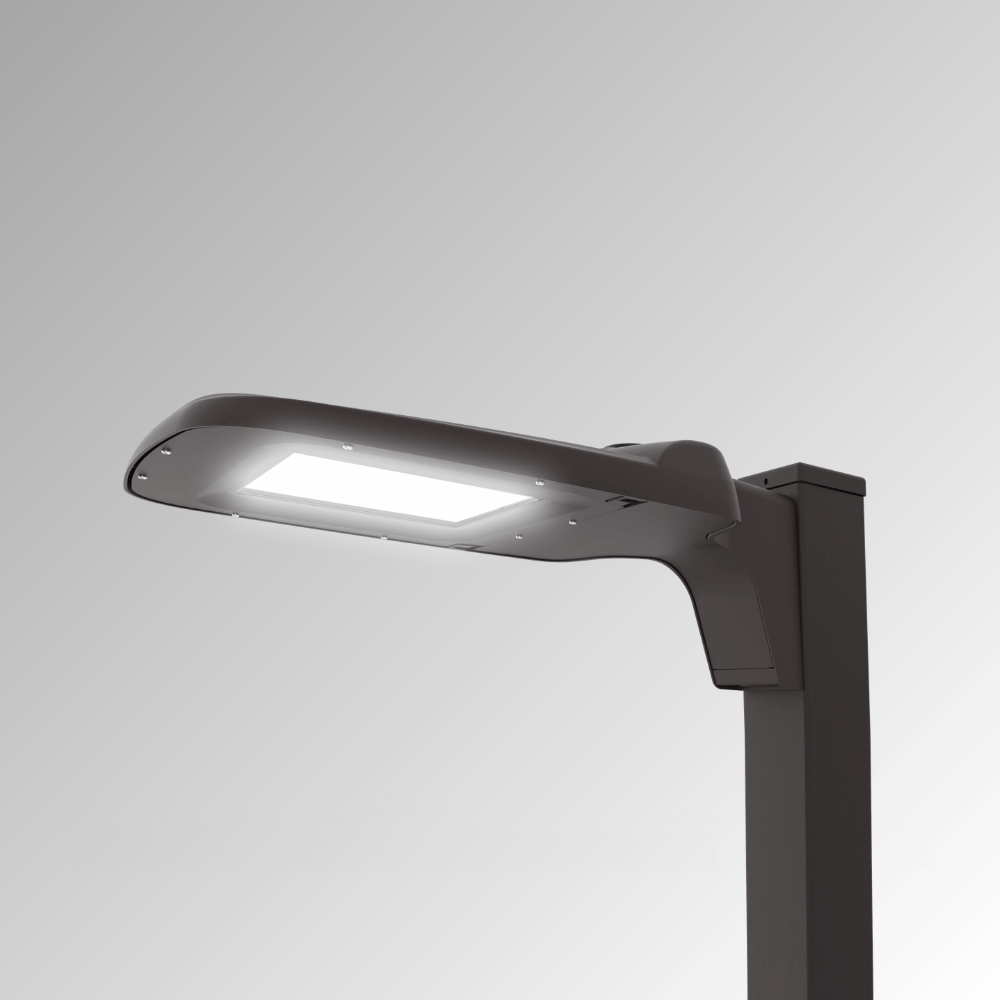
Arieta also met several important project requirements. LEOTEK’s California manufacturing satisfied the project’s BABA requirements, while the product’s standard 10-year warranty gave Cornell added confidence in its long-term investment.
Designed Around the Needs of the Campus
Successful campus lighting must serve the people who use the environment as well as the facilities teams responsible for maintaining it.
For Cornell, the selected solution needed to balance architectural appearance, reliable nighttime performance, ease of installation, and long-term serviceability.
Arieta’s low-profile design helped preserve the visual character of the campus. Its LED platform supported Cornell’s objective of moving away from inefficient HID technology, while its construction and warranty addressed the university’s expectations for durability and long-term reliability.
Cornell’s electricians also cited the luminaire’s ease of installation and maintenance as important advantages. Reducing labor complexity helps make an upgrade more manageable during installation and supports more efficient campus operations throughout the life of the lighting system.
Trusted Relationships Supported the Upgrade
The success of the project was rooted not only in the product, but also in the long-standing relationships among Cornell University, GoTToGo Electric, and LEOTEK.
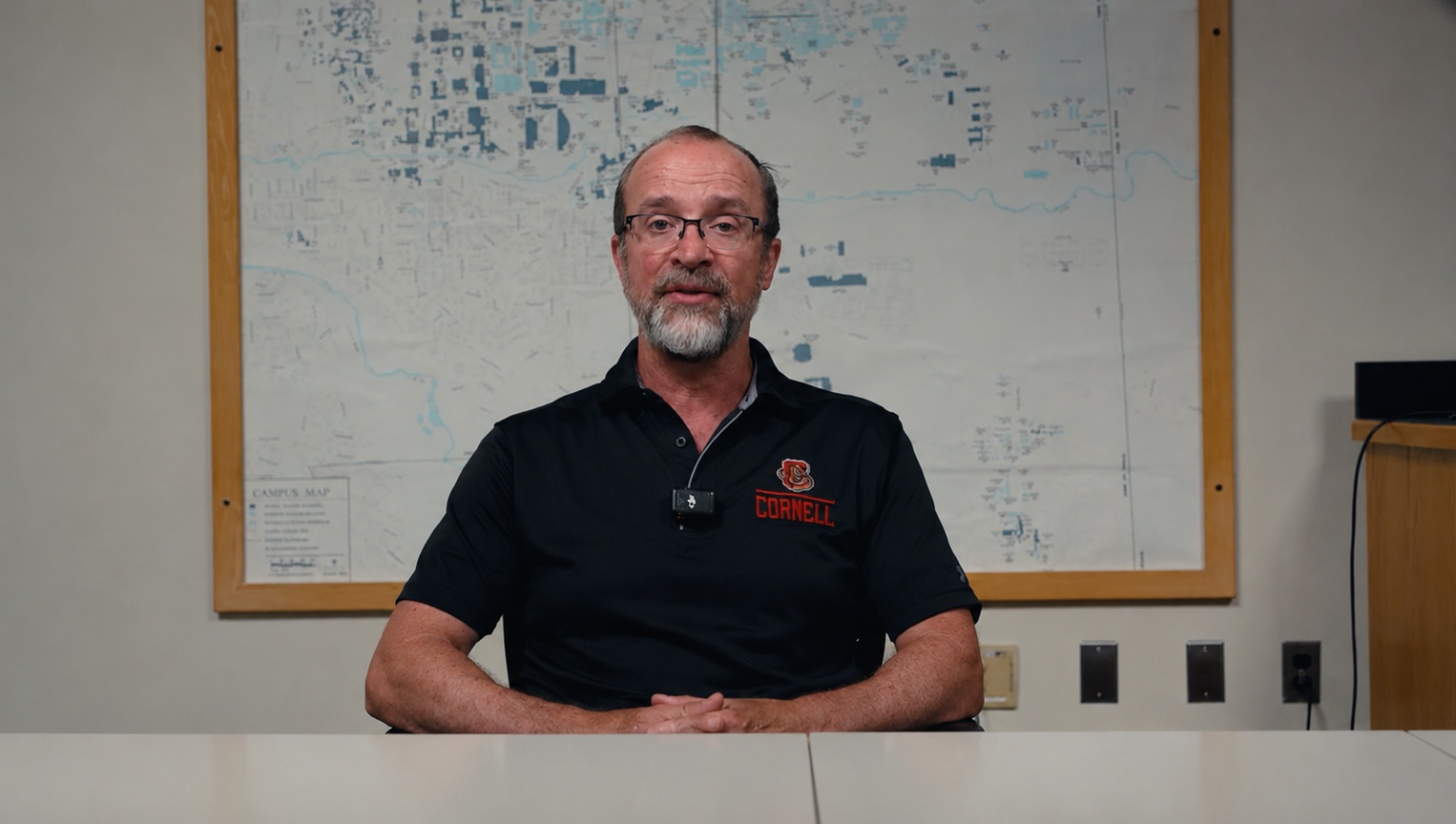
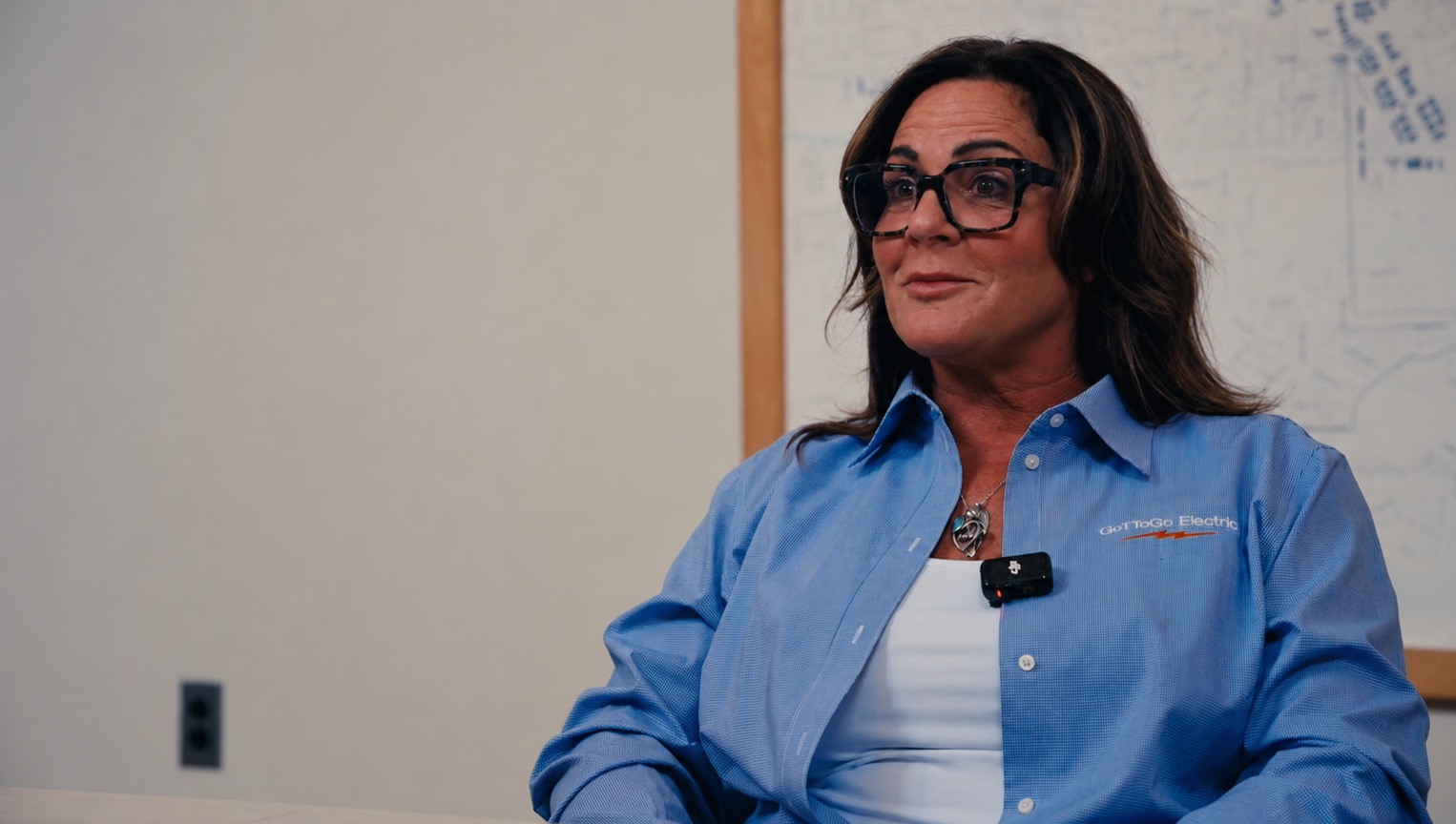
GoTToGo Electric brought 20 years of experience working with Cornell and more than 15 years of experience representing LEOTEK. This combination provided a deep understanding of the university’s needs, familiarity with LEOTEK products, and trusted local support throughout the project.
Cornell was already familiar with LEOTEK and the Arieta platform. Knowing that GoTToGo Electric would remain closely involved made the selection and implementation process even more straightforward.
Together, GoTToGo Electric and LEOTEK supported a smooth upgrade process built around clear communication, reliable delivery, and a shared commitment to the project’s success.
Lighting an Iconic Campus for the Long Term
Cornell’s lighting upgrade demonstrates how an outdoor-lighting project can address operational, architectural, and long-term performance goals at the same time.
By replacing aging, large-profile HID fixtures with LEOTEK Arieta® LED luminaires, Cornell selected a solution designed to reduce energy and maintenance demands while fitting naturally within the character of its historic campus.
The combination of architectural styling, durable construction, energy-efficient performance, ComfortGuide™ optics, California manufacturing that met the project’s BABA requirements, and a 10-year warranty made Arieta a strong fit for the university’s requirements.
Just as important, the established partnership among Cornell, GoTToGo Electric, and LEOTEK provided the experience and support needed to translate product capability into a successful campus upgrade.
Plan Your Campus Lighting Upgrade
Every campus has distinct architectural, operational, installation, and maintenance requirements.
LEOTEK works with universities, contractors, and project partners to identify lighting solutions that support long-term performance while respecting the character of the surrounding environment.
Contact LEOTEK to discuss fixture selection, project requirements, and lighting strategies for your university or institutional site.
Contact LEOTEK:
https://leotek.com/contact/
Download the Cornell University Project Profile:
https://leotek.com/wp-content/uploads/2026/08/Cornell-Project-Profile_8.24.26_Final.pdf