







Ecological dark corridors, lighting buffer zones, and outdoor-lighting curfews give city and transportation-agency teams a way to limit unnecessary artificial light near sensitive habitat while retaining light for verified site tasks. Their boundaries, lighting levels, spectra, and schedules must be set through site-specific ecological, lighting, operational, and jurisdictional review.
Outdoor lighting is often discussed as a fixture-selection question. In a habitat-sensitive roadway, trail, park edge, waterfront, or utility corridor, it is also a question of where light belongs, where it does not, and when it is needed. That distinction matters because a lower-output or differently colored luminaire cannot, by itself, resolve spill, glare, timing, or land-use conflicts.
Key takeaways
- A dark corridor, buffer zone, and lighting curfew are separate controls, not interchangeable labels.
- Start with habitat, operations, and existing-light mapping before selecting equipment.
- Reduce spill, glare, duration, and unnecessary output while verifying the task need and applicable criteria.
- Document commissioning, exceptions, and review responsibilities instead of promising an ecological or operational outcome.
What dark corridors, buffer zones, and lighting curfews mean
The three terms work best as a coordinated planning vocabulary. They are descriptive design tools, not universal regulatory definitions or substitutes for a local lighting ordinance, permit condition, or environmental review.
A dark corridor protects continuity of darkness, a buffer zone manages the transition to necessary light, and a curfew reduces nonessential lighting during defined periods.
| Control | Primary purpose | Core design question |
|---|---|---|
| Ecological dark corridor | Preserve continuity of darkness along a habitat connection or sensitive area | Where should artificial light be avoided or tightly limited? |
| Lighting buffer zone | Manage the transition between a protected area and an illuminated activity area | How will spill, glare, and direct view of sources be controlled at the edge? |
| Outdoor-lighting curfew | Reduce or switch off nonessential light during defined periods | Which lighting tasks end, change, or remain essential at each operating period? |
Dark corridors preserve continuity of darkness
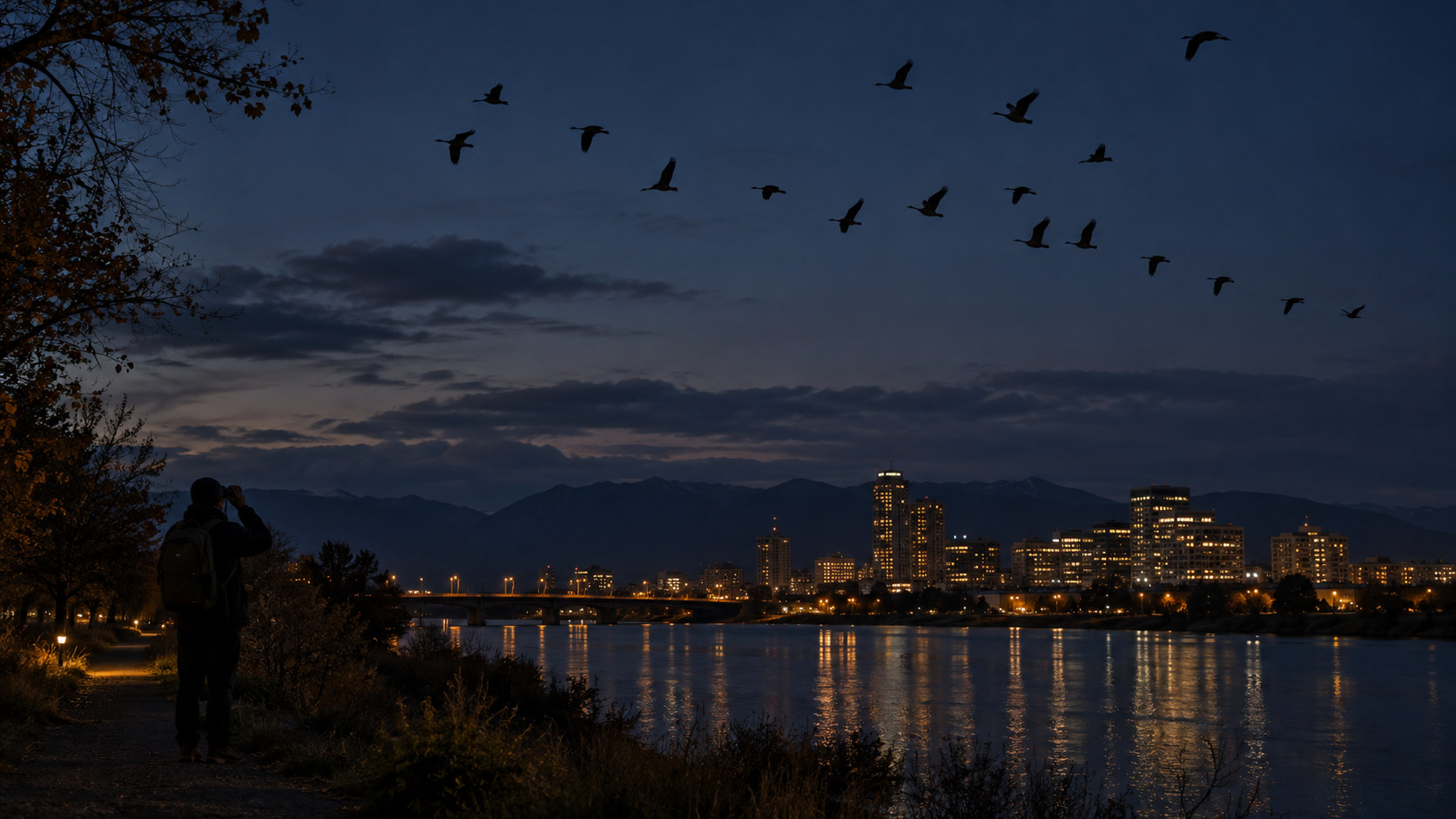
An ecological dark corridor is a connected area in which artificial light is avoided or tightly limited to retain a continuous darker condition. It may follow a riparian edge, wetland boundary, forest connection, coastal segment, or other area identified in a site assessment. The desired extent and continuity of darkness should be determined through site assessment; the appropriate geometry is not a default setback.
Artificial light at night can affect ecological systems, and the effects depend on the species, landscape, lighting characteristics, and exposure context. The foundational review by Longcore and Rich, “Ecological light pollution,” is a useful starting point for understanding why agencies should avoid treating all habitats or all lighting changes as equivalent.
A dark corridor does not mean every adjacent roadway or public space must be unlit. It means the project team identifies the protected condition first, then evaluates whether a proposed source, mounting location, aiming direction, or operating period would interrupt it. Safety-related needs and applicable roadway criteria still require agency engineering judgment.
Buffer zones manage the transition to necessary light
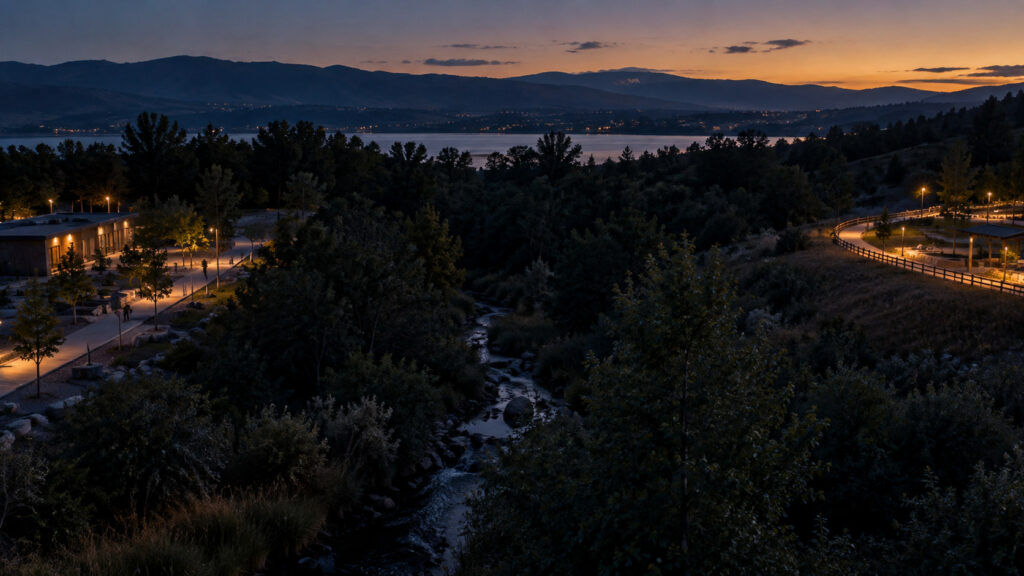
A lighting buffer zone is the transition between a sensitive receptor or dark corridor and an area where lighting is necessary. It gives the design team a place to manage the edge rather than forcing a binary choice between full lighting and no lighting.
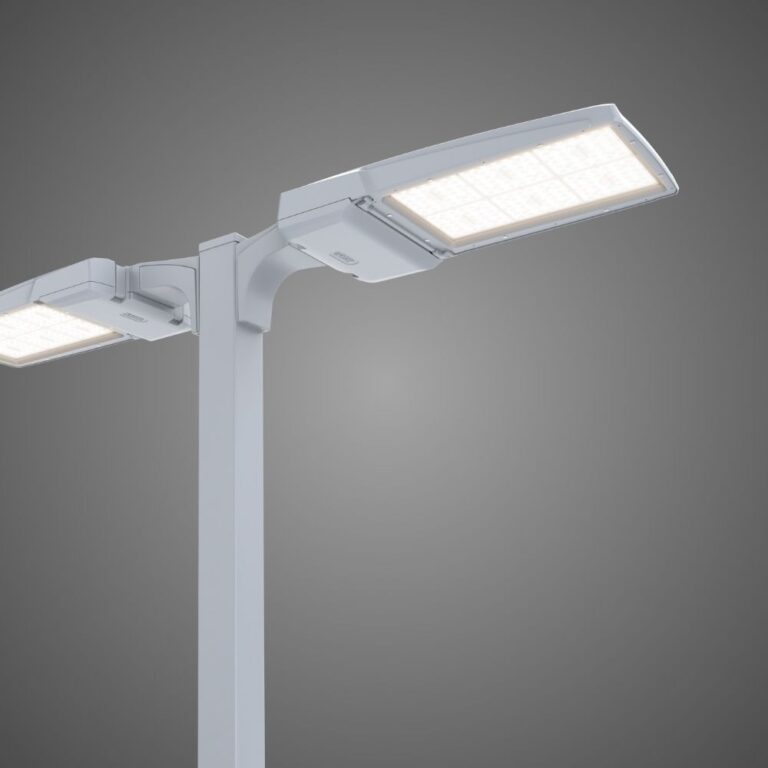
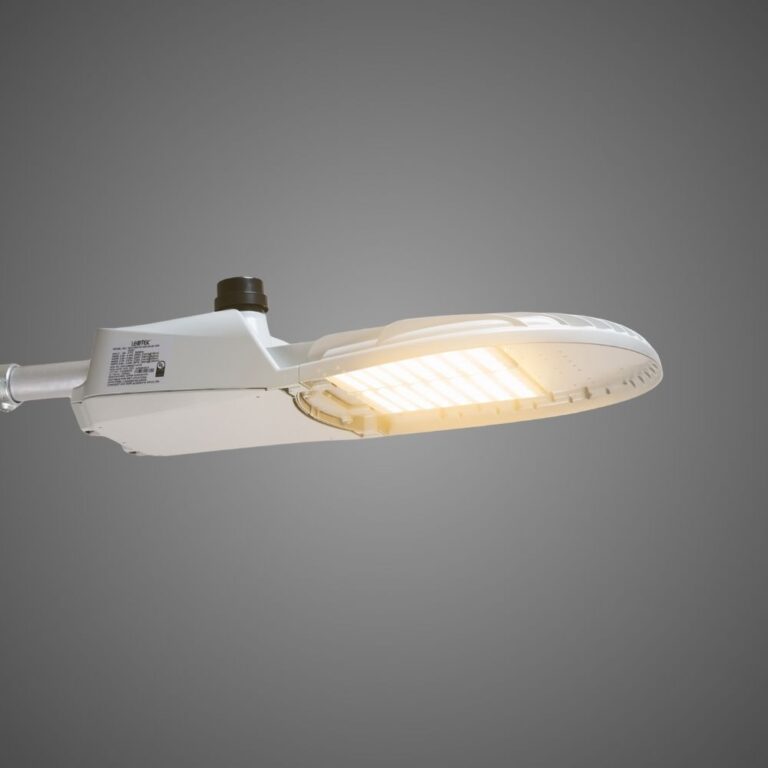
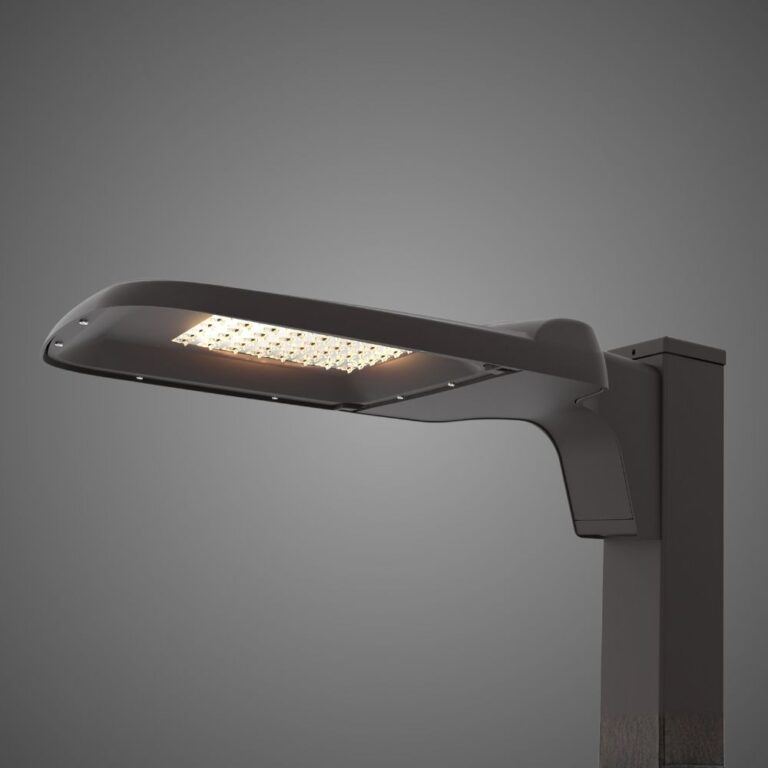
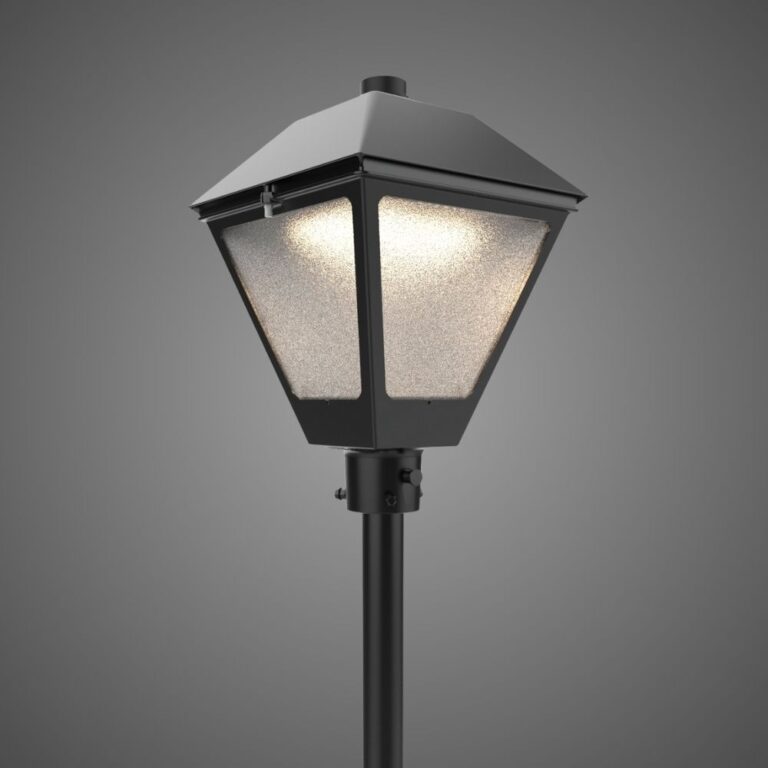
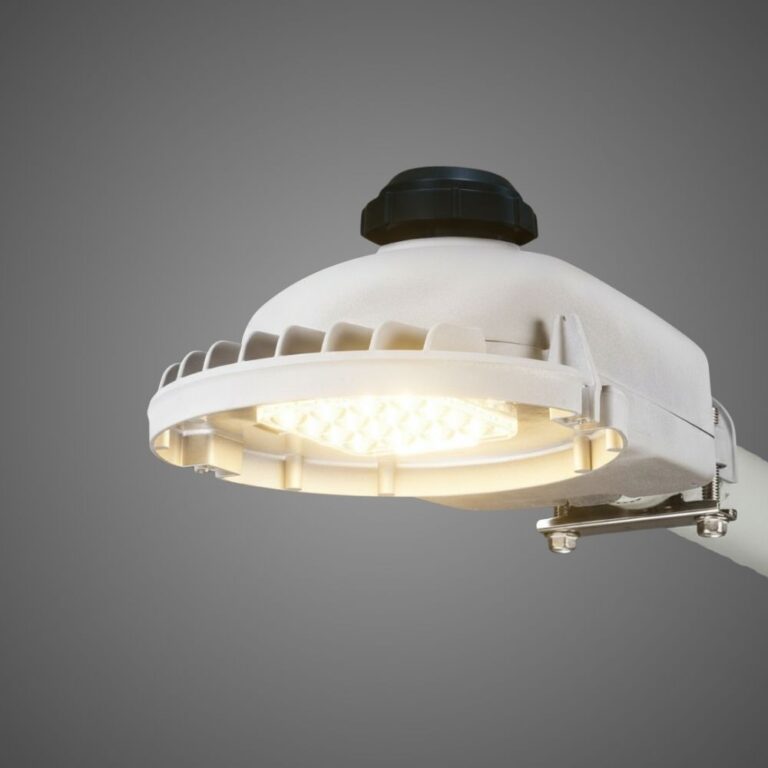
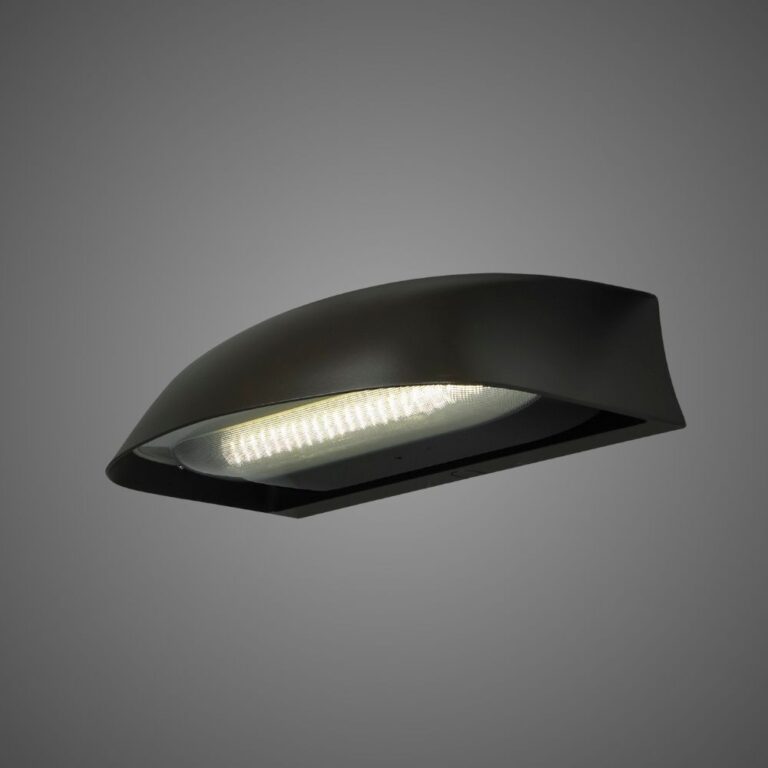
The buffer may use placement, mounting, aiming, shielding, distribution, or operating controls to contain light in the task area. The relevant question is not whether a product is marketed as ecological. It is whether the installed arrangement limits direct view, spill, and glare toward the protected area while meeting the documented task and project requirements.
The CIE guide on limiting obtrusive light from outdoor installations is an appropriate standards-body reference when a project team is considering unwanted light beyond its intended area. It does not establish a universal buffer width or eliminate the need for local requirements, photometric review, and field verification.
Curfews reduce light during defined operating periods
An outdoor-lighting curfew is a planned reduction or switch-off of nonessential lighting during specified periods. It can be part of an ecological lighting design when the schedule follows a verified operating need rather than a generic clock time.
For example, a team may distinguish between periods of active use, limited use, maintenance access, emergency response, and inactivity. That review can reveal which lights must remain on, which may dim, and which may be switched off. A curfew is not appropriate simply because a location is environmentally sensitive; it must be compatible with operations, agency policy, public access, and applicable requirements.
Start with a site and operations map
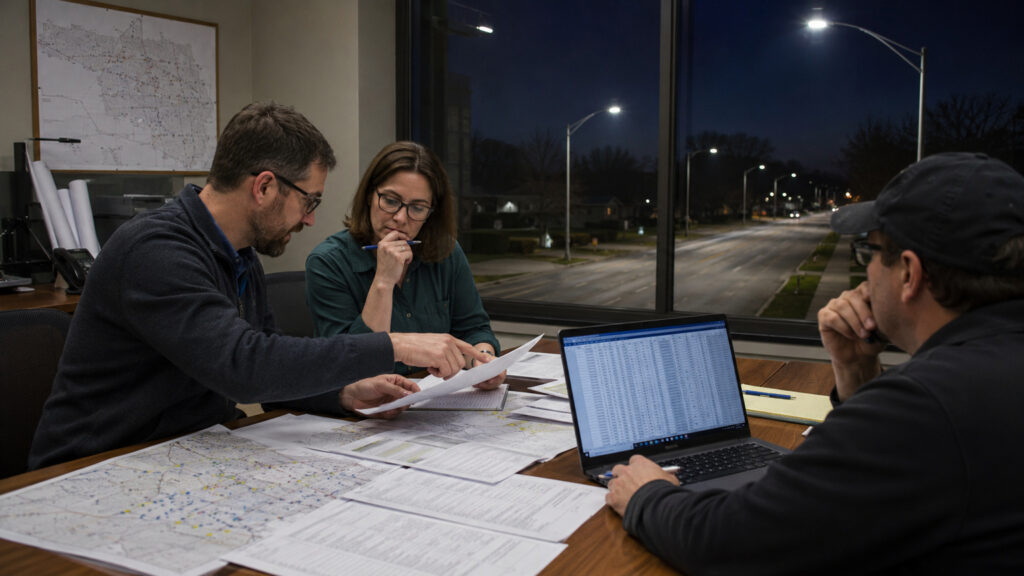
An ecological dark corridor plan begins with evidence about the place, not with a luminaire catalog. Assemble a common map that lets environmental, roadway, maintenance, and planning teams see the same conditions and tradeoffs.
Identify receptors and connectivity
Ask the qualified ecological team to identify the relevant receptors, seasonal conditions, habitat connections, and existing management objectives. The result may identify a corridor, a particularly sensitive edge, or a need for further field information. It should not be assumed from a generic species list or a single site photograph.
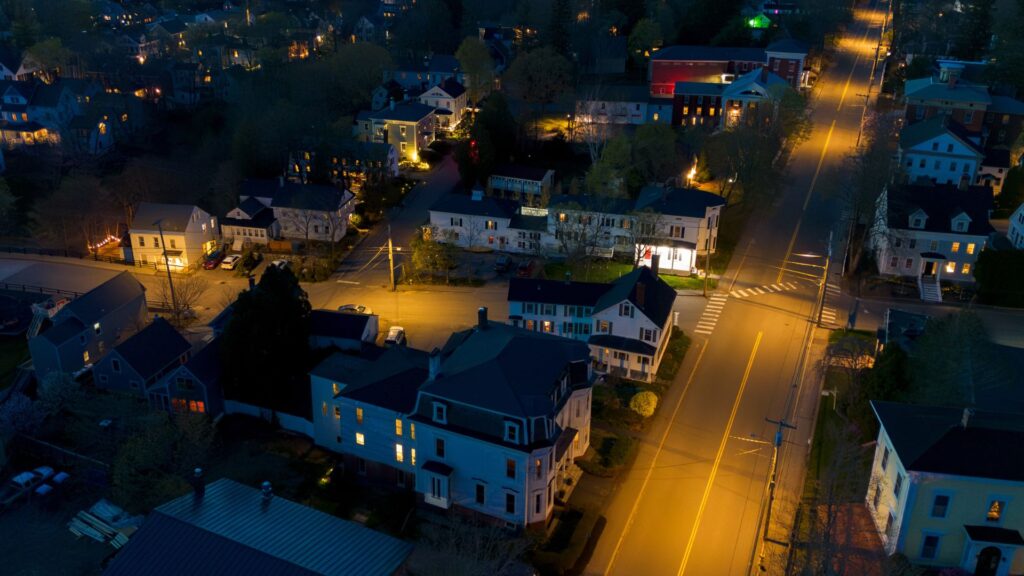
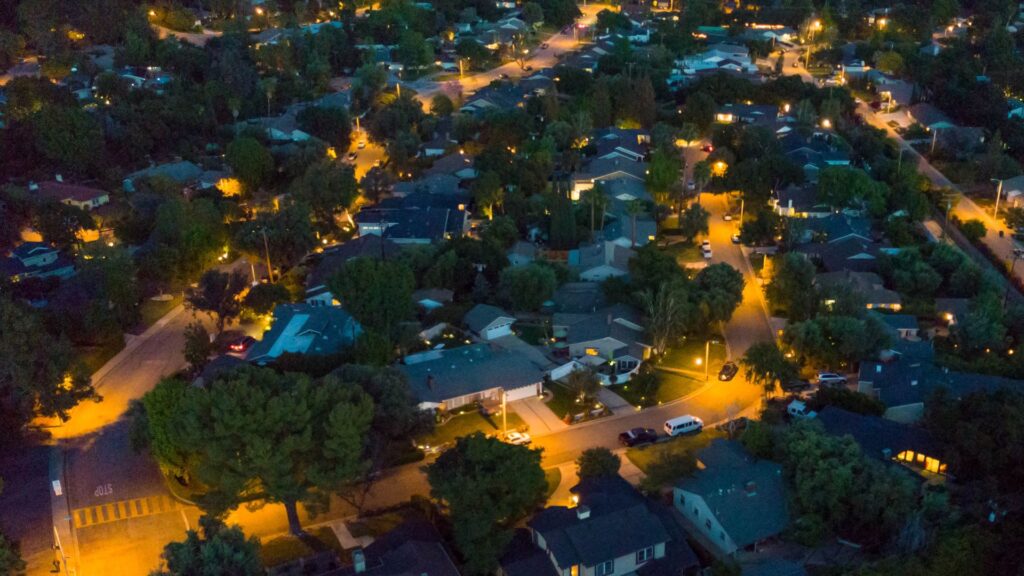
Then define the project boundary and nearby lighting sources. A corridor can be affected by sources outside the construction limit, including parking areas, signs, buildings, pathway lighting, or adjacent properties. The map should distinguish known information from items that still need survey or stakeholder confirmation.
Map existing light, glare, spill, and operating hours
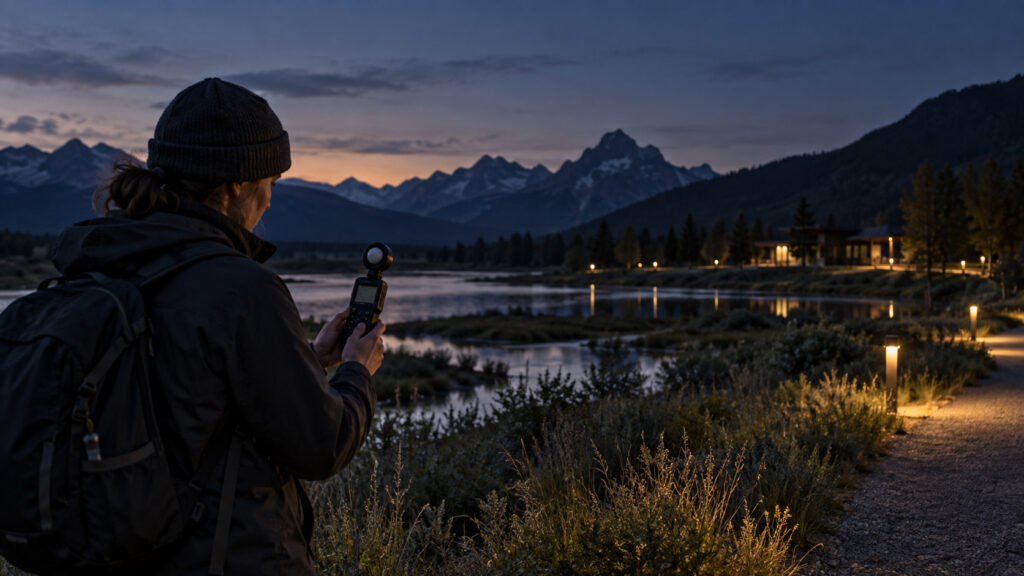
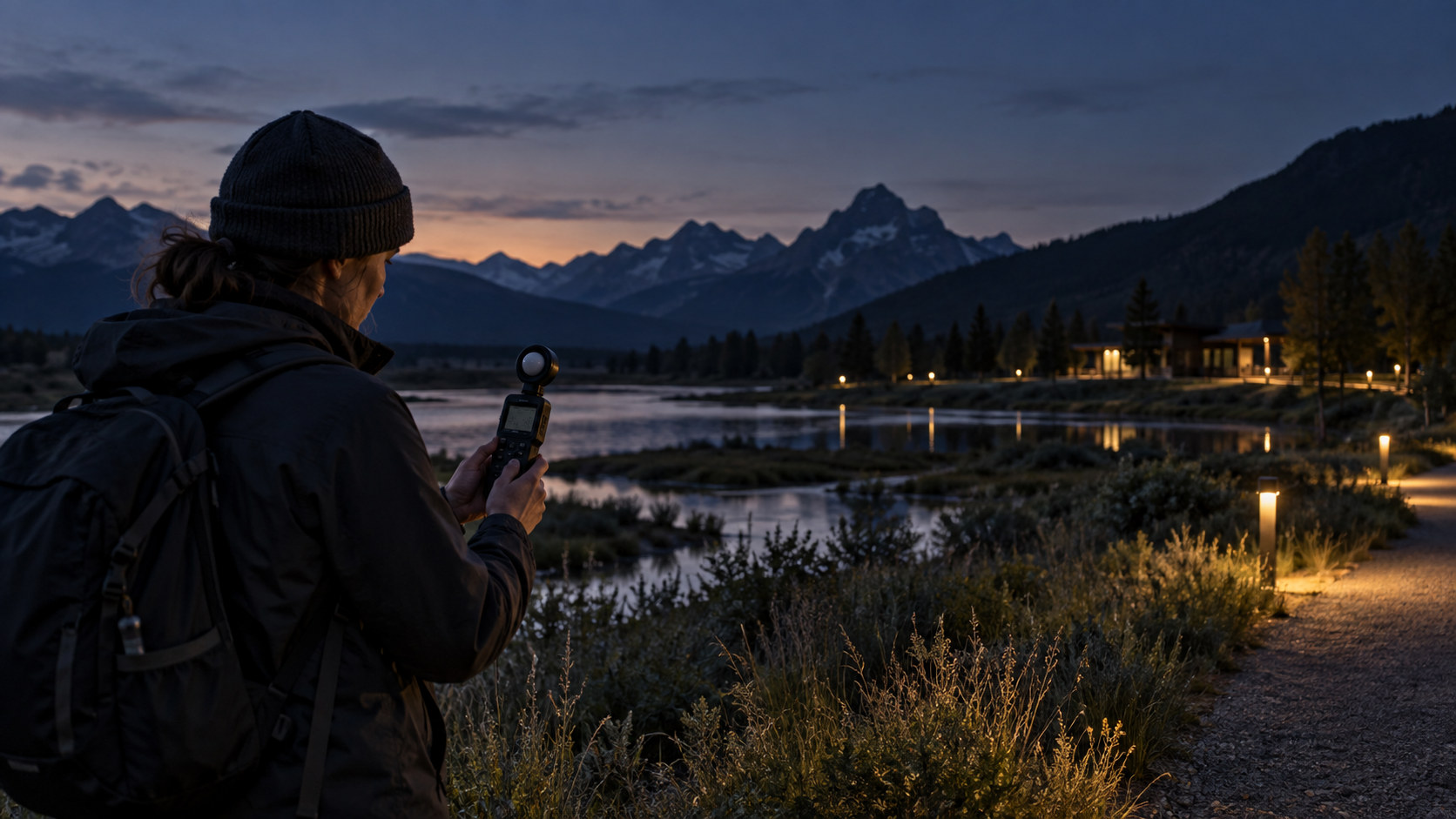
Inventory existing outdoor sources, their mounting locations, approximate aiming, operating state, and maintenance condition. Record where light is visible from the protected area and where glare may affect a user or operator. Measurements and photometric analysis should be performed or interpreted by qualified professionals under the project’s applicable methodology.
Also map time. A source that is needed for a late-night operational task is different from a source left on because of a legacy schedule. Review seasonal operations, maintenance windows, events, access routes, and emergency procedures. This prevents a proposed lighting curfew from becoming an untested assumption about how the site is used.
Use the resulting record to sequence decisions:
1. Identify the protected condition and relevant receptors.
- Map existing sources, spill, glare, and operating periods.
- Verify essential tasks and exceptions.
- Document spatial, temporal, and spectral decisions for review.
- Commission and revisit the installed condition.
Separate essential tasks from convenience lighting
List each task that the lighting is intended to support, along with the responsible operating group and the time it occurs. Some needs may be essential and continuous; others may be conditional or no longer active. The project team should document why each source remains, changes, or is removed.
Build the corridor and buffer strategy near sensitive habitat
Once the site and task map are in place, organize the strategy around spatial, temporal, and spectral decisions. Use each decision to support a stated need, and keep the limitations visible.
Use spatial controls first
Spatial control asks where the source is located and where its light is directed. A project may be able to reduce exposure to a protected area by relocating a source, changing its mounting arrangement, selecting a suitable distribution, aiming it carefully, or adding shielding. These are design approaches, not guarantees of ecological benefit.
Review them as a system. A shield that limits one view may introduce a maintenance constraint. A relocated pole may alter coverage for a required task. A lower mounting location may change glare or obstruction conditions. Field checks after installation matter because drawings and installed geometry can differ.
For readers who need broader context before working through a site plan, LEOTEK’s overview of roadway light pollution explains the general issue. It should not substitute for a project-specific ecological assessment or lighting calculation.
Add temporal controls where the task allows
Schedules, dimming, and switching can reduce unnecessary operating time when they are supported by the site’s actual use and control architecture. Document the operating scenarios, the applicable schedule, any manual override, and who can authorize a change. A schedule without ownership can quietly become obsolete after a seasonal, operational, or access change.
Connected controls may make a schedule easier to administer, but connectivity alone does not validate an ecological plan. Confirm the control capability, data handling, maintenance workflow, and exception process for the specific system under consideration. Do not claim energy, maintenance, safety, or wildlife results without a documented baseline and method.
Treat spectrum as one design variable
Spectrum may be relevant when ecological evidence identifies a target receptor and its exposure conditions. It should be evaluated alongside direction, amount, duration, and the surrounding landscape. A lower-blue-light or lower-CCT choice does not eliminate ecological effects, remove the need for shielding, or make an overlit site acceptable.
LEOTEK describes ecological roadway lighting concepts that include spectrum engineering, shielding, monitoring, and adaptive dimming. That first-party technology page is useful for orientation, but it does not establish a species outcome, certification, or project fit. Project teams should request current, model-specific technical evidence and evaluate it against the site’s documented requirements.
Put the plan into procurement and operations
The most durable ecological lighting plan is one that can be communicated, installed, checked, maintained, and revised. General aspirations such as “wildlife friendly” are difficult to procure or verify unless the project turns them into clear, site-specific requirements.
Write measurable requirements and exceptions
Use the site map and approved operating scenarios as the record behind procurement documents. Those documents can describe the protected area, intended task areas, source locations, aiming or shielding intent, operating scenarios, commissioning checks, and recordkeeping expectations. They can also identify who approves exceptions, such as temporary maintenance access or incident response.
Avoid copying a generic setback, cutoff, illuminance, or curfew time into the documents without confirming its source and applicability. Requirements may depend on jurisdiction, project type, funding, operations, protected resources, and the governing agency’s design process. A requirement that cannot be inspected, measured, or assigned to an owner is difficult to manage after handover.
When a candidate luminaire or control system is being evaluated, use current product specifications and resources and verify the model, revision, configuration, and documentation directly. A family page, marketing description, or standards explainer is not proof of a listing, warranty, photometric result, or compliance status.
Commission, monitor, and manage change
Commissioning should compare the installed condition with the approved drawings, aiming intent, shielding, and operating schedule. Field observation from relevant locations can reveal spill or direct-source visibility that was not apparent in a desktop review.
Record what was checked, when, by whom, and what corrective work was completed.
Use a short verification sequence to keep this work auditable. First, retain the approved design intent and assumptions, including the protected area, task areas, schedule, and exceptions. Second, check the installed condition against that record, document discrepancies, and assign corrective action. Third, close the record only after the responsible parties confirm the correction or formally accept a documented change. This is a governance process, not evidence that a particular ecological outcome has occurred.
The record should be practical for the people who will operate the site. It can identify the drawings and settings reviewed, the date and conditions of the observation, the observers, any photographs or measurement records retained under the project process, and the next review trigger. It should also identify the party responsible for schedule changes, so a temporary override does not become an unexplained permanent operating condition.
The agency should also define when to revisit the plan. Changes in adjacent development, vegetation, access patterns, maintenance practices, operational schedules, or ecological information can alter the original assumptions. A recurring review does not promise a result; it creates a responsible process for detecting and addressing change.
Common mistakes in ecological lighting plans
Several shortcuts can undermine an otherwise sound intent:
- Treating a lower-CCT luminaire as a complete solution. Spectrum is only one variable and cannot correct spill, glare, or unnecessary operating time.
- Setting a curfew without checking the site’s actual use. A schedule must account for operations, access, emergencies, and the party responsible for overrides.
- Using a generic buffer distance. The appropriate transition area depends on the receptor, terrain, vegetation, source geometry, operations, and applicable policy.
- Relying on product language instead of project evidence. Request current photometry, configuration details, and the documentation needed for the specific decision.
- Treating commissioning as a one-time event. Changes after handover can invalidate original assumptions, so ownership and review triggers should be documented.
A practical next step for city and agency teams
Before selecting equipment for an ecological dark corridor plan, assemble the ecological inputs, map existing light and operating periods, define the protected condition, and verify the tasks that require illumination. Then translate the decisions into drawings, schedule logic, commissioning checks, and a change-management process.
Teams with a defined site and technical question can review current documentation or discuss a roadway infrastructure project. That conversation should begin with the site constraints and required tasks, not an assumption that any particular product will satisfy ecological, engineering, or jurisdictional requirements.
FAQs
What is the difference between a dark corridor and a lighting buffer zone?
A dark corridor is the connected area where artificial light is avoided or tightly limited. A lighting buffer zone is the transition between that protected area and an area where lighting is necessary. The corridor defines the condition to protect; the buffer manages the edge.
Can an outdoor-lighting curfew be used on a roadway?
It may be considered only after the responsible agency verifies the roadway’s tasks, operating periods, emergency needs, design criteria, and applicable requirements. A curfew is not a universal roadway recommendation.
Does a lower-blue-light spectrum eliminate ecological effects?
No. Spectrum may be relevant to a particular receptor and setting, but it does not remove the need to address light direction, amount, duration, spill, and site-specific ecological evidence.
Who should approve an ecological lighting plan?
The approval path depends on the project and jurisdiction. It commonly requires coordination among the responsible agency, qualified lighting and ecological professionals, operations and maintenance staff, land managers, and any authority with applicable review responsibility.
References
- DOI / journal source, Ecological light pollution; accessed July 29, 2026.
- International Commission on Illumination (CIE), CIE guide on limiting obtrusive light from outdoor installations; accessed July 29, 2026.
- LEOTEK, roadway light pollution; accessed July 29, 2026.
- LEOTEK, ecological roadway lighting; accessed July 29, 2026.
- LEOTEK, product specifications and resources; accessed July 29, 2026.