


TOP BAR

Roadway Lighting & Traffic Signals

Guides & Resources

Explore roadway lighting and traffic signal guides covering photometric design, LED conversion, signal modules, specification review and procurement. Articles connect engineering questions with applicable product and application resources.

leotek-smart-streetlight-communications-network-selection-cover
AIoT & Smart City
Tony Pan

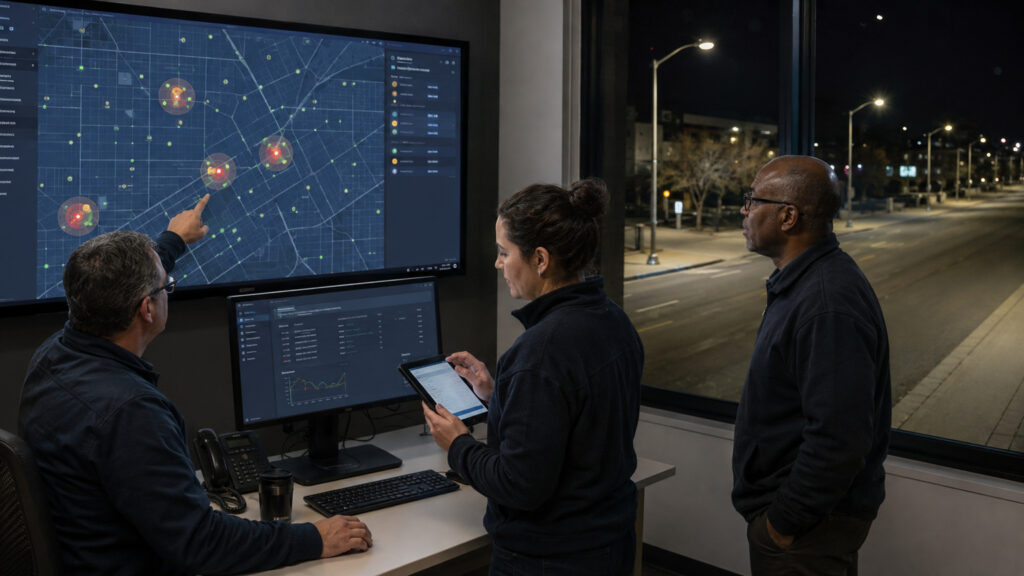
NB-IoT vs. LTE-M vs. RF Mesh for Smart Streetlights

No communications option is universally best for smart streetlights. This NB-IoT vs. LTE-M vs. RF mesh comparison helps agencies evaluate coverage, ownership, and procurement conditions: cellular options need verified carrier, device, and service evidence, while mesh needs a validated field-network design and operations plan before procurement.

Read More »
leotek-streetlight-energy-metering-reconciliation-cover
AIoT & Smart City
Johnny

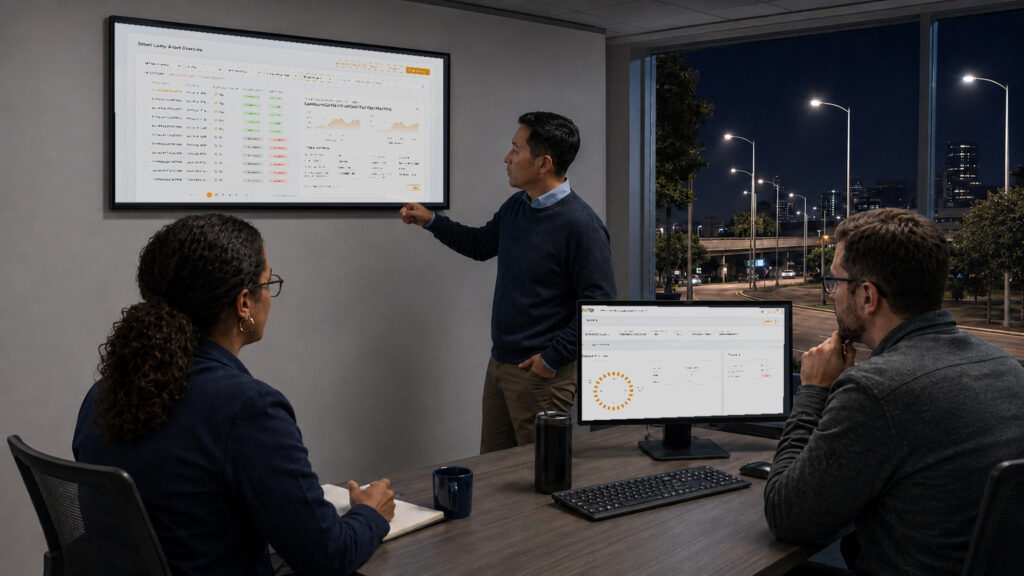
Revenue-Grade vs. Operational Energy Data in Streetlight Metering Networks

Streetlight energy metering should be judged by the decision it will support. Revenue-grade data is intended for a billing or settlement decision under the applicable utility, tariff, contract, and measurement requirements; operational data is intended to run, analyze, and maintain a lighting network. A connected system can provide useful operational energy reports without producing data that a utility or contract accepts for billing.

Read More »
leotek-nema-vs-zhaga-smart-streetlight-interface-cover
Roadway Lighting & Traffic Signals
Johnny

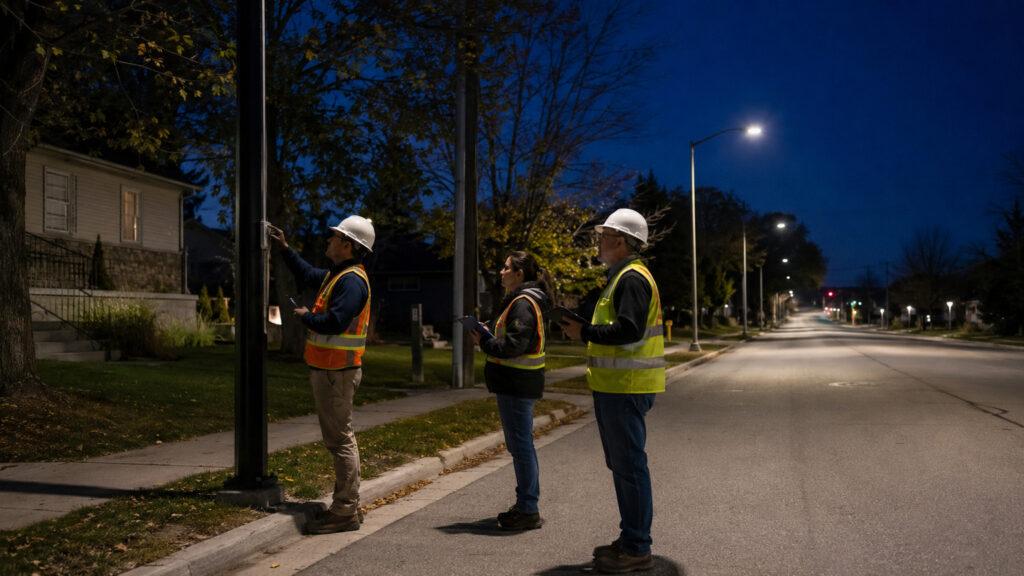
NEMA 7-Pin vs. Zhaga-D4i: Choosing a Smart Streetlight Interface

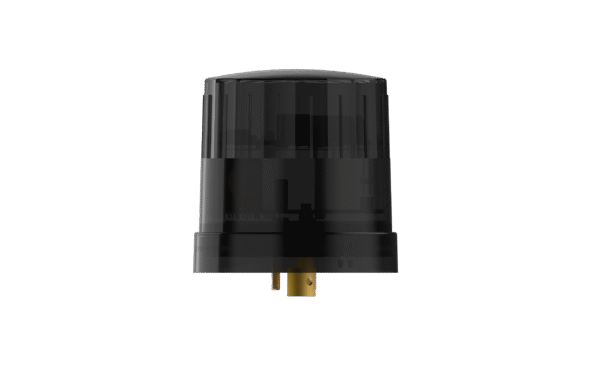
NEMA 7-Pin vs. Zhaga-D4i?  Which one is best for my project?  For a smart streetlight project, the NEMA vs. Zhaga decision should follow the installed equipment, documented control architecture, and service model, not whichever option sounds most advanced. NEMA 7-pin and Zhaga-D4i are different interface ecosystems, so a city should not assume that a controller, sensing module, luminaire, or management system can move between them without product-specific documentation.

Read More »
A fair streetlight bid comparison puts every proposal on the same project baseline before anyone ranks price. The practical tool is a matrix that records the offered configuration, supporting document, revision, and exception for each requirement, so a city or transportation agency can distinguish a compliant offer from a different assumption.
Roadway Lighting & Traffic Signals
Johnny

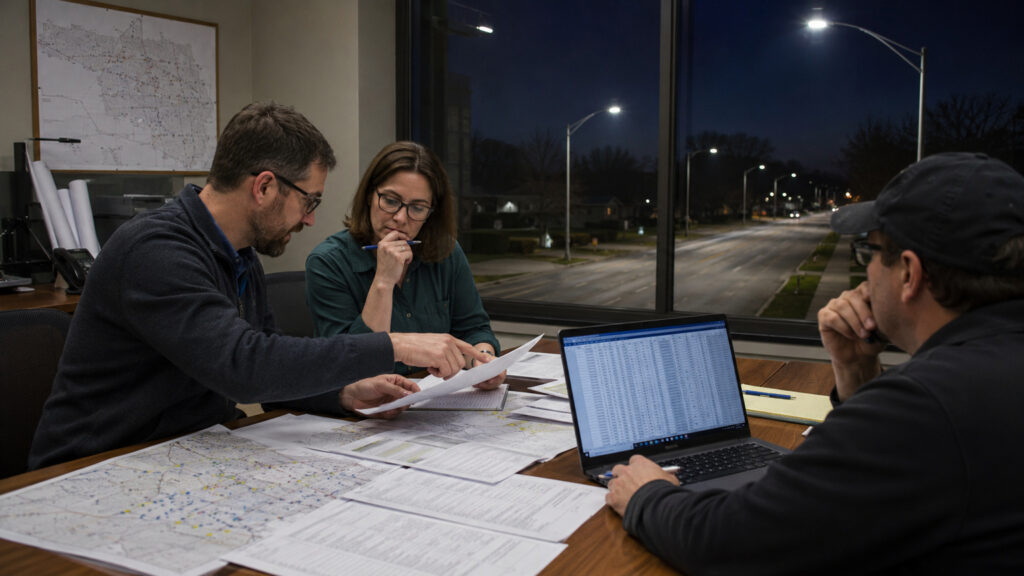
How to Compare Streetlight Bids When Vendors Use Different Assumptions

A fair streetlight bid comparison puts every proposal on the same project baseline before anyone ranks price. The practical tool is a matrix that records the offered configuration, supporting document, revision, and exception for each requirement, so a city or transportation agency can distinguish a compliant offer from a different assumption.

Read More »
The Whiter the Street Light, the More Dangerous? Why "Dual Color Temperature" May Be the Key to Saving Lives in the Future
Roadway Lighting & Traffic Signals
Waiting Wu

Dual Color Temperature Streetlights: Design Considerations

Discover how Dual Color Temperature street lights improve night driving safety by automatically adapting to weather conditions. Learn why switching between 4000K on clear nights and 3000K during fog offers the optimal balance of visibility and visual comfort

Read More »
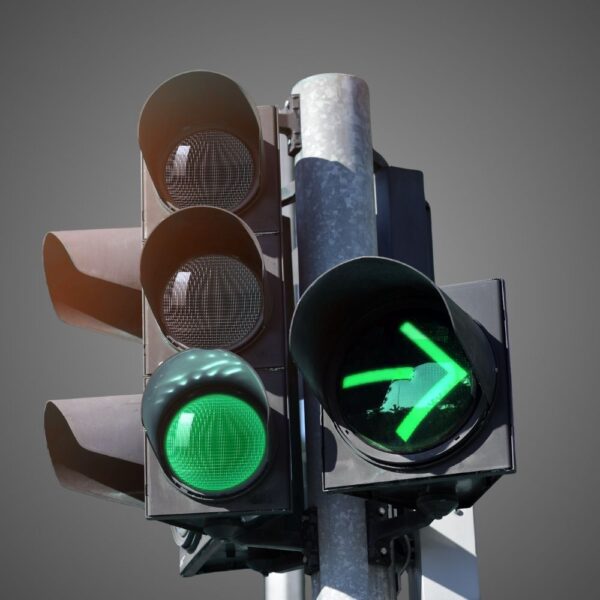
Traffic Signals: A Complete Guide to How They Work
Roadway Lighting & Traffic Signals
Johnny

Traffic Signals: A Complete Guide to How They Work

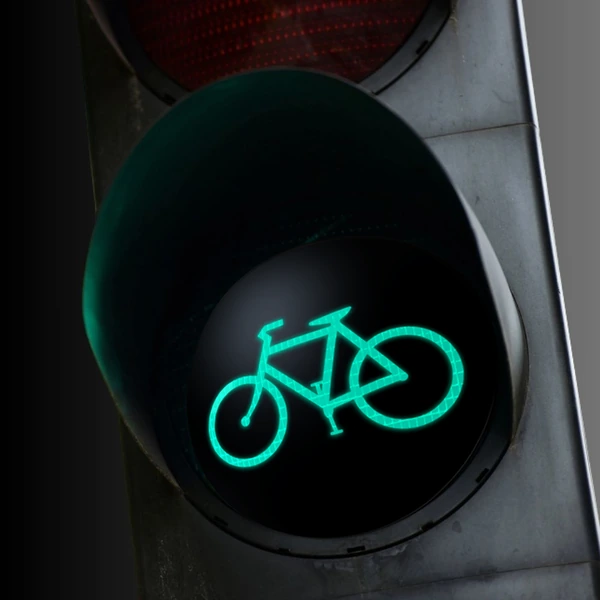
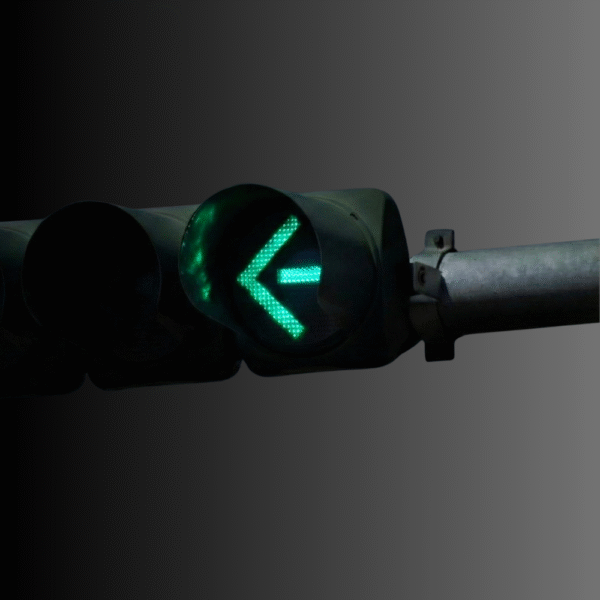
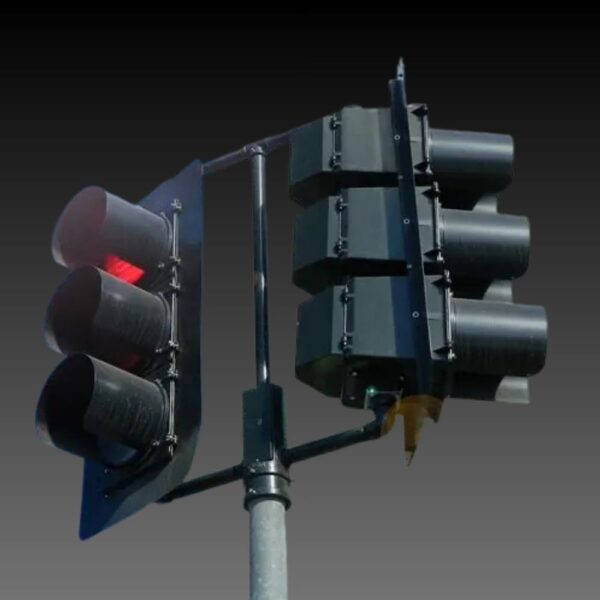
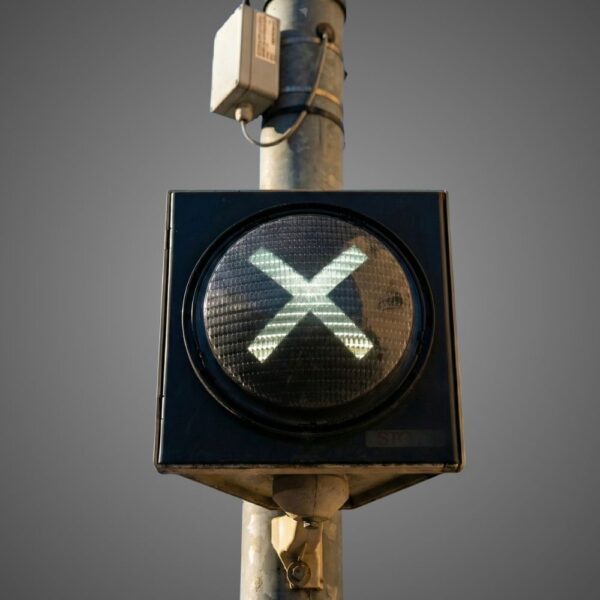
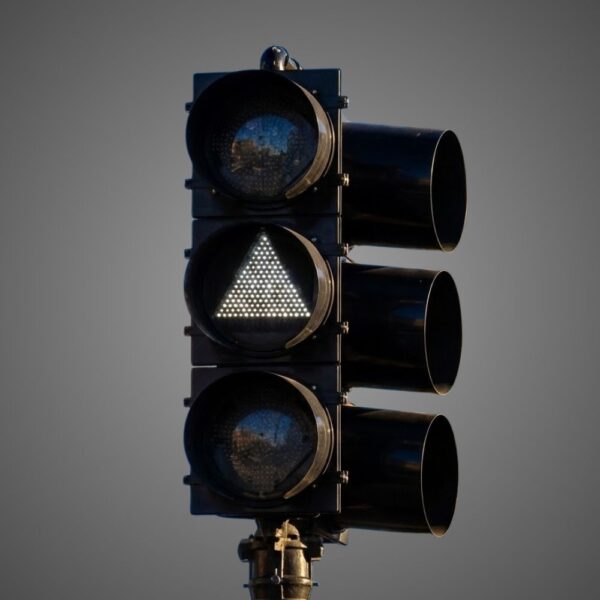
Modern urban environments rely on sophisticated traffic signal systems that are far more than simple red, yellow, and green lights. These systems serve as the backbone of road safety and traffic management, directing vehicles, pedestrians, and cyclists in a coordinated manner.

Read More »
English
Español
繁體中文