
















IoT device identity is the way a connected device proves which device it is to a network or service. In a connected streetlight network, a digital certificate can bind an identity to a public key so a system can validate the device before allowing protected communication or enrollment.
For city and transportation-agency teams, that distinction is practical. Connected lighting can involve field controllers, gateways, networks, management software, and asset records. A reliable inventory matters, but an asset label by itself is not the same thing as cryptographic proof in a network exchange. Identity planning is one part of a broader security architecture; it does not, by itself, establish authorization, correct configuration, physical integrity, or secure operations.
Key Takeaways
- An IoT device identity helps a system distinguish an enrolled endpoint from an unknown one; a serial number alone is not necessarily a cryptographic authenticator.
- In a public-key infrastructure (PKI) model, a digital certificate can bind a device identity to a public key and support authentication when the receiving system validates it.
- Authentication and authorization are separate decisions. Recognizing a device does not automatically permit it to join a network or control equipment.
- Enrollment, renewal, replacement, response to suspected key compromise, and retirement need clear operational ownership.
- Procurement teams should request current, product- and deployment-specific evidence instead of assuming that a connected-lighting component supports a given identity feature.
Connected streetlight trust model
Four checks before a device joins
These are separate review decisions. Product-specific certificate or PKI support requires current technical evidence.
What IoT Device Identity Means for Connected Streetlights
An IoT device identity may combine identifying attributes with cryptographic material that a system can use to recognize or authenticate a device in a defined trust model. The exact implementation varies. An identity might be associated with a controller, a gateway, a luminaire-mounted node, or another component in the architecture.
Asset identification and cryptographic identity serve different jobs
An asset ID, pole number, location record, or manufacturer serial number supports inventory, maintenance, and field work. Those identifiers can be essential for operations. They do not necessarily demonstrate that the endpoint communicating with a network is the physical asset named in the record.
Cryptographic identity addresses a different question: can the device demonstrate possession of key material associated with an expected identity? In an X.509 PKI model, a certificate is a signed data structure that binds a public-key value to a subject. A relying system validates the certificate according to its configured trust rules, including the certificate path and validity information. The IETF's RFC 5280 certificate profile describes this model for Internet PKI.
Neither identifier replaces the other. An agency may need an asset record to locate a device in the field and a cryptographic identity to evaluate a connection attempt. Linking those records carefully helps staff investigate a certificate renewal failure, device replacement, or unexpected network event without assuming that an inventory entry alone is a security control.
Why this matters in a field network
Consider a generic controller or gateway that is being commissioned into a managed streetlight network. The network needs a way to evaluate the endpoint that is requesting access. A cryptographic identity can help with that evaluation, while the operations team still needs records for the physical device, location, responsible party, and approved configuration.
This is not a claim that every streetlight component needs the same identity mechanism. The architecture should establish which components communicate, which require protected access, and which entity makes the relevant trust and policy decisions. It should also state the limits of the system, including dependencies on connectivity, time, and external services.
How Digital Certificates Support Authentication
A digital certificate is not a password and is not a blanket security guarantee. In a certificate-based design, a device typically has a key pair: a private key that should remain protected and a public key that can be shared. A certificate can carry the public key and identifying information, with an issuer's signature supporting the trust relationship defined by the deployment.

What a certificate can establish
When a system receives a certificate, it can evaluate whether the certificate is acceptable under its configured trust model. That may include checking the issuer or certification path, validity period, permitted uses, and other policy-relevant information. When the certificate is used in an authentication protocol that verifies proof of possession of the corresponding private key, the result can support an authentication decision.
That explanation needs careful limits. A certificate does not automatically prove that a device is physically untampered with, correctly installed, owned by the agency, or appropriate for every action. It also does not determine whether the device is permitted to join a particular network. Those are separate questions involving architecture, policy, records, and operational review.
Authentication is not authorization
The distinction is especially important in public infrastructure. Authentication asks, “Which device is this?” Authorization asks, “What may this authenticated device do?” A network might authenticate a device identity and still deny enrollment, restrict its permissions, or require additional approval.
The IETF BRSKI specification presents a useful conceptual separation during onboarding: identifying a device, deciding whether it is acceptable to join, identifying the registrar, and deciding whether the device should join that network. BRSKI is a specific standard with its own applicability and constraints, not a universal prescription for connected streetlight systems. The broader lesson is to document both the identity check and the policy decision.
Secure Device Enrollment Begins With Trust Questions
Enrollment is the process by which a device obtains, presents, or is associated with credentials for a network or domain. A discussion of secure device enrollment should start with the trust model rather than with a product-feature label.
Questions to resolve before commissioning
For a connected streetlight project, the team can ask:
- Which device or component has the identity used in the connection process?
- What initial identity or trust anchor is present before the device joins the managed environment?
- How does the system verify the identity, and who decides whether it is authorized to join?
- What record connects the cryptographic identity to the asset, location, configuration, and responsible organization?
- What operational dependency exists on a network service, a certificate authority, an accurate clock, or a third party?
These are design and procurement questions, not universal requirements. The answers should be evaluated against the exact product, software version, network design, and agency policy.
Why first-contact assumptions deserve scrutiny
Some onboarding approaches can rely on a device trusting the first domain entity it encounters. That may be inappropriate where an agency requires a more deliberate method of establishing trust. The IETF voucher specification describes one standards-based approach in which a signed voucher can convey the identity of a domain a device should trust. It also discusses expiry and nonce-based freshness.
That does not mean vouchers, BRSKI, or any particular protocol are required for a streetlight deployment. It means teams should ask how initial trust is established, how replay or stale credentials are considered, and how the design is reviewed when devices are deployed in field conditions.
Certificate Lifecycle Management Is an Operations Requirement
Certificate planning is not complete at installation. Certificates have validity periods, private keys can be suspected of compromise, devices can be replaced, and agencies can change network ownership or operational arrangements. A lifecycle process makes those events manageable.
Issuance, inventory, renewal, and replacement
Before commissioning, assign clear ownership for certificate issuance and the asset record. The record should make it possible to identify the relevant device, its role, the responsible operations group, and the lifecycle event that requires attention. It should not expose private keys or other sensitive material in a routine asset register.
During operations, teams can monitor approaching expiration, test renewal before it becomes urgent, and document a replacement process for failed or retired equipment. The appropriate schedule is architecture-specific. It depends on device capabilities, connectivity, support processes, risk assessment, and the trust model. A universal renewal interval would be misleading.
The lifecycle also needs a plan for a suspected private-key compromise. The plan should identify who can suspend or replace credentials, who reviews associated assets and logs, and how field staff receive an approved replacement procedure. The documented lifecycle should also identify the agency, vendor, integrator, or managed-service role responsible for each approval, renewal, replacement, and retirement action. It should be exercised in a controlled setting before relying on it at scale.
Expiry, freshness, and retirement
Certificate validation includes time-related information, but field environments can complicate time and connectivity assumptions. RFC 5280 describes certificate validity and revocation-list concepts. RFC 8366 discusses a different tradeoff for vouchers: short-lived renewable artifacts can reduce dependence on a separate revocation path, while devices without reliable time may use other freshness considerations.
There is no one correct pattern for every connected streetlight network. A practical planning discipline is to make the choice explicit: what happens when a credential expires, when a network service cannot be reached, when a device is replaced, and when an asset leaves service? Retirement should remove or disable credentials according to the deployment's approved process and preserve only the records needed for operations and audit.
A Procurement Checklist for Connected Streetlight Identity
The NIST IoT Device Cybersecurity Capability Core Baseline is intended as a starting point for organizations that acquire, integrate, or manufacture IoT devices. It is not a complete procurement template or a certification for any product. Still, it supports a disciplined approach to evidence requests.
Use these questions to frame a vendor discussion or technical review:
| Question | Evidence to request |
|---|---|
| Which components use a cryptographic device identity? | Current architecture documentation for the exact product and software version. |
| What identity format and trust model are supported? | Current technical documentation that defines scope, dependencies, and configuration limits. |
| How are identities provisioned and verified during commissioning? | An implementation description that separates authentication from authorization. |
| Who manages issuance, renewal, replacement, and retirement? | A documented responsibility model and lifecycle procedure. |
| What happens after expiry, suspected key compromise, revocation, or device replacement? | An incident and recovery procedure appropriate to the deployment. |
| What inventory fields, logs, and interfaces support operations and audit? | An inventory and logging approach that identifies access controls and retention decisions. |
The checklist should not be treated as a substitute for agency cybersecurity policy, network engineering, or procurement review. It is a way to make assumptions visible before they become operational dependencies.
Applying identity planning to connected-lighting evaluation
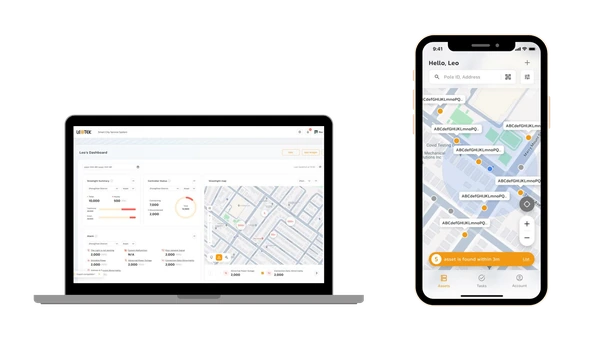
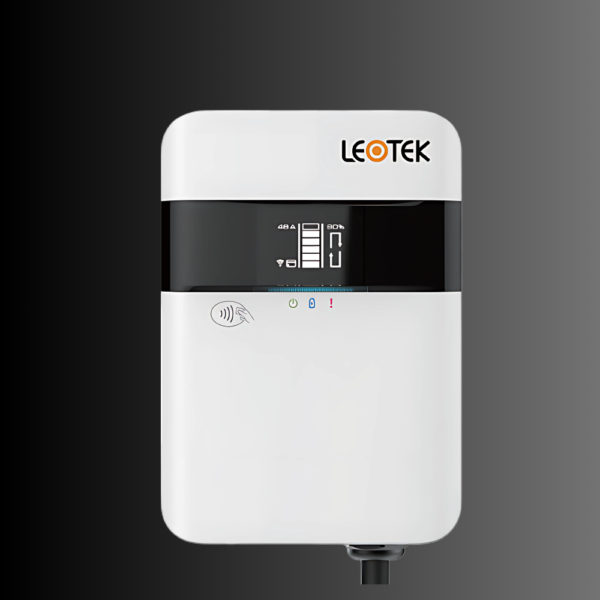
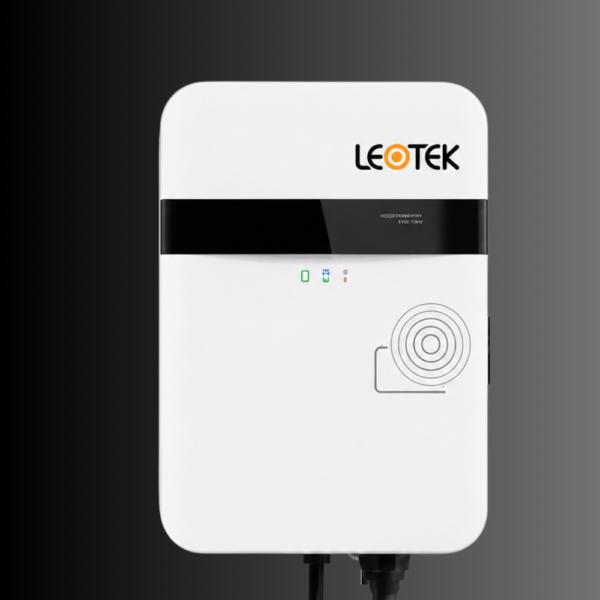
Connected-lighting evaluation should distinguish the lighting application from the identity architecture. LEOTEK describes connected streetlight management through controllers, remote switching and dimming, schedules, fault notifications, energy tracking, reporting, maps, alarms, and asset management. That first-party description does not establish that a particular LEOTEK component uses certificates, PKI, a secure-enrollment protocol, or any specific cybersecurity control.
For that reason, teams evaluating a connected-lighting system should request current, exact technical evidence for the component and configuration under consideration. The questions in this article apply to the architecture and procurement process; they should not be read as an assertion about any product's identity features.
When a project reaches technical evaluation, use the LEOTEK Resources & Documents hub to locate applicable documentation. Confirm each document's model, date, revision, and scope before relying on it for a requirement or design decision.
Frequently Asked Questions
Is a streetlight serial number a secure device identity?
Not necessarily. A serial number can support asset tracking, but whether it supports secure authentication depends on the architecture and the cryptographic proof associated with it.
Does a digital certificate authorize a device to control a streetlight?
No. A certificate can support authentication in a PKI model. Authorization policy determines what an authenticated device may do.
How often should streetlight-device certificates be renewed?
There is no universal interval. The appropriate lifecycle depends on device capability, network design, operational support, risk assessment, and the selected trust model.
Does every connected streetlight need a certificate?
No universal answer applies. The architecture should identify which components need cryptographic identities and how the deployment manages trust and authorization.
Make Identity a Lifecycle Decision
IoT device identity gives a connected streetlight network a basis for evaluating who is attempting to connect. Digital certificates can support that evaluation in a PKI model, but they work alongside authorization policy, inventory, commissioning, renewal, replacement, and retirement procedures.
For a defined roadway-infrastructure project, start with the exact technical documents and the agency's security and operations requirements. After reviewing the applicable evidence, teams with a scoped technical question can contact LEOTEK to discuss a roadway infrastructure project. This is a project-scoping path, not a promise of fit, availability, or a particular security capability.
References
- National Institute of Standards and Technology, IoT Device Cybersecurity Capability Core Baseline.
- Internet Engineering Task Force, RFC 5280: Internet X.509 Public Key Infrastructure Certificate and CRL Profile.
- Internet Engineering Task Force, RFC 8995: Bootstrapping Remote Secure Key Infrastructure.
- Internet Engineering Task Force, RFC 8366: A Voucher Artifact for Bootstrapping Protocols.
- LEOTEK, LEOLink Solutions.
- LEOTEK, Resources and Documents.