















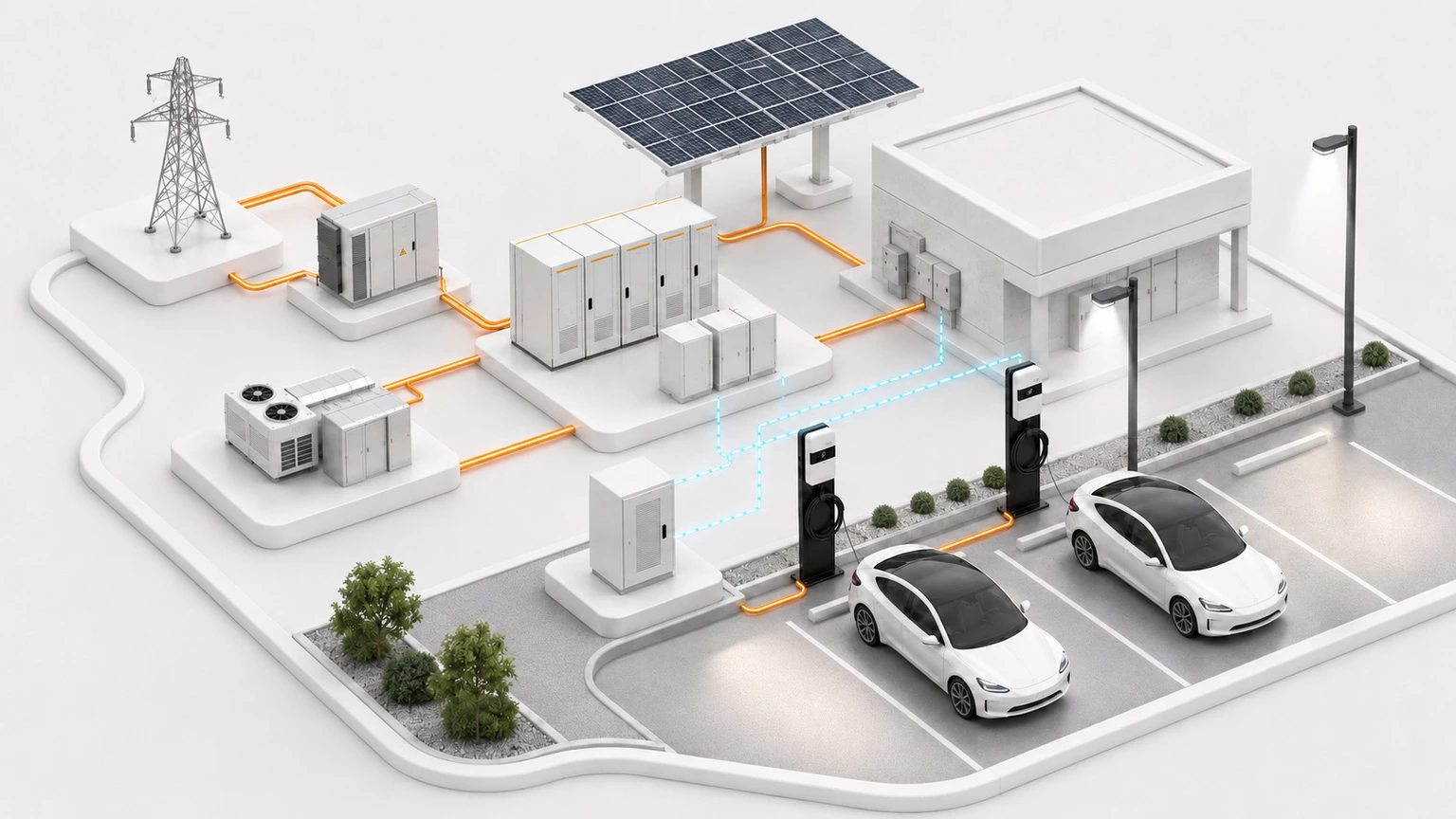
An integrated EV charging, BESS, solar, and site lighting plan treats these assets as one operating system rather than four separate purchases. For a municipal, fleet, public-parking, or transportation-facility site, begin with load profiles, service priorities, utility constraints, and operating ownership before deciding what equipment is feasible.
The approach does not promise that battery energy storage systems (BESS), solar, or controls will solve a capacity, cost, or resilience problem. Set a common site boundary and planning horizon so current operations, expected growth, and system interactions are evaluated against the same assumptions. This gives project teams a disciplined way to identify the questions that must be answered by the utility, qualified electrical professionals, site operators, and the applicable authority having jurisdiction.
An integrated site energy plan is a shared planning model for EV charging, solar, BESS, and site lighting that compares loads, operating priorities, controls, and constraints before equipment is selected.
Key takeaways
- Model existing and future loads together, including charging behavior and site-lighting schedules.
- Separate electrical-capacity, tariff, resilience, and service-continuity questions; they are related but not interchangeable.
- Define the operating objective for solar and BESS before selecting equipment or a control strategy.
- Assign responsibility for data, alarms, maintenance, and manual procedures across every system.
- Use concept alternatives and validation gates before detailed design and procurement.
Why separate equipment decisions create site-level risk
EV chargers, solar arrays, battery storage, and site lighting can share an electrical service, an operating budget, a maintenance team, or a public-service obligation. Planning each in isolation can obscure when loads occur, what services must remain available, who can act on alarms, and which assumptions need confirmation.
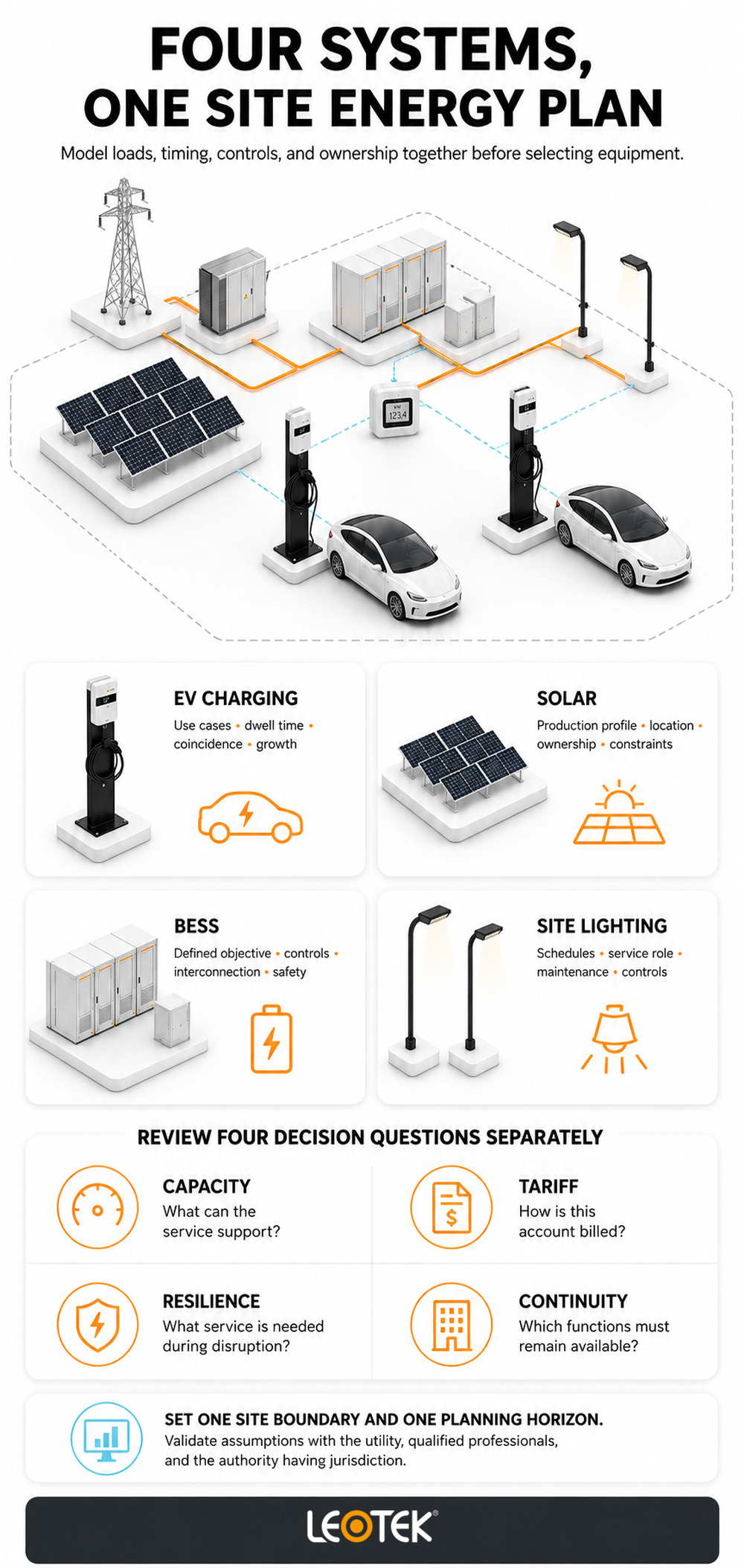
The four systems interact through capacity, timing, and controls
EV charging adds a new site load, but the planning question is not simply how many connectors a site will install. Teams need to understand vehicle dwell time, likely charging windows, access rules, expansion expectations, and whether multiple chargers may operate at once. Those factors help describe a future load scenario without claiming that it will occur exactly as forecast.
Solar is a generation resource with a site-specific production profile. BESS is an energy-storage asset whose value and operating limits depend on its configuration, controls, interconnection, safety requirements, and intended use. Site lighting is a recurring public-space load with schedules, maintenance needs, and potential service priorities. An integrated plan places all four on the same timeline and within the same site boundary.
That shared view is particularly useful when a project team is comparing alternatives. For example, a daytime public-parking pattern, an overnight fleet pattern, and evening site-lighting operation present different planning questions. They are examples of operating profiles, not performance predictions or sizing guidance.
Public-infrastructure sites have different operating priorities
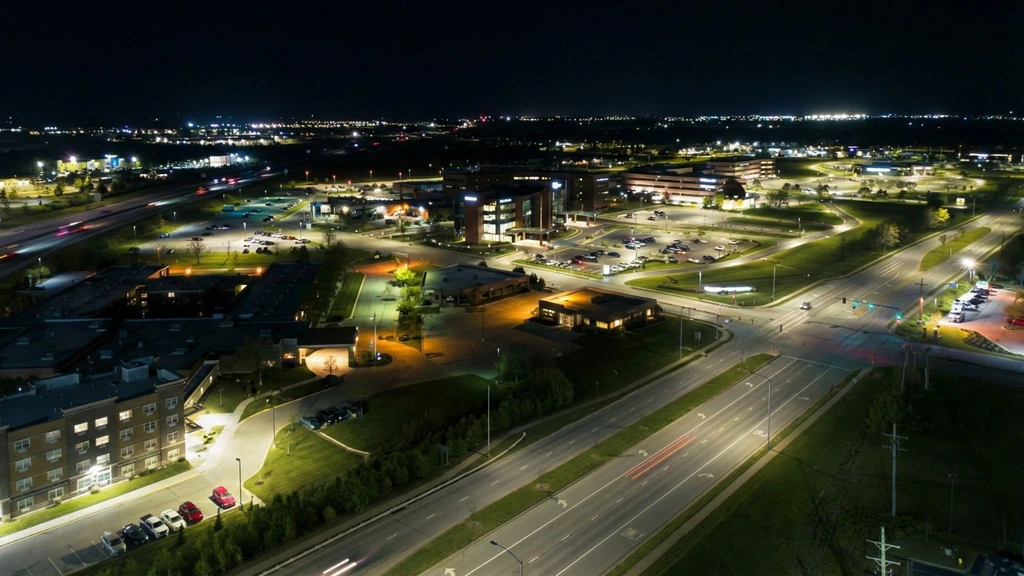
Cities and transportation agencies may need to balance service continuity, public access, maintenance capacity, procurement documentation, and future expansion. A charging installation may serve a municipal fleet, public visitors, or both. Lighting may support a parking area, transit facility, roadway-adjacent asset, or public space. Those roles shape who needs information and which service interruptions matter.
LEOTEK’s energy infrastructure applications page identifies public and municipal infrastructure as an EV-charging context. That is useful context for this article, but it does not establish a solar or BESS offering, a bundled system, or a project outcome. Keep the decision framework independent of any particular product.
Start with a site energy baseline and a future-load scenario
The first deliverable should be a shared planning record, not an equipment list. Its purpose is to make the project boundary, assumptions, and unknowns visible before a team compares alternatives.
Inventory existing service, lighting, and operating schedules
Collect available interval energy data, bills, service information, drawings, equipment records, lighting-control schedules, known operating restrictions, and planned construction. Record the data period and gaps. A single peak value, an old one-line diagram, or a fixture count alone is not a complete operating picture.
For lighting, identify where the load is located, when it normally operates, who changes schedules, and whether a particular area has a service-continuity requirement. This is not a photometric design exercise. It is a way to include a known site load and an operational responsibility in the energy plan.
The baseline should also identify non-electrical constraints that can change the project path, such as access for maintenance, communications ownership, land use, equipment location, and construction sequencing. Treat these as inputs for concept development, not as a substitute for engineering or permitting review.
Define charging use cases and coincidence, not just charger count
Describe the user group and operating pattern for each charging area. Relevant questions include whether vehicles are parked for long periods, whether charging is scheduled, whether access is restricted, and how the site may grow. The answers help a team test plausible simultaneous-use cases rather than assuming every charger operates at maximum output at all times or assuming that use will be evenly distributed.
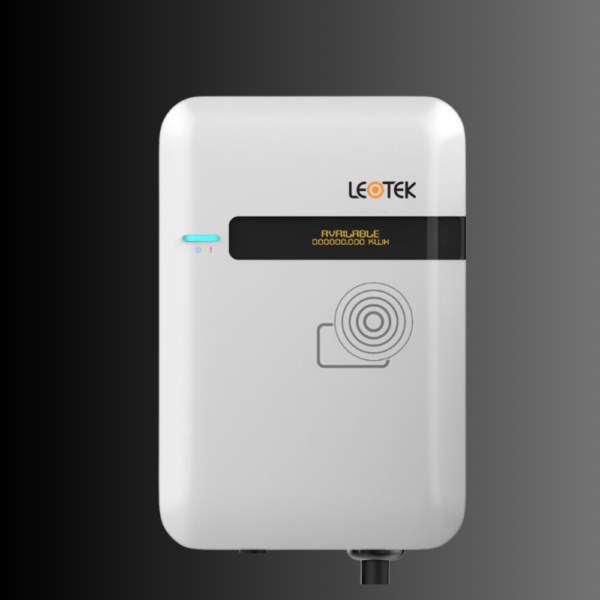
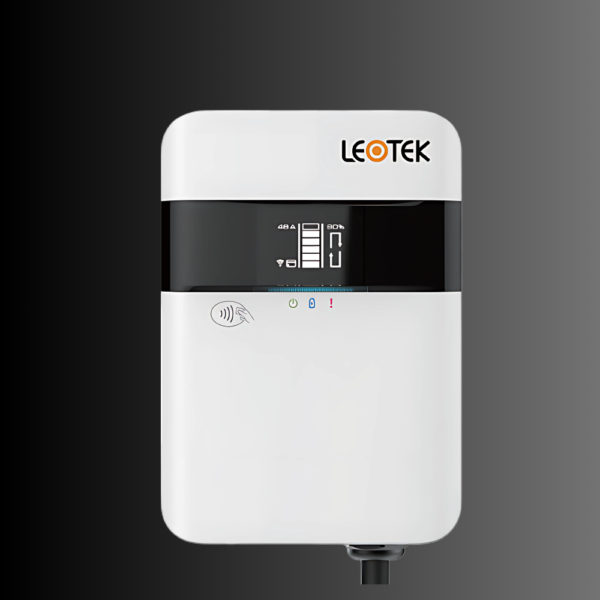
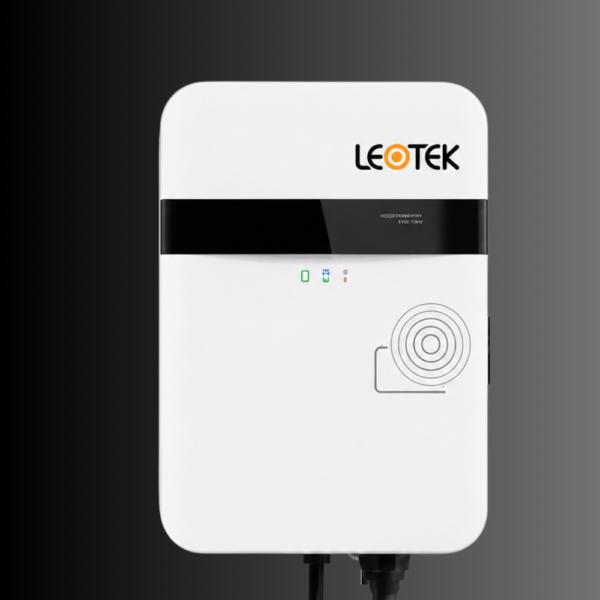
Where product discovery is appropriate, readers can review the EV charger product family. Model-specific electrical, protocol, listing, installation, and availability questions still require current documentation for the exact product and project-specific review. A category page is not enough to establish those details.
Map solar assumptions and storage objectives separately
Avoid treating solar and BESS as interchangeable answers. Document the solar assumptions separately from the storage objective. For solar, that may include the proposed location, site constraints, ownership model, and how output assumptions will be developed. For storage, identify the specific decision it is being evaluated to support, such as an operational strategy or an outage objective.
This distinction prevents a common planning error: assuming that daytime generation will match charging demand or nighttime lighting needs. It may or may not, depending on the site. The project team should test timing and controls with site data rather than turning a general technology description into a site result.
The U.S. Department of Energy provides solar energy resources for professionals and government officials. Use those resources to support the research process, not as a source for site production or financial assumptions.
Set decision rules before selecting solar or BESS
An energy plan is stronger when it states which problem each alternative is intended to address. This allows decision makers to compare alternatives against the same requirements and disclose trade-offs early.
Capacity, tariff, resilience, and service continuity are different questions
Electrical capacity concerns what the site and utility service can support under defined conditions. Tariff questions concern how a utility bills a specific account. Resilience concerns the desired service during an outage or disruption. Service continuity concerns which functions must remain available and for how long. A project may have one, several, or none of these objectives.
Because these objectives differ, a BESS should not be described as automatically reducing demand charges, deferring an upgrade, or providing backup power. Those outcomes depend on the tariff, controls, load profile, interconnection, configuration, code requirements, and operating strategy. Define the objective first, then ask qualified professionals to evaluate alternatives against it.
Identify critical loads and outage expectations with stakeholders
Operations, facilities, transportation, public safety, procurement, and information-technology teams may each define “critical” differently. Document the service that must be preserved, the responsible owner, the expected duration, and what manual procedures are acceptable. A charging location can be operationally important without being an emergency load; a lighting area can have a public-service role without being part of a backup-power design.
This step does not create an emergency-power plan. It gives the design and operating teams a traceable statement of needs. The Department of Energy’s Energy Storage resources describe energy-storage work that includes reliability, safety, analysis, performance validation, and strategic safety considerations. Site-specific design, safety, permitting, and insurance decisions still require the appropriate professionals and authorities.
Confirm utility, code, permitting, and fire-safety requirements early
Engage the utility and applicable authority having jurisdiction before equipment commitments narrow the options. Confirm the utility’s process, interconnection requirements, available service information, review milestones, and schedule dependencies. Engage qualified electrical, fire-safety, and installation professionals for the requirements that apply to the actual configuration and jurisdiction.
Do not present an article checklist as universal electrical, code, accessibility, or fire-safety advice. Codes, standards, utility requirements, and permitting pathways can vary by location, date, equipment, and project scope.
Coordinate controls, data, and operations
An integrated energy plan also needs an operating model. Without one, teams may buy assets that produce separate dashboards, unclear alarm paths, or conflicting operating schedules.
Specify the control boundary and responsible operator
Create a simple control-boundary diagram that identifies the systems, data owners, interfaces, alarm recipients, and manual overrides. It should state what each platform is documented to control and what it is not documented to control. Do not assume that a lighting platform controls chargers, solar, or BESS merely because all appear at the same site.
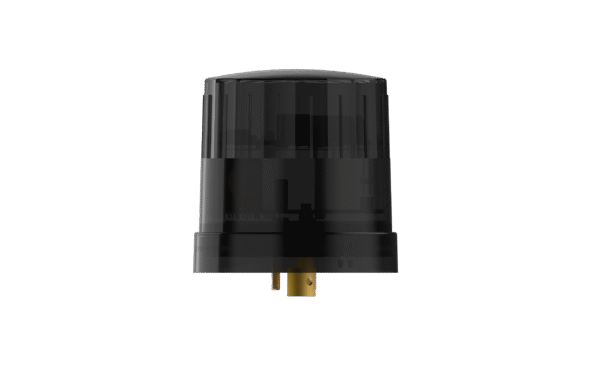
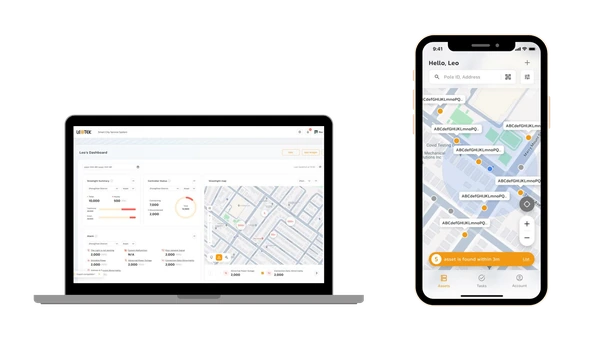
For lighting operations, LEOTEK describes connected lighting management with remote switching and dimming, schedules, fault notification, energy tracking, reporting, maps, alarms, and asset management. Those stated functions can inform questions about lighting operations. They do not establish integration with EV charging, solar, or battery storage.
Use lighting schedules and energy data as inputs, not assumed savings
Lighting schedules and energy records can help the team understand when a site load occurs and who can change its operating state. They should not be used to imply a savings percentage, a capacity benefit, or a safety outcome. Similarly, energy data may reveal questions for investigation, but it does not itself determine a control strategy.
Document how frequently data is reviewed, who receives exceptions, how changes are approved, and which records must be retained for operations and procurement. These practical ownership questions are useful at the planning stage without relying on speculative claims about optimization.
Plan for alarms, maintenance, cybersecurity, and manual procedures
For each system, identify the first responder to an alarm, the escalation path, access permissions, maintenance responsibilities, and fallback procedure if communications are unavailable. Include cybersecurity and data-governance review in the project plan where networked systems or third-party services are involved. The right approach depends on the actual architecture and agency policy.
This inventory can inform lifecycle planning. It clarifies whether teams have the staffing, documentation, training, and service arrangements needed to operate the systems they are considering. It does not prove that a particular platform eliminates maintenance work or provides a universal cybersecurity outcome.
Build a phased procurement and implementation plan
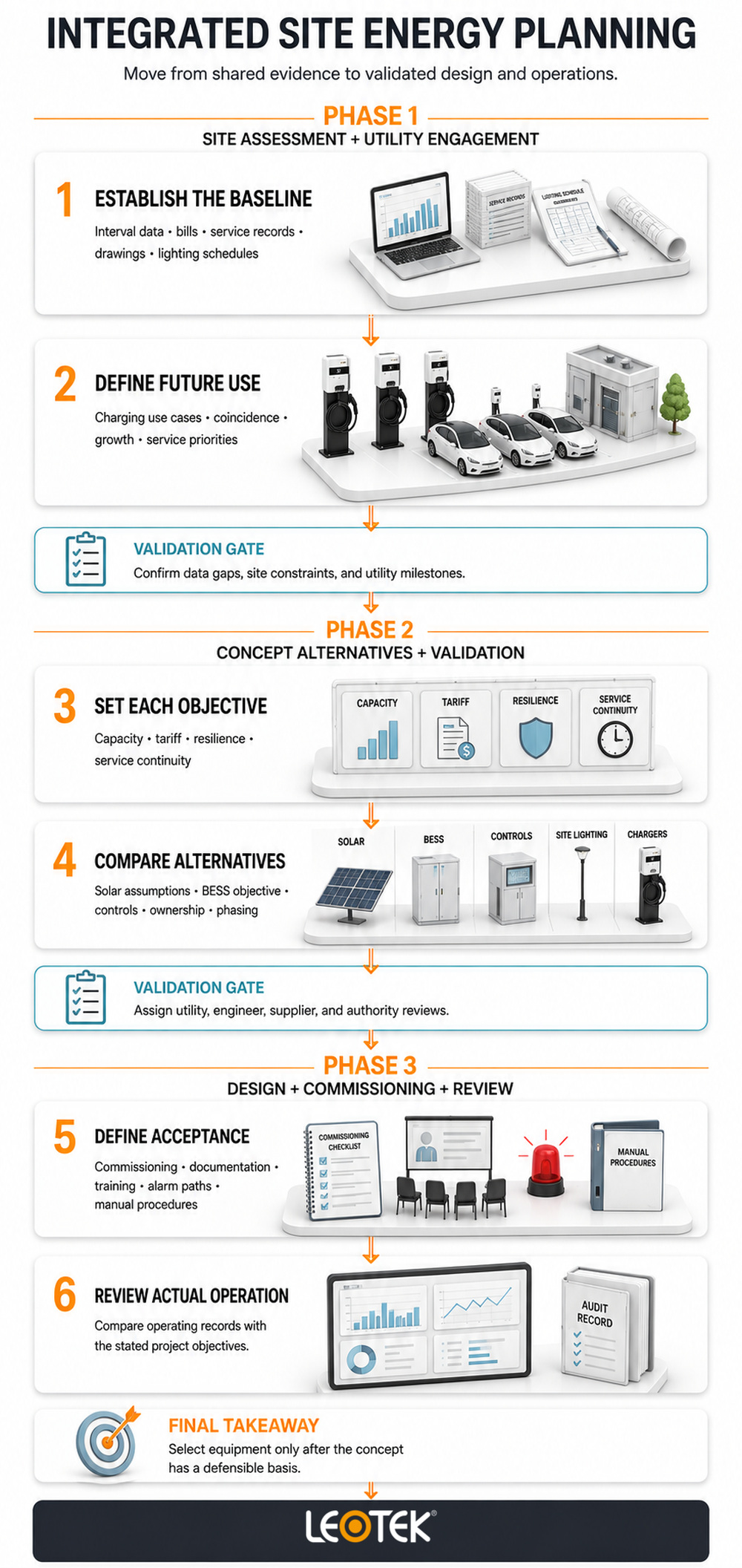
Phasing can help separate early fact-finding from irreversible decisions. The phases below are a planning framework, not a required sequence for every project.
Phase 1: Site assessment and utility engagement
Establish the baseline, user groups, future-load scenarios, service priorities, site constraints, and known utility milestones. Identify information gaps and assign an owner to close each one. The outcome should be a documented set of inputs that the project team agrees is sufficient to compare concepts.
Phase 2: Concept alternatives and validation
Compare alternatives against the stated objectives, not against a generic promise. Test how each concept affects service capacity, operating responsibilities, site layout, construction sequencing, data ownership, safety review, and procurement evidence. Record where an assumption must be validated by the utility, engineer, supplier, or authority having jurisdiction.
Phase 3: Detailed design, commissioning, and performance review
Move to detailed design only after the selected concept has a defensible basis. Define commissioning responsibilities, acceptance criteria, documentation handoff, operator training, and a post-implementation review process. The review should compare actual operation with the project’s stated objectives; it should not assume results in advance.
Readers preparing technical evaluation can consult technical documents and resources. Verify the date, revision, model, and scope of any document before using it in a specification or procurement decision.
Questions to take into the next project meeting
Use this list to structure a cross-functional conversation:
- What baseline load data, drawings, and operating schedules are available, and what is missing?
- Who will charge, when will they charge, and what future use cases are realistic for this site?
- Which lighting areas and other functions have service-continuity requirements?
- What capacity, tariff, resilience, or continuity question is each alternative meant to address?
- What is the documented control boundary, and who owns alarms, data, maintenance, and manual procedures?
- Which decisions require validation by the utility, qualified professionals, suppliers, or the authority having jurisdiction?
For a defined roadway or public-infrastructure project, teams can discuss a roadway infrastructure project after they have framed these questions. That conversation should validate project fit and technical requirements; it should not be treated as a promise of availability, pricing, response time, or an integrated solar/BESS offering.
Frequently asked questions
Can a BESS solve every EV-charging capacity constraint?
No. A BESS may be evaluated as one project-specific alternative, but capacity, tariff, interconnection, safety, controls, and operating objectives determine whether it is appropriate. The first step is to define the constraint and validate it with the relevant utility and qualified professionals.
Should solar be sized before EV chargers are selected?
There is no universal sequence. Establish the site baseline, anticipated charging use, future expansion, and operating constraints first. Then evaluate solar, charging, storage, and lighting alternatives together using project-specific information.
How should site lighting be included in an EV-charging energy plan?
Include its schedules, control approach, maintenance needs, and service role in the site load and operating model. Do not assume that a lighting control system manages the other energy assets unless current documentation supports the exact integration.
Conclusion: Plan EV Charging, Solar, BESS, and Lighting Together
An integrated plan does not predetermine an equipment choice. It helps public-infrastructure teams make assumptions, responsibilities, and validation steps visible before procurement, construction, and long-term operations make them harder to change.
References
- leotek.com, energy infrastructure applications; accessed July 29, 2026.
- leotek.com, EV charger product family; accessed July 29, 2026.
- energy.gov, solar energy resources; accessed July 29, 2026.
- energy.gov, Energy Storage; accessed July 29, 2026.
- leotek.com, connected lighting management; accessed July 29, 2026.
- leotek.com, technical documents and resources; accessed July 29, 2026.