
Traffic Signals: A Complete Guide to How They Work
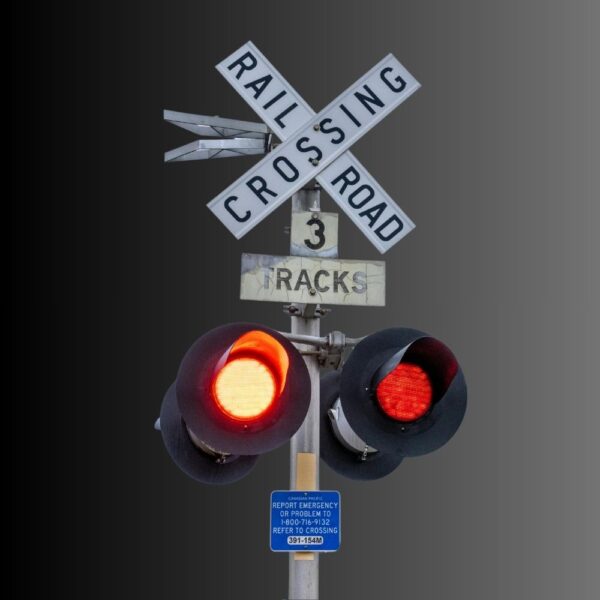
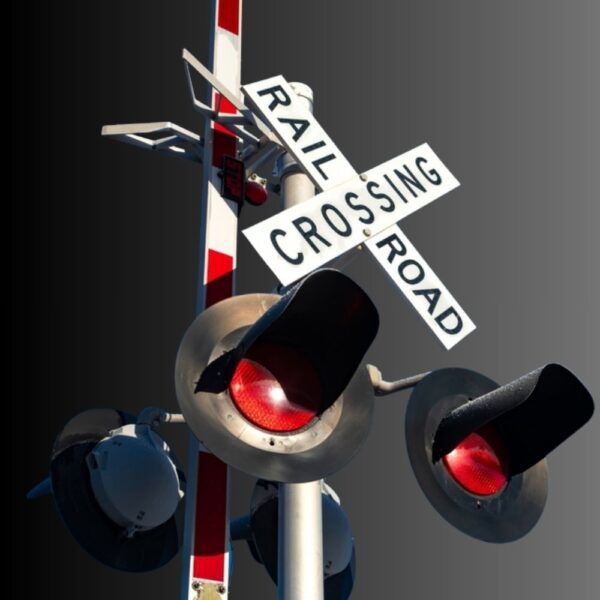
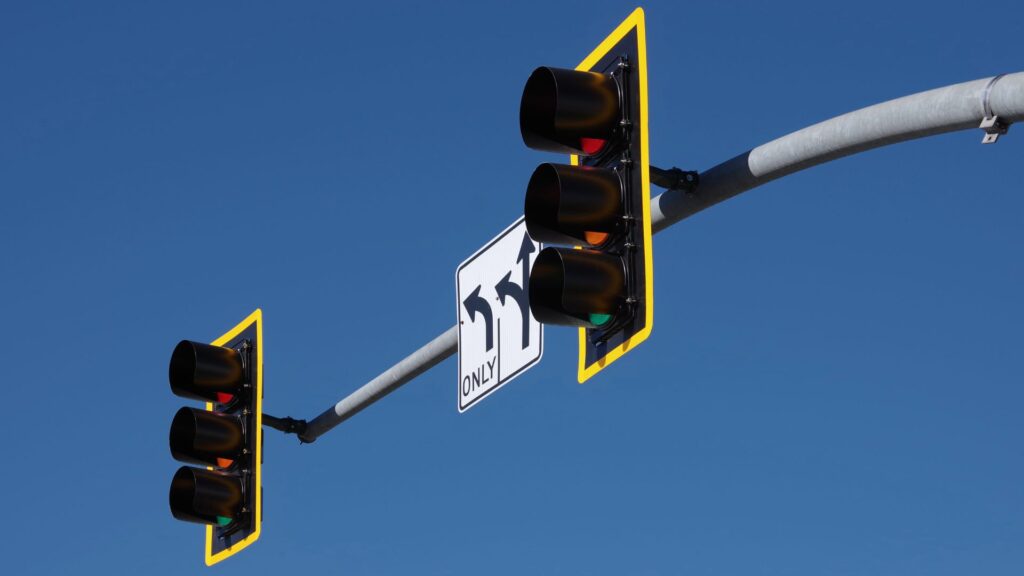
Understand how U.S. traffic signals connect detection, controller timing, turning movements and pedestrian intervals, with FHWA diagrams and practical equipment checks.

BABA and Buy American Act (BAA) compliant configurations are available for select LEOTEK roadway and traffic lighting products.
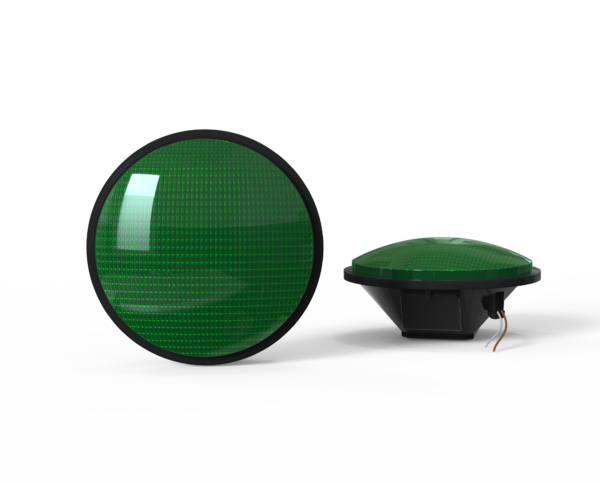
Countdown Signal Module
Hand & Person Overlap
Hand & Person Side by Side
External / Plug-and-Play Smart Node (Mounts externally to the fixture)
Integrable lighting products
Internal / Integrated Smart Node (Built directly inside the luminaire)
Integrable lighting products
The central AI management system (CMS) of the LEOlink Intelligent Lighting System.
Integrable lighting products
Frontier isn’t just a name—it’s a declaration. Born from the legacy of Dialight’s trusted traffic signal designs and reimagined by LEOTEK’s innovation-driven R&D and product management teams, Frontier stands as a symbol of reliability, evolution, and regional adaptation.
Explore roadway lighting and traffic signal guides covering photometric design, LED conversion, signal modules, specification review and procurement. Articles connect engineering questions with applicable product and application resources.

Understand how U.S. traffic signals connect detection, controller timing, turning movements and pedestrian intervals, with FHWA diagrams and practical equipment checks.

For decades, consumers relied on wattage as a primary measure of brightness, but with modern LED technology, lumens and lux have become the key metrics.

What is an IP Rating? An IP Rating is a standardized way to measure the effectiveness of an enclosure’s protection against the intrusion of foreign bodies such as dust, moisture, and accidental contact. Governed by the international standard EN 60529 (British BS EN 60529:1992 and European IEC 60509:1989), IP ratings provide a clear and concise indication of an enclosure’s resistance to solids and liquids.

Compare IES light distribution Types I–V and VS with clear diagrams, streetlight selection guidance and an IES photometric review checklist.

Traffic light sensors are essential for managing road traffic efficiently and safely. These sensors control the flow of vehicles and pedestrians, helping to reduce congestion and prevent accidents.

In the evolving landscape of LED lighting technology, flickering has emerged as a common challenge, affecting everything from interior ambience to the vital illumination of roadways.

In the realm of outdoor lighting, understanding the Effective Projected Area (EPA) is crucial for ensuring both the functionality and safety of lighting installations. EPA is a key factor in designing and installing outdoor lighting systems, including light poles, luminaires, and flood lights. This concept is especially important in areas where wind load can significantly impact the stability of these structures.

What is Human-centric lighting? In the realm of modern illumination, a paradigm shift is underway, moving beyond mere functionality to prioritize human health and well-being. This shift is embodied in the concept of human-centric lighting (HCL). As we delve deeper into this article, we’ll explore what human-centric lighting is, its evolution from traditional lighting practices, and the critical roles natural and white light play in this innovative approach.

What is Kelvin(K) value in lighting? When it comes to lighting, the choices we make can transform the ambiance and functionality of a space. At the heart of these choices is a concept not widely understood yet integral to every light source we encounter: Kelvin. This article aims to demystify Kelvin and its critical role in defining the color temperature of light bulbs, especially in the realm of LED technology.

what are the important street light certifications? In an era where energy-efficient and environmentally conscious lighting solutions are in high demand, LED street lights have emerged as a prominent choice for urban and municipal lighting projects. This article talks about the list of certificates you need to know!