



Traffic light sensors are essential components in modern traffic management systems. They enable the safe and efficient movement of vehicles and pedestrians by dynamically controlling traffic signals, reducing congestion, and minimizing the likelihood of accidents. As urban areas expand and traffic volumes rise, the role of these sensors in maintaining orderly traffic flow becomes ever more critical. This comprehensive guide explores how traffic light sensors work, the various technologies employed, their impact on road efficiency and safety, the challenges associated with their implementation, and future trends in the field. In addition, this guide highlights LEOTEK’s cutting-edge traffic signal solutions designed to further enhance road safety and operational efficiency.
1. Introduction
Traffic light sensors have evolved from simple, timer-based systems into highly sophisticated components of intelligent transportation systems (ITS). In today’s cities, where congestion and road safety are major concerns, these sensors are indispensable tools that enable adaptive traffic signal control based on real-time data. This guide aims to provide a detailed, 101-level understanding of traffic light sensors—their technology, implementation, and impact on road efficiency. By the end of this guide, readers will have a comprehensive understanding of how these systems work, the challenges they face, and the opportunities they offer for creating smarter, safer road networks.
2. Fundamentals of Traffic Light Sensors
2.1 What Are Traffic Light Sensors?
Traffic light sensors are devices integrated into traffic signal systems that detect the presence, speed, and type of vehicles and pedestrians at intersections. Their primary function is to provide real-time data that allows traffic controllers to adjust signal timings dynamically, ensuring optimal traffic flow. In addition to reducing delays, these sensors also enhance safety by managing the movement of vehicles and pedestrians more efficiently.
2.2 Types of Traffic Light Sensors
Several types of sensors are employed in traffic light systems, each with its advantages and limitations. The most common types include:
- Inductive Loop Sensors: Embedded beneath the roadway, these sensors detect vehicles by measuring changes in magnetic fields.
- Infrared Sensors: Use beams of infrared light to detect vehicles by measuring interruptions in the beam.
- Microwave Sensors: Utilize radar technology to detect moving objects, offering the advantage of functioning in various weather conditions.
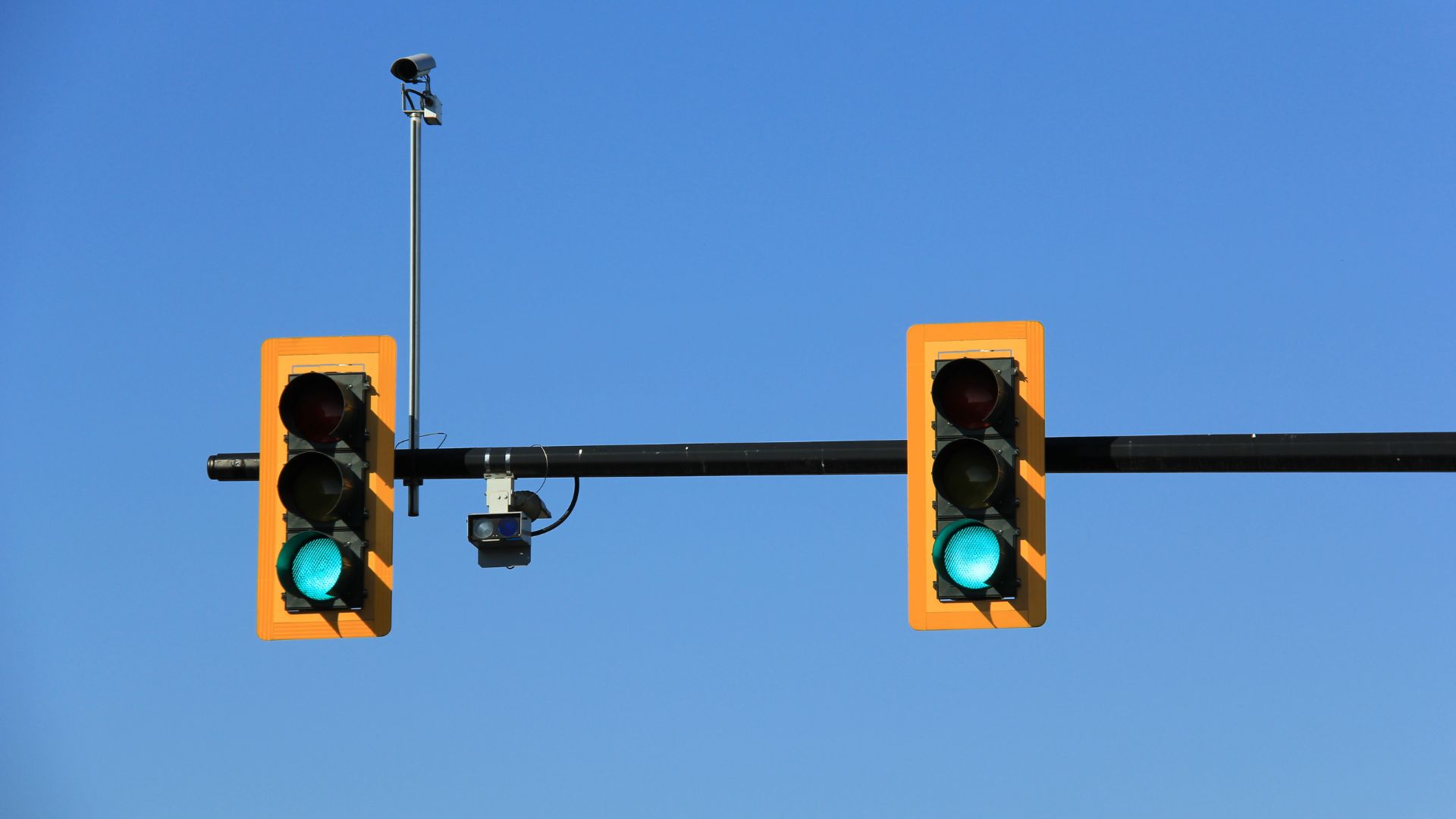
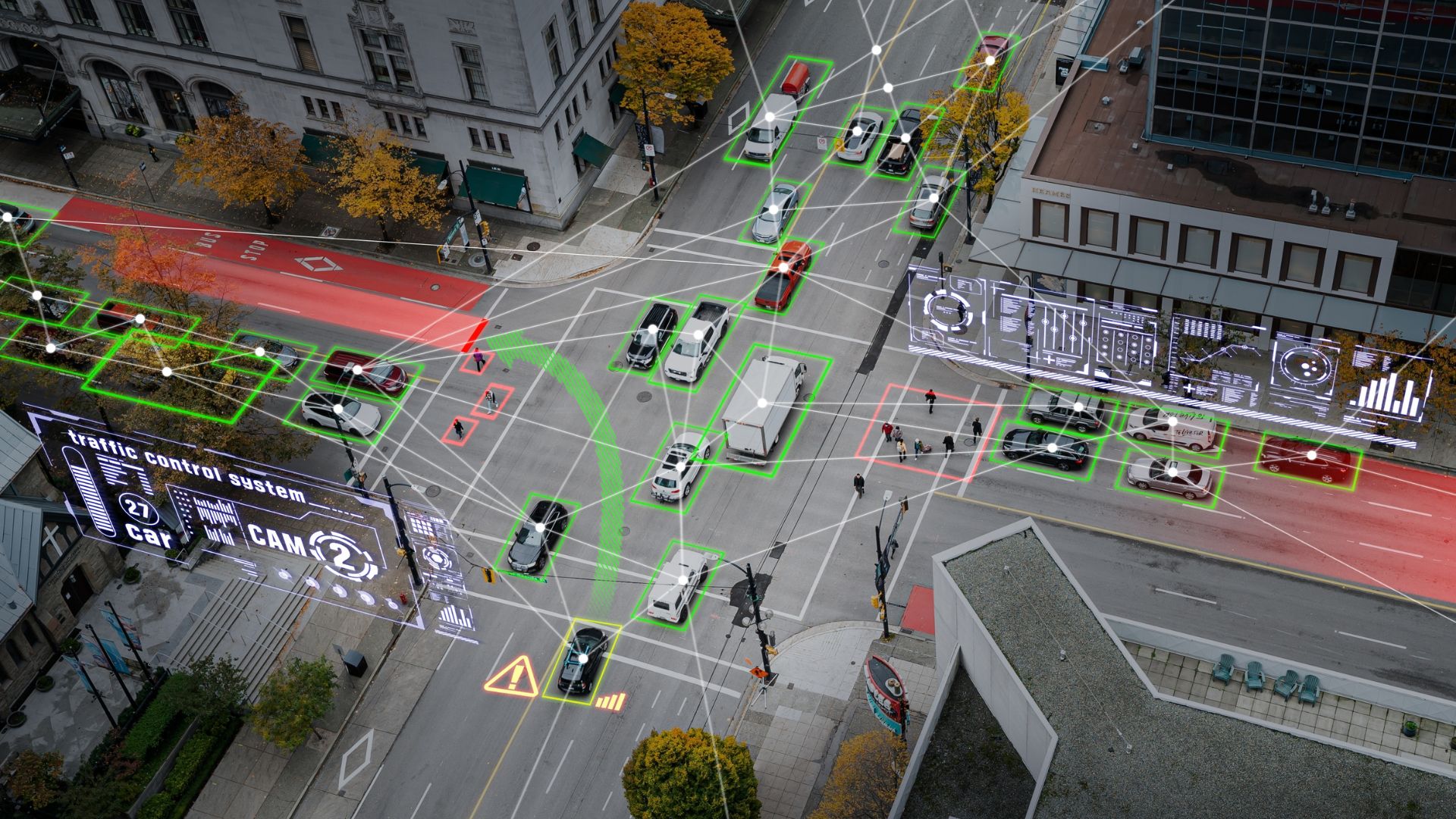
- Video Detection Systems: Employ cameras and sophisticated image processing algorithms to monitor traffic and pedestrian movements.
Each sensor type plays a distinct role in enhancing traffic control and is selected based on specific environmental and operational requirements.
3. How Traffic Light Sensors Work
Understanding the operational principles of traffic light sensors is key to appreciating their role in modern traffic management. This section delves into the technical aspects of the various sensor types.
3.1 Inductive Loop Sensors
Principle:
Inductive loop sensors consist of wire loops embedded in the pavement. When a vehicle passes over or stops above the loop, it disrupts the magnetic field generated by the loop, resulting in a measurable change in inductance. This change is detected by the traffic signal controller, which then uses the data to adjust the signal timings.
Advantages:
- High reliability and durability.
- Ideal for permanent installations.
Limitations:
- Installation requires significant roadwork.
- Susceptible to damage during maintenance or road construction.
For more technical details, see the explanation provided by Wikipedia.
3.2 Infrared Sensors
Principle:
Infrared sensors operate by emitting beams of infrared light across an intersection. When a vehicle or pedestrian interrupts the beam, the sensor registers the change and triggers a signal. These sensors are particularly useful in low-traffic conditions where rapid response is necessary.
Advantages:
- Less expensive and easier to install.
- Effective in controlled environments.
Limitations:
- Performance can be affected by adverse weather conditions (e.g., fog, heavy rain).
- Less effective at detecting smaller objects.
A detailed overview of infrared sensor technology is available on ELTEC.
3.3 Microwave Sensors
Principle:
Microwave sensors emit electromagnetic waves (microwaves) and detect the reflections caused by moving vehicles. This technology is similar to radar used in aviation and provides excellent performance in various weather conditions.
Advantages:
- High reliability in all weather conditions.
- Can detect vehicles across multiple lanes.
Limitations:
- Generally more expensive.
- Installation and calibration can be complex.
More information on the benefits of microwave sensors is discussed by Popular Mechanics.
3.4 Video Detection Systems
Principle:
Video detection systems use cameras to monitor intersections. The video feed is processed by algorithms that can identify vehicles, pedestrians, and even bicycles. This type of system provides a wealth of data beyond mere vehicle presence, such as traffic density and movement patterns.
Advantages:
- Provides comprehensive data for traffic analysis.
- Versatile and adaptable to different environments.
Limitations:
- High cost due to sophisticated hardware and software requirements.
- Requires continuous data processing and can be affected by lighting conditions.
4. Integration into Traffic Control Systems
Once traffic light sensors gather data, the information must be processed and acted upon to optimize traffic flow. This is achieved through advanced traffic signal control systems.
4.1 Traffic Signal Controllers
Traffic signal controllers are the central units that receive sensor data, analyze traffic patterns, and determine the appropriate signal timings. They use both fixed-time schedules and adaptive algorithms to manage intersections. Adaptive controllers can adjust green, yellow, and red intervals based on the volume and speed of traffic, ensuring that the signals respond in real time to changing conditions.
4.2 Adaptive Traffic Control and Real-Time Adjustments
Modern traffic control systems use adaptive algorithms that continuously analyze data from sensors. For example:
- Adaptive Timing: Sensors detect real-time traffic volumes and adjust green light durations accordingly. This minimizes waiting times and smooths the flow of vehicles.
- Emergency Vehicle Preemption: Special sensors and algorithms allow traffic signals to grant immediate right-of-way to emergency vehicles, significantly reducing response times.
- Multi-Sensor Fusion: By combining data from multiple sensor types (e.g., inductive loops and video detection), controllers can achieve higher accuracy and reliability, even under adverse conditions.
The integration of these advanced control systems transforms traditional traffic lights into intelligent, data-driven tools that dynamically manage road networks. More details about adaptive traffic control can be found in the Federal Highway Administration report.
5. Impact on Traffic Flow and Road Safety
Traffic light sensors have a profound impact on both traffic flow and road safety. Their ability to provide real-time data and enable dynamic signal control leads to several significant benefits.
5.1 Enhancing Traffic Efficiency
Traffic light sensors contribute to smoother traffic flow in several ways:
- Dynamic Signal Timing: By adjusting the duration of green lights based on current traffic conditions, sensors reduce stop-and-go traffic and prevent long queues from forming.
- Reduced Congestion: Real-time adjustments help prevent gridlocks during peak hours, leading to faster travel times and lower fuel consumption.
- Optimized Intersection Performance: Sensors help maintain consistent vehicle movement across intersections, reducing delays and improving overall road network efficiency.
5.2 Improving Road Safety
Beyond improving traffic flow, sensors play a crucial role in enhancing safety:
- Accident Prevention: By dynamically adjusting signal timings, sensors help prevent collisions at intersections, particularly those involving impatient drivers or distracted pedestrians.
- Enhanced Pedestrian Safety: Sensors dedicated to detecting pedestrians ensure that crosswalks receive timely green signals, reducing the risk of accidents.
- Emergency Response: Systems that incorporate emergency vehicle preemption reduce the time it takes for ambulances, fire trucks, and police vehicles to reach their destinations, potentially saving lives.
Studies have shown that intersections equipped with advanced sensor systems experience fewer accidents and lower congestion levels. For a deeper understanding of these safety benefits, HowStuffWorks offers a thorough explanation of sensor-based traffic control.
6. Challenges in Traffic Sensor Implementation
While the benefits of traffic light sensors are significant, there are challenges associated with their implementation and maintenance.
6.1 Installation and Maintenance
Cost Considerations:
Advanced sensor systems—especially those using video detection or microwave technology—require substantial initial investment in hardware, installation, and integration. Additionally, ongoing maintenance costs must be considered to ensure long-term performance.
Technical Complexity:
The installation of sensors such as inductive loops requires road surface work, which can lead to traffic disruptions and higher labor costs. Regular calibration and maintenance are essential to ensure that sensors continue to function accurately.
Maintenance Demands:
Sensors must be regularly inspected, cleaned, and recalibrated. For example, video detection systems may require software updates and hardware cleaning, while inductive loops might need repair if damaged by roadworks. These requirements add to the overall operational cost and complexity of traffic management systems.
6.2 Environmental and Technical Challenges
Weather Conditions:
Extreme weather—such as heavy rain, snow, or fog—can impact the performance of certain sensors. Infrared sensors, for example, may have reduced accuracy in foggy conditions, while video systems can struggle under poor lighting.
Interference and Obstructions:
In densely populated urban areas, electromagnetic interference from nearby infrastructure or heavy machinery can affect the accuracy of inductive loop sensors. Additionally, physical obstructions, such as parked vehicles or road debris, can impede sensor performance.
Integration with Existing Infrastructure:
Retrofitting older intersections with modern sensor technology may present compatibility issues. Ensuring that new systems can communicate seamlessly with existing traffic controllers is critical for achieving the desired efficiency improvements.
These challenges require careful planning and coordination between transportation authorities, technology providers, and municipal agencies to ensure successful sensor deployment.
7. Future Trends in Traffic Light Sensor Technology
The field of traffic light sensor technology is evolving rapidly, driven by advances in digital technology, data analytics, and smart city initiatives. Several trends promise to shape the future of traffic management.
7.1 Integration with Smart City Initiatives
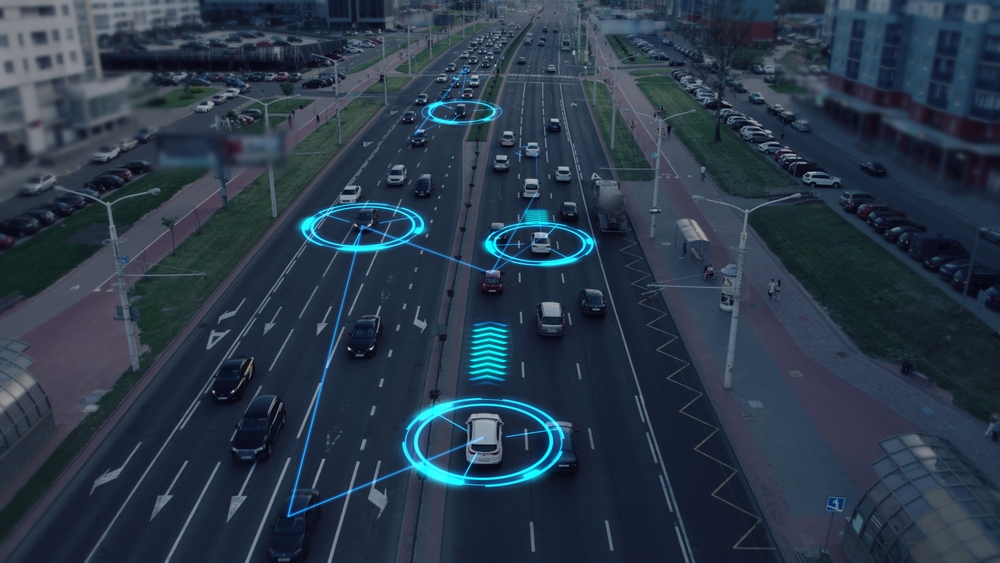
As urban centers become increasingly interconnected, traffic light sensors are set to play a key role in broader smart city ecosystems. By integrating sensor data with other urban management systems—such as public transportation networks, environmental monitoring, and emergency services—cities can achieve:
- Real-Time Data Sharing: Facilitating coordinated responses to traffic congestion, accidents, and emergencies.
- Enhanced Urban Planning: Data collected from traffic sensors can inform infrastructure investments and urban development strategies.
- Sustainable Transportation: Integrating traffic data with smart grid systems helps optimize energy use and reduce environmental impacts.
7.2 Advancements in Sensor Technology
Ongoing research and development are leading to the creation of even more sophisticated sensor systems. Future advancements may include:
- Smarter Sensors: With built-in artificial intelligence (AI), sensors may be able to analyze data locally and make decisions without central intervention.
- Multi-Sensor Fusion: Combining data from multiple sensor types (e.g., video, radar, and inductive loops) will improve accuracy and reliability, even under challenging conditions.
- Wireless Sensor Networks: Advances in wireless communication (including 5G and beyond) will enable more robust, low-latency data transmission across urban networks.
7.3 Data Analytics and Predictive Maintenance
With the rise of big data analytics, the potential for predictive maintenance in traffic systems is growing. By continuously monitoring sensor data, traffic management centers can:
- Detect Anomalies: Identify early signs of system degradation or potential failures.
- Schedule Preventive Maintenance: Reduce unplanned downtime by addressing issues before they become critical.
- Optimize System Performance: Use historical data to fine-tune traffic signal timings and improve overall efficiency.
These trends underscore the ongoing evolution of traffic light sensor technology and its critical role in creating safer, more efficient urban road networks.
8. LEOTEK Traffic Signal Solutions: Enhancing Road Efficiency
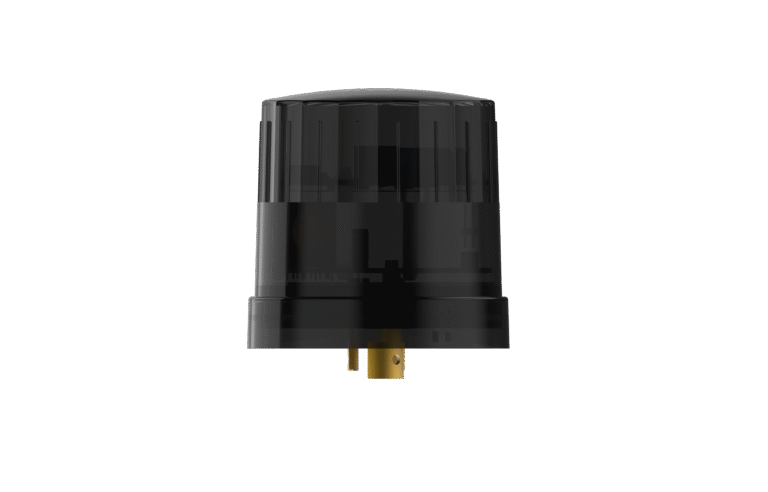
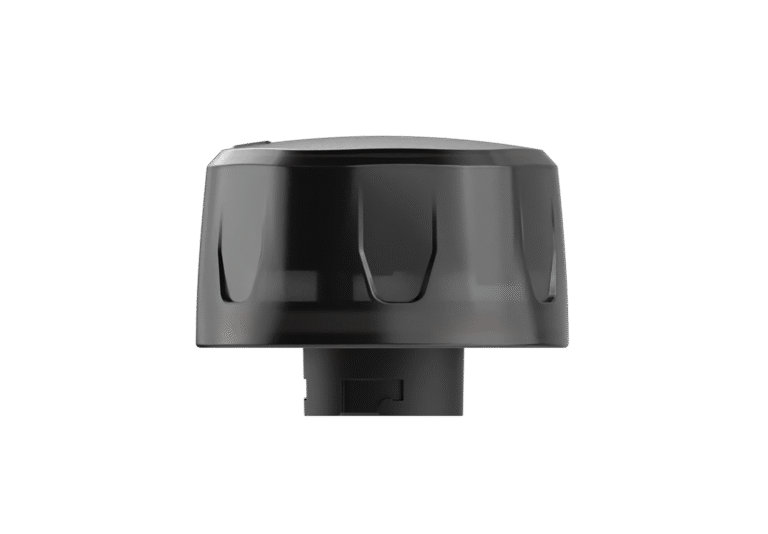
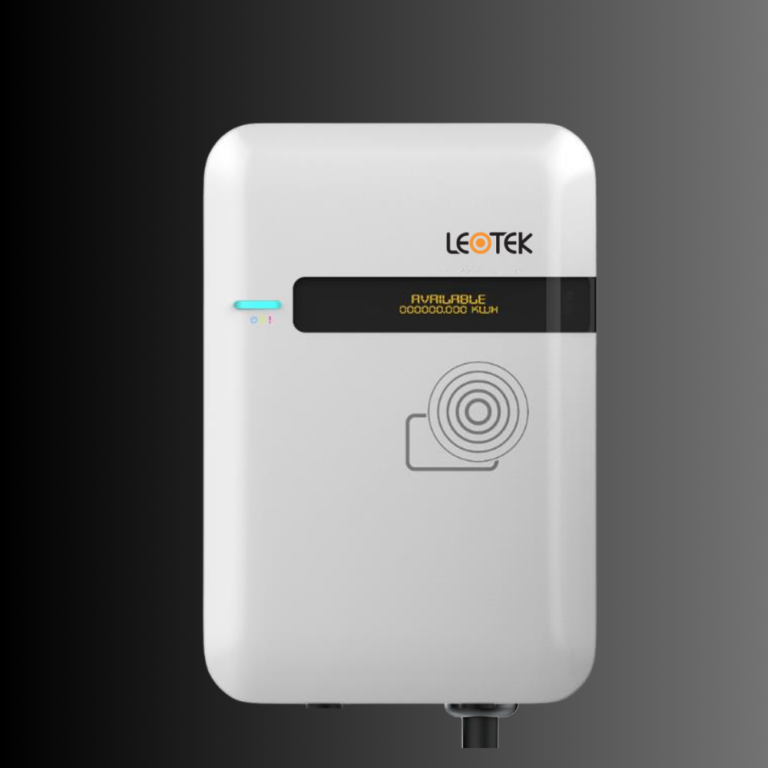
At LEOTEK, we are at the forefront of developing intelligent traffic management solutions that integrate advanced sensor technologies with modern connectivity. Our range of traffic signal products is designed to meet the growing demands of urban transportation systems, ensuring safer and more efficient roadways.
Introducing LEOTEK Traffic Signal Products
Smart LED Traffic Signals:
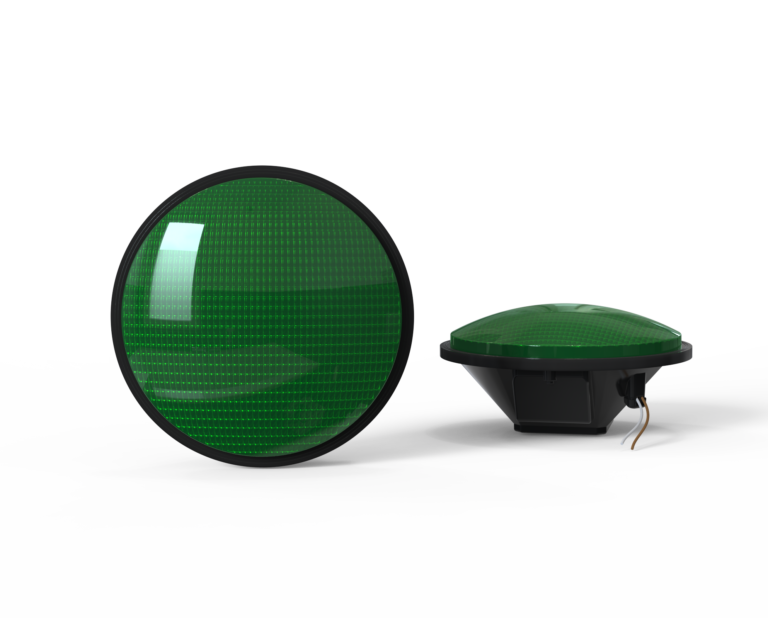
Our smart LED traffic signals are engineered for enhanced visibility and energy efficiency. Equipped with advanced sensor integration capabilities, these signals can adapt in real time to changing traffic conditions, reducing delays and improving safety at intersections.
Integrated Sensor Systems:
LEOTEK’s traffic signal solutions incorporate state-of-the-art sensor technology, including inductive loops, infrared, and microwave sensors. These systems provide comprehensive data on vehicle and pedestrian movements, allowing for dynamic adjustments to signal timings. This integration leads to smoother traffic flow and fewer congestion-related delays.
Predictive Maintenance Capabilities:
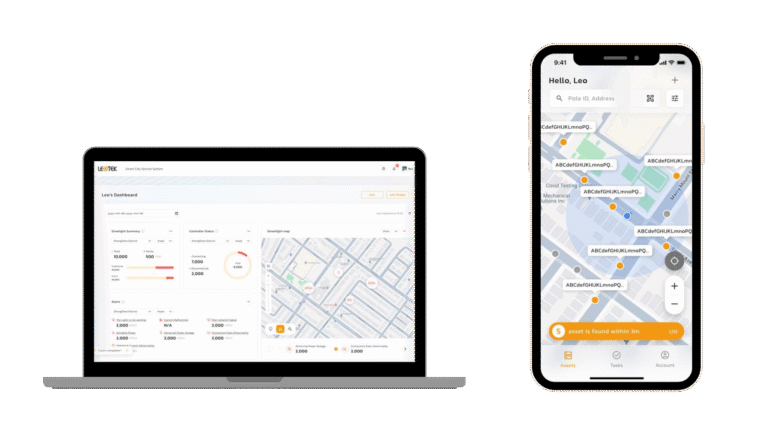
By leveraging our proprietary connectivity platforms, LEOTEK’s solutions enable real-time monitoring of traffic signal performance. Our systems can detect anomalies early and trigger maintenance alerts, ensuring that your traffic management infrastructure remains operational with minimal downtime.
Call to Action
Ready to enhance your traffic management system? Discover how LEOTEK’s innovative traffic signal solutions can transform your urban road networks.
Learn more about LEOTEK Traffic Signal Products and join the future of smart, efficient road management.
Our commitment to quality and innovation ensures that every product is designed to meet the evolving needs of modern transportation systems. With LEOTEK, you can achieve improved road safety, reduced congestion, and optimized traffic flow.
9. Conclusion
Traffic light sensors play a pivotal role in modernizing traffic management systems. By detecting vehicles and pedestrians in real time, these sensors enable adaptive signal control that enhances both traffic efficiency and road safety. From inductive loops to infrared, microwave, and video detection systems, each technology offers unique benefits and faces specific challenges.
Despite the complexities involved in installation, maintenance, and integration, the advantages provided by these systems are undeniable. They reduce congestion, optimize travel times, and create safer intersections—all of which contribute to a more efficient urban environment.
Looking ahead, ongoing advancements in sensor technology, data analytics, and wireless communication will only further enhance the capabilities of traffic light sensors. As part of broader smart city initiatives, these systems will help create interconnected, sustainable urban landscapes that respond dynamically to real-time conditions.
For transportation authorities, city planners, and technology providers, investing in advanced traffic sensor technologies is an essential step toward building smarter, safer, and more efficient road networks.
Furthermore, innovative solutions like those offered by LEOTEK provide a competitive edge. Our smart LED traffic signals, integrated sensor systems, and predictive maintenance capabilities exemplify the future of traffic management—where technology and data work together to revolutionize how our roads function.
10. References
- Caterpillar Inc. (n.d.). Technology and innovation. Retrieved from https://www.cat.com/en_US/support/technology.html
- ELTEC. (n.d.). Are there sensors at traffic lights? Retrieved from https://elteccorp.com/news/other/are-there-sensors-at-traffic-lights/
- Federal Highway Administration. (2007, November/December). A new look at sensors. Retrieved from https://highways.dot.gov/public-roads/novdec-2007/new-look-sensors
- Foxconn. (n.d.). Innovation and automation. Retrieved from https://www.foxconn.com/
- Group Four Transducers. (n.d.). Pressure transducers and traffic lights. Retrieved from https://groupfourtransducers.com/news/pressure-transducers-and-traffic-lights/
- Honeywell Aerospace. (n.d.). Connected aircraft solutions. Retrieved from https://aerospace.honeywell.com/
- HowStuffWorks. (n.d.). How traffic lights detect your vehicle. Retrieved from https://auto.howstuffworks.com/car-driving-safety/safety-regulatory-devices/how-does-a-traffic-light-detect-that-a-car-has-pulled-up-and-is-waiting-for-the-light-to-change.htm
- Icoms Detections. (n.d.). Traffic light sensor: Regulate the traffic with intelligent sensors. Retrieved from https://icomsdetections.com/traffic-light-sensor/
- Popular Mechanics. (n.d.). How traffic lights work – Everything you need to know about traffic lights. Retrieved from https://popularmechanics.com/cars/car-technology/a45015101/how-traffic-lights-work/
- Rolls-Royce. (n.d.). Predictive maintenance and digital solutions. Retrieved from https://www.rolls-royce.com/what-we-do/services/digital-services.aspx
- Schneider Electric. (n.d.). Digital transformation in energy management. Retrieved from https://www.se.com/ww/en/work/campaign/innovation/
- Siemens AG. (n.d.). Digital factory: Amberg. Retrieved from https://new.siemens.com/global/en/company/stories/industry/amberg-digital-factory.html
- wikiHow. (n.d.). 3 ways to trigger green traffic lights. Retrieved from https://wikihow.com/Trigger-Green-Traffic-Lights
- Wikipedia. (n.d.). Traffic light. Retrieved from https://en.wikipedia.org/wiki/Traffic_light