









Trouble with streetlight bids? A fair streetlight bid comparison puts every proposal on the same project baseline before anyone ranks price. The practical tool is a matrix that records the offered configuration, supporting document, revision, and exception for each requirement, so a city or transportation agency can distinguish a compliant offer from a different assumption.
Streetlight proposals often look comparable because they each state a wattage, unit price, and product name. Those fields are not enough to establish equivalent lighting performance, controls behavior, installation scope, warranty terms, or lifecycle assumptions. The procurement team, engineer of record, and other authorized reviewers should apply the solicitation and local requirements to the completed record.
Key takeaways
- Start with one controlled baseline for every roadway segment, mounting condition, operating schedule, and required submittal.
- Compare source documents and configurations, not brochure phrases or quoted wattage alone.
- Log each departure as an exception or alternate rather than silently treating it as equivalent.
- Calculate evaluated cost only after the same quantities, inclusions, operating assumptions, and time horizon have been disclosed.
- Keep the completed matrix and evidence package with the procurement record.
Start with one controlled bid baseline
The matrix cannot repair an ambiguous solicitation. Before bids are compared, establish the reference conditions against which every offer will be read. The baseline is not a preferred vendor configuration. It is the common description of the project that lets reviewers see where proposals do and do not match.
For a streetlight program, the baseline may separate roadway segments, intersections, paths, parking areas, or other application areas. It can identify mounting height and arm assumptions, pole interfaces, voltage, calculation areas, required operating schedules, control architecture, and the documents that must accompany the bid. Outdoor lighting applications can help orient readers to roadway and area-lighting categories, but a category page is not evidence that any model meets a project requirement.
Define what must be held constant
Use the bid documents to set the comparison conditions. At a minimum, record the solicitation version, addenda, line item, location or application, required quantities, and any approved alternates. If the project uses photometric calculations, record the geometry and criteria used for the calculation rather than copying a single average value into a scorecard.
The same discipline applies to commercial assumptions. Note whether each quoted price includes freight, tax, hardware, controls, commissioning, removal, installation support, programming, or other work. An offer may be responsive even when it takes a different approach, but the difference needs a visible label and an agency decision.
Treat departures as information, not equivalence
Create a dedicated exception field for every line. A bidder that changes a driver, control node, mounting component, warranty start trigger, or calculation assumption has supplied information the reviewers need. That is not automatically a disqualification, nor is it automatically equivalent.
Ask the bidder to identify the source document and revision that supports each response. This preserves an audit trail and prevents a later substitution from being mistaken for the configuration that was evaluated. The project team should determine whether the departure is acceptable under its procurement rules and technical criteria.
Build a streetlight bids comparison matrix
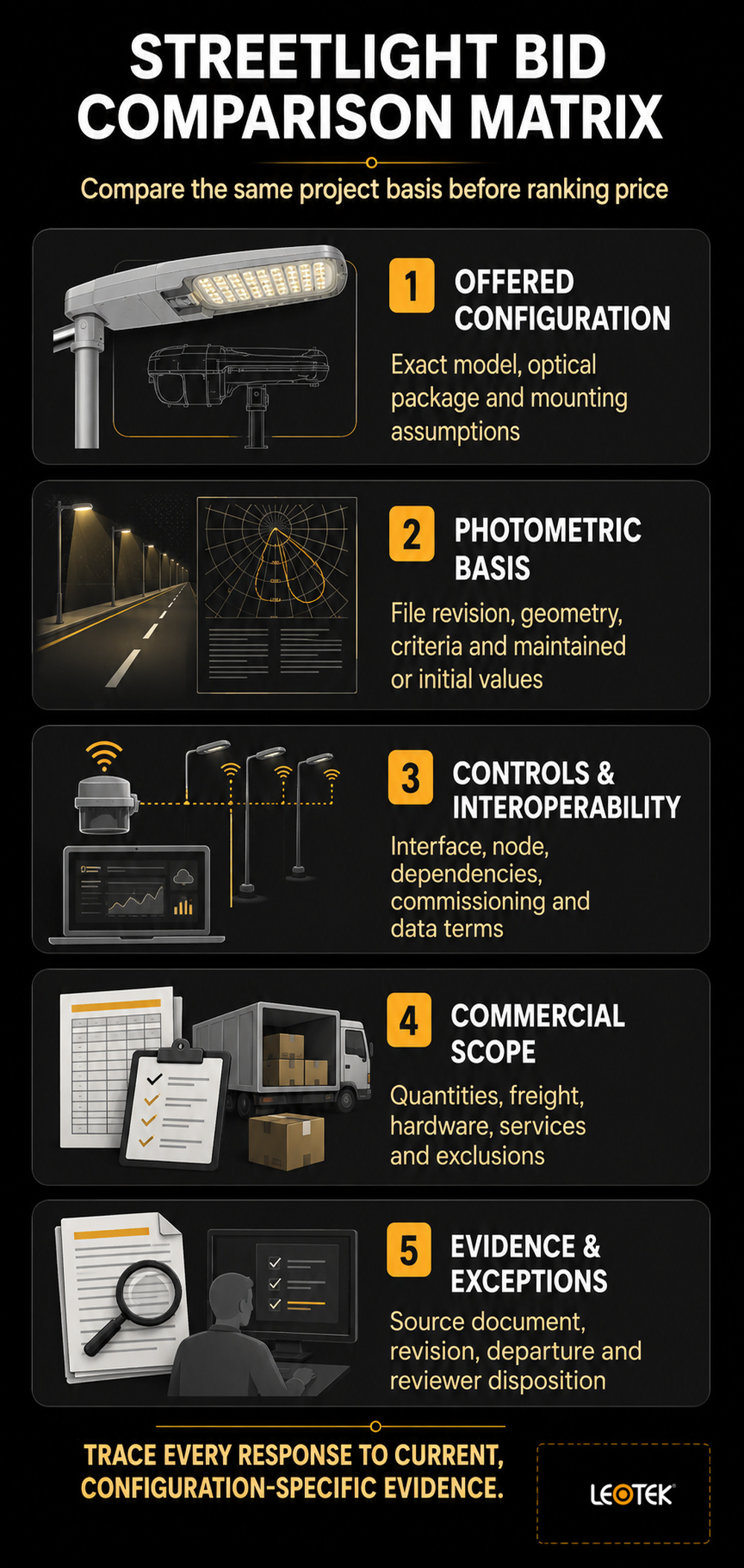
A useful lighting procurement matrix has rows for requirements and columns for the baseline, each bidder’s response, the supporting evidence, exceptions, and reviewer disposition. For an LED luminaire bid evaluation, do not populate a sample with fictional vendor values. Instead, use a blank structure such as this one.
| Comparison field | Baseline requirement | Bidder response | Source document and revision | Exception or reviewer note |
|---|---|---|---|---|
| Offered model and configuration | State required configuration | Record exactly as offered | Cut sheet or submittal | Identify deviations |
| Photometry | State project calculation basis | Record file and assumptions | Photometric report/file | Confirm configuration match |
| Controls | State interface and scope | Record offered architecture | Controls documentation | Flag dependencies |
| Commercial scope | State included work and quantities | Record inclusions/exclusions | Bid form and clarifications | Normalize before price comparison |
| Warranty and service | State required evidence | Record document and trigger | Warranty/service terms | Review contractual applicability |
The table is a review aid, not a substitute for engineering analysis, contract interpretation, or a legally compliant evaluation process. Add fields only when they are relevant to the solicitation, and retain the original bidder documents behind the matrix.
Compare photometry, not just wattage or lumens
Wattage describes electrical input, while a streetlight evaluation usually depends on how the offered configuration distributes light in the actual project geometry. Likewise, a lumen figure alone does not establish illuminance or uniformity on a roadway. Readers who need the terminology can review watts, lumens, and lux, but illuminance still depends on geometry and distribution.
For each offer, record the exact model, optical configuration, photometric file or report revision, distribution, mounting assumptions, calculation area, and stated design criteria. Where the bid materials present initial and maintained values, label them rather than mixing them in the same comparison. Ask whether the photometric evidence matches the offered configuration; a family-level document may not answer that question.
Distribution is another field to compare, not a shorthand for overall suitability. A reference on IES light distribution types can provide background, but the applicable terminology and project-specific photometric needs should be verified by the qualified project team. Do not infer compliance from a distribution label or a generic product family claim.
Record electrical, environmental, and mechanical assumptions
Create separate cells for the offered voltage and driver configuration, surge-protection statement, ambient-condition assumptions, enclosure or corrosion documentation, mounting interface, and any project-relevant weight or effective projected area information. If the solicitation requests test reports, listings, or certifications, list the required document and the offered document separately.
This structure avoids a common error: treating a marketing statement as a verified project attribute. A product family page, an educational standards article, or an assertion of U.S. assembly does not by itself establish a model’s current listing, compliance status, or procurement eligibility. Request the applicable current evidence and have the agency’s authorized technical and procurement reviewers evaluate it.
Make controls and interoperability visible
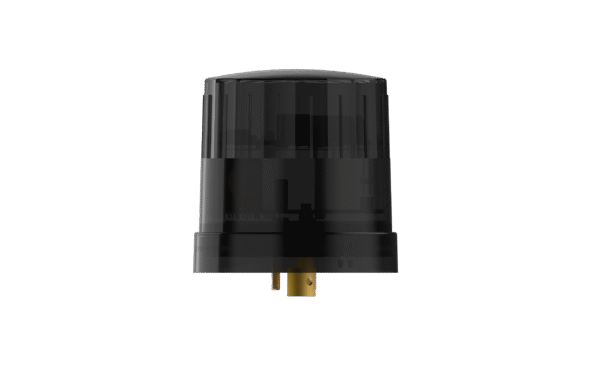
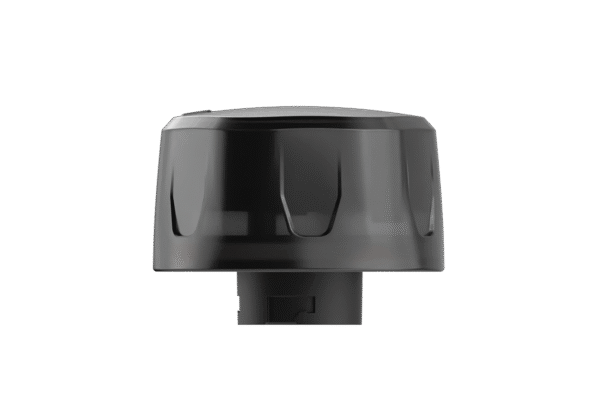
Controls can change both the bid scope and the operational assumptions behind a lifecycle estimate. The matrix should identify the dimming interface, control node or receptacle, controller or network dependencies, commissioning responsibilities, schedule assumptions, and any required data or operations terms. Where connected operations are in scope, identify the data ownership, retention, access, and handoff terms required by the solicitation. A bidder’s controls response should be traceable to documentation for the proposed configuration.
This is more than a formality. A U.S. Department of Energy study of 23 LED streetlights that claimed 0-10V dimmability found variation in market-available driver performance. That is a reason to compare the documented controls behavior and project assumptions, not a prediction of any individual product’s performance. See the DOE study on 0-10V control for LED streetlights.
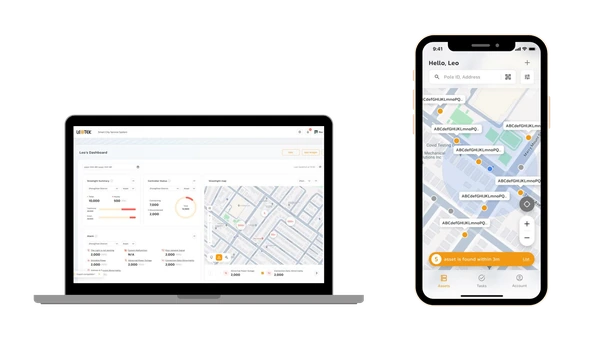
Where connected operations are part of the request, evaluate the whole stated system rather than assuming that a luminaire alone supplies the function. LEOTEK describes connected streetlight management with controllers and functions such as remote switching, dimming, scheduling, fault notification, energy tracking, reporting, maps, alarms, and asset management. Those are documented solution functions, not a blanket claim about every luminaire or a promise of savings.
Separate price from lifecycle assumptions
Use one section for quoted price and another for the assumptions used to evaluate lifecycle scenarios. Record unit price, quantities, freight and tax treatment, installation inclusions and exclusions, spare parts, service process, warranty document, the event that starts warranty coverage, and the bidder’s lead-time statement date. For an energy or maintenance scenario, also record the operating hours, dimming schedule, electricity rate, maintenance events, time horizon, and any escalation method used by the agency.
The objective is not to manufacture a single “true” lifecycle number. It is to show whether every offer was evaluated with the same stated inputs. If a bidder provides an energy or maintenance estimate, preserve the baseline and method beside it. Do not convert a claim of lower cost into a verified outcome without the required project data and method.
Normalize before scoring
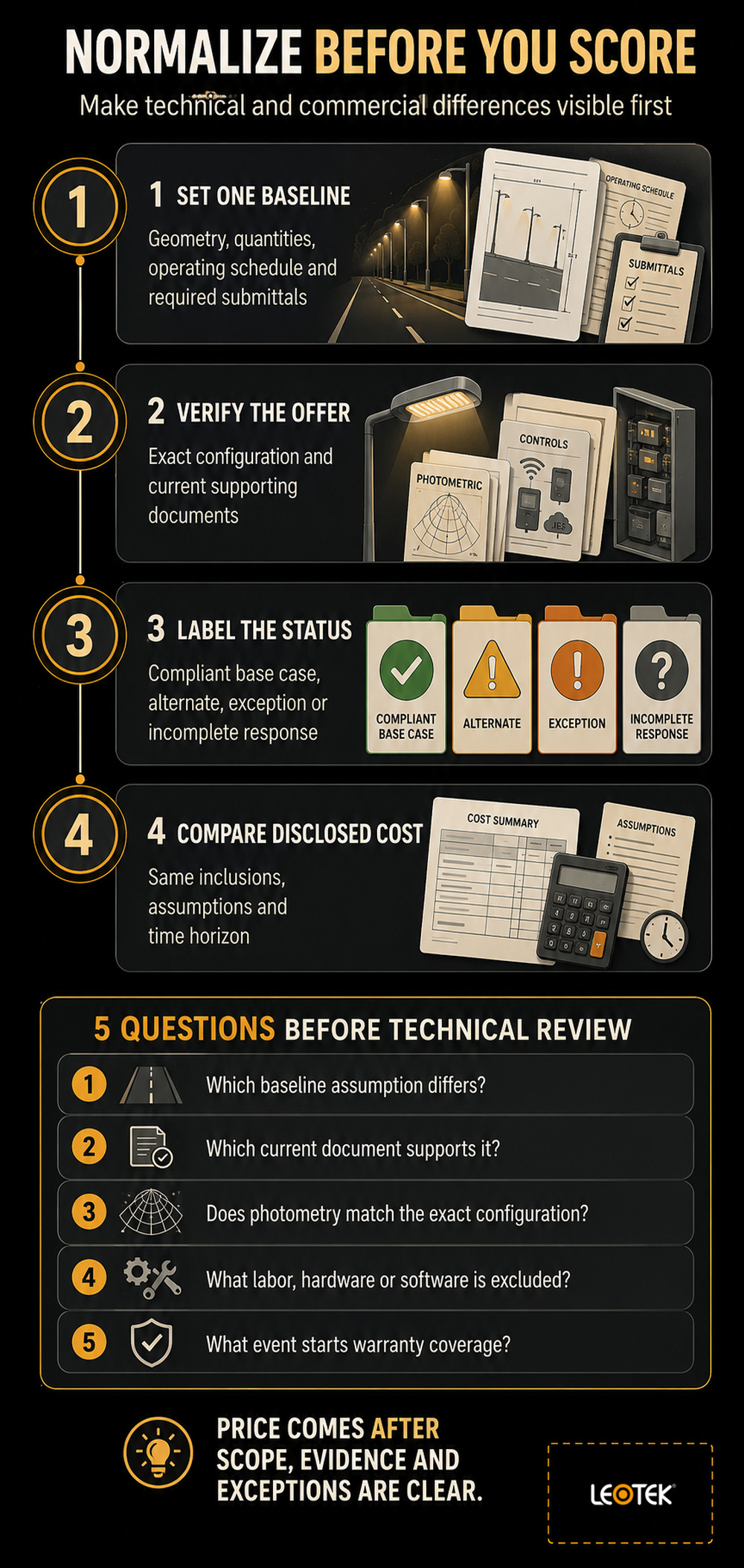
Scoring works best after technical normalization, not before it. Start by sorting proposals into a compliant base case, a documented alternate, an exception requiring a decision, or an incomplete response under the agency’s rules. This prevents an attractive price from receiving a high score because a missing scope item was never surfaced.
Establish the compliant base case
For each offer, first determine the configuration that is being evaluated. If a bidder’s calculation assumes a different mounting height, operating profile, or controls architecture, either normalize it to the established baseline where the procurement rules allow or retain it as a clearly labeled alternate. Do not combine the best attributes of several configurations into one notional offer.
Then check that the document in the matrix actually supports the cell it fills. A cut sheet may identify a family; it may not establish the exact optical package, current warranty term, or required test result. The reviewer can mark a document as received without treating it as technically sufficient.
Compare evaluated cost with disclosed inputs
Once the technical basis is visible, compare streetlight proposals using the same quantities and included work for every offer. Where estimates are required, show the source, calculation date, and assumption rather than hiding it inside a final total. Keep a separate column for items that cannot be normalized because the bidder has not provided enough information.
For example, a proposal that excludes a control node should not be compared directly with one that includes it unless the matrix makes the scope difference visible and the evaluation method addresses it. The same approach applies to freight, installation support, warranty administration, and spare components. A low initial figure can be useful information, but it is not by itself a complete procurement comparison.
Review the evidence package and exceptions log for your streetlight bids
The evidence package is where a bid comparison becomes defensible. The exact documents belong in the solicitation and will vary by jurisdiction, funding, product, and project design. The goal is to make the request specific enough that every response can be traced to a current source.
Request documents that match the offered configuration
Typical categories include completed bid forms, cut sheets, photometric files or reports, controls documentation, drawings, warranty terms, and the test reports or listing evidence required by the solicitation. Use a field for document date and revision. If a requirement concerns a particular configuration, make that configuration visible in both the matrix and the source document name.
Standards should be named with their applicable edition and purpose in the project documents. The Illuminating Engineering Society standards resources describe IES’s consensus standards work and related tools, but that page does not determine compliance for a particular project. The engineer of record and agency should identify which standards, methods, and acceptance criteria apply.
For readers preparing a technical evidence package, LEOTEK’s product specifications and resources page is an appropriate pathway to current documentation. Confirm each document’s date, revision, model, and contractual relevance; the existence of a resource hub does not verify a particular product requirement.
Keep an exceptions log with decision owners
For each exception, record the requirement, bidder statement, supporting document, potential effect on scope or evaluation, and the person or body responsible for disposition. This makes clarifications easier to track and reduces the chance that a late answer changes the evaluated basis without a record.
Use this short streetlight bid evaluation checklist before completing the technical review:
- Which baseline assumption differs from the offer?
- Which current document supports the offered value or feature?
- Does the photometric evidence match the exact offered configuration?
- What labor, equipment, software, commissioning, or hardware is excluded?
- What event starts warranty coverage, and which terms govern?
Government technical resources can also help teams locate test-method and field-study materials rather than relying solely on vendor summaries. The DOE Solid-State Lighting information resources index technical reports, field studies, metrics, and municipal street-lighting resources. They are reference material, not a replacement for project-specific review.
Use a weighted score only after technical normalization
There is no universal set of weights for a streetlight bid evaluation. A city may reasonably prioritize different factors for a residential roadway, a high-traffic corridor, a utility-managed conversion, or a connected-lighting program. The weighting method should be established by the agency’s process rather than selected to favor a product after bids arrive.
After normalization, categories may include technical compliance, photometric fit, controls and commissioning fit, service and documentation, lifecycle scenario, and evaluated price. Define what evidence earns a score and what response triggers an exception review. If a response is incomplete, apply the procurement process rather than filling the gap with an assumption.
The matrix should show the reasoning behind the score. That makes it easier for technical reviewers, procurement staff, and decision makers to distinguish a documented tradeoff from a missing document or a noncompliant alternate.
Avoid common comparison mistakes
Several habits make streetlight bids appear simpler than they are:
- Comparing wattage only. Wattage does not establish the delivered lighting result in the project geometry.
- Mixing initial and maintained assumptions. Label each basis and do not use one bidder’s initial figure against another bidder’s maintained figure.
- Accepting “equivalent” without an evidence trail. Require the offered configuration, source document, and exception disposition.
- Overlooking controls dependencies. A control interface, node, network, commissioning scope, or schedule can affect both function and cost assumptions.
- Comparing warranty labels instead of terms. Review the actual document, scope, start trigger, exclusions, and configuration relevance.
- Treating the lowest initial price as lifecycle value. Normalize inclusions and disclose scenario inputs before drawing a conclusion.
Frequently asked questions
What belongs in a streetlight bid comparison matrix?
Include the baseline requirement, offered model and configuration, photometry, electrical and mechanical assumptions, controls scope, commercial inclusions and exclusions, warranty/service evidence, source document and revision, exceptions, and reviewer disposition. Add only fields relevant to the solicitation, and retain the documents supporting each entry.
Can two luminaires with the same wattage be treated as equivalent?
Not on wattage alone. Review the offered configuration, distribution, photometric evidence, mounting and calculation assumptions, controls behavior, and required project documents. The authorized project team should decide whether the offers meet the same criteria.
How should a municipality compare streetlight warranties?
Compare the actual warranty terms rather than a headline duration. Record the covered configuration, start trigger, scope, exclusions, service process, and the document revision. Contractual applicability and procurement requirements should be reviewed by the agency’s authorized team.
What should be verified before accepting a controls alternative?
Verify the proposed dimming interface, control hardware, dependencies, commissioning responsibilities, schedule assumptions, and supporting documentation. Evaluate the alternative against the project’s stated architecture and operational requirements; do not assume a different controls approach is interchangeable.
Make the comparison record do the work
A streetlight bid comparison is strongest when it makes differences visible before price is ranked. Set one baseline, require traceable evidence, log exceptions, normalize the stated cost assumptions, and score only after reviewers understand what is actually being compared.
For a defined roadway-lighting project, use the completed matrix alongside the applicable bid documents and current, configuration-specific technical documentation. The final determination belongs with the agency’s procurement process and qualified technical reviewers.
References
- U.S. Department of Energy, The Energy and Operational Impacts of Using 0-10V Control for LED Streetlights, January 10, 2024; accessed July 26, 2026.
- Illuminating Engineering Society, Standards; accessed July 26, 2026.
- U.S. Department of Energy, Solid-State Lighting Information Resources; accessed July 26, 2026.
- LEOTEK, Applications for Outdoor Lighting; accessed July 26, 2026.
- LEOTEK, Watts to Lumens; accessed July 26, 2026.
- LEOTEK, IESNA Light Distribution Types I, II, III, IV and V; accessed July 26, 2026.
- LEOTEK, LEOLink Solutions; accessed July 26, 2026.
- LEOTEK, Resources and Documents; accessed July 26, 2026.