


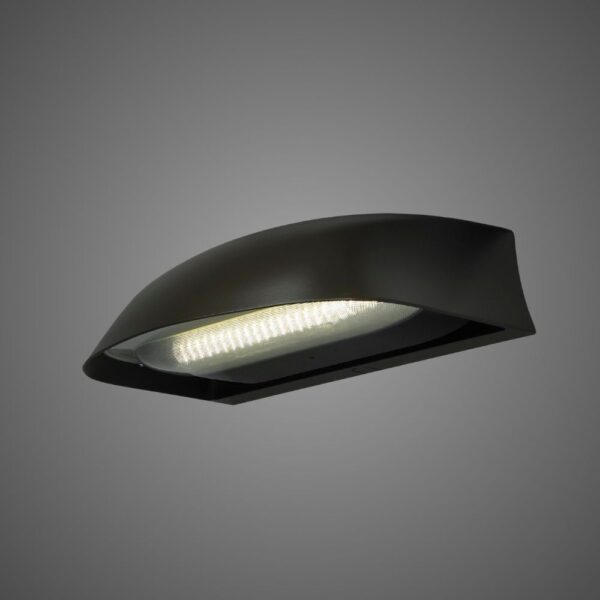








ECOridge™
Bring spectrum, shielding and operating time into the same conversation as people, habitats and the places they share.

Design for the life around the light.
Necessary nighttime lighting can be planned with greater care for nearby habitat. ECOridge combines spectral engineering and optical control with an understanding of the actual site. Start with the lighting task and ecological receptors, then review where the light goes, which wavelengths are emitted and when the installation operates.
Spectrum with evidence
Use complete-luminaire spectral data and a stated measurement method. CCT or a nominal wavelength label alone does not establish ecological suitability.
Direction with purpose
Control spill through shielding, aiming and a layout that limits unnecessary exposure beyond the intended task area.
Time that fits the site
Review operating hours, curfews and seasonal needs with qualified ecological input. Connected scheduling depends on the approved equipment and system configuration.
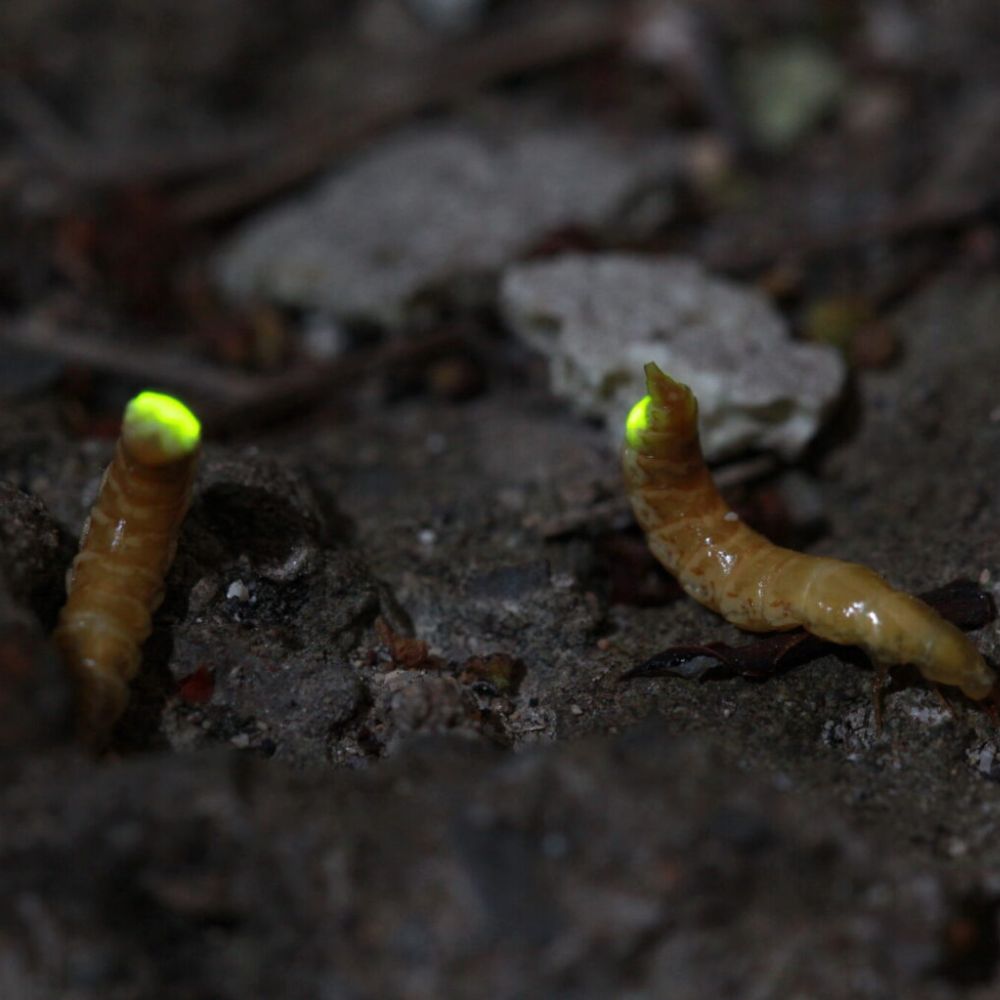
Begin with the habitat, not a label.
The Matsu ECOridge project brings local agencies and ecological expertise into lighting decisions. It is a useful example of collaboration around a sensitive place. Each new project still needs its own species, exposure, spectral and operating criteria.
ECOridge FAQ
Plan habitat-sensitive lighting around measured spectrum, shielding, nighttime operation and the needs of the actual site.
Spectrum and habitat
What is ECOridge ecological lighting intended to address?
ECOridge combines spectral engineering and optical control for locations where necessary nighttime lighting must be considered alongside sensitive habitats. Start by identifying the lighting task and ecological receptors, then evaluate spectrum, shielding, aiming, light level and operating time. The objective is to reduce unnecessary disturbance while meeting the project’s public-infrastructure requirements. Suitability must be assessed for the proposed configuration and site.
Ecological Lighting Site AssessmentECOridge in Matsu: Project Case Study
Is a blue-light percentage or a 590 nm label enough to specify ecological lighting?
No. A blue-light percentage needs a stated wavelength interval, calculation basis, test condition and complete-luminaire configuration. A nominal wavelength label does not describe the entire spectral output. Ask for the spectral power distribution and the metric required by the relevant habitat plan or authority. Project-specific values reported in a case study should not be treated as universal ECOridge specifications or species-safety thresholds.
Will one spectrum protect fireflies, sea turtles, birds and every other nocturnal species?
No single spectrum establishes suitability for every species. Sensitivity, behavior, seasonal activity and exposure can differ. Identify the species and habitat with qualified ecological input, then review the local lighting requirements, spectrum, shielding and operating schedule. Firefly habitat planning and coastal turtle-lighting review are different applications. Use the relevant authority’s criteria and verify the installed lighting rather than relying on a generic wildlife-friendly label.
Firefly-Friendly LightingCoastal and Sea-Turtle-Friendly Lighting
How is warm CCT different from a measured ecological spectrum?
CCT describes color appearance; a spectral power distribution shows how emitted energy varies with wavelength. Two luminaires with a similar CCT can require separate spectral review. Evaluate the finished luminaire with its actual optic, filter, driver and operating state. If the project specifies a blue-band or species-response metric, request that calculation and method in addition to the spectrum. CCT alone is not an ecological pass/fail test.
Layout and operation
What should a habitat-sensitive lighting submittal include?
Include the site and habitat context, exact luminaire configuration, current IES file, complete-luminaire spectrum, mounting and aiming plan, shields and proposed operating schedule. State the ecological and lighting criteria and who will review them. Record any seasonal or curfew conditions and the nighttime verification plan. This allows the team to evaluate where light goes, what spectrum is emitted and when the installation operates.
Can dimming replace shielding or spectral selection?
No. Dimming changes the amount of light, shielding and aiming change its direction, and spectral selection changes wavelength content. Each addresses a different part of the design. Review them together, including the selected dimming state when requesting test data. An efficiently dimmed luminaire can still illuminate habitat unnecessarily if it is poorly aimed or operates during sensitive periods.
How Blue-Light Content Is MeasuredEcological Lighting Site Assessment
Can ECOridge be managed through LEOLink and RenAI?
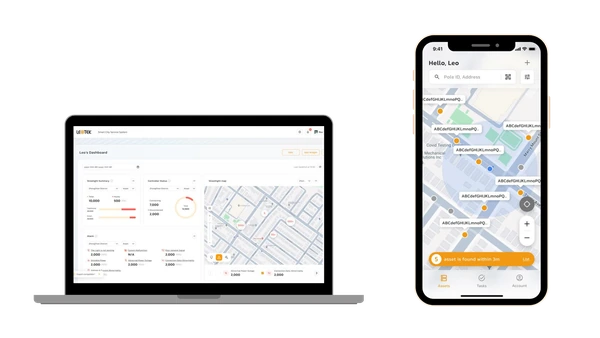
Connected operation is a system option that depends on the selected luminaire, driver, approved controller and communications service. Define the required schedule, remote status and maintenance workflow, then confirm that the proposed configuration supports them. Include offline behavior and recovery in the commissioning plan. The ECOridge technology name by itself does not identify a node model or guarantee every connected-management function.
LEOLink Intelligent Lighting SystemWhat Happens When the Network Goes Down?
Evidence and procurement
What does the Matsu case demonstrate, and what must a new project still verify?
The Matsu case describes an ecological-lighting initiative involving local agencies and ecological expertise. It provides useful context for collaboration and habitat-focused implementation. It does not establish that the same equipment or operating settings meet every U.S. coastal, park or roadway requirement. A new project still needs site-specific criteria, configuration-specific spectral and photometric evidence, and an agreed approach to commissioning and ecological monitoring.
ECOridge in Matsu: Project Case StudyEcological Lighting Site Assessment
Start with the needs of your project.
Share your site, equipment and operating objectives with the LEOTEK team.


