




Traffic Signal Lights
With years of experience in traffic signal technologies and infrastructure applications, LEOTEK helps project owners identify the most suitable signal solutions based on traffic patterns, intersection complexity, and control requirements. For more advanced traffic systems, our professional team is ready to support your deployment.
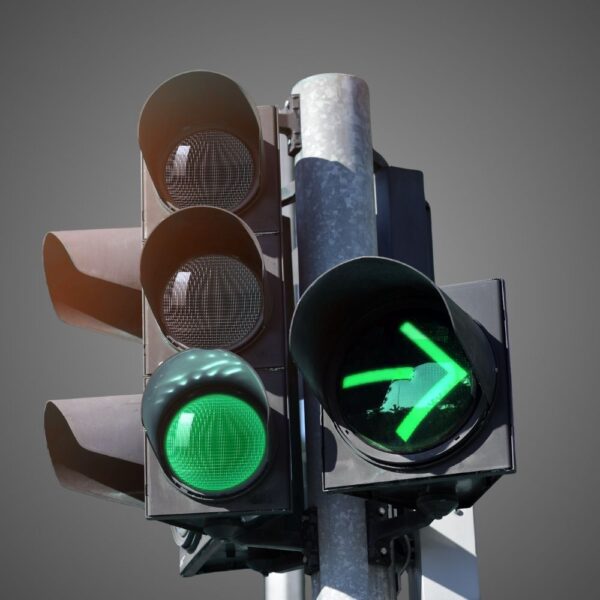
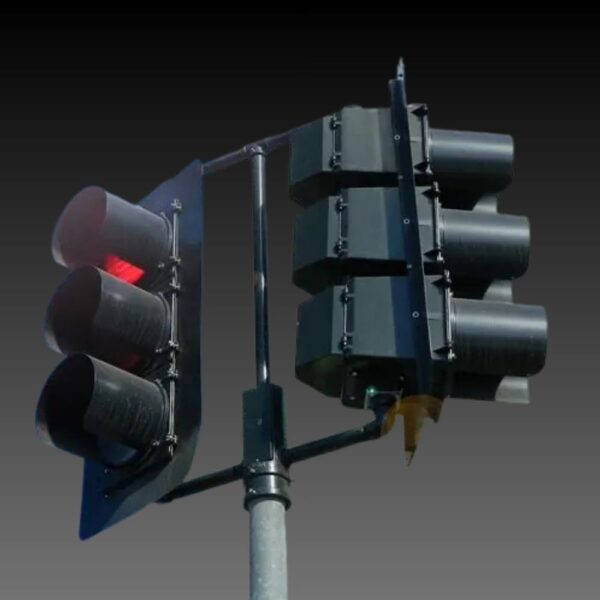
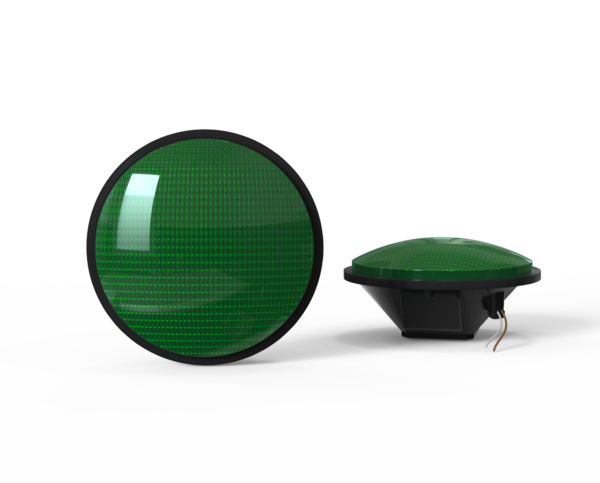
Ball Signal
Key Considerations for Traffic Signal
In these environments, transportation agencies prioritize consistency, visibility, and reliability. Drivers rely on familiar signal patterns to make quick decisions, making signal clarity and stability essential to reducing hesitation and preventing traffic conflicts.
Provide Clear Stop-and-Go Communication
Ball signals must deliver consistent and recognizable indications that drivers can quickly interpret in all conditions.
Support Standard Intersection Operations
These signals form the foundation of traffic management across most roadway networks, ensuring smooth and predictable vehicle movement.
Ensure High Visibility and Reliability
Strong LED visibility and stable operation are critical for maintaining safe traffic flow and reducing the risk of signal misinterpretation.
LEOTEK ball signal solutions are designed to deliver stable performance, high visibility, and long-term reliability, supporting daily traffic operations across a wide range of roadway environments.
Recommended Products for Ball Signal
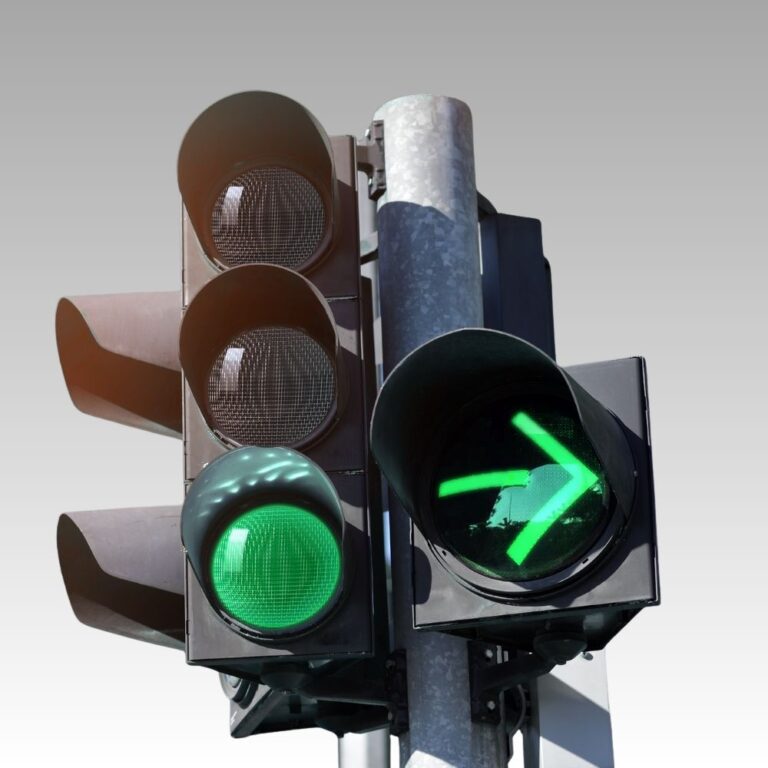
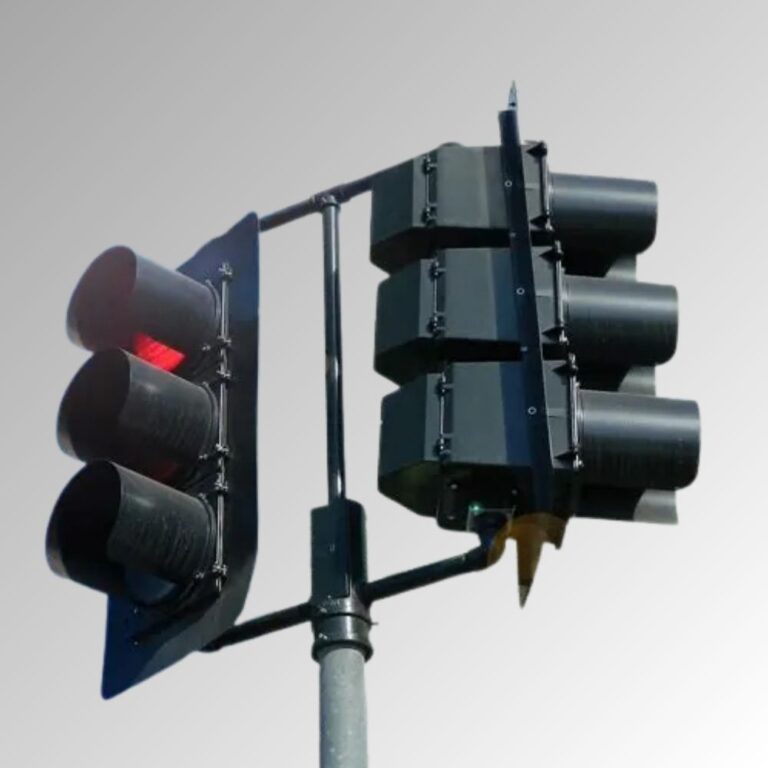
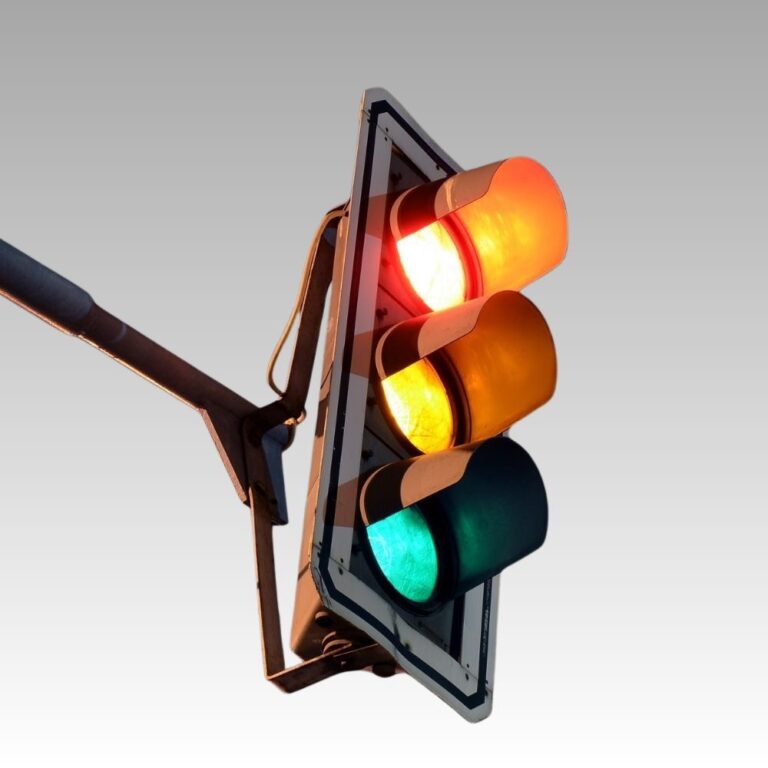
Choose ball signals when your priority is reliable, standardized traffic control and consistent stop-and-go communication.
Arrow Signal
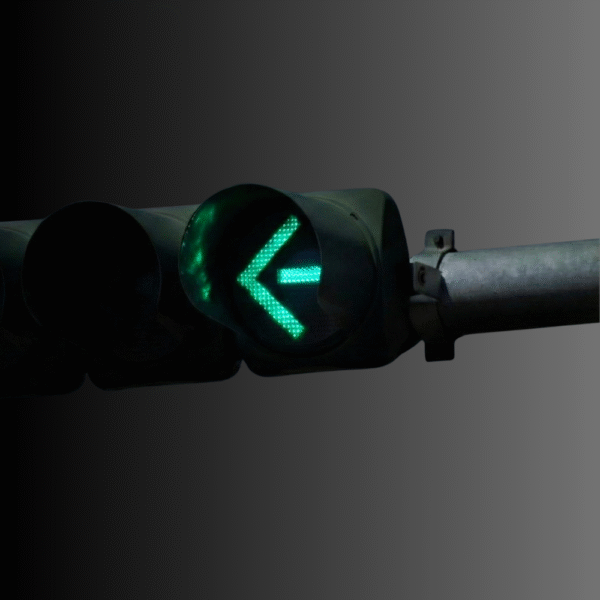
Arrow signals are designed to guide directional vehicle movement, such as left turns, right turns, and lane-specific control. These signals are commonly used in intersections with higher complexity, where multiple traffic movements must be clearly separated.
Key Considerations for Arrow Signals
Support Directional Traffic Control
Arrow signals provide clear, movement-specific guidance that helps organize traffic flow.
Improve Safety in Complex Intersections
By separating turning and through movements, arrow signals reduce conflict points and improve intersection safety
Enhance Driver Decision-Making
Clear directional indications allow drivers to respond quickly and confidently, reducing hesitation and errors.
LEOTEK arrow signal solutions support precise traffic control with high-visibility output and stable performance, helping agencies manage more complex traffic scenarios effectively.
Recommended Products for Arrow Signal Applications
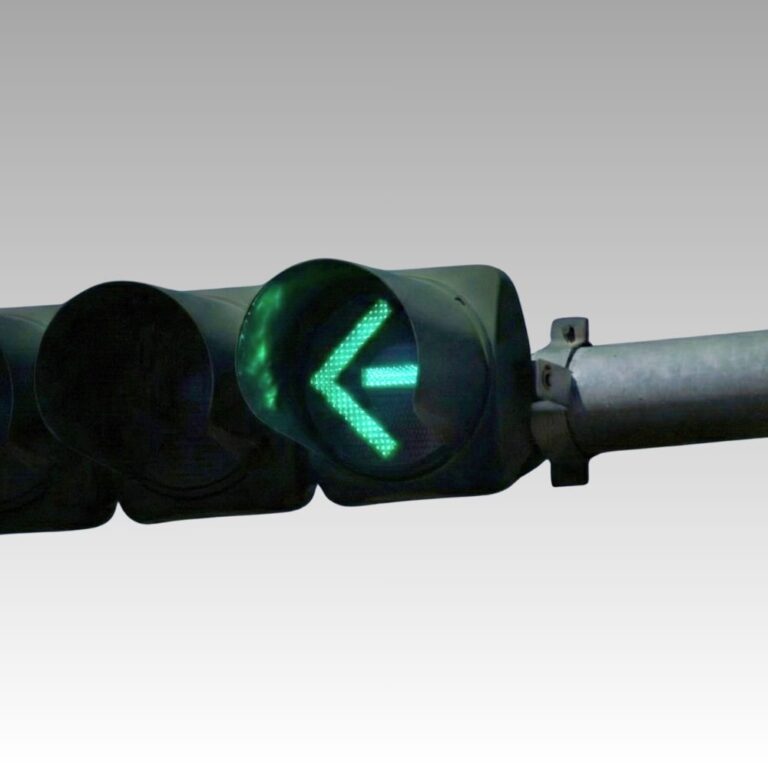
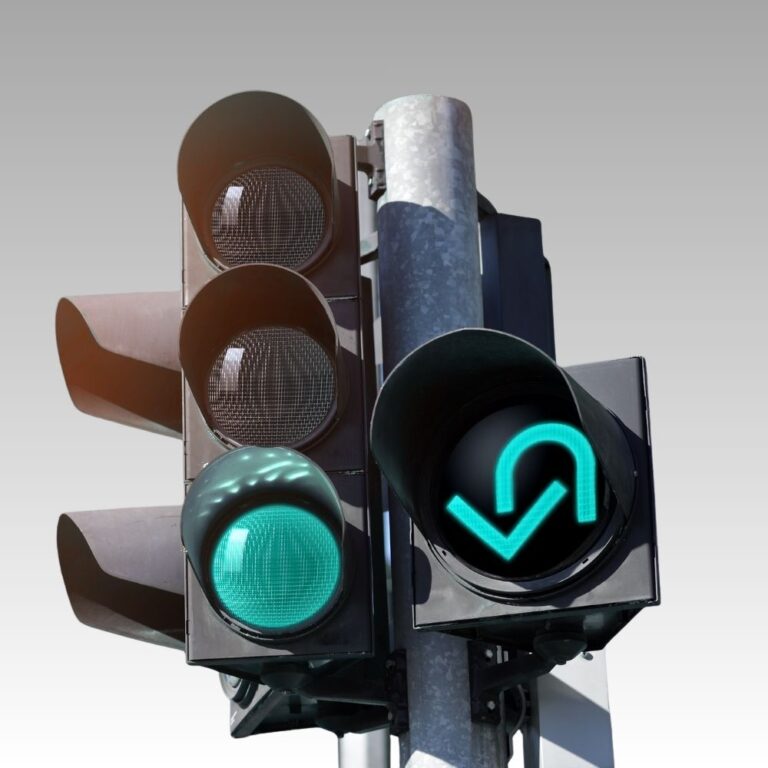
Choose arrow signals when your application requires directional control, protected turning movements, and improved intersection clarity.
Vehicle Traffic Signal
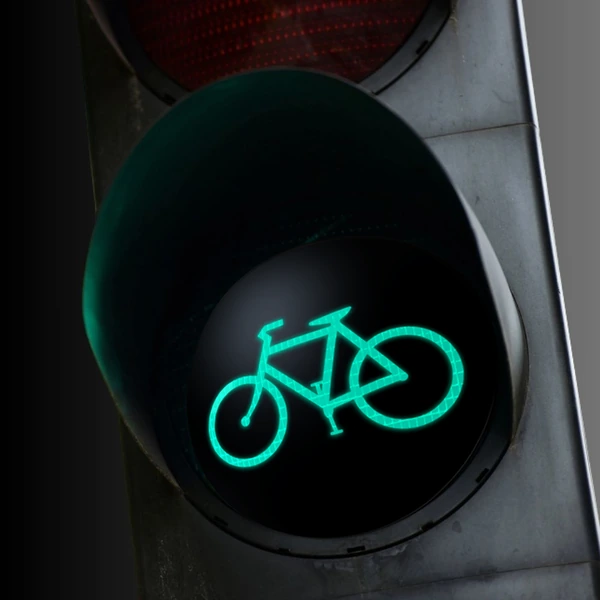
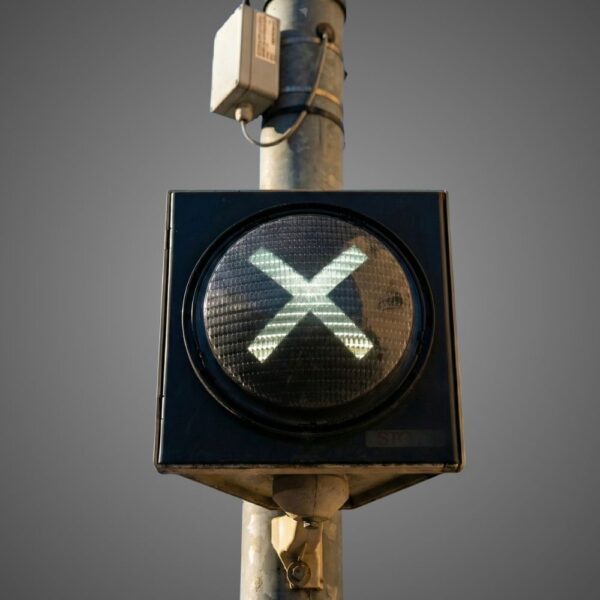
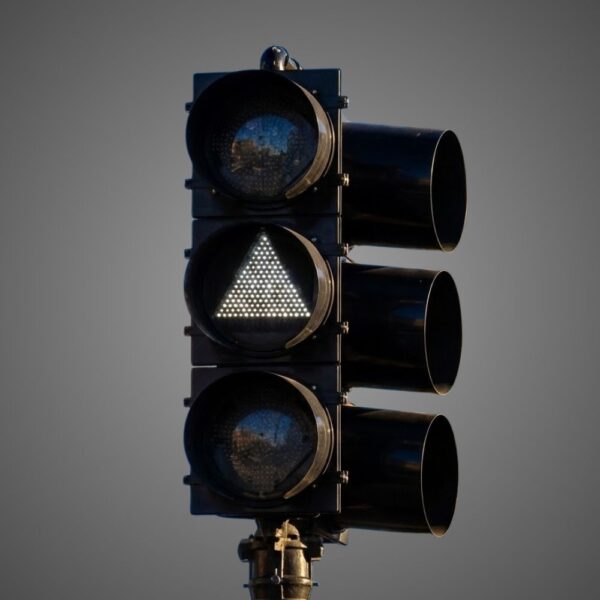
Vehicle Traffic Signal are used in environments where standard vehicle signals are not sufficient to communicate specific traffic behaviors. These include applications such as bus priority systems, bicycle crossings, and dedicated lane controls.
Key Considerations for Vehicle Traffic Signals
Address Specialized Traffic Needs
Special signals support targeted use cases such as transit priority and bicycle safety.
Improve Safety for Multi-Modal Transportation
These signals help coordinate interactions between vehicles, buses, and cyclists, reducing conflict and improving safety outcomes.
Support Urban Mobility Strategies
They enable cities to promote sustainable transportation, improve traffic efficiency, and align with long-term smart city goals.
Recommended Products for Special Traffic Signal Applications
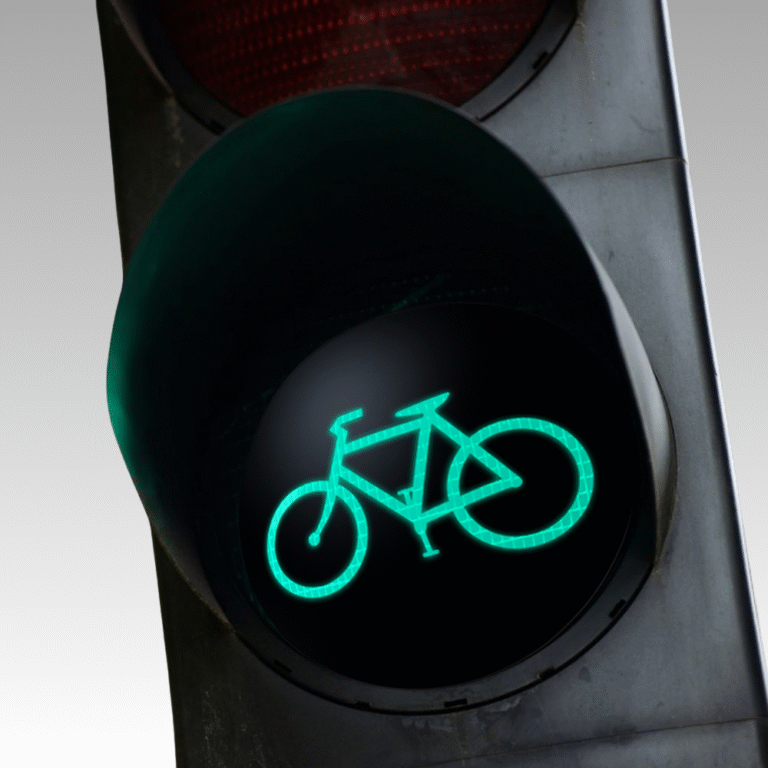
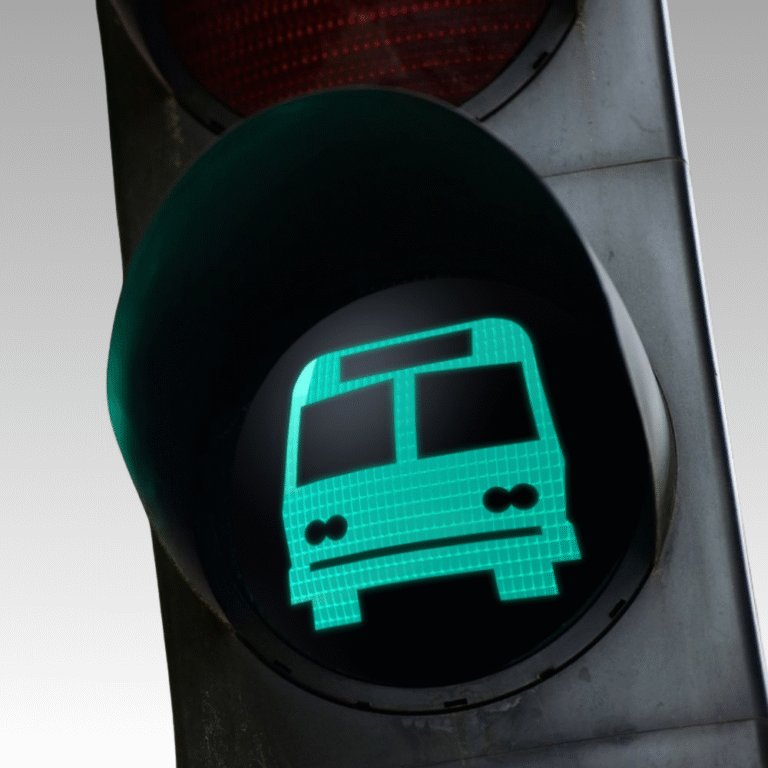
Choose vehicle traffic signals when your project requires dedicated control for public transit, cycling infrastructure, or other specialized traffic conditions.
LEOTEK · Traffic signal resources
Traffic Signal FAQ
Practical answers for transportation agencies, traffic engineers, contractors, and signal technicians. Start with the application, then confirm the exact module and project requirements.
Identify the indication
Match the traffic control plan to the required ball, arrow, bicycle, bus, or pedestrian indication and module size.
Explore traffic signal modules →Check system compatibility
Confirm voltage, connections, signal-head fit, controller compatibility, and the agency’s approved configuration.
Explore pedestrian signal modules →Verify the submittal
Use the current specification sheet and exact catalog number to review performance, approvals, options, and warranty.
Find specification documents →01Product selection
Why are LEDs preferred for modern traffic signal installations?
LED traffic signal modules use substantially less energy than incandescent signal lamps and generally provide longer service life, improved optical control, and fewer routine lamp replacements. Their solid-state construction also supports consistent signal colors and robust outdoor operation when the module is properly specified for the signal head and environment. Explore LEOTEK LED traffic signal modules.
Related resource: Read the LED traffic signal guide →
What sizes are available for vehicular traffic signal indications?
Nominal 8-inch and 12-inch circular indications are used in North America. Under the current MUTCD, 12-inch indications are the typical choice for new vehicular signal faces, while 8-inch indications are limited to permitted applications. The responsible agency and traffic engineer should confirm the required size for each project. LEOTEK offers selected ball modules in both sizes. View DT Series 8-inch and 12-inch ball modules.
Related resource: Read the LED traffic signal guide →
What is the difference between ball, arrow, bicycle, bus, and pedestrian signal modules?
Circular or “ball” indications communicate general stop, caution, and proceed commands. Arrow indications control a specific directional movement, while bicycle and bus symbols communicate to designated modes. Pedestrian modules use symbols and, where specified, countdown displays for people crossing the roadway. The traffic control plan and governing standard determine which indication is appropriate.
Related resource: Compare traffic signal indications →
Can an LED module be installed in an existing traffic signal head?
Many LED modules are designed for retrofit use, but compatibility must be verified before installation. Check the indication type and size, operating voltage, connector, housing dimensions, gasket and sealing surfaces, visor clearance, controller and conflict-monitor compatibility, and agency approval. Never assume that matching the lens diameter alone makes a module interchangeable.
Related resource: Review signal module selection →
How long do LED traffic signal modules last?
Service life depends on thermal design, electrical stress, operating environment, duty cycle, component quality, maintenance, and the performance threshold used to define end of life. Buyers should review rated-life methodology, long-term optical requirements, warranty terms, and field-replacement strategy rather than relying on a single hour claim. LEOTEK positions its DT Series as an extended-life platform; confirm the written warranty for the exact model and project. Review DT Series product information.
02Visibility & outdoor performance
What optical performance should agencies compare in an LED signal module?
Key criteria include color or chromaticity, luminous intensity, uniformity across the illuminated face, viewing angle, visibility at the required approach distance, and performance over the specified voltage and temperature ranges. Agencies should compare certified test data for the complete module—not LED count or wattage alone—and confirm conformance with the applicable ITE or regional specification.
Related resource: Read about signal module selection →
What is a sun phantom in a traffic signal?
A sun phantom is the false appearance that an unenergized signal indication is illuminated because sunlight is reflected by the lens or internal optical surfaces. Lens design, optical masking, dark internal components, visors, backplates, signal-head orientation, and installation geometry can help reduce this effect. The complete signal assembly should be evaluated because the module, housing, visor, and site orientation all influence phantom performance.
Related resource: Explore signal visibility considerations →
How do LED signal modules maintain uniform color and brightness?
Well-designed modules combine selected LEDs, thermal management, regulated electronics, and engineered lenses or optical elements to distribute light evenly across the signal face. This helps avoid distracting bright spots and supports stable color and output as operating conditions change. LEOTEK’s DT Series uses optical control and thermal design to support long-term uniformity. View DT Series arrow module features.
Which environmental conditions should traffic signal modules be designed to withstand?
Outdoor signal equipment may face high and low temperatures, solar heat, ultraviolet exposure, moisture, wind-driven rain, dust, corrosion, vibration, electrical surges, and repeated on-off cycles. Product evaluation should therefore include the specified operating-temperature range, weather sealing, UV-resistant materials, thermal design, surge protection, mechanical compatibility, and agency-required testing.
Related reading: Understand ingress-protection ratings → · Check model-specific specifications →
What does an IP rating mean for traffic signal equipment?
An Ingress Protection rating describes a tested enclosure’s resistance to solid particles and water under defined conditions. The rating applies only to the component and configuration that were tested; it should not be assumed to describe the entire signal head or intersection installation. A higher number also does not replace evaluation of optical, electrical, thermal, UV, vibration, or corrosion performance.
Related article: LEOTEK guide to IP ratings →
Why can snow and ice be a visibility concern with LED traffic signals?
LED modules produce less waste heat at the lens than incandescent lamps, so snow or ice may not melt as quickly under certain wind and storm conditions. Agencies in snow-prone regions should evaluate signal orientation, visor and housing design, local maintenance procedures, and any purpose-designed mitigation approved for the installation. Visibility should be assessed as a system and site issue rather than assumed from the light source alone.
Related resource: Review the exact module specification →
When should optically programmable traffic signal heads be used?
Optically programmable or visibility-limited signal heads restrict an indication so it is visible only within a defined approach or lane. They can be useful at skewed intersections, closely spaced intersections, unusual grades, or complex lane arrangements where a driver might otherwise see a signal intended for another movement. Their use and aiming should be specified and verified by the responsible traffic engineer.
Related resource: Read the traffic signal guide →
What is the purpose of a backplate on a traffic signal head?
A backplate increases the visual contrast between the signal indications and the background, which can improve conspicuity in visually complex scenes or bright conditions. Some agencies also specify retroreflective borders. Because backplates increase projected area and wind loading, the pole, mast arm, span wire, mounting hardware, and foundation must be checked for the complete assembly.
Authoritative reference: FHWA: Backplates with Retroreflective Borders →
03Electrical & intelligent systems
What electrical specifications should be checked before ordering a signal module?
Confirm the nominal voltage and allowable voltage range, power consumption, power factor where specified, surge protection, turn-on and turn-off behavior, wiring connection, controller compatibility, and any low-voltage monitoring requirements. LEOTEK offers different voltage configurations in selected product families, so the exact part number should be matched to the cabinet and jurisdictional specification. See an example of available ball-module voltage configurations.
Related resource: Review electrical selection considerations →
Can traffic signal brightness be adjusted automatically for day and night conditions?
Adaptive intensity may be possible only when the signal equipment, controller strategy, governing standard, and agency specification explicitly support it. Traffic indications are safety-critical devices, so they should not be dimmed like ordinary outdoor lighting. Any intensity-control feature must preserve required visibility, color, monitoring behavior, and fail-safe operation throughout the approved operating range.
Related product: Review the PV model-specific dimming option →
How can intelligent traffic systems complement LED signal modules?
Connected sensors, edge computing, communications, and management software can help agencies detect vehicles and vulnerable road users, analyze traffic conditions, optimize approved timing strategies, and monitor intersection assets. These capabilities complement the visible signal indications; they do not replace the safety, controller, and traffic-engineering requirements of the signal system. Explore LEOTEK Interlux™ AI Traffic Signal.
04Standards & procurement
Which standards apply to LED traffic signal modules in the United States?
The current Manual on Uniform Traffic Control Devices (MUTCD) governs the application, meaning, arrangement, and operation of traffic control signals on roads open to public travel. ITE specifications address performance characteristics for LED signal modules, including optical and electrical requirements. State or local specifications, approved-products lists, electrical listings, and contract documents may add further requirements, so compliance should be verified for the exact model and configuration.
Related article: Read the traffic signal guide and MUTCD context →
What standards may apply to traffic signal products outside the United States?
Requirements vary by country and purchasing authority. EN 12368 is commonly referenced for traffic signal heads in European markets, while other regions use their own national standards, electrical rules, testing requirements, and approval processes. Buyers should match the product certification and test documentation to the market where the equipment will be installed.
Related resource: Compare current model specifications and approvals →
What documents should an agency request when evaluating traffic signal modules?
Request the current specification sheet, certified or independently verified compliance data, electrical and photometric test results, installation instructions, operating-temperature and environmental ratings, warranty, agency approvals or approved-products-list status, country-of-origin documentation when applicable, and the exact catalog-number breakdown. Submittals should identify the precise size, symbol, color, voltage, and options being supplied.
Related resource: Find product specification sheets →
Are LEOTEK traffic signal products BABA or Buy American compliant?
Compliance must be confirmed for the specific product, manufacturing route, solicitation, funding source, and date of procurement. Build America, Buy America and the Buy American Act are different requirements, and neither should be inferred from a brand name or general product-family statement. Ask LEOTEK for project-specific documentation before making a bid or compliance determination. Review LEOTEK’s BABA and Buy American guidance.