









Interested in the topics we write about? Add us to your preferred feed now to get the latest, most up-to-date information!
ECOridge spectral engineering combines precision light distribution with AI-powered digital twin simulation to balance ecological protection and road safety
News Highlights:
- Since 2014, LEOTEK has conducted sea turtle-friendly lighting research in Florida, USA, leading to the development of ECOridge ecological spectral engineering. The technology selectively reduces blue light emissions below 500 nanometers while maintaining the illumination required for road safety through precision light distribution.
- ECOridge has been deployed in projects addressing flying ants in Kaohsiung and Matsu’s female glowworms in Beigan. Taiwan’s Nature-Friendly Lighting Initiative also supports biodiversity conservation efforts across 12 conservation corridors throughout Taiwan.
- AI-powered digital twin simulations indicate that light output can be reduced by approximately 30% compared with the baseline design while still meeting illumination requirements. The RenAI Smart Management Platform and LiSA AI Agent further extend these capabilities to smart operations and maintenance.
Understanding Management Needs Through Changes in the Nighttime Light Environment
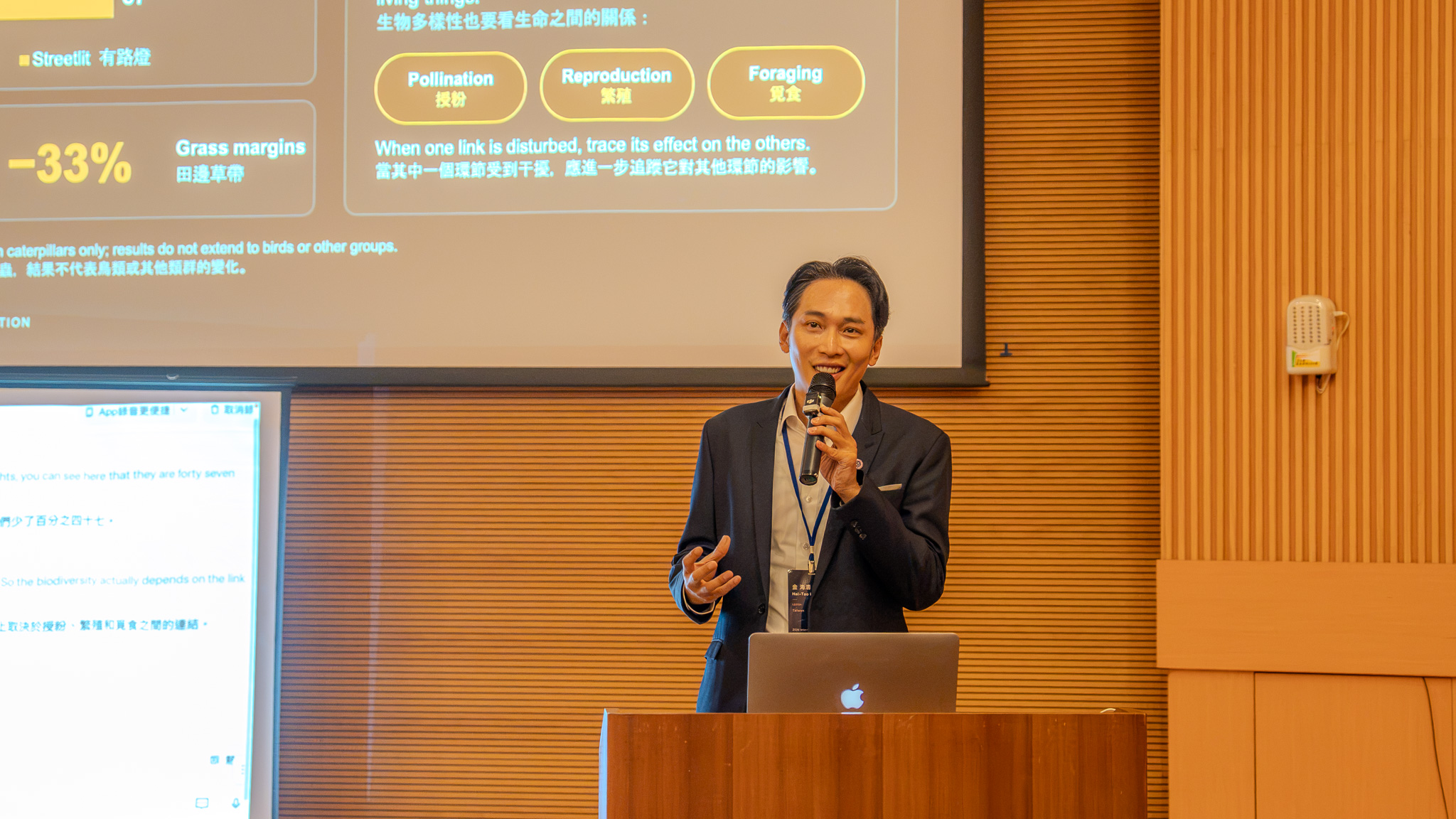
At the International Dark Sky Forum 2026, Torrent Chin, President and Chief Sustainability Officer of LEOTEK and Strategy Director at LITEON Technology, delivered a presentation titled “Redesigning the Night for Biodiversity: How LEOTEK Uses Smart Infrastructure to Sense the Environment, Adapt Lighting, and Protect Ecosystems.” The presentation highlighted LEOTEK’s ecological lighting technologies and field applications while addressing the growing global focus on managing nighttime light environments.
An analysis of NASA Black Marble satellite data from 2012 to 2023 shows that nighttime light levels increased in some regions of the world while decreasing in others. A study by Christopher Kyba published in Science, based on observations from Globe at Night, found that the brightness of the night sky visible to the human eye increased by an average of approximately 9.6% per year at the observation locations between 2011 and 2022. These changes have made the direction, intensity, spectrum, and operating duration of artificial light important considerations in nighttime light environment management.
ECOridge Spectral Engineering Designed for Site-Specific Needs
In response to the need for more effective nighttime light management, LEOTEK has built its technologies on ecological research and gradually expanded them into real-world applications. Since 2014, LEOTEK has conducted sea turtle-friendly lighting research in Florida, USA, while continuing to develop ECOridge ecological spectral engineering and smart lighting management applications.
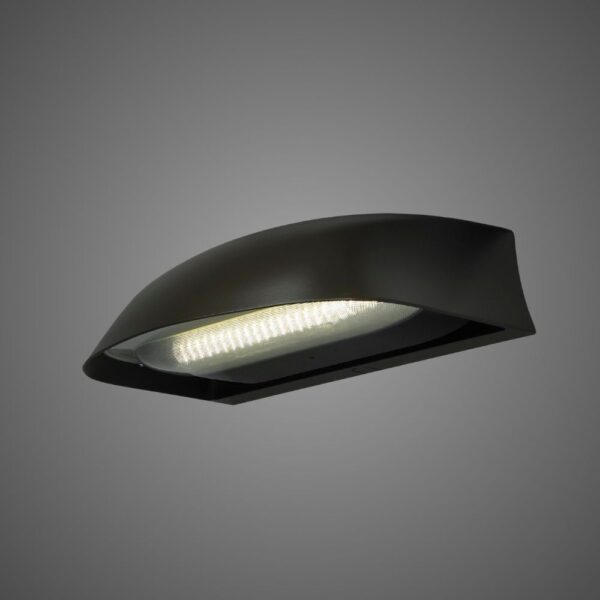
ECOridge adjusts the light spectrum to suit the requirements of different environments. It selectively reduces blue light emissions below 500 nanometers while preserving the visible light needed for roadway illumination. Combined with precision light distribution, low-glare optical design, and connected dimming controls, the system manages where, when, and at what intensity light is delivered.
This approach aligns with the principles for responsible outdoor lighting established by DarkSky International and the Illuminating Engineering Society, or IES. In the U.S. market, selected models from the GreenCobra, KarbonCobra, PTC, and Arieta series have been certified under the DarkSky Approved Luminaires program.
Taiwan’s Nature-Friendly Lighting Initiative Supports Biodiversity Across 12 Conservation Corridors
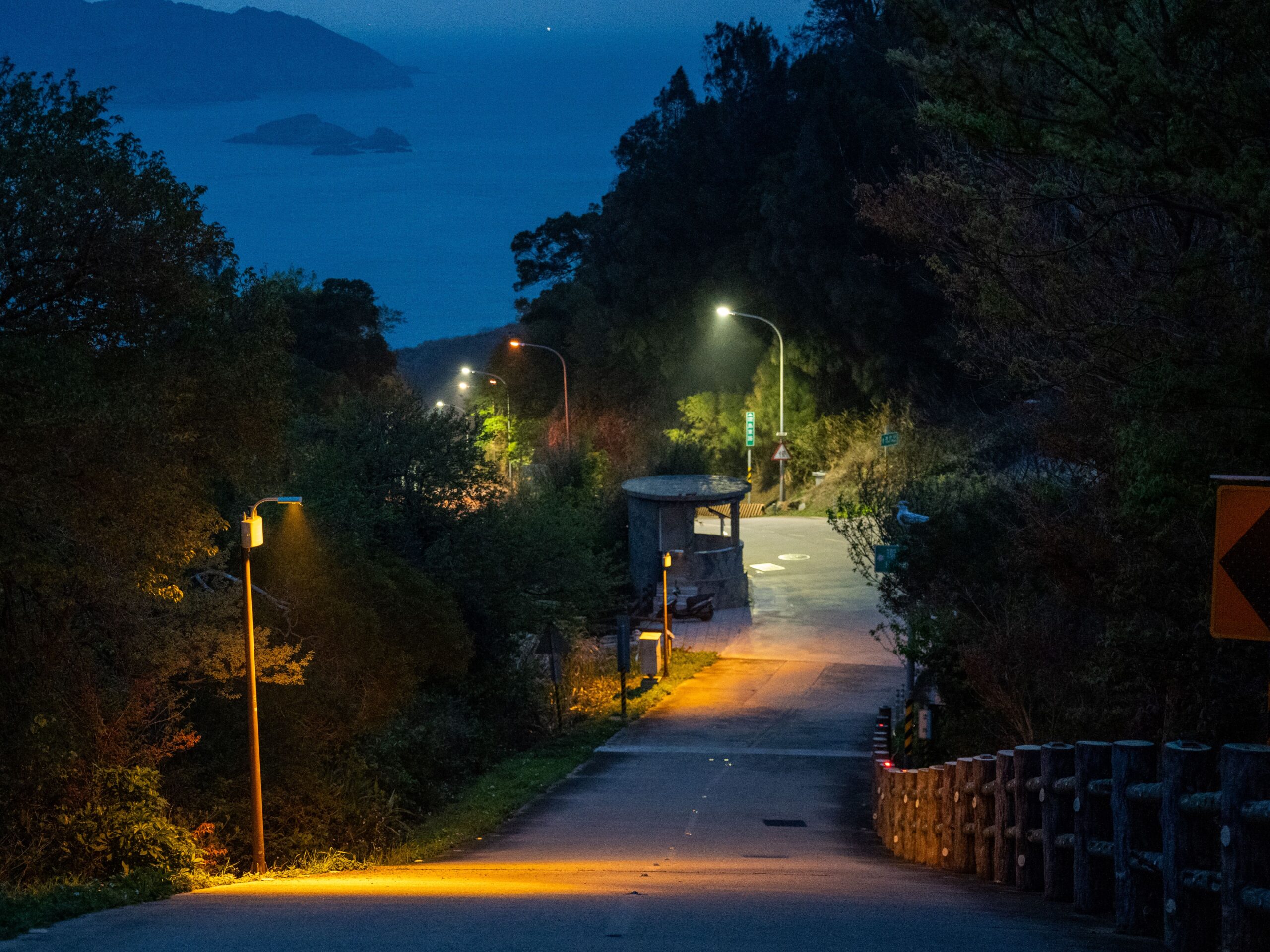
ECOridge field applications demonstrate how spectral design can respond to different ecological and local conditions. Taiwan’s Nature-Friendly Lighting Initiative begins with the specific needs of each site and promotes improvements to local light environments while supporting biodiversity conservation.
In the Kaohsiung flying ant project, LEOTEK applied ECOridge technology to adjust the light spectrum in response to flying ants being attracted to and gathering around nighttime light sources, which affected residents’ daily lives and public facilities. In Beigan, Matsu, the project brought together government, academic, industry, and local partners. LEOTEK collaborated with the Hsinchu Branch of the Forestry and Nature Conservation Agency, the Industrial Development Department of the Lienchiang County Government, the Beigan Township Office, and a research team led by the dean of the College of Environmental Planning & Bioresources at Chinese Culture University to establish an ecological lighting demonstration area for Matsu’s female glowworms.
The project also introduced a human-centric smart street lighting system designed to accommodate the area’s rainy and foggy conditions while improving road visibility. To date, Taiwan’s Nature-Friendly Lighting Initiative has supported biodiversity conservation efforts across 12 conservation corridors throughout Taiwan.
AI Simulation Extends into Smart Operations and Maintenance
In addition to adapting light spectra and distribution to specific environments, LEOTEK has integrated AI into lighting planning and ongoing management.
Before installation, AI-powered digital twins can simulate road conditions, lighting configurations, and site-specific factors. Simulation results indicate that light output can be reduced by approximately 30% compared with the baseline design while still meeting illumination requirements. This enables planners to identify and reduce unnecessary light before the lighting system is installed.
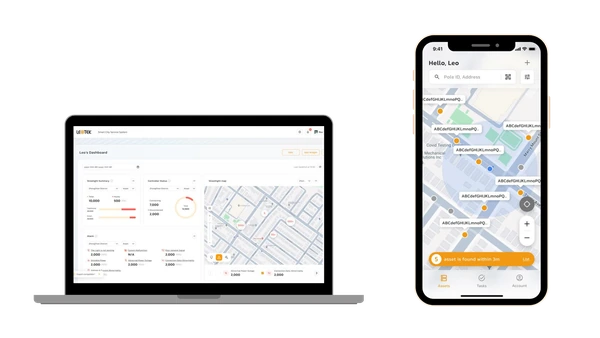
Following installation, the RenAI Smart Management Platform and LiSA AI Agent support day-to-day operational management and equipment-related inquiries.
From sea turtle-friendly lighting research in Florida to ECOridge spectral engineering and AI-enabled smart operations and maintenance, LEOTEK continues to integrate technology with real-world site requirements. Its approach enables nighttime light environments to support both safe road use and ecological conservation.
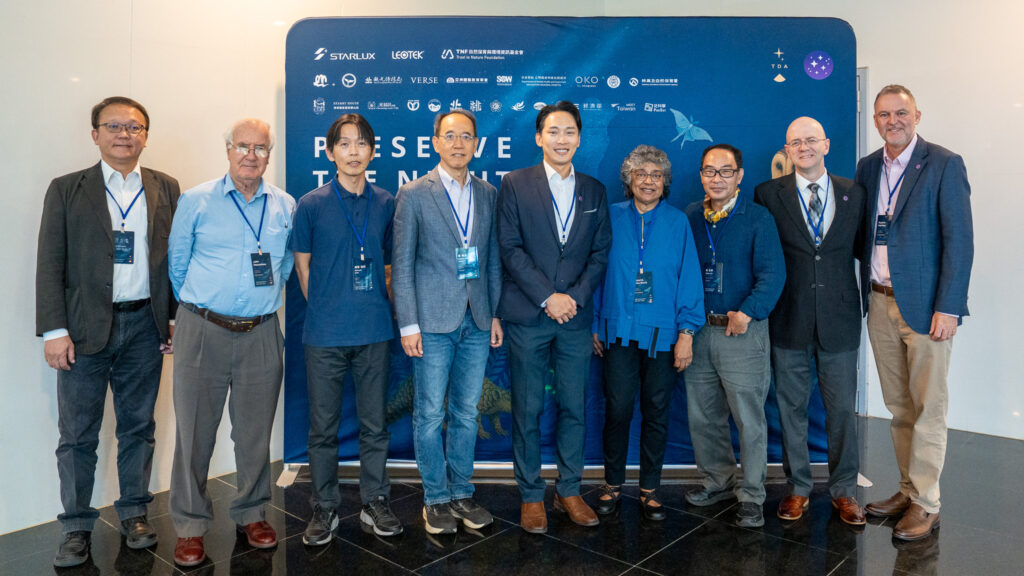
The International Dark Sky Forum 2026 brought together international speakers from the United States, New Zealand, and other regions, covering dark sky conservation, scientific research, lighting engineering, and culture.
Nalayini Brito-Davies, President of the Board of Directors of DarkSky International, opened the forum with a discussion of the challenges facing dark sky conservation. Distinguished Professor Chuan-Chin Chiao of National Tsing Hua University explored the nighttime environment, circadian rhythms, and sensory evolution. Ruskin Hartley, Executive Director of DarkSky International, discussed the global effort to protect dark skies, while John Barentine, Principal Consultant for Dark Sky Conservation, reviewed the challenges associated with artificial light at night and potential solutions.
Through technological collaboration and real-world applications, LEOTEK continues to advance dark sky action and create a more nature-friendly nighttime light environment.
Media Contact Eudora Chang
Public Relations Manager
LEOTEK
eudora.chang@leotek.com


