

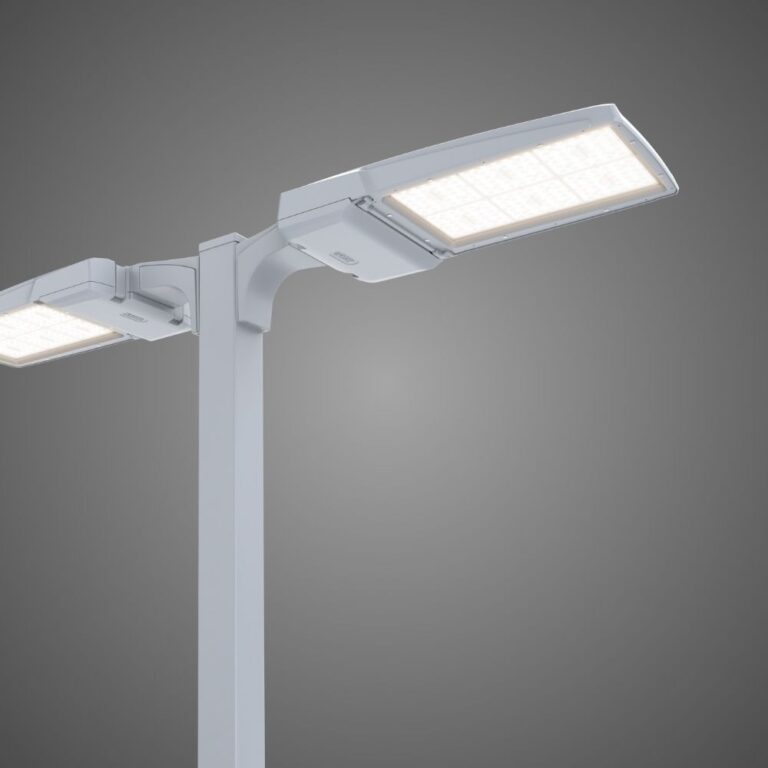
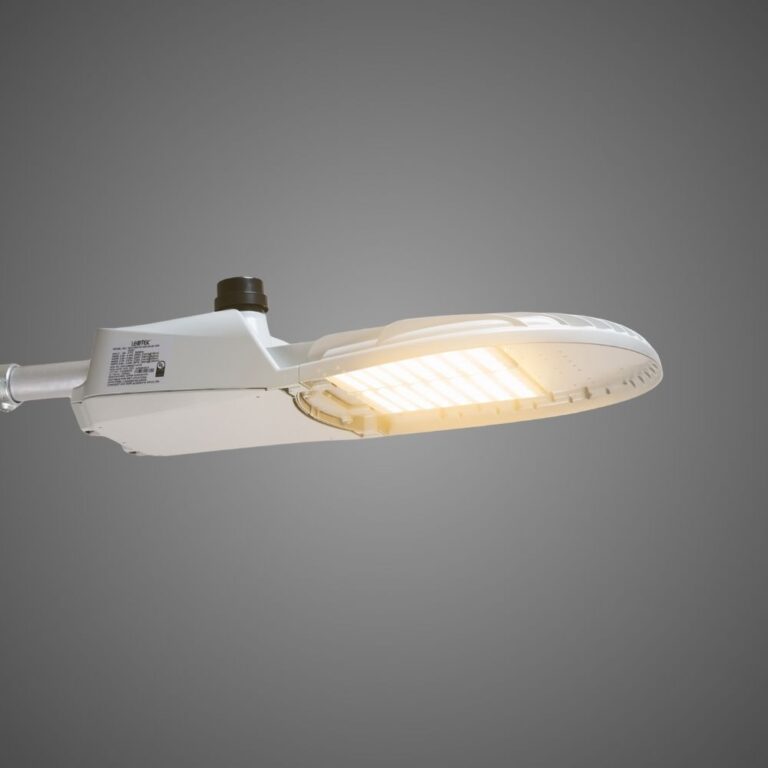
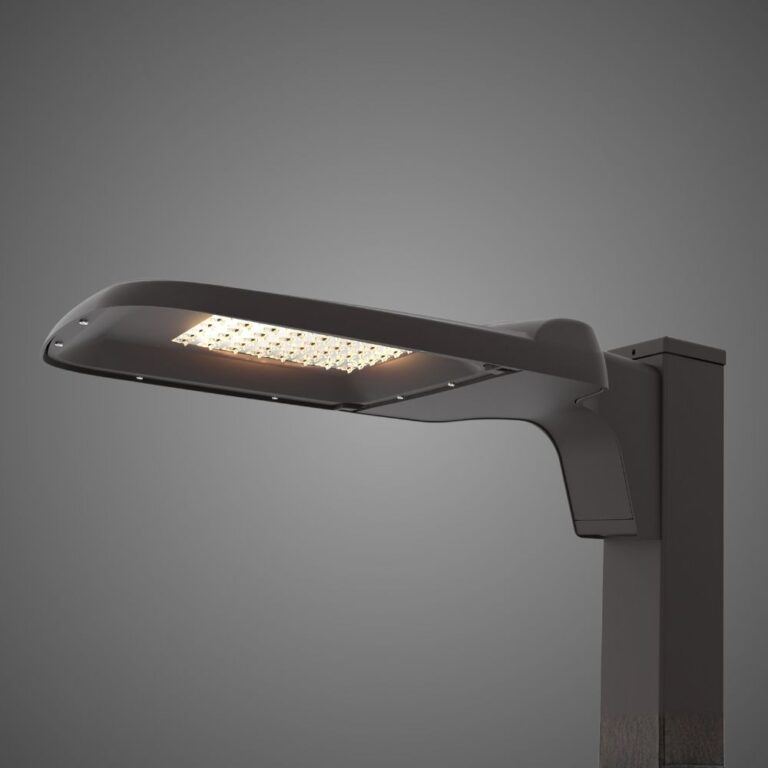
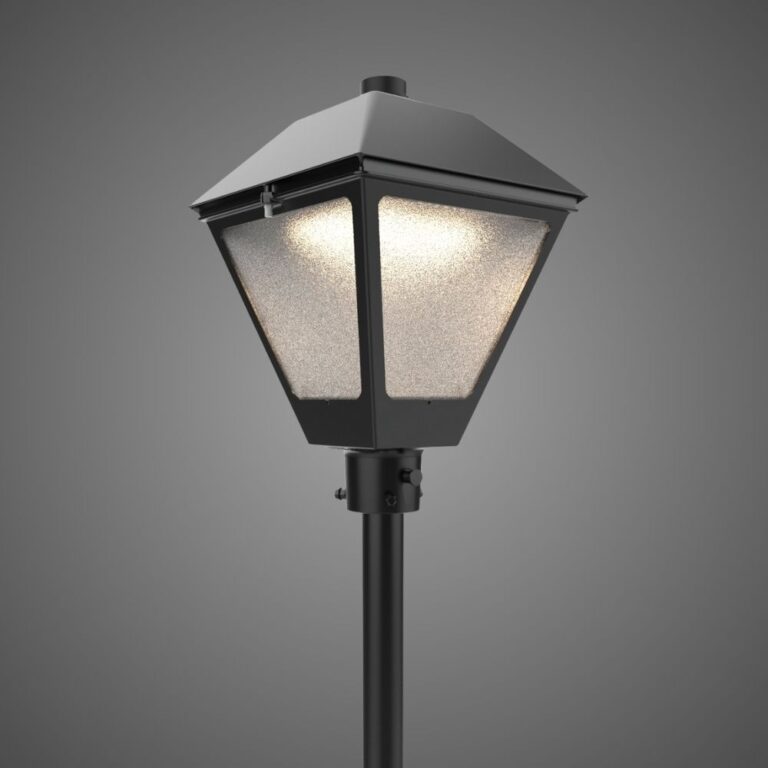




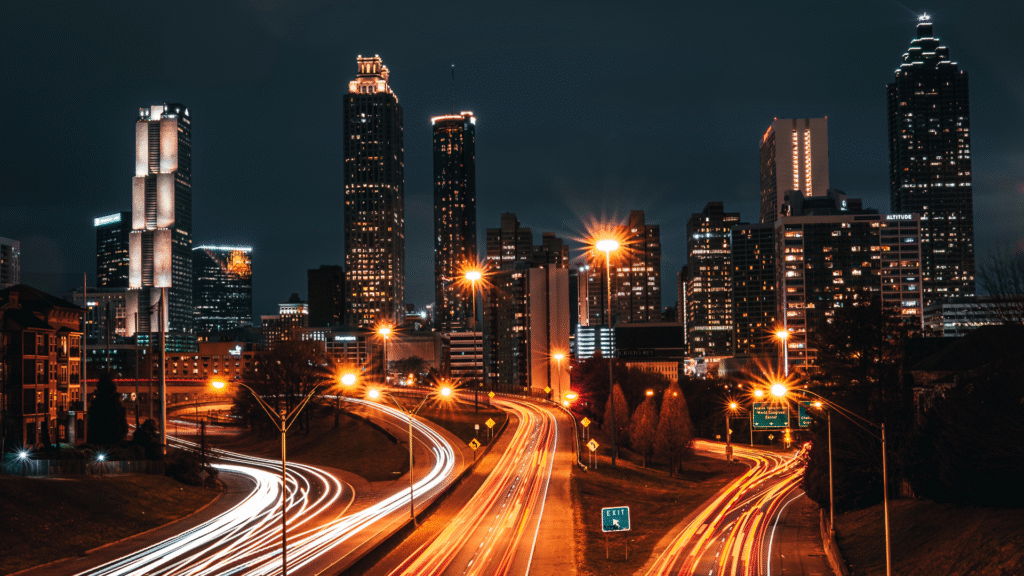
Street & Traffic Lights
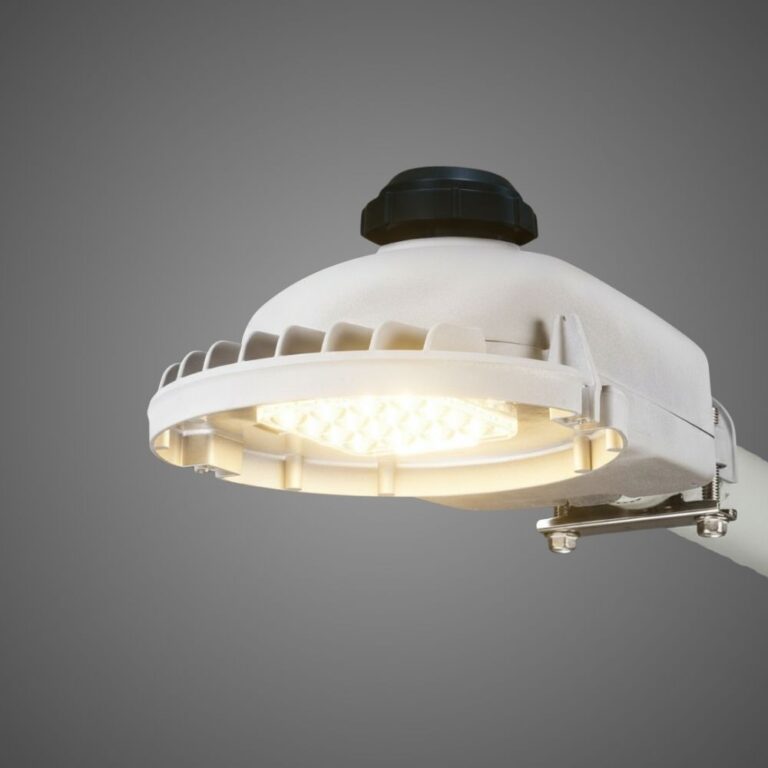
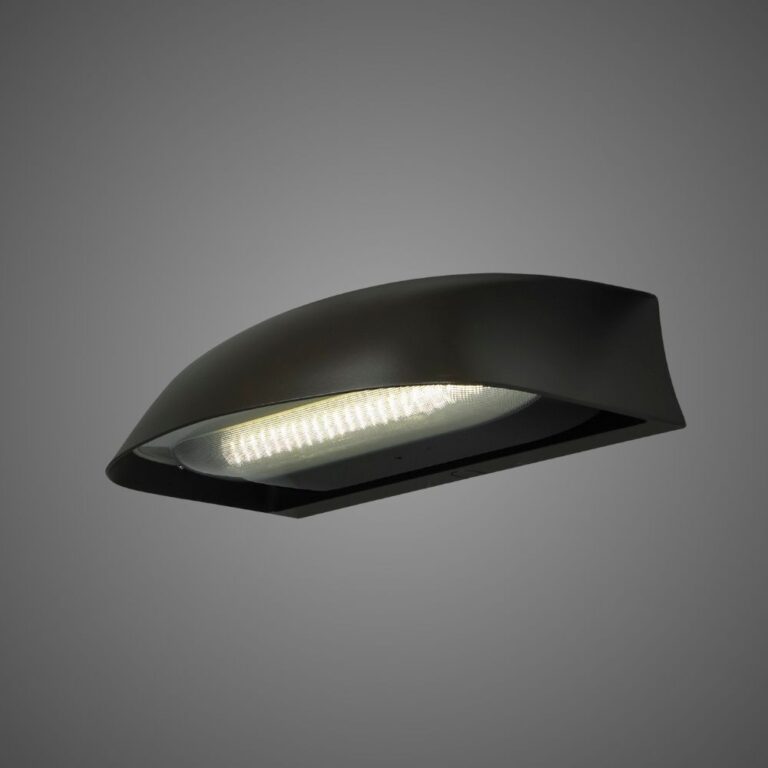
Advanced optical design for precise, safe, and efficient lighting performance.
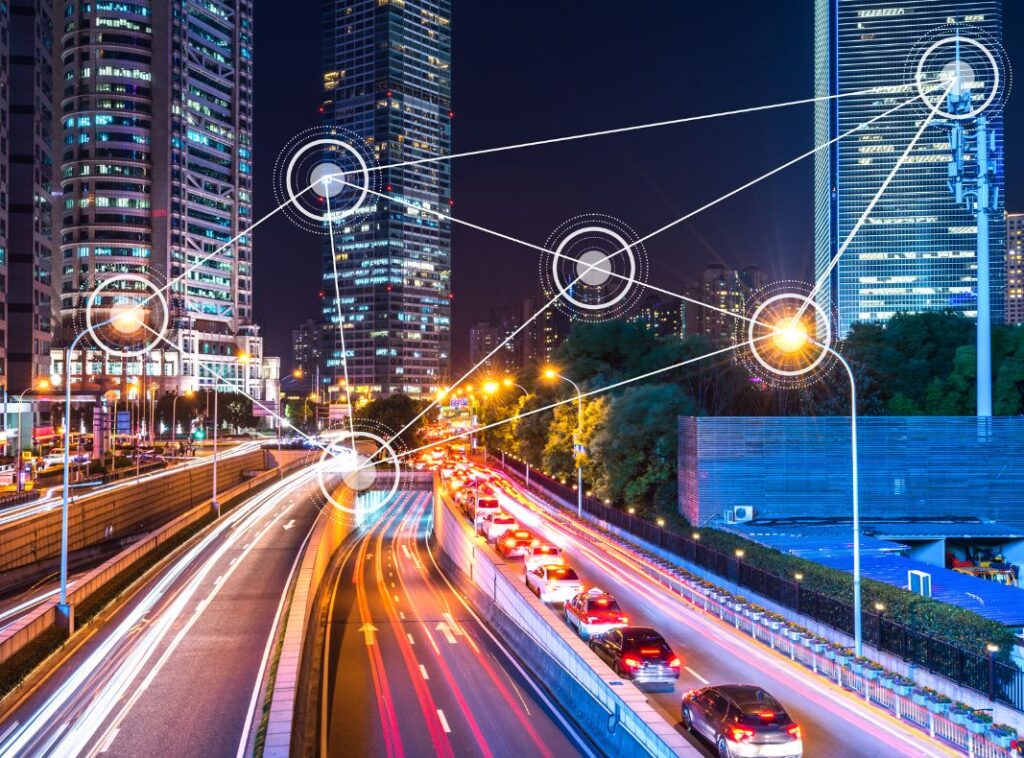
AIOT & Smart City
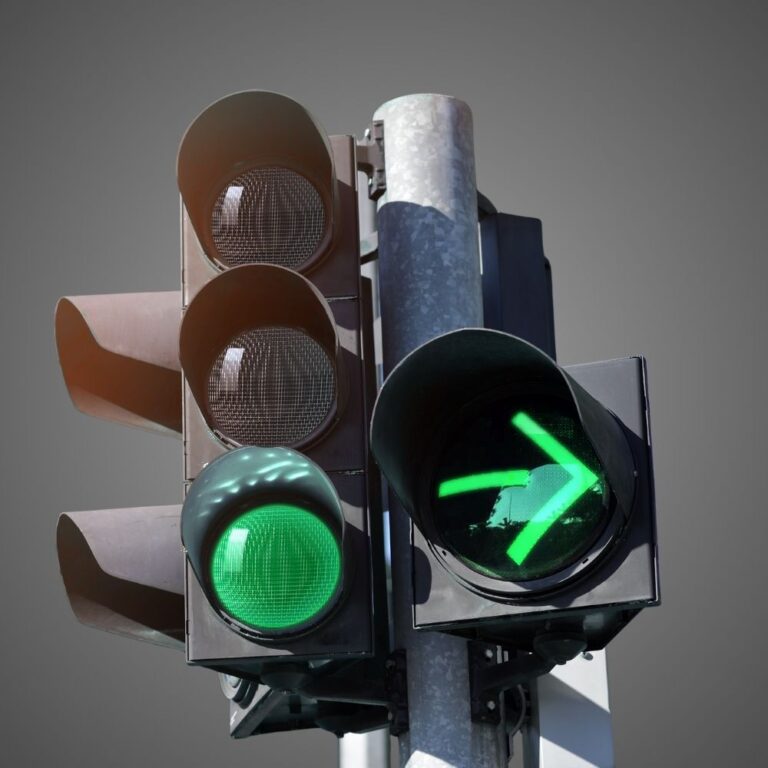
Smart traffic systems that enhance safety and optimize urban mobility.

Sustainabilty
Eco-friendly lighting solutions designed to reduce energy use and support greener cities.
Will an LED Streetlight Conversion Lower Utility Bills? Tariff Guide
Will an LED streetlight conversion lower utility bills? Learn how streetlight tariffs, ownership, rate codes, inventory records, and dimming affect savings.
How to Plan a Municipal Streetlight Pilot Project: Evaluation Guide
Learn how to plan a municipal streetlight pilot project using baseline data, lighting evaluation, controls testing, energy measurement, and resident feedback

Streetlight CMS API Requirements: Integration and Security Guide
Learn the essential streetlight CMS API requirements for asset data, events, commands, authentication, cybersecurity, interoperability, and system integration.

Climate-Resilient Streetlights for Heat, Storms, Flooding and Grid Disturbances
Learn how to plan climate-resilient streetlights for heat, wind, flooding, electrical events, grid disruptions, asset management, and storm recovery.
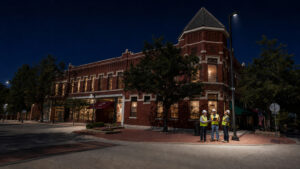
Utility-Owned vs. Municipality-Owned Streetlights: Project and Contract Implications
Utility-owned vs. municipality-owned streetlights can create different responsibilities for assets, billing, maintenance, and upgrades. The better path is not decided by ownership alone: a city
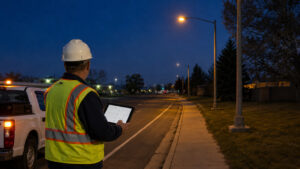
HPS-to-LED Streetlight Conversion: Selection and Retrofit Guide
An HPS-to-LED streetlight conversion should not be selected by wattage alone. The appropriate LED luminaire depends on the light needed on the actual roadway or area, the optical distribution and mounting geometry, existing electrical and control conditions, and a verified photometric and commissioning plan.

Campus Pathway Lighting Design: Planning and Accessibility Guide
Campus pathway lighting should be planned around the routes people use after dark, not selected as a stand-alone fixture exercise. A useful plan connects route hierarchy, visual tasks, wayfinding, accessible-route context, glare and spill control, controls, project-specific photometry, and documentation review.
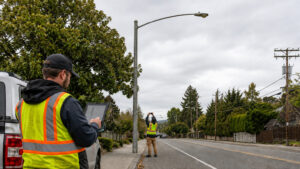
How to Audit a Municipal Streetlight Network Before an LED Conversion
A municipal streetlight audit is a reconciled record of each light, who owns it, how it is billed and maintained, and what field conditions could affect a conversion. Before selecting LED equipment, a city or agency should compare its records with field observations and document what is verified, uncertain, or in need of qualified review.

How Ambient Temperature Affects LED Streetlight Output and Service Life
Ambient temperature affects an LED streetlight by changing how readily the luminaire can release internally generated heat. Hot conditions can raise LED and driver operating temperatures, accelerating lumen depreciation and stressing components, while cold conditions generally favor LED thermal performance but still require verified low-temperature and cold-start ratings.

LM-80 and TM-21 for Streetlights: What the Test Results Do and Do Not Prove
LM-80 measures luminous-flux and color maintenance for LED packages, arrays, or modules under stated test conditions; TM-21 projects longer-term luminous-flux maintenance from applicable source data. For a streetlight claim based on LM-80 and TM-21, neither method alone proves how long the complete luminaire will operate without failure.
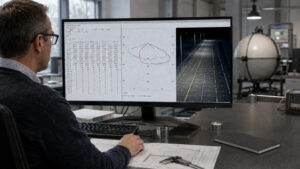
How to Read an IES File Without Relying Only on a Photometric Rendering
A reliable IES file interpretation starts by verifying the luminaire and test identity, decoding the vertical and horizontal angle lists, and matching each candela series to its measurement plane. After that, compare the raw data with the polar plots and the project-specific roadway model rather than accepting a rendering as the whole analysis.
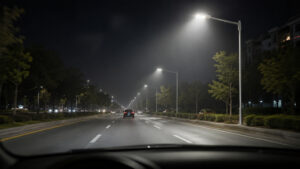
Veiling Luminance and Threshold Increment: Measuring Disability Glare on Roads
Veiling luminance describes the contrast-reducing luminous veil caused by stray light in the eye, while threshold increment expresses how much more contrast is needed to see a target when glare is present. Together, veiling luminance and threshold increment help engineers evaluate roadway disability glare, but the results are meaningful only when the governing method and its assumptions are identified.
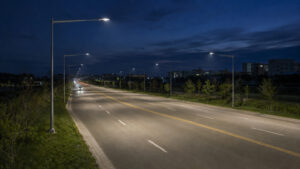
Roadway Lighting Uniformity Ratios: Why Average Light Levels Can Be Misleading
Learn how to calculate roadway lighting uniformity ratios, compare average and minimum illuminance, and properly review streetlight photometric plans.
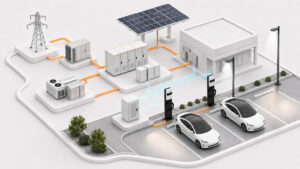
Integrated EV Charging, BESS, Solar and Site Lighting into One Energy Plan
An integrated EV charging, BESS, solar, and site lighting plan treats these assets as one operating system rather than four separate purchases. For a municipal, fleet, public-parking, or transportation-facility site, begin with load profiles, service priorities, utility constraints, and operating ownership before deciding what equipment is feasible.
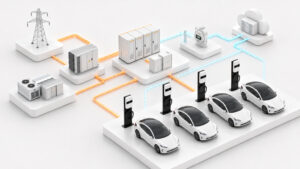
EV Charging Demand Charges: How Site Operation Affects the Electricity Bill
EV charging demand charges can affect a site’s electricity bill when its tariff includes a charge tied to the highest measured demand during a billing period. Charging schedules, simultaneous sessions, and other facility loads can influence that peak, but the applicable utility tariff, meter interval, and site conditions determine the actual bill.