




















Energy Infrastructure
With experience in smart infrastructure, lighting, and connected city systems, LEOTEK helps project owners identify the most suitable EV charging solutions based on site conditions, charging demand, user behavior, and long-term operational goals.
EV Charging Solutions
EV charging is now a core part of energy infrastructure, supporting daily mobility, property value, and long-term electrification. For commercial, residential, workplace, and municipal sites, Level 2 AC charging offers a practical balance of performance, flexibility, and cost efficiency.
Key Considerations for EV Charging Infrastructure
Long-Duration Charging
Many EV charging applications occur where vehicles remain parked for several hours, such as workplaces, retail destinations, residential properties, and public parking facilities. In these environments, Level 2 AC charging provides reliable energy access without requiring high-power fast-charging infrastructure.
Scalable Deployment
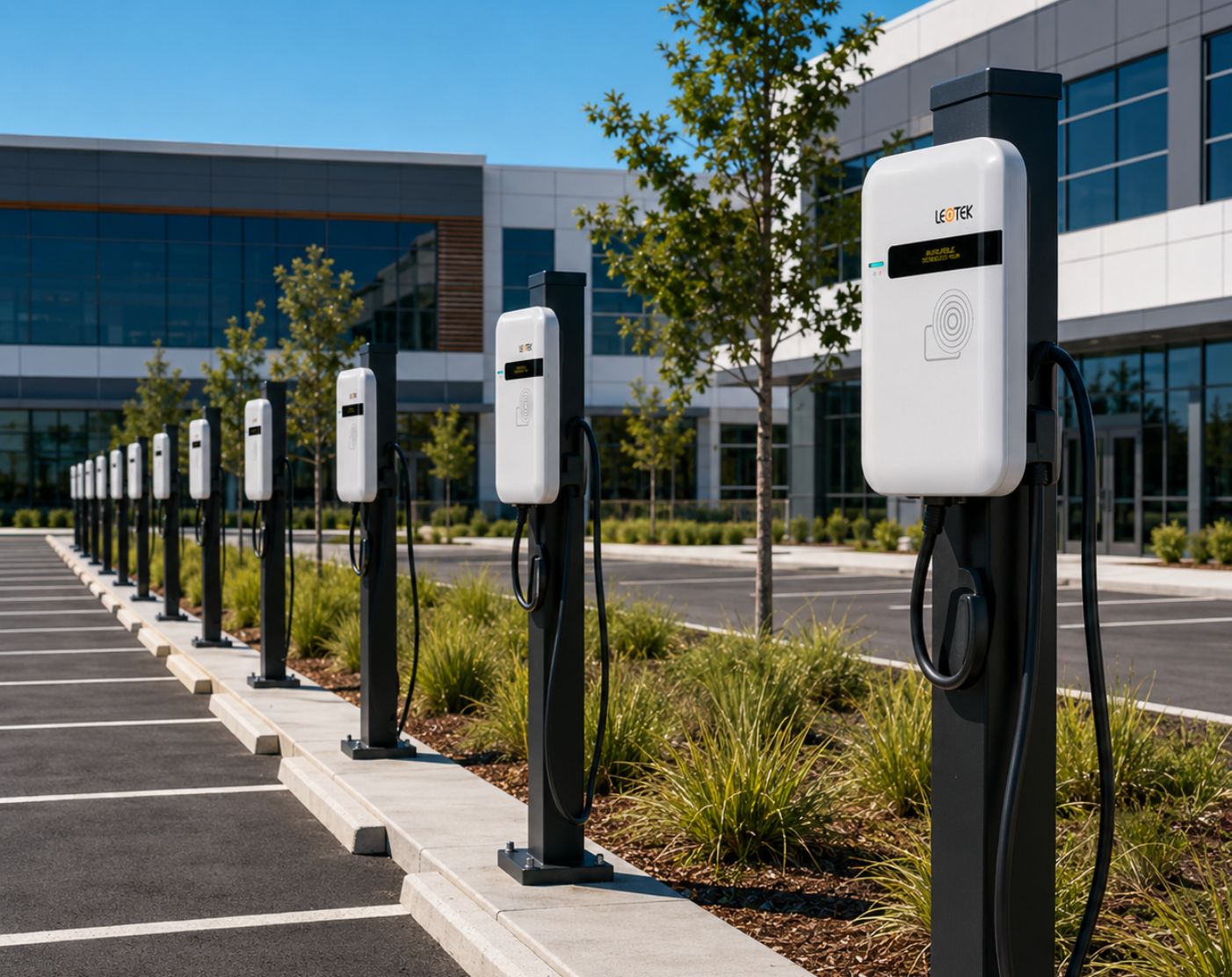
EV charging infrastructure should be easy to expand as demand grows. Whether deployed on a wall, pedestal, or shared parking layout, charging systems need to support flexible site planning across commercial, public, and residential environments.
Energy Visibility & Control
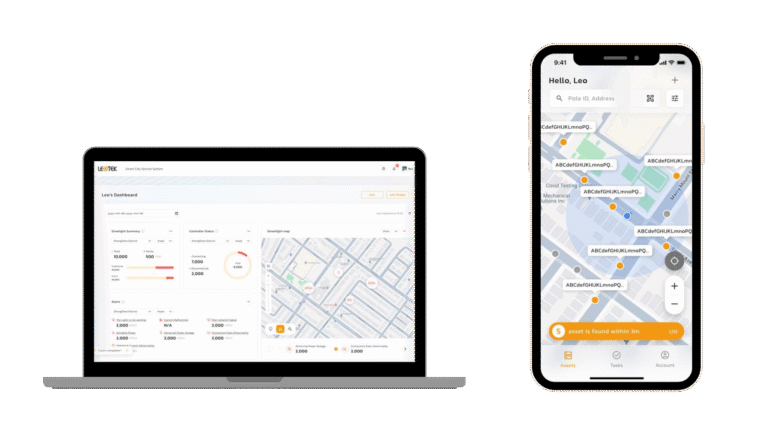
Connected EV charging solutions help operators monitor charger status, track energy usage, manage user access, and support payment or network-based charging programs. These capabilities are important for commercial operations, public charging access, and multi-site deployments.
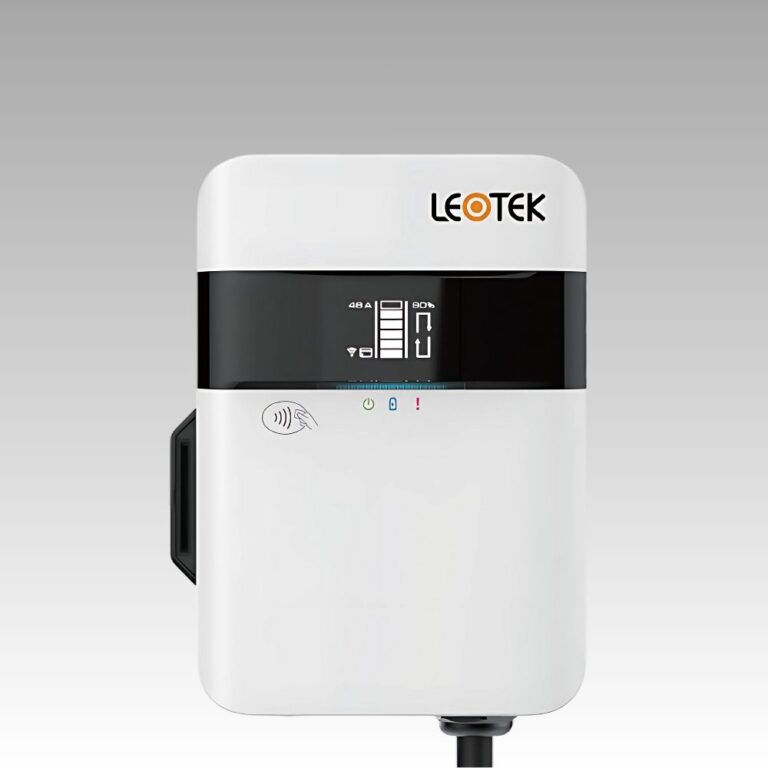
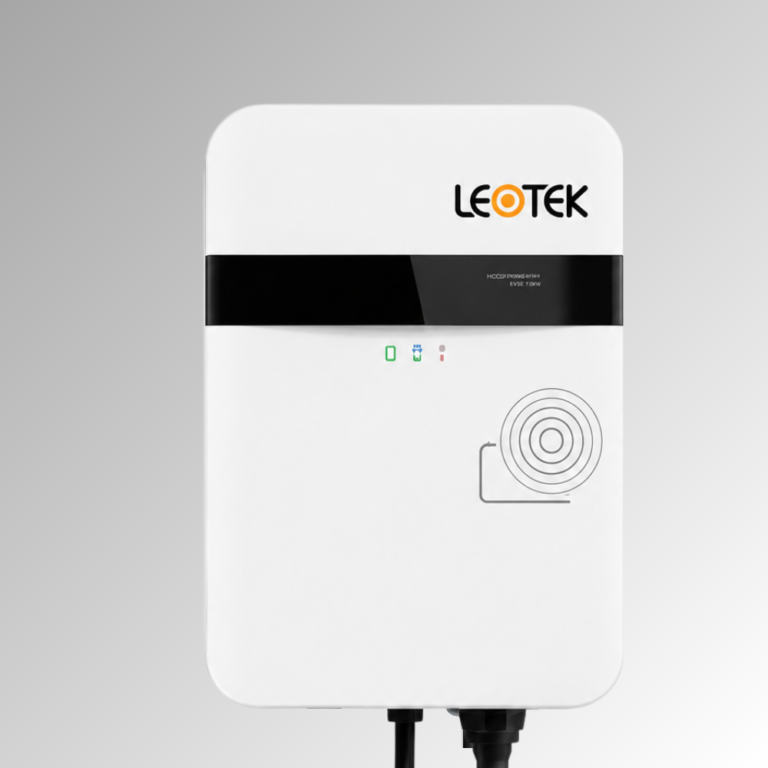
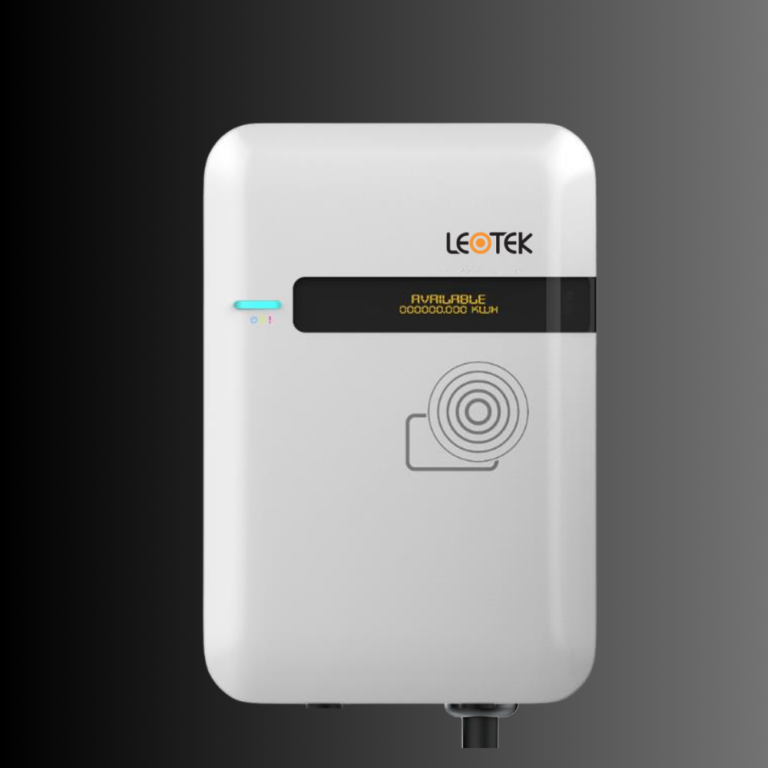
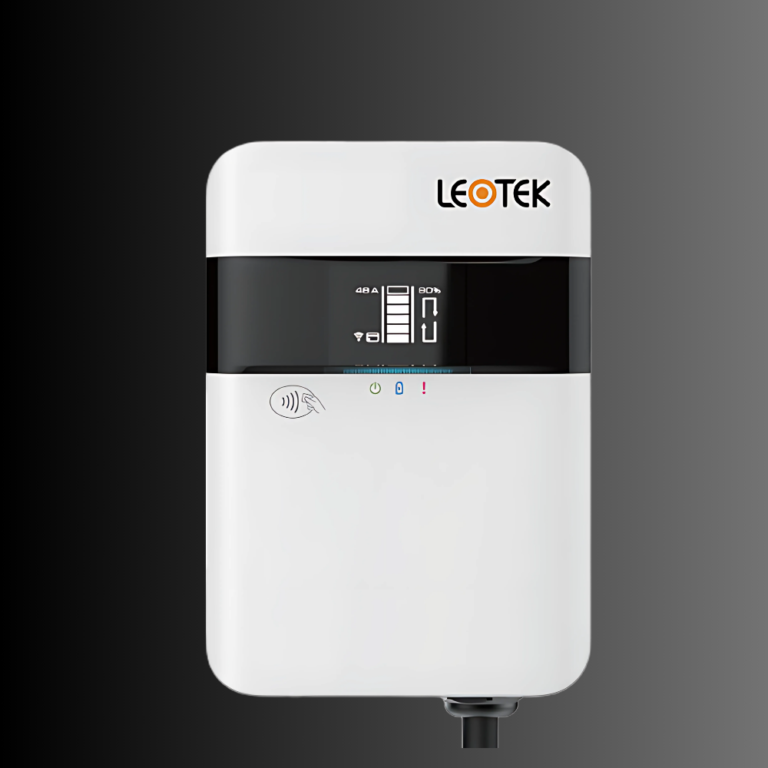
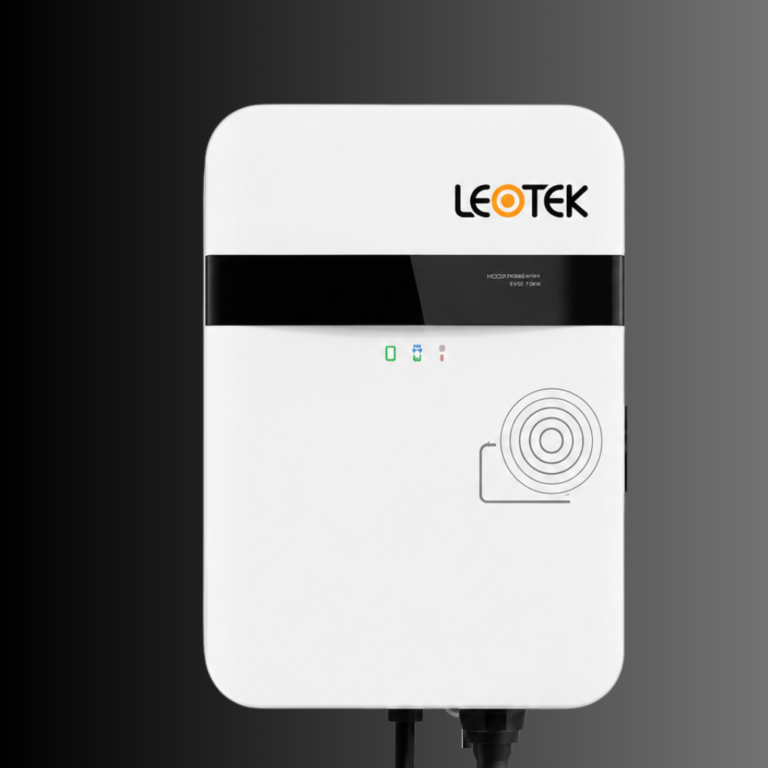
LEOTEK EV charging solutions help organizations deploy scalable, connected Level 2 AC charging infrastructure with flexible installation and network management for real-world applications.
Application Scenarios
Different environments require different EV charging strategies. The right solution depends on how long vehicles remain parked, who will use the charger, whether payment or access control is required, and how the site may scale in the future.

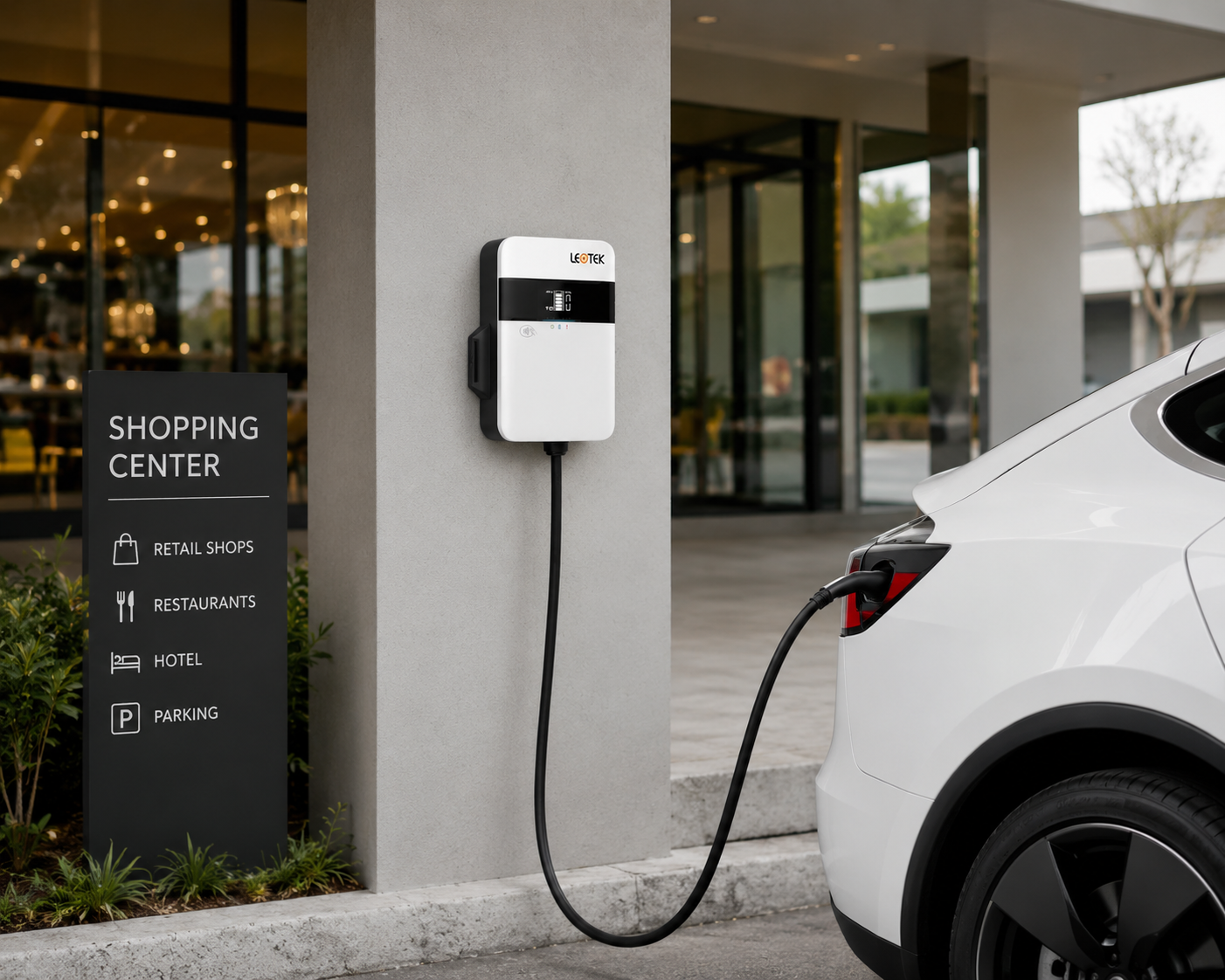
Commercial Properties
For commercial properties, key priorities often include user accessibility, payment options, charger visibility, network management, and reliable performance in public-facing environments.
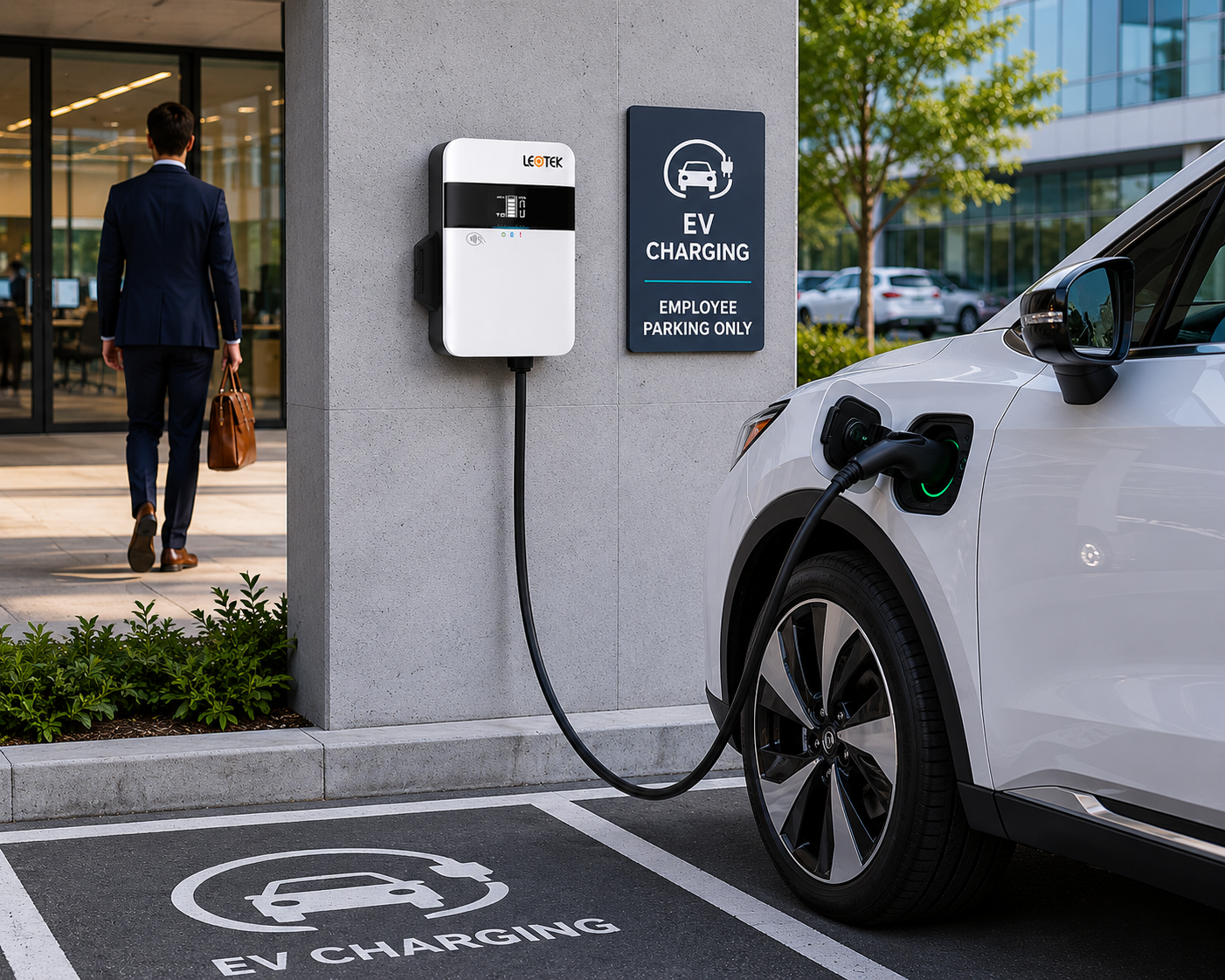
Workplaces and Corporate Facilities
For workplace applications, project owners often prioritize dependable operation, easy access control, usage monitoring, and scalable deployment across multiple parking areas.
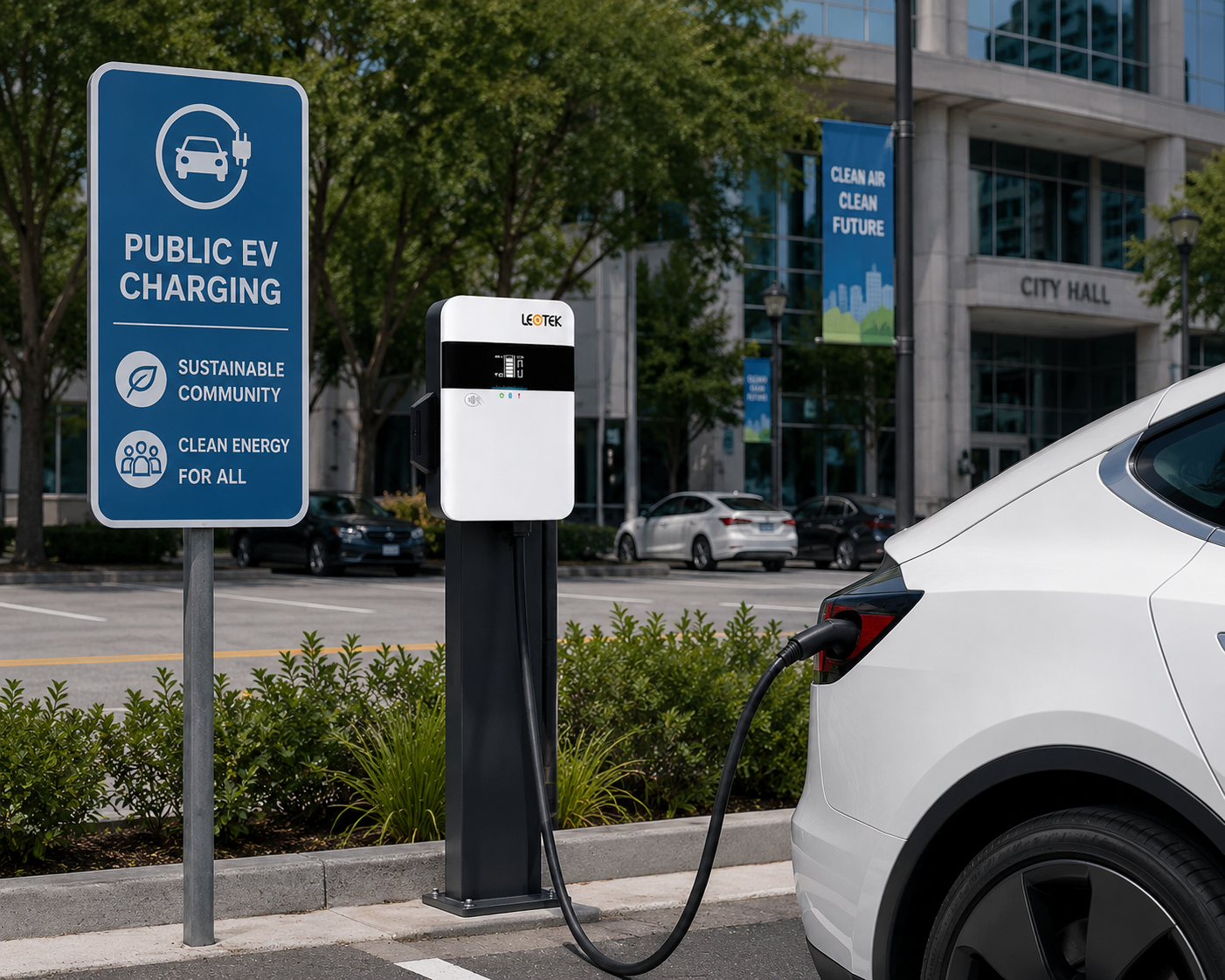
Public and Municipal Infrastructure
For public and municipal infrastructure, important considerations include accessibility, durability, network visibility, reporting, payment or RFID access, and long-term maintenance planning.
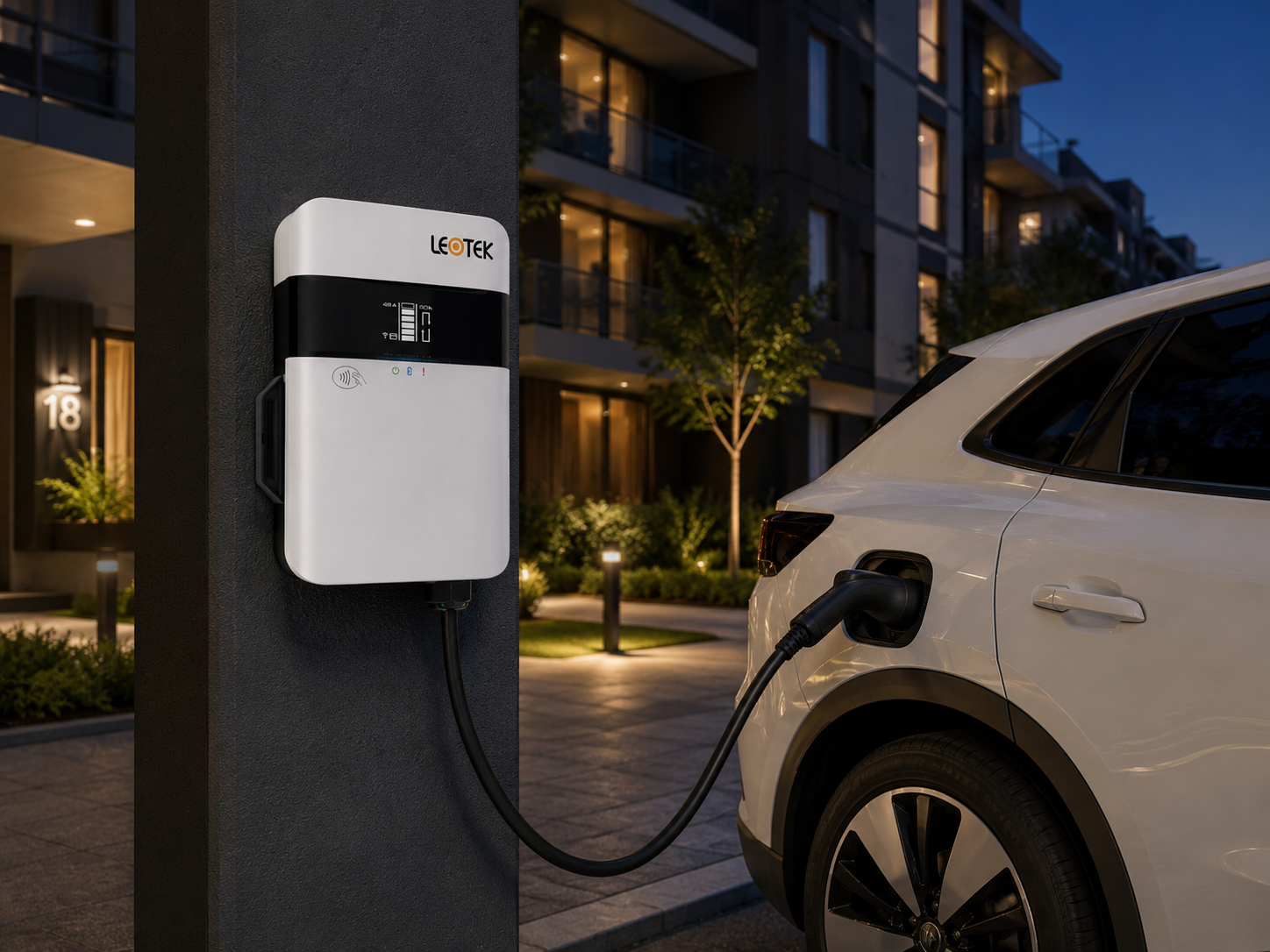
Residential and Multi-Unit Housing
For residential and multi-family applications, decision-makers typically care about installation flexibility, user access management, charger reliability, energy tracking, and future expansion as more residents adopt EVs.
Fleet and Shared-Use Parking
Fleet depots, service vehicles, delivery operations, and shared-use parking environments require charging systems that can support predictable daily operations. While charging speed is important, many fleet vehicles can be charged during scheduled dwell time, making AC charging suitable for planned charging cycles.
For fleet and shared-use applications, key priorities may include charger availability, remote diagnostics, access control, energy reporting, and multi-site management.
Recommended EV Charging Solutions
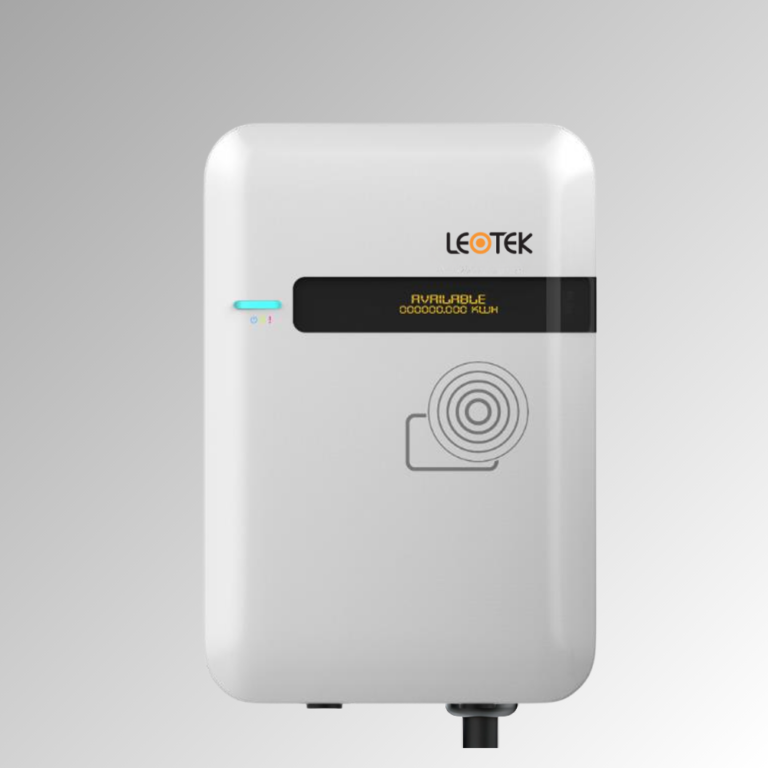
Start by identifying your application—workplace, public parking, or commercial property—to find the AC charging solution best suited for your environment.
EV Charging Solutions FAQs
What factors should I consider when selecting an AC EV charging solution?
Selecting an AC charging solution depends on application environment, parking duration, user behavior, and installation conditions. AC charging is ideal for locations where vehicles remain parked for extended periods and do not require rapid charging.
When should AC charging be used?
AC charging is best suited for workplaces, residential areas, commercial properties, and public parking facilities where vehicles are parked for long durations.
What are the advantages of AC EV charging?
AC charging offers lower installation costs, easier deployment, and the ability to support multiple charging points, making it well-suited for large-scale and accessible infrastructure.
Can AC charging systems be integrated into smart infrastructure platforms?
Yes, AC charging systems can be connected to centralized platforms for monitoring, control, and energy management, allowing integration with broader infrastructure systems.
How can AC charging infrastructure support long-term scalability?
AC charging systems enable scalable deployment, allowing operators to expand the number of charging points over time while maintaining cost efficiency and system flexibility.