






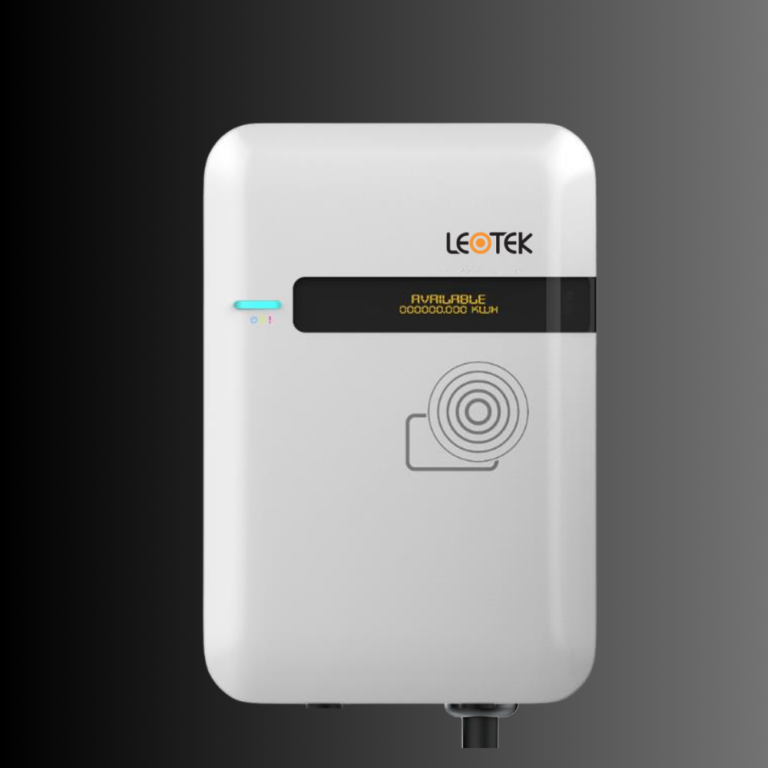
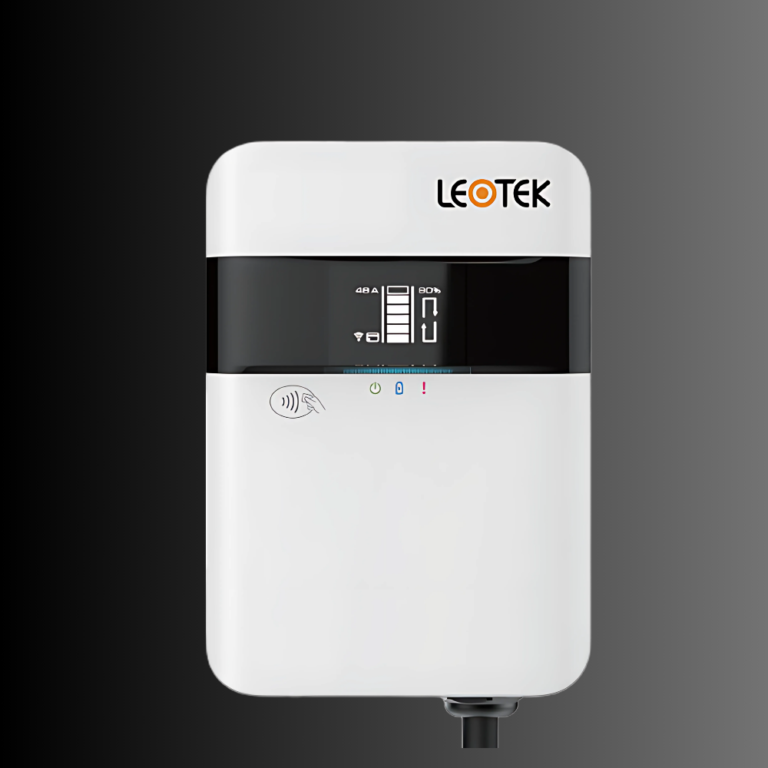
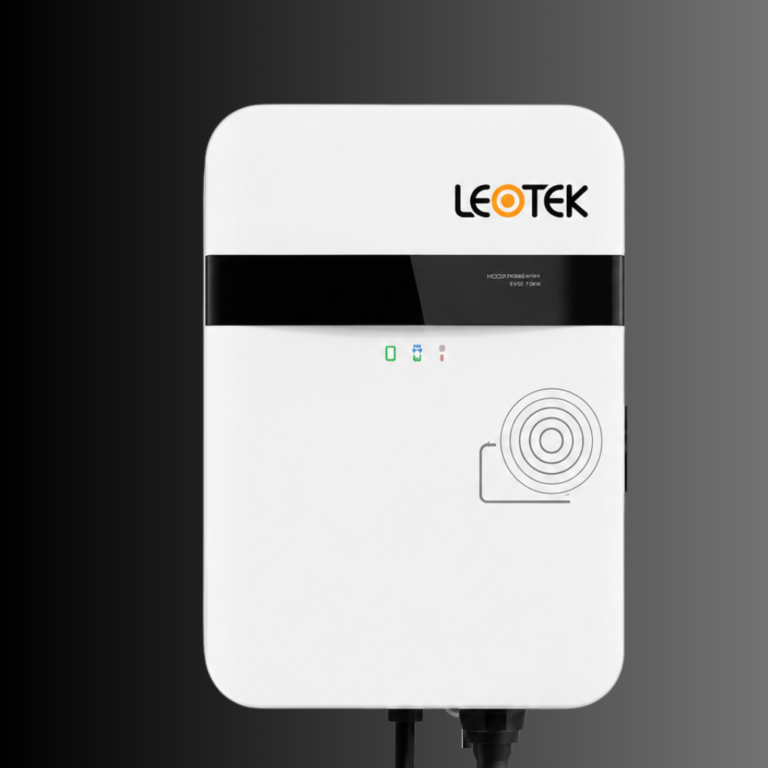



From Lighting to AI Intelligent Infrastructure
Modern infrastructure requires more than standalone devices—it requires connection, visibility, and intelligent management. LEOTEK integrates the Intelligent Lighting System (ILS), LEOLink smart nodes, and the RenAI platform into a unified ecosystem. This connected approach enables cities and operators to monitor assets, control operations, and optimize performance in real time—supporting the transition from isolated systems to scalable, data-driven infrastructure.
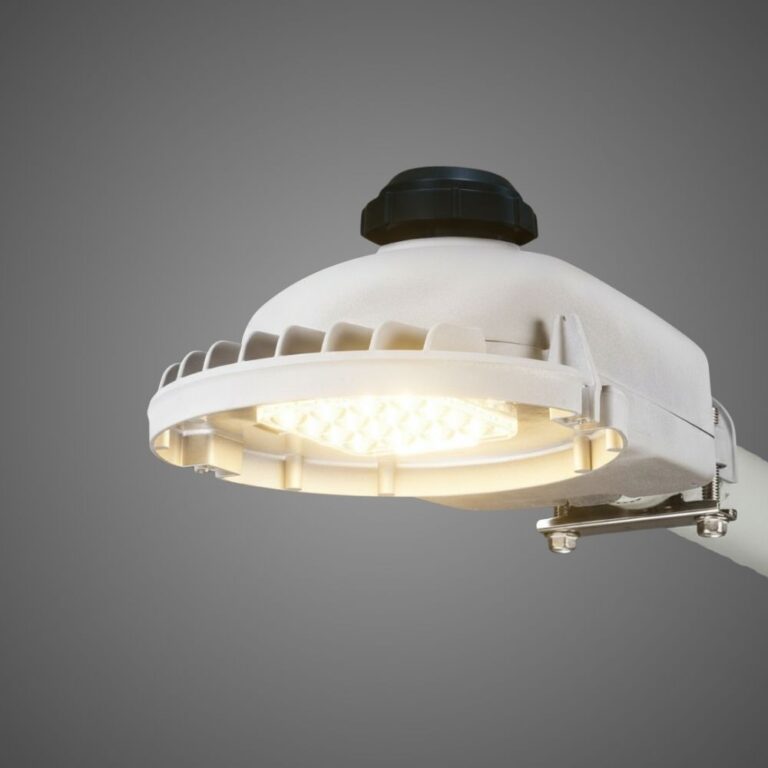
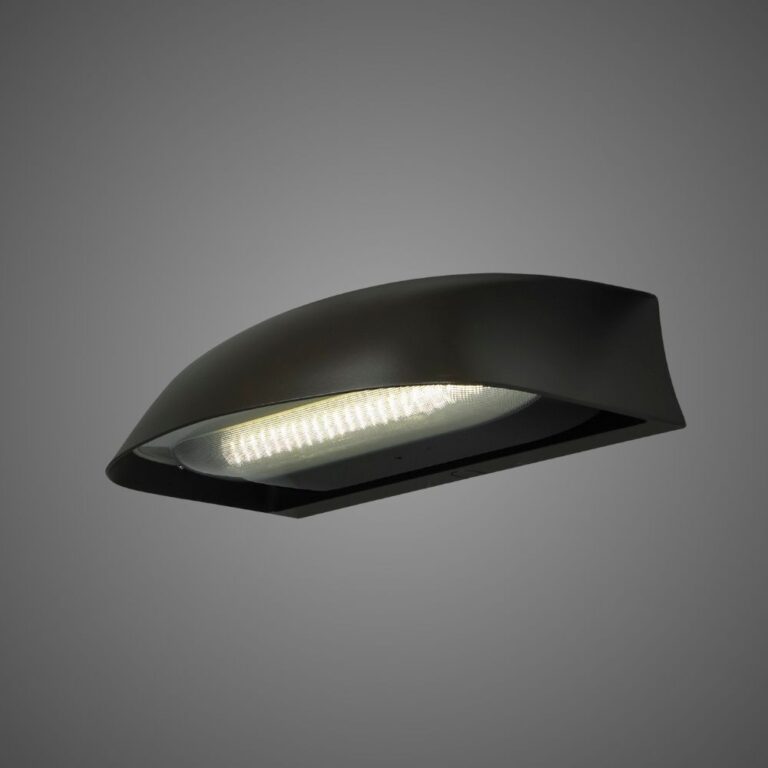
Intelligent Lighting System (ILS) Solutions
Key Considerations for the Intelligent Lighting System
Deliver High-Performance Illumination
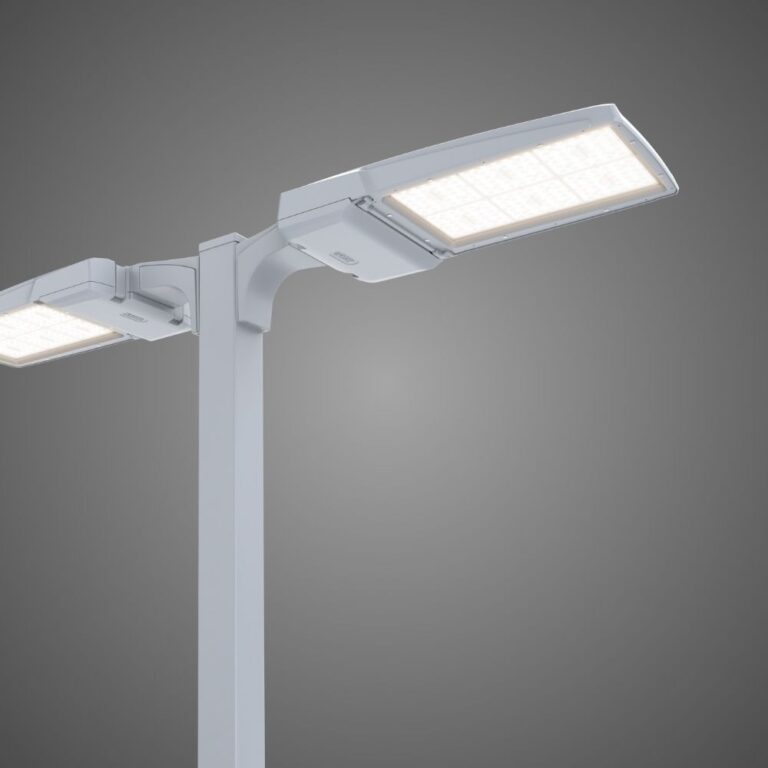
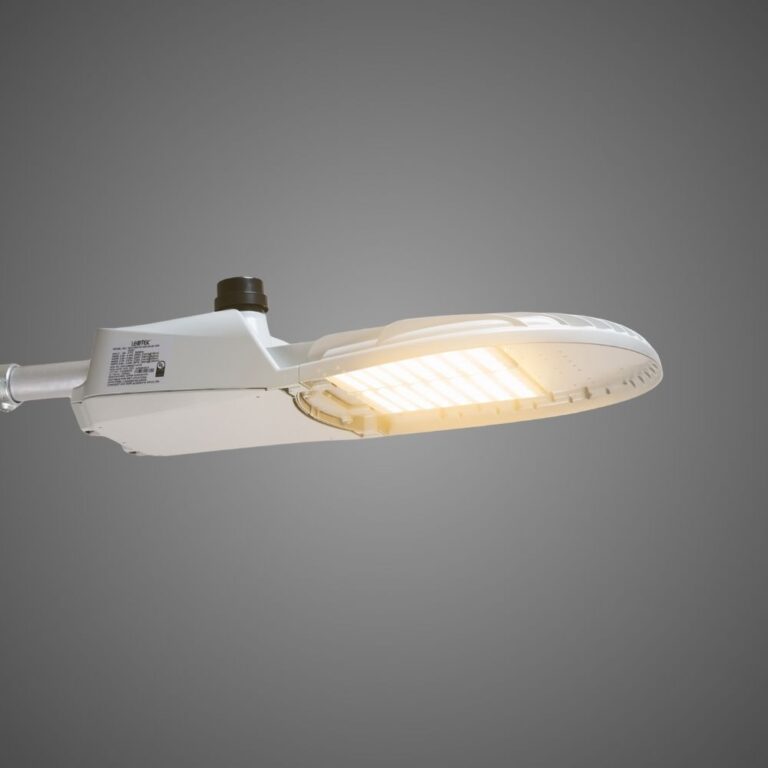
Lighting systems must provide reliable visibility, consistent output, and high efficiency across diverse outdoor.
Enable Smart-Ready Infrastructure
Modern lighting systems should be designed to support integration with IoT devices, smart nodes, and centralized.
Support Long-Term Operational Efficiency
Durable lighting performance, reduced maintenance, and optimized energy usage are critical for long-term infrastructure sustainability.
Application Scenarios

Urban Roads
Enhance visibility and support safer, more efficient roadway operations.

Parks and Squares
Create comfortable, well-lit public environments that support nighttime usability.
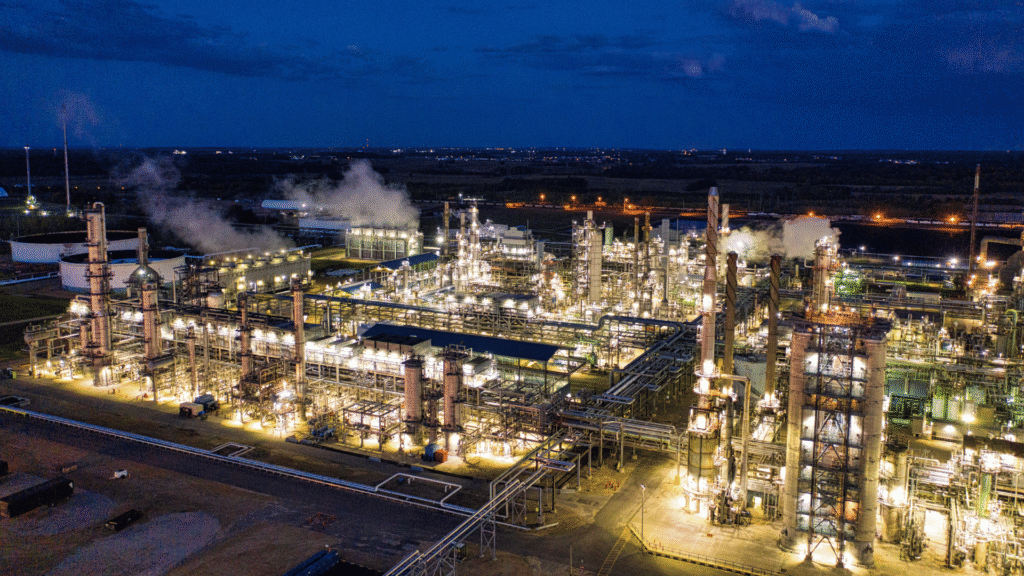
Industrial Parks
Improve safety and operational visibility across large-scale facilities.

Highways
Support high-speed traffic with consistent and reliable illumination.

Intersections
Enhance lighting conditions to improve driver awareness and reduce collision risk.
Start with your lighting requirements—whether performance, efficiency, or future connectivity—then select the LEOTEK Intelligent Lighting System solution best suited for your application.
Smart Node Applications
(LEOLink Smart Controller)
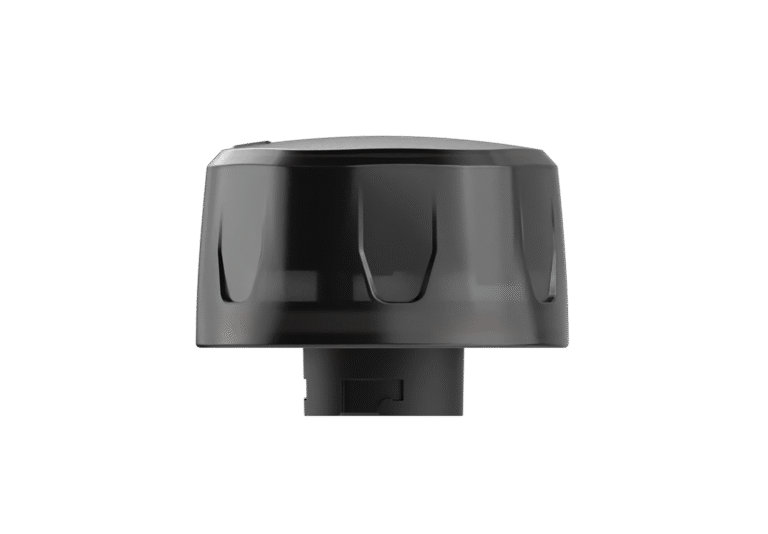
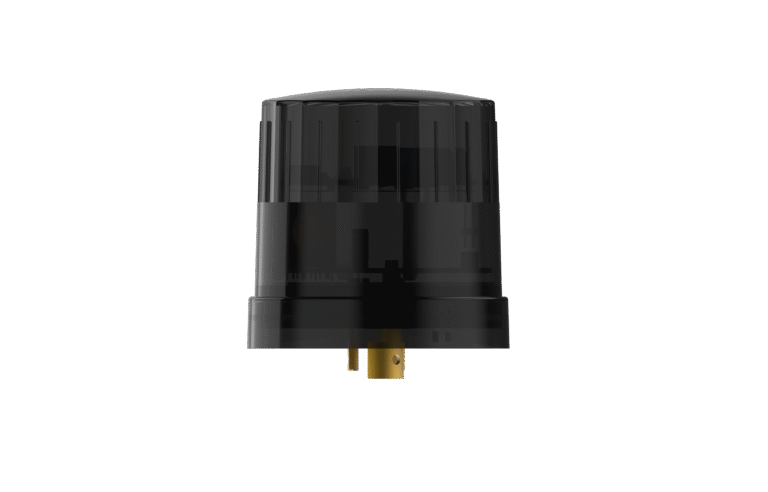
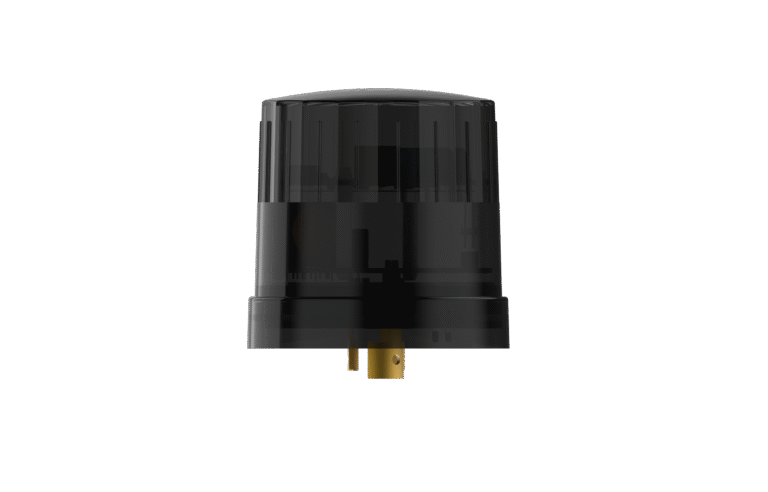
Smart nodes act as the critical connection layer between field devices and centralized management systems. LEOLink smart controllers enable lighting systems and infrastructure assets to communicate, allowing operators to monitor, control, and manage devices remotely across large-scale environments.
Key Considerations for Smart Node Integration
Enable Scalable Device Connectivity
Smart nodes connect individual lighting and infrastructure assets, creating a flexible and scalable IoT network.
Support Remote Monitoring and Control
Operators can manage lighting performance, adjust schedules, and monitor system status without on-site intervention.
Facilitate System-Level Integration
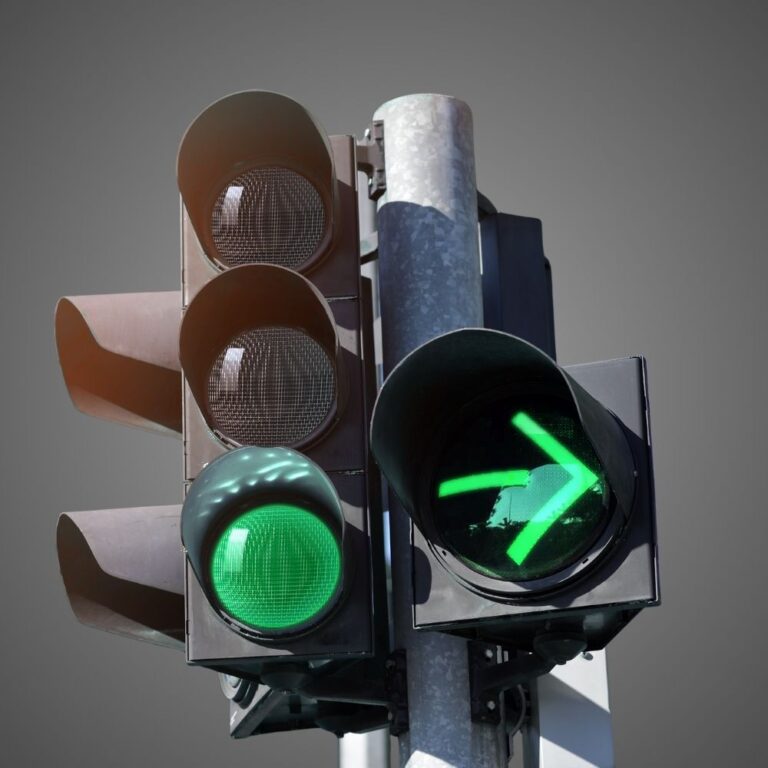
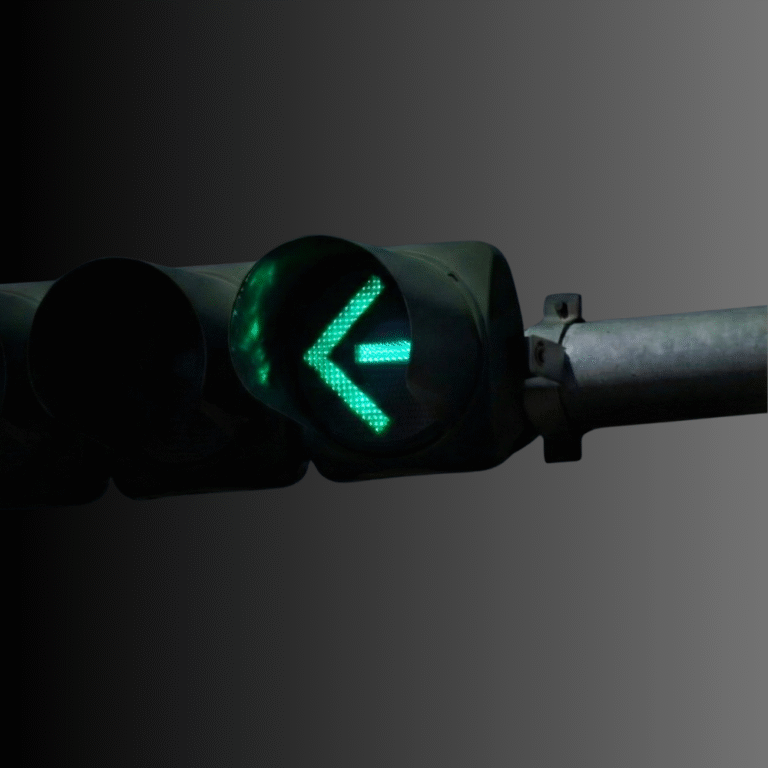
Smart nodes allow lighting systems to integrate with traffic signals, sensors, and other infrastructure, forming a unified smart city ecosystem.
LEOLink smart controllers provide the connectivity layer that transforms standalone lighting systems into intelligent infrastructure. By enabling communication and remote control, LEOLink supports more efficient operations and scalable system expansion.
Recommended LEOLink Smart Node Solutions
Choose LEOLink smart node solutions when your priority is connectivity, remote control, and infrastructure integration.
AI Platform Applications with RenAI
AI-powered platforms enable centralized management and advanced analytics across connected infrastructure systems. RenAI processes data from field devices and smart nodes to provide insights, automation, and intelligent control for urban operations.
Key Considerations for AI Platforms
Centralize Infrastructure Management
A unified platform enables operators to monitor and control lighting, traffic signals, and connected devices from a single interface.
Leverage Data for Performance Optimization
AI-driven analytics help identify inefficiencies, optimize energy use, and improve overall system performance.
Enable Proactive Maintenance
Real-time alerts and predictive insights help operators detect issues early and reduce downtime.
RenAI provides a powerful platform for managing and optimizing connected infrastructure. By combining data analytics, automation, and centralized control, RenAI helps cities and operators improve efficiency, reliability, and long-term performance.

Smart Infrastructure Management Capabilities
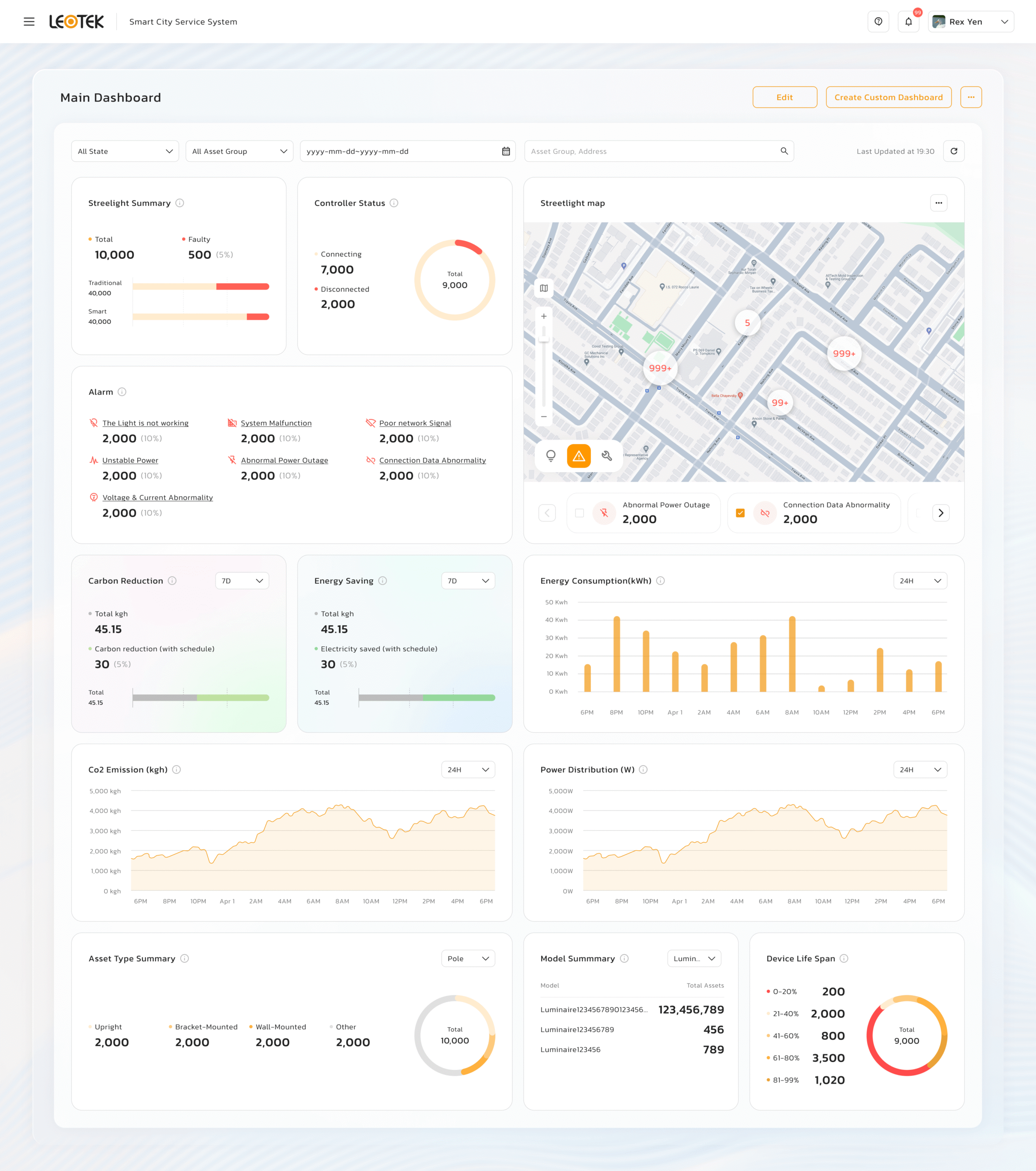
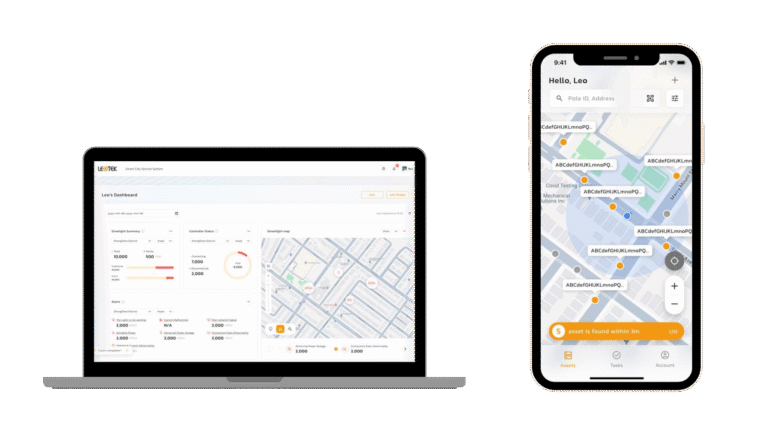
RenAI serves as an all-in-one platform for managing street lighting systems—enabling real-time energy monitoring, asset visibility, controller status tracking, live map visualization, and proactive alerts.

AIoT & AI Platform FAQs
What is the role of AIoT in smart city infrastructure?
AIoT combines IoT connectivity with AI-driven analytics to enable real-time monitoring, intelligent control, and data-driven optimization of infrastructure systems. It allows cities and operators to move from isolated device management to connected, system-level operations.
What does a smart node do in a lighting system?
A smart node connects individual lighting devices to a centralized system, enabling remote monitoring, control, data collection, and integration with broader infrastructure platforms.
What are the benefits of an AI platform like RenAI?
AI platforms like RenAI provide centralized infrastructure management, real-time data insights, predictive maintenance capabilities, and operational optimization. These features help improve efficiency, reduce maintenance costs, and enable smarter, data-driven decision-making.
How do ILS, smart nodes, and AI platforms work together?
The Intelligent Lighting System (ILS) provides the lighting infrastructure, smart nodes enable connectivity and communication, and AI platforms deliver centralized management and analytics. Together, they form a connected ecosystem that supports real-time monitoring, control, and optimization across infrastructure systems.
Can different infrastructure systems be integrated into a single platform?
Yes, AIoT platforms allow multiple infrastructure systems—such as lighting, traffic signals, and sensors—to be integrated into a unified platform. This enables centralized monitoring, coordinated operation, and improved overall efficiency.
Why should cities adopt AIoT and AI platforms for infrastructure management?
AIoT and AI platforms help cities improve operational efficiency, reduce manual maintenance, enhance system visibility, and enable proactive decision-making. By connecting infrastructure and leveraging data insights, cities can optimize performance and support long-term smart city development.