
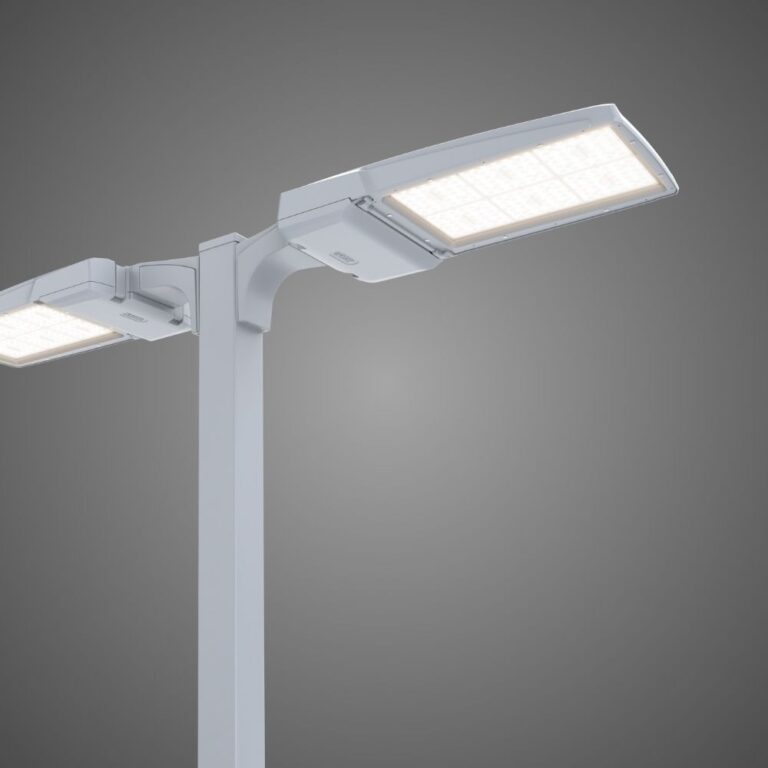
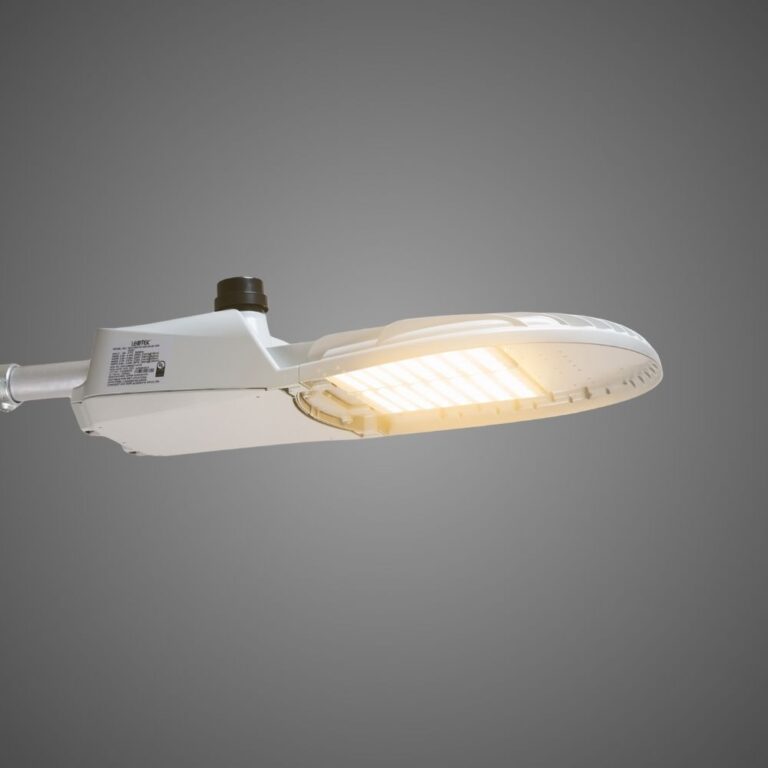
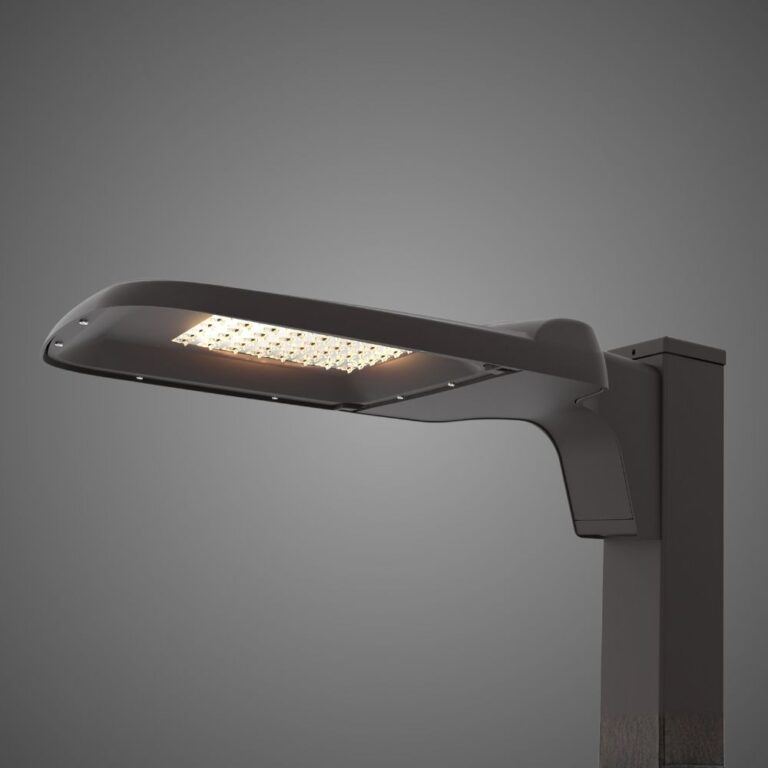
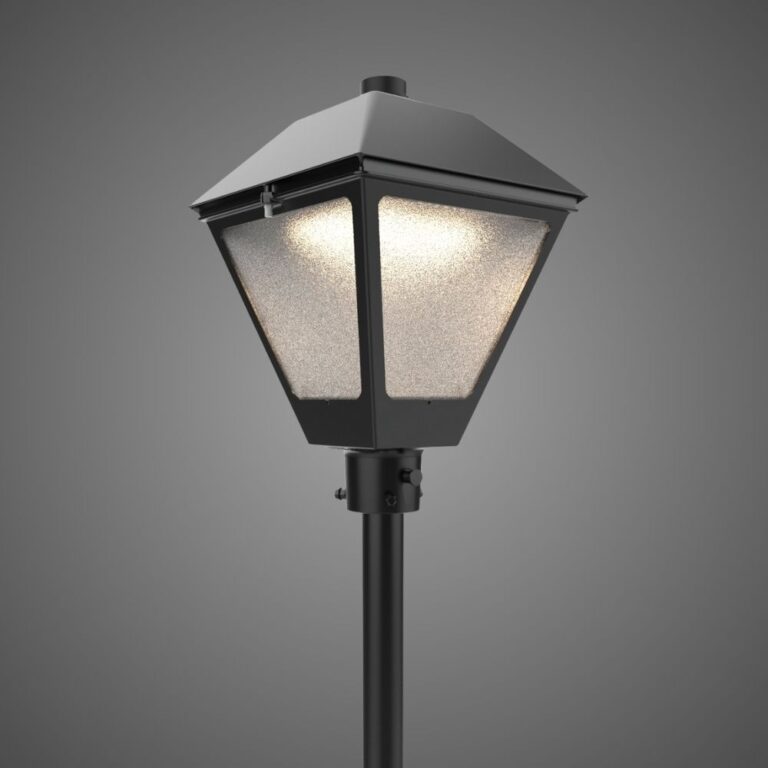


So, what are the street lights certification and standards?
In an era where energy-efficient and environmentally conscious lighting solutions are in high demand, LED street lights have emerged as a prominent choice for urban and municipal lighting projects. These innovative lighting systems offer numerous advantages, including reduced energy consumption, extended lifespan, and improved illumination. However, ensuring the safety, quality, and compliance of LED street lights is of paramount importance to manufacturers, regulators, and consumers alike.
Importance of LED Lighting Certification Standards
LED lighting certification standards play a pivotal role in the lighting industry by establishing a set of guidelines and criteria that LED street lights must meet to guarantee their performance, safety, and environmental sustainability. These standards are designed to ensure that LED lighting products adhere to rigorous quality control measures, making them reliable and safe for widespread use.
Certification Marks and Bodies for LED Street Lights
Navigating the landscape of LED lighting certification can be a complex task, as there are various certification marks and bodies responsible for evaluating and certifying these lighting solutions. Each mark and organization holds a specific significance and is indicative of a product’s compliance with international and regional standards.
In this article, we will delve into the world of LED lighting certification, exploring the essential standards and understanding the certification marks that are vital for LED street lights. We will also introduce the key certification bodies that oversee the verification processes, ensuring that LED street lights meet the stringent requirements set forth for their deployment.
Join us on this illuminating journey through the realm of LED lighting certification, where we will shed light on the critical aspects of ensuring the safety, efficiency, and quality of LED street lighting solutions.
Importance of Certification Mark
LED street light certification marks serve as visual indicators of compliance and adherence to specific standards and regulations. In the world of LED street lighting, these marks are essential for both manufacturers and consumers, as they provide a clear signal of a product’s quality, safety, and environmental impact. Understanding the significance of these marks is crucial when choosing LED street lights for various applications.
Overview of 5 Common LED Street Light Certification
Certification marks used for LED street lights come from various international and regional organizations. Each mark carries its own set of criteria and requirements, ensuring that LED lighting products meet specific standards. Some of the common certification marks you may encounter include:
1. CE Mark

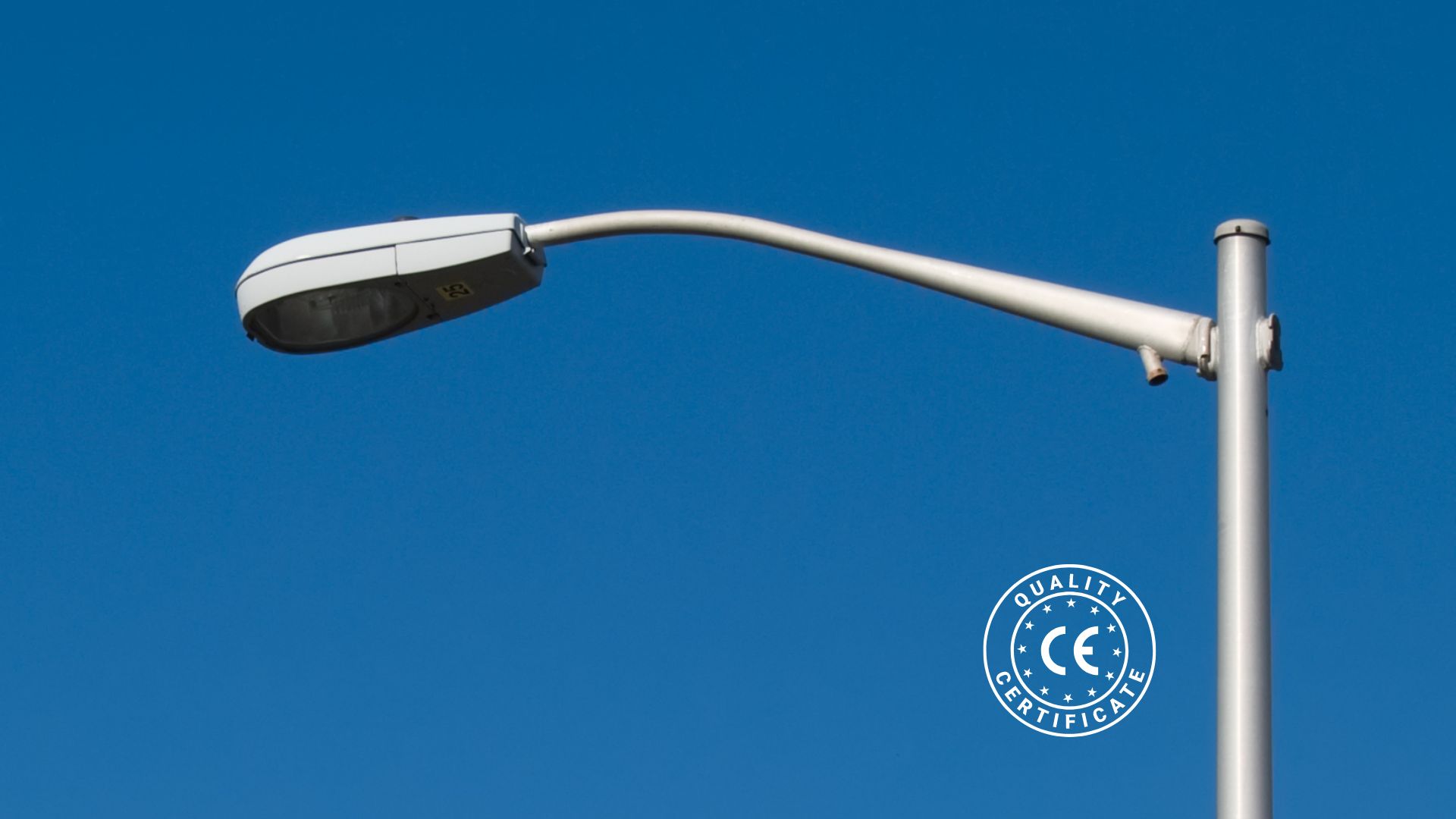
The CE mark, or Conformité Européene, is a widely recognized symbol indicating that a product complies with European Union (EU) safety, health, and environmental protection regulations. For LED street lights, the CE mark signifies conformity with EU directives and standards, guaranteeing their safety and environmental impact.
2. UL Mark
Underwriters Laboratories (UL) is a renowned global safety certification company. The UL mark on LED street lights confirms that the product has undergone rigorous safety testing and meets the safety standards set by UL.
3. CB Scheme
The CB Scheme, or Certification Body Scheme, is an international program that allows for the global acceptance of test reports and certificates for electrical and electronic products. LED street lights with the CB mark have been tested and verified to comply with international safety standards.
4. EMC Mark
Electromagnetic Compatibility (EMC) is critical for electronic products like LED street lights. The EMC mark indicates that a product can operate without interfering with other electronic devices and is not susceptible to interference from external sources.
5. RoHS Compliance
The Restriction of Hazardous Substances (RoHS) directive restricts the use of specific hazardous materials in electronic products, including LED street lights. RoHS compliance is symbolized by a green “RoHS” mark, ensuring that the product is environmentally friendly.
Certification Bodies
Certification bodies play a vital role in the LED lighting industry by evaluating and certifying products to ensure they meet the required standards and regulations. These organizations are responsible for conducting tests, inspections, and audits to determine a product’s compliance. Understanding the role of certification bodies is essential for manufacturers seeking certification and consumers looking for certified LED street lights.
Certification bodies are entrusted with various responsibilities, including:
1. Testing and Evaluation
Certification bodies conduct comprehensive tests and evaluations of LED street lights to assess their performance, safety, and environmental impact. This involves examining factors such as electrical safety, energy efficiency, and adherence to material restrictions.
2. Verification of Compliance
Certification bodies verify whether LED street lights comply with relevant international and regional standards. They assess the product’s design, construction, and documentation to ensure alignment with established criteria.
3. Granting Certification
Upon successful evaluation, certification bodies grant certification to LED street lights that meet the required standards. This certification often comes in the form of a certificate or label that can be displayed on the product.
4. Surveillance and Auditing
Certification bodies may perform ongoing surveillance and auditing of certified products and manufacturing processes to ensure continued compliance. This helps maintain the integrity of the certification.
By understanding the roles and significance of certification marks and certification bodies, consumers and manufacturers alike can make informed decisions when it comes to selecting and producing LED street lights that prioritize quality, safety, and environmental responsibility.
5 Key Certification Standards
In the world of LED street lighting, adhering to certification standards is paramount to ensure product quality, safety, and compliance with regulations. Various certification standards play a crucial role in verifying the performance and reliability of LED street lights. Let’s delve into some of the key certification standards:
A. CE Certification
CE certification, or Conformité Européene, is a mandatory certification mark for products sold within the European Economic Area (EEA). It demonstrates that a product complies with European Union (EU) safety, health, and environmental protection standards. For LED street lights, CE certification signifies conformity with EU directives and regulations, making them suitable for the European market.
Importance of CE Certification in European Markets
CE certification is of paramount importance when introducing LED street lights to European markets. It ensures that the product meets stringent EU standards for safety, performance, and environmental impact. Without CE certification, it is challenging to gain access to European markets, limiting the product’s reach and marketability.
B. UL Certification
Underwriters Laboratories (UL) is a renowned global safety certification organization based in the United States. UL certification for LED street lights involves rigorous testing and evaluation to ensure safety, performance, and compliance with established standards.
Discussion of UL’s Role in Ensuring Safety
UL plays a critical role in verifying the safety of LED lighting products, including street lights. LED street lights with UL certification have undergone thorough testing for electrical safety, insulation, and resistance to environmental factors. UL certification assures consumers and regulatory authorities that the product meets strict safety standards.
C. ENEC Certification
ENEC certification is a well-recognized mark of quality and safety primarily used in European lighting products. It signifies that LED street lights have been tested and approved by an accredited certification body to meet European standards for electrical safety and performance.
Focus on Its Use in European Lighting Products
ENEC certification holds particular significance in European lighting markets. It assures consumers and stakeholders that LED street lights meet the stringent safety and performance requirements set forth by European regulatory bodies. ENEC-certified products instill trust and confidence among buyers.
D. CB Certification
The Certification Body Scheme (CB Scheme) is an international program that facilitates the global acceptance of test reports and certificates for electrical and electronic products. LED street lights with CB certification have undergone testing to verify compliance with international safety standards.
Discussion of Its Benefits for LED Street Light Manufacturers
CB certification offers LED street light manufacturers a streamlined path to international markets. By obtaining CB certification, manufacturers can avoid duplicative testing and gain access to multiple countries that recognize the CB Scheme. This not only reduces time and costs but also expands market reach.
E. EMC and RoHS Compliance
Explanation of EMC and RoHS Compliance
- EMC (Electromagnetic Compatibility): EMC standards ensure that electronic products, including LED street lights, can operate without causing electromagnetic interference to other devices and are not susceptible to interference from external sources. Compliance with EMC standards is essential to maintain the functionality and reliability of electronic products.
- RoHS (Restriction of Hazardous Substances) Compliance: RoHS directives restrict the use of specific hazardous materials in electronic products, including LED street lights. Compliance with RoHS regulations ensures that LED street lights are environmentally friendly and free from harmful substances.
Importance of These LED Street Light Certifications
EMC and RoHS compliance are critical for LED lighting products. EMC compliance ensures that LED street lights operate reliably without causing disruptions to other electronic devices. RoHS compliance aligns LED street lights with environmental protection goals, promoting sustainability and reducing the use of hazardous materials.
Understanding these key certification standards is essential for both manufacturers and consumers, as they provide assurance of product quality, safety, and compliance with relevant regulations.
| Certification | Certification Bodies | Standard | Details refer to the standards | Comment |
|---|---|---|---|---|
| CE Certification | Various Notified Bodies in the EU | CE Marking: EN/IEC 60598-1 and 60598-2-3, EN/IEC 62493, EN/IEC 55015, EN 61547, EN/IEC 61000-3-2, EN/IEC 61000-3-2, EN/IEC 62321 | CE certification standards for electrical safety, electromagnetic compatibility (EMC), and environmental impact. | Mandatory for products sold within the European Economic Area (EEA). |
| UL Certification | Underwriters Laboratories (UL) | UL Certification: Various UL Standards | UL certification standards for safety and performance of electrical products. | Global acceptance of UL standards. |
| ENEC Certification | Various European Certification Bodies | ENEC Marking: EN/IEC Standards | ENEC certification standards for electrical safety and performance. | Commonly used in European lighting products. |
| CB Certification | CB Scheme (International) | CB Scheme: International Standards | CB certification standards for international acceptance of test reports and certificates. | Facilitates global acceptance of test reports and certificates. |
| EMC and RoHS Compliance | Various Testing Labs | EMC Compliance: Various EMC Standards, RoHS Compliance: RoHS Directives | Compliance with specific EMC and RoHS standards for electromagnetic compatibility and environmental protection. | Critical for electronic product safety and environmental protection. |
| Certification Bodies | Standard | Details Refer to the Standards | Comment |
|---|---|---|---|
| EN | LVD Standards | ||
| EN 60598-1 | Luminaires. General requirements and tests in accordance with this standard | Ensures the safety of luminaires, with a focus on thermal endurance, electrical, and mechanical tests. | |
| EN 60598-2-3 | Luminaires. Particular requirements. Standards of road and street lighting | Covers the design and performance requirements for street and road luminaires. | |
| EN 60598-2-5 | Luminaires. Particular requirements. Standards of floodlights | Provides specifications for floodlighting equipment for outdoor applications. | |
| EN 62262 | Degrees of protection provided by enclosures for electrical equipment against external mechanical impacts. | Specifies the IK rating for impact resistance to protect against physical damage to enclosures. | |
| EN 60529 | Degrees of protection provided by enclosures | Defines IP codes for protection against solid objects and water ingress, critical for outdoor installations. | |
| EN 60068 | Environmental testing. Tests. Test Fc. Vibration(sinusoidal). | Verifies the ability of luminaires to withstand sinusoidal vibration during transportation or installation. | |
| EN 60068-2-27 | Environmental testing. Tests. Test Ea and guidance: Shock | Assesses the shock resistance of products to sudden impacts or drops. | |
| EN 62321 | Technical documentation for the assessment of electrical and electronic products with respect to the restriction of hazardous substances | Ensures compliance with RoHS (Restriction of Hazardous Substances) regulations. | |
| EMC Standards | EN 55015 | Limits and methods of measurement of radio disturbance characteristics of electrical lighting and similar equipment | Ensures that luminaires do not cause electromagnetic interference to other devices. |
| EN 61547 | Equipment for general lighting purposes. EMC immunity requirements. | Confirms that equipment can operate reliably in environments with electromagnetic disturbances. | |
| EN 61000-3-2 | Electromagnetic compatibility (EMC). Limits. Limits for harmonic current emissions (equipment input current ≤ 16 A per phase) | Controls harmonic currents to reduce stress on electrical grids and ensure energy efficiency. | |
| EN 61000-3-3 | Electromagnetic compatibility (EMC). Limits. Limitation of voltage changes, voltage fluctuations, and flicker in public low-voltage supply systems | Prevents luminaires from causing noticeable flicker or voltage instability in power systems. | |
| LED Drivers Standards | EN 61347-1 | Lamp control gear. General and safety requirements | Establishes safety requirements for lamp control gear, including thermal and electrical safety. |
| EN 61347-2-13 | Lamp control gear. Particular requirements for DC or AC supplied electronic control gear for LED modules | Focuses on electronic control gear for LED modules, ensuring stability and safety in operation. | |
| EN 62493 | Assessment of lighting equipment related to human exposure to electromagnetic fields | Protects users by ensuring lighting equipment minimizes exposure to harmful electromagnetic fields. | |
| EN 62384 | DC or AC supplied electronic control gear for LED modules. Performance requirements | Specifies performance standards for LED drivers, including dimming capabilities (0-10V, 1-10V, or DALI). | |
| EN 62031 | LED modules for general lighting. Safety specifications | Provides safety specifications for LED modules, addressing thermal and electrical risks. | |
| IEC | IEC 62722-1:2014 | Luminaire performance – Part 1: General requirements | Standardizes testing methods to ensure consistent performance reporting for luminaires. |
| IEC 62722-2-1 | Luminaire performance – Part 2-1: Particular requirements for LED luminaires | Establishes performance metrics for LED luminaires, such as luminous flux and lifetime. | |
| IEC/EN 62471 | Photobiological safety of lamps and lamp systems | Assesses risks of UV and blue light exposure to human eyes and skin from lighting products. | |
| IEC TR 62778 | Application of IEC 62471 for the assessment of blue light hazard to light sources and luminaires | Applies IEC 62471 specifically for evaluating the potential hazard of blue light from LEDs. | |
| Road Lighting Design | EN 13201-1 | Road lighting. Guidelines on selection of lighting classes | Helps designers choose appropriate lighting levels for different road and area types. |
| EN 13201-2 | Road lighting. Performance requirements | Specifies minimum performance criteria for road lighting to ensure safety and efficiency. | |
| EN 13201-3 | Road lighting. Calculation of performance | Outlines methods for calculating road lighting metrics like luminance and uniformity. | |
| EN 13201-4 | Road lighting. Methods of measuring lighting performance | Describes procedures for field measurements of road lighting systems to ensure compliance. | |
| EN 13201-5 | Road lighting. Energy performance indicators | Provides a framework for evaluating energy efficiency in road lighting installations. | |
| EN and IESNA | EN 13032-1 | Light and lighting. Measurement and presentation of photometric data of lamps and luminaires. Measurement and file format | Ensures uniformity in how photometric data is measured and presented for comparison. |
| IES-LM-80 | Measuring Lumen Maintenance of LED Light Sources | Evaluates lumen depreciation to predict LED lifetimes. | |
| IES-TM-21 | Projecting Long Term Lumen Maintenance of LED Light Sources | Extends LM-80 data to project long-term LED performance. | |
| ANSI | ANSI C136.31 | Luminaire Vibration | Ensures vibration resistance of luminaires for installation in high-vibration areas like bridges. |
| ANSI C136.41 | Electrical and mechanical standards for dimming receptacles | Sets requirements for dimming receptacles used in smart lighting systems (5-pin/7-pin NEMA sockets). | |
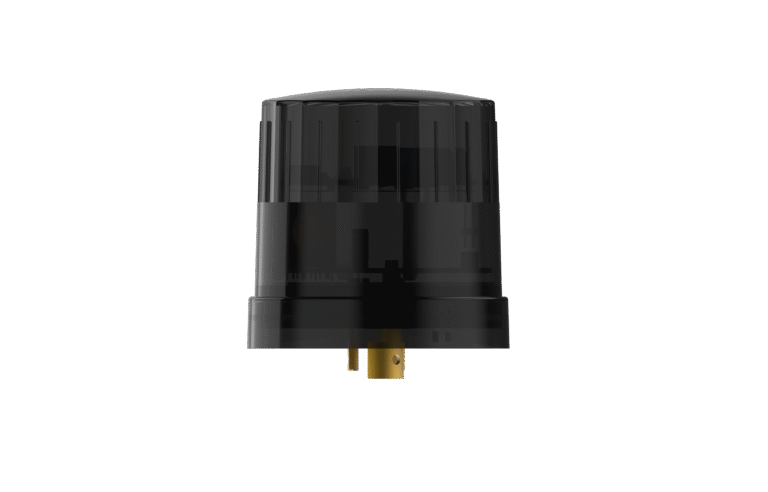
| ANSI C136.10 | Physical and Electrical standards for Locking-Type Photocontrol Devices and Mating Receptacles | Defines standards for 3-pin photocontrol sockets used in outdoor luminaires. | |
| UL | UL 1598 | Safety standards for luminaires | Certifies luminaires for safe installation and use in dry, damp, and wet locations. |
| UL 8750 | Light Emitting Diode (LED) Equipment for Use in Lighting Products | Covers safety requirements for LED modules used in lighting equipment. | |
| IESNA | LM-79-08 | Electrical & Photometric Measurement of LED light | Standard for testing LED luminaire electrical and photometric properties in laboratories. |
| LM-82-12 | Characterizations of LED Light Engines and LED Lamps for Electrical and Photometric Properties as a Function of Temperature | Assesses LED performance under varying temperatures for real-world conditions. | |
| LM-84-14 | Measuring Luminous Flux and Color Maintenance of LED Lamps, Light Engines, and Luminaires | Evaluates luminous flux and color stability over time. | |
| IESNA LM-80-08 | Measuring Lumen and color Maintenance of LED light sources | Tracks lumen and color shifts in LEDs to ensure quality over their lifespan. | |
| Book 13 Zhaga | Zhaga standards for LED driver | Sets compatibility guidelines for interchangeable LED drivers. | |
| Book 18 Zhaga | Zhaga standards for Zhaga socket | Ensures standardization of sockets for LED modules and sensors. | |
| Book 20 Zhaga | Zhaga standards for sensor | Provides compatibility guidelines for sensors in smart lighting systems. | |
| ISO | ISO 9001 | Quality management system of factory | Ensures factory operations meet international quality management standards. |
| ISO 14001 | Environmental management system of factory | Certifies that a factory adheres to environmental best practices and sustainability goals. | |
| ISO 45001 | Occupational health and safety management system of factory | Protects worker safety and promotes healthy work environments. | |
| ISO 50001 | Energy management system of factory | Promotes energy efficiency and systematic energy management practices. | |
| ISO 9227 | Corrosion tests in artificial atmospheres – Salt spray tests | Verifies product resistance to corrosion for longevity in harsh environments. |
Let me know if you need further details or modifications!
Conclusion
In conclusion, LED lighting certification standards and the associated certification marks play a pivotal role in ensuring the quality, safety, and performance of LED street lights. These standards are not just regulatory requirements but are instrumental in building trust among consumers and businesses alike. Certifications such as CE, UL, ENEC, CB, EMC, and RoHS compliance are essential for LED street light manufacturers looking to enter global markets and demonstrate their commitment to product excellence.
Certification bodies around the world, including Notified Bodies in the EU, Underwriters Laboratories (UL), various European Certification Bodies, and the CB Scheme, are responsible for evaluating LED lighting products to ensure they meet the stringent standards set forth. Their thorough testing and assessment procedures contribute to the reliability and credibility of LED street lights.
As the lighting industry continues to evolve and embrace sustainable and energy-efficient solutions, adhering to these certification standards becomes paramount. It not only safeguards the well-being of end-users but also encourages innovation and quality improvement within the LED lighting sector.
In the ever-expanding landscape of LED street lighting, manufacturers and consumers alike must remain vigilant in seeking products that bear these certification marks, as they serve as beacons of quality, safety, and environmental responsibility. LED lighting certifications are more than just labels; they represent a commitment to a brighter, more sustainable future for our cities and communities.
References
- ZGSM. (n.d.). LED lighting certification standards – certification marks and bodies. Retrieved from https://zgsm-china.com/blog/led-lighting-certification-standards-certification-marks-and-bodies.html
- Industrial LED Solutions. (n.d.). IP65 LED Street Lights, LED Street Light, Industrial Lighting, Manufacturer. Retrieved from https://industrialledsolutions.net/certifications.html
- New York State Energy Research and Development Authority (NYSERDA). (n.d.). LED Streetlights Toolkit. Retrieved from https://nyserda.ny.gov/All-Programs/Clean-Energy-Communities/High-Impact-Actions/Toolkits/LED-Streetlights-Toolkit
- AGC Lighting. (n.d.). Certificate. Retrieved from https://agcled.com/products-certificate.html
- LED Light Expert. (n.d.). What Certification is Required for LED Lights? Retrieved from https://ledlightexpert.com/led-certification-required
- Lamp Shining. (n.d.). LED Street Lights 150W ENEC Certification Manufacturing. Retrieved from https://lampshining.com/led-street-lamp/150w-led-street-light-19500-lumen.html
- Dialight. (n.d.). Certifications. Retrieved from https://dialight.com/resources/certifications/
- ZGSM. (n.d.). Safety and structural requirements of street lighting. Retrieved from https://zgsm-china.com/blog/safety-and-structural-requirements-of-street-lighting.html
- AGC Lighting. (n.d.). LED Lighting Certifications You Need to Know. Retrieved from https://agcled.com/blog/led-lighting-certifications-you-need-to-know.html
- Leboda Lighting. (n.d.). 10 LED Lighting Certifications You Need to Know. Retrieved from https://lebodaworld.com/led-lighting-certification