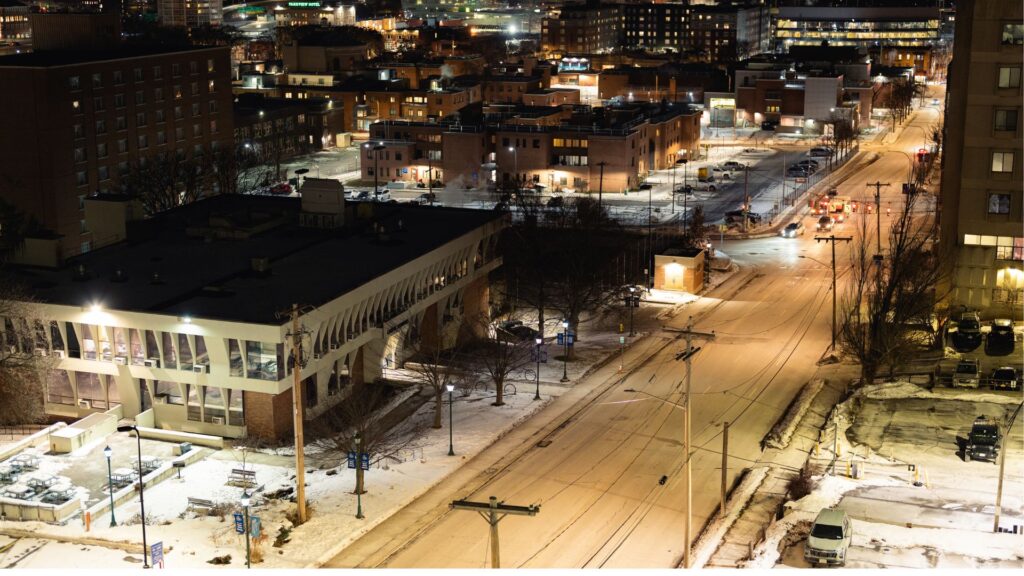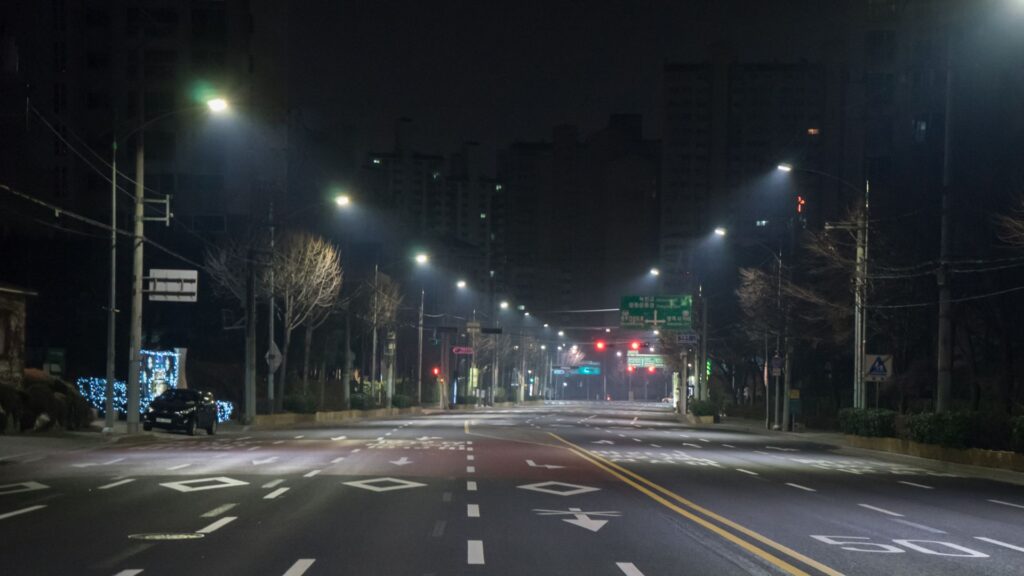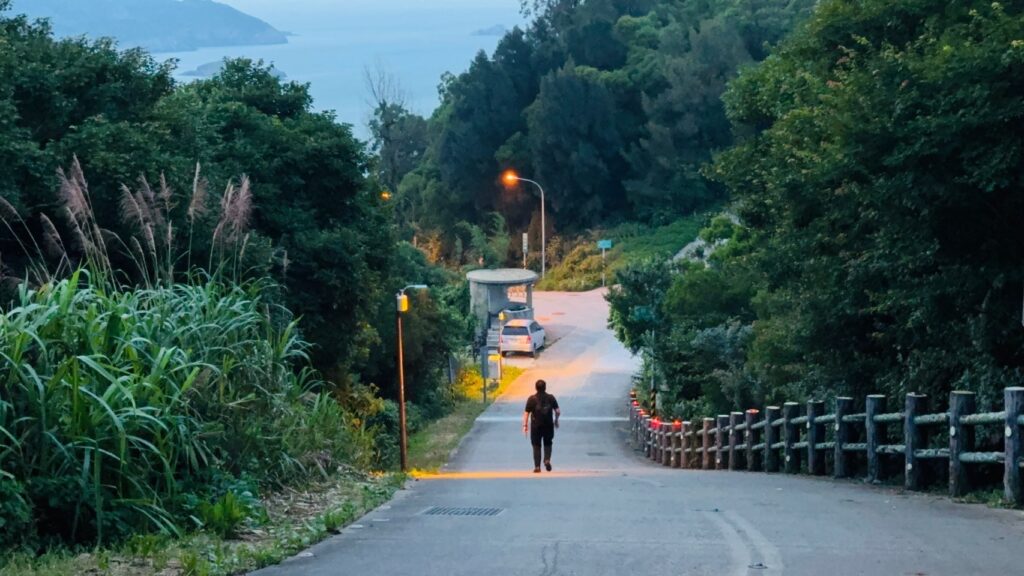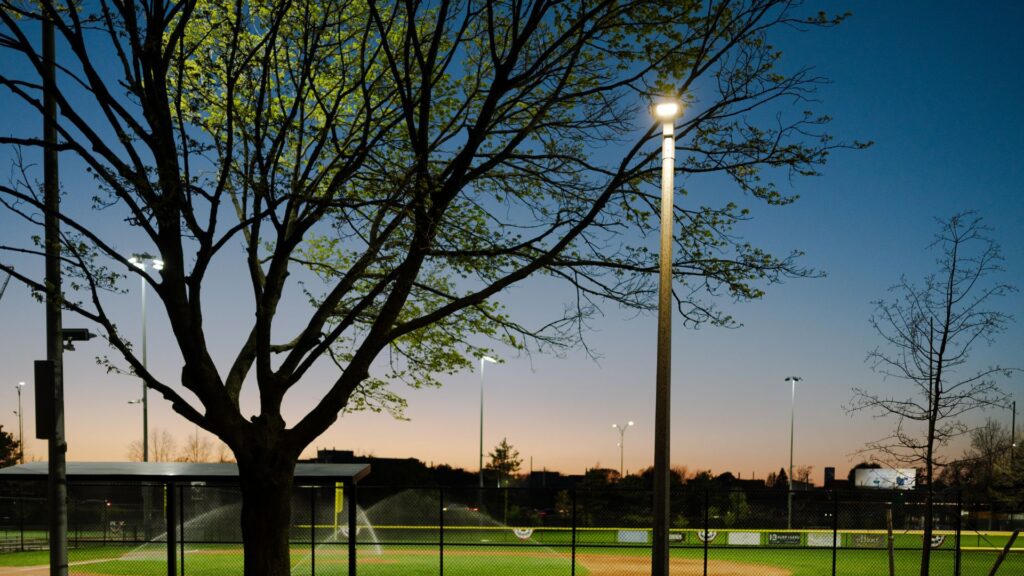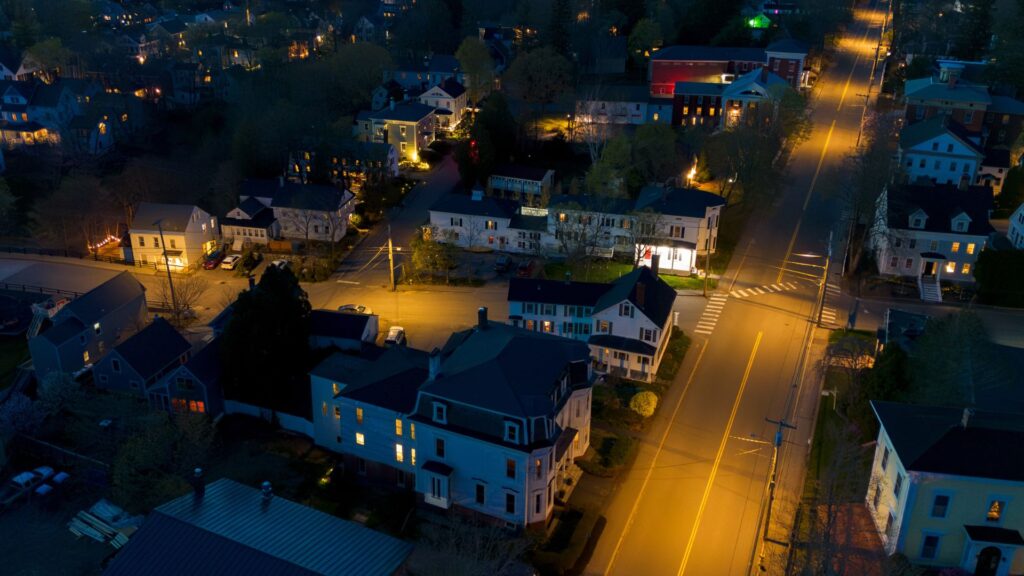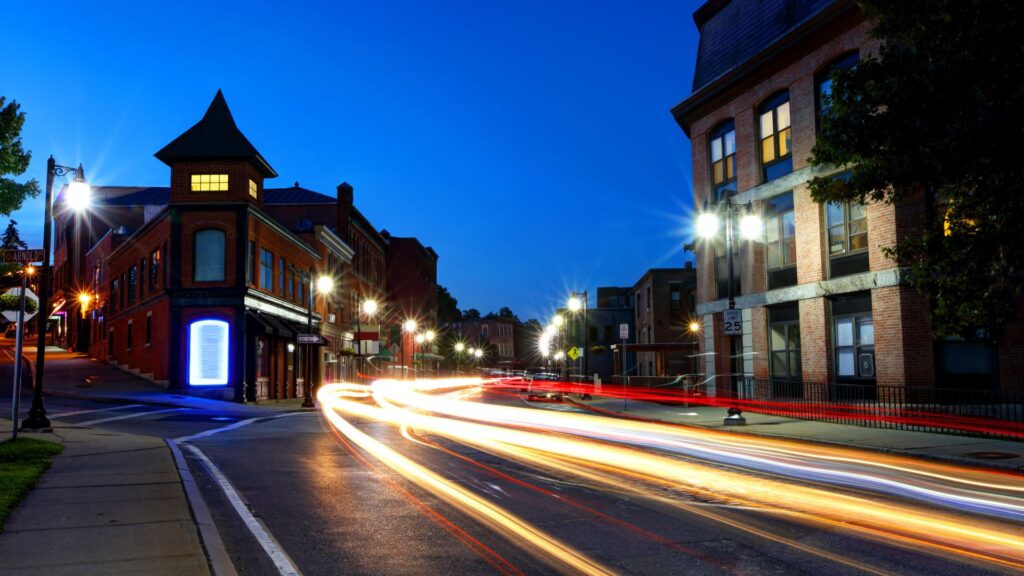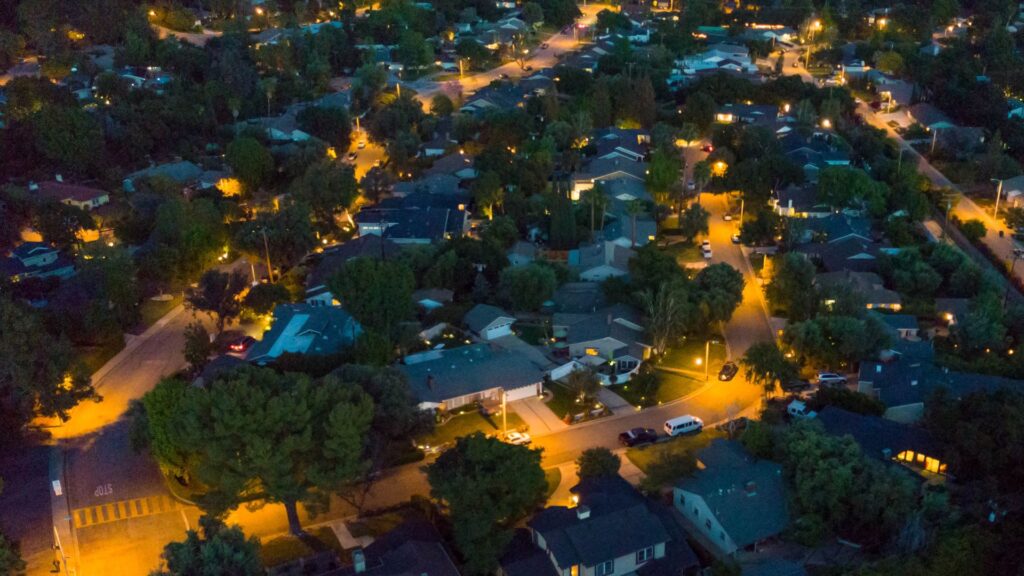

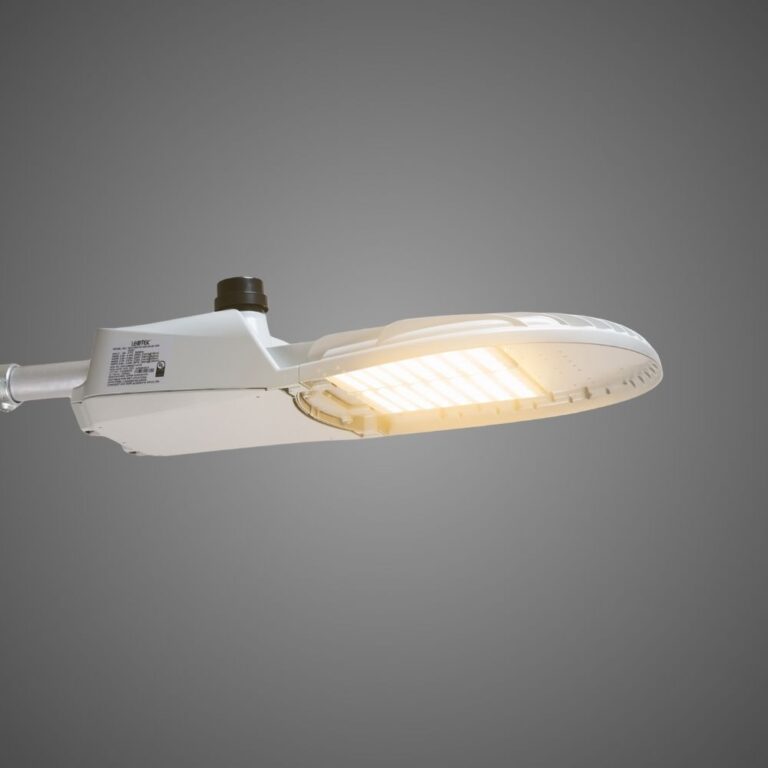
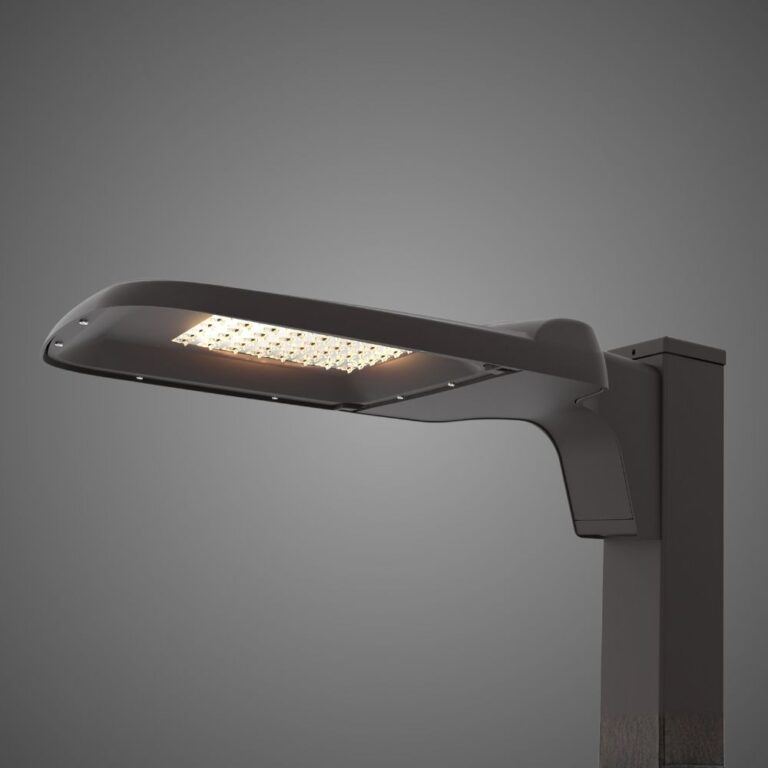
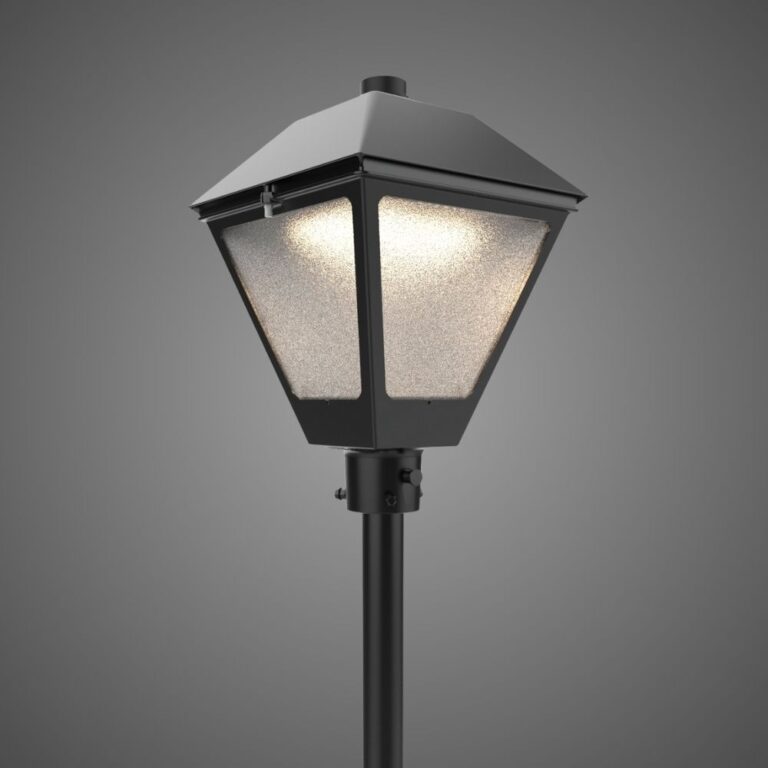
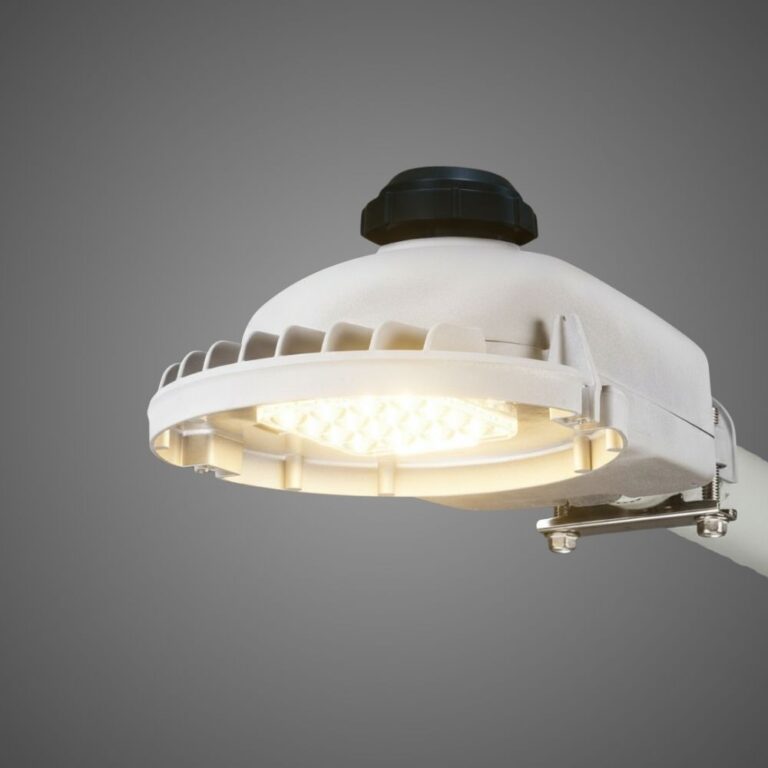
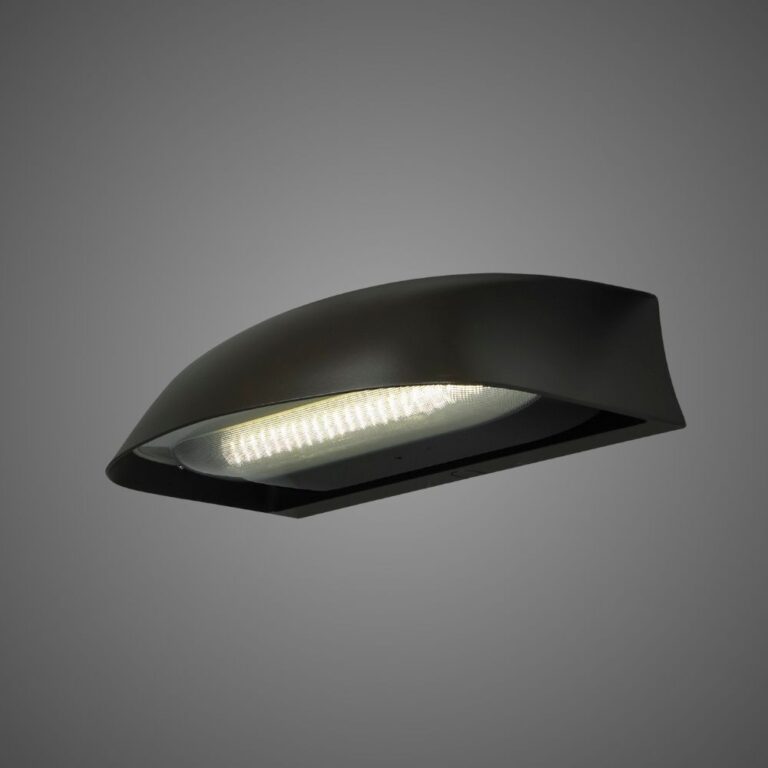
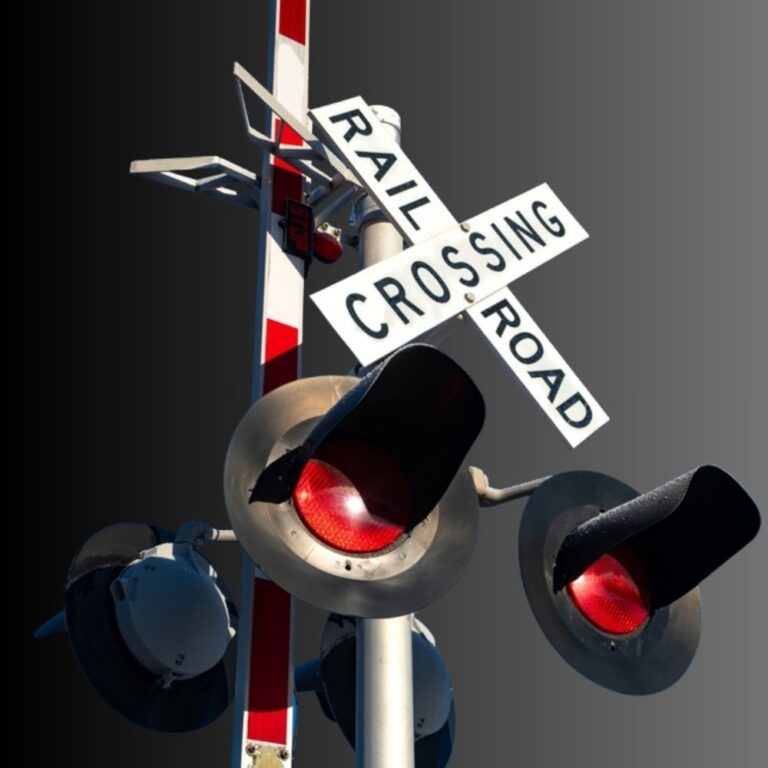
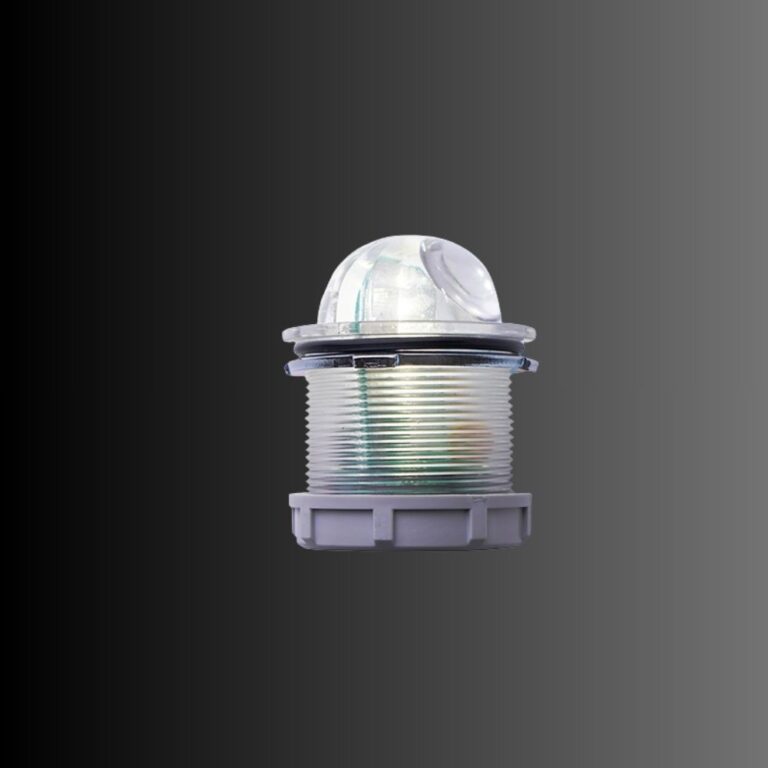
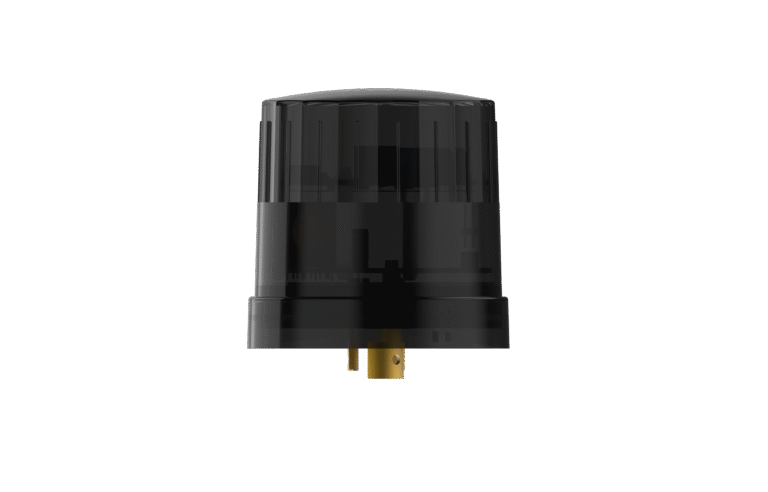
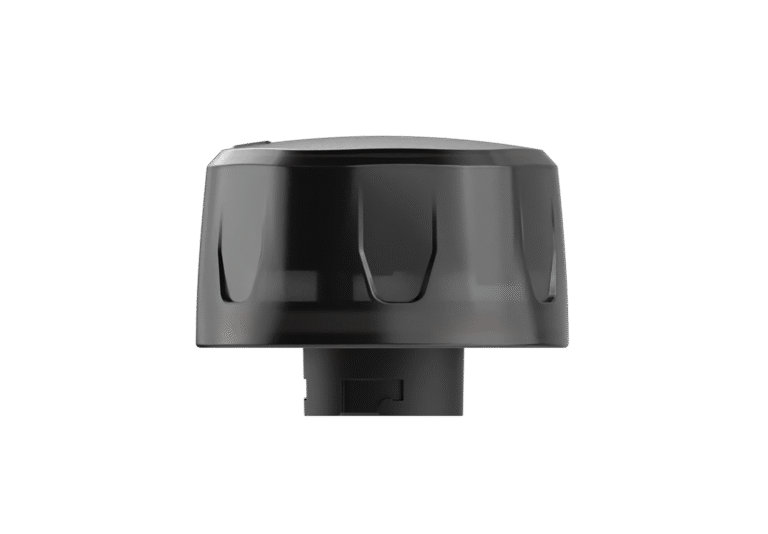

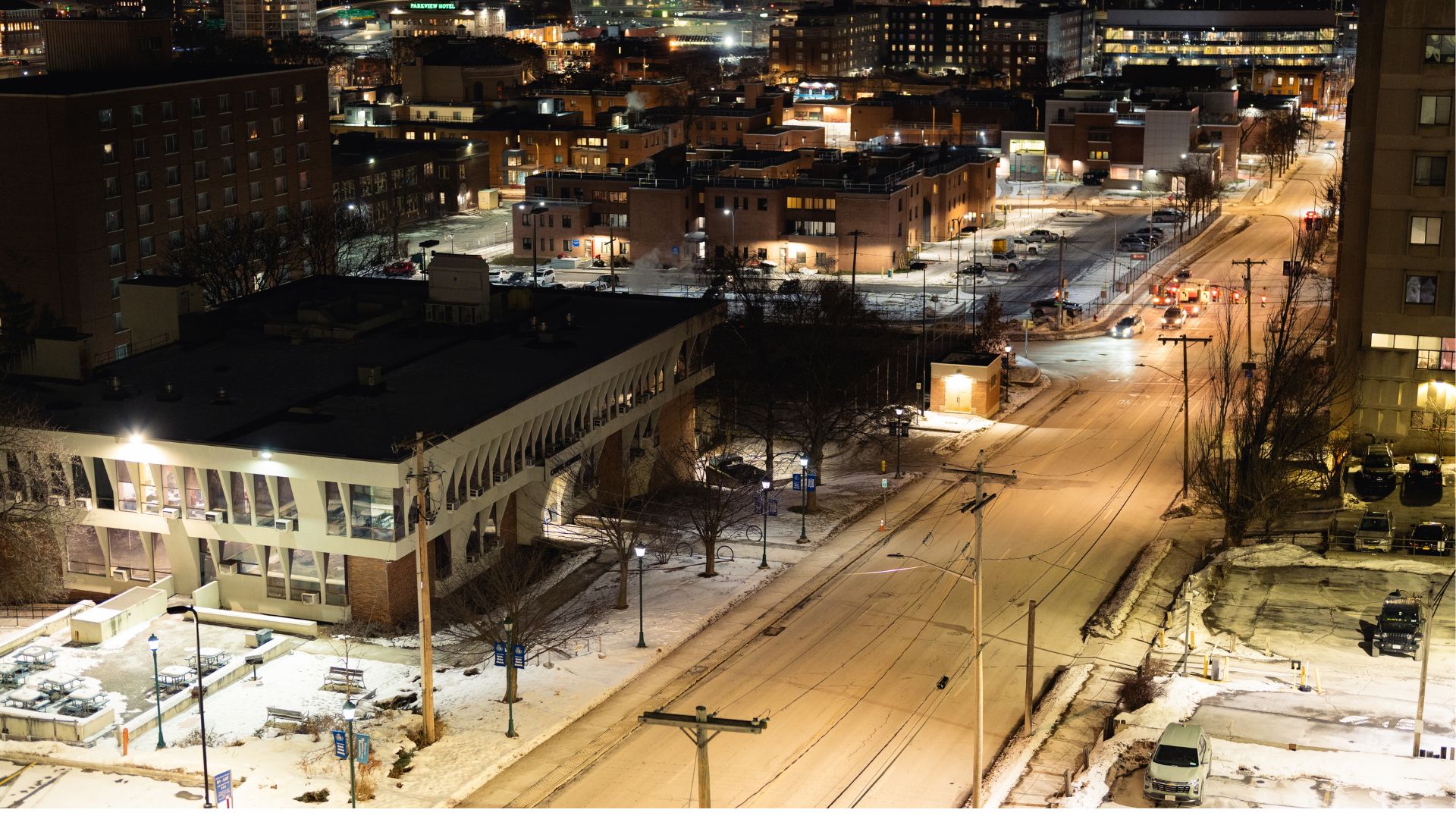
It is late at night. As you drive home, have you ever noticed the street lights above your head? In recent years, for the sake of energy saving and brightness, major cities around the world have replaced traditional yellow sodium lights with LED street lights that emit white light, or even a piercing blue-tinted light. Many people intuitively believe: “The whiter the light, the more it resembles daylight; surely, we can see things more clearly, making driving safer?”
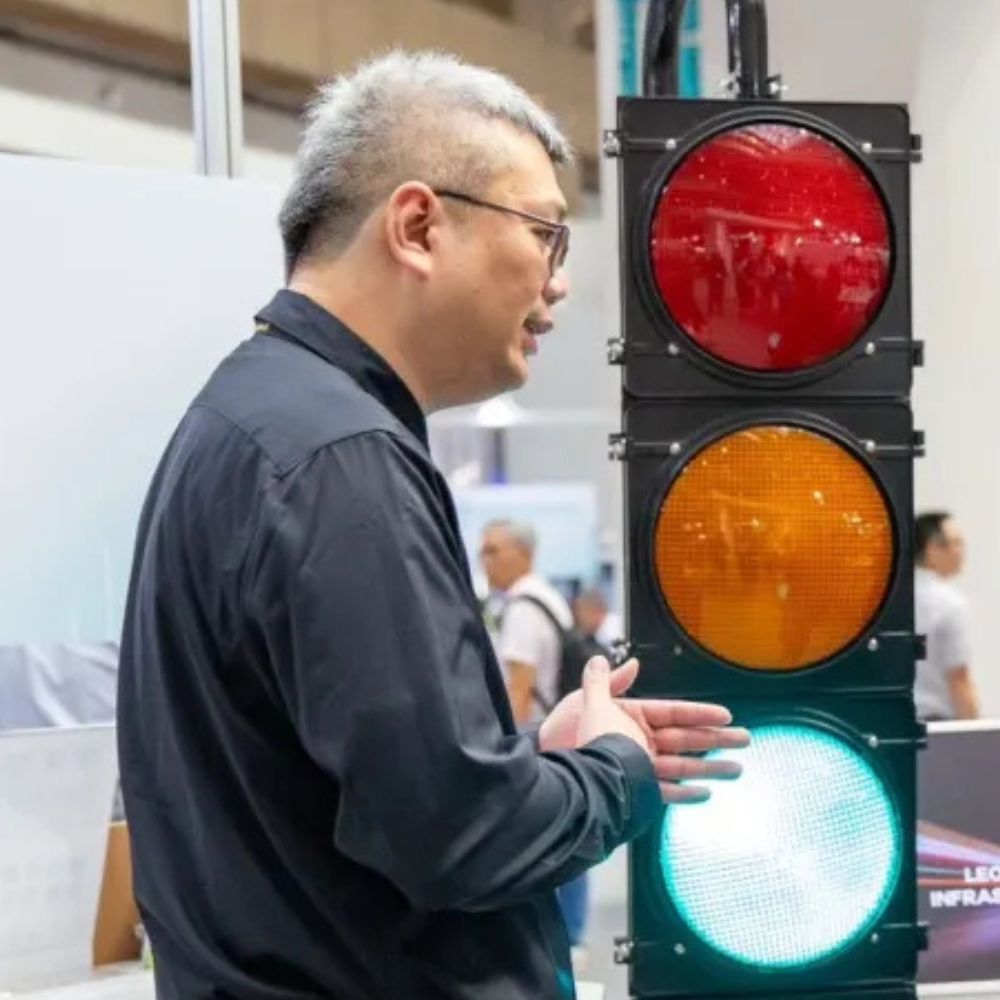
However, according to the latest scientific research, this intuition might be completely wrong. In fact, street lights that are too white may cause you to “misjudge,” and in certain weather conditions, they can even become a killer on the road. A heavyweight study conducted by LEOTEK and National Tsing Hua University, published in the authoritative journal Transportation Research Part F, reveals the shocking relationship between color temperature and driving safety. Today, I am not only going to tell you why “dead white light” is bad, but also introduce you to a smarter future trend—”Dual Color Temperature Street Lights.”
Our Eyes are “Picky Eaters” at Night
First, we need to debunk a myth: the way our eyes work at night is completely different from how they work during the day.
- Daytime Eyes (Photopic Vision): Rely on cone cells; sensitive to color.
- Nighttime Eyes (Mesopic Vision): When we drive at night with street lights, our eyes function in a state between “bright” and “dark.” At this time, both cone cells and rod cells are working simultaneously.
In this awkward state of “Mesopic Vision,” the eye’s reaction to the color of light is very subtle. Many past standards were established in fully bright laboratory environments, ignoring this specific physiological state at night, leading to our misunderstanding of street light color temperature.
Scientific Evidence: Light That is Too White (5000K) Actually Dazzles You
To find the safest color, the research team simulated a real driving environment and tested effects ranging from yellow light (1800K) to cool white light (5000K). The results revealed a “non-linear” phenomenon:
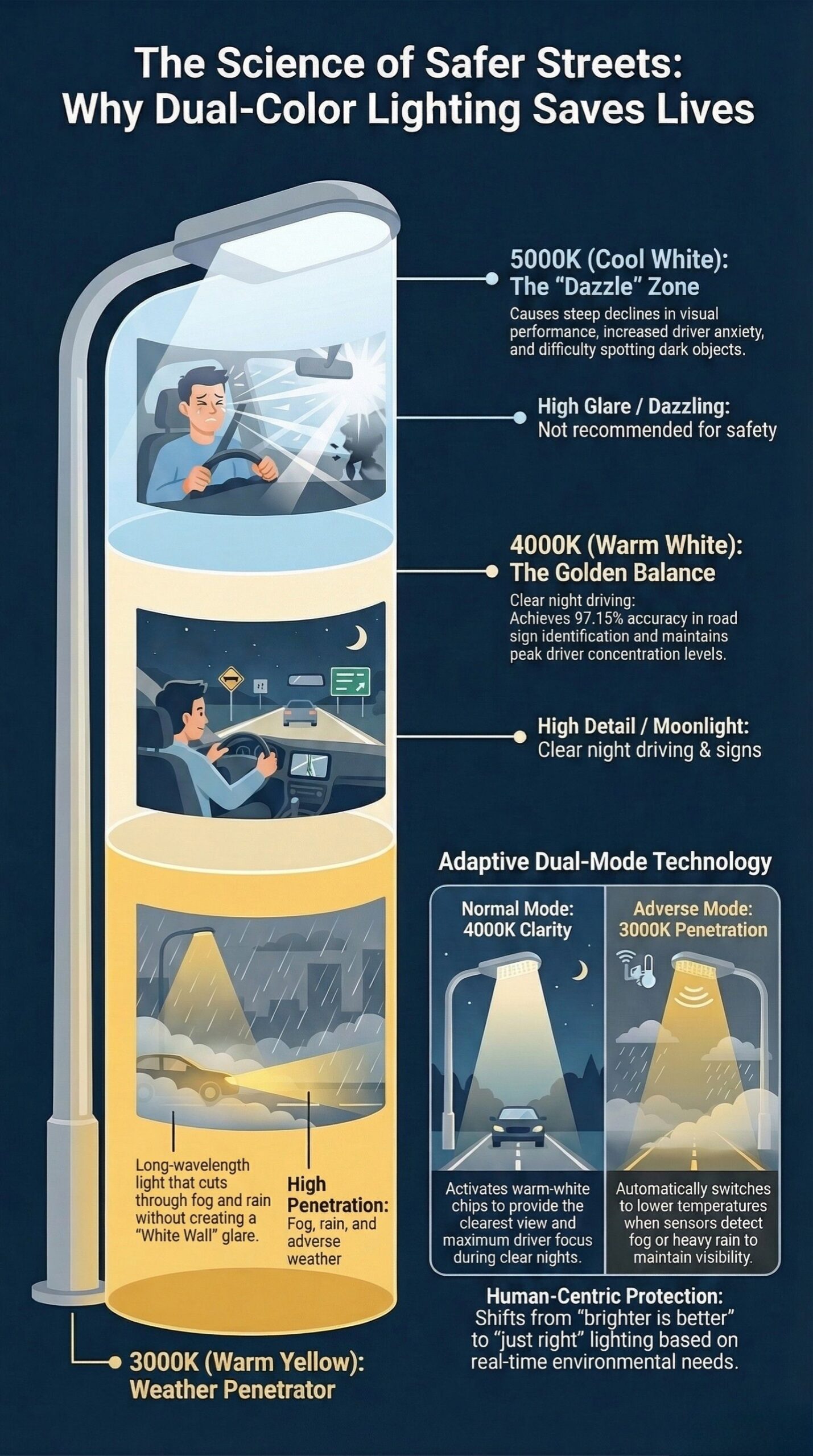
- Research Finding: When the street light color temperature reaches 5000K (Cool White), driver visual performance suffers a steep decline. Under this light, you need objects to have higher contrast to see them. In other words, if there is a pedestrian wearing dark clothes on the roadside, you might find it harder to spot them under 5000K white light than under warm light.
- Increased Driver Anxiety: Psychological tests also showed that under higher color temperature (whiter) lighting, the driver’s Tension levels rose significantly. Although white light is bright, it makes people feel tense and prone to fatigue.
The Golden Balance Point: 4000K Warm White Light
Since “too white” is bad, what light should be used? The study gave a clear winner: 4000K.
- Most Accurate Reading: Under 4000K lighting, drivers achieved the highest accuracy in identifying road sign text, reaching 97.13%.
- Highest Concentration: Drivers also maintained the best Concentration for information reporting under this light color.
4000K is like gentle moonlight at night; it achieves a perfect balance between “seeing details clearly” and “visual comfort,” making it the optimal color temperature recommended by current research for general roads.
Why Do We Need “Dual Color Temperature Street Lights”?
At this point, you might ask: “Since 4000K is the best, shouldn’t we just replace all street lights in the country with 4000K and call it a day?”
It’s not that simple, because the weather changes. This is where the value of “Dual Color Temperature Street Lights” (Variable Color Temperature Street Lights) lies.
This study specifically mentioned the impact of weather on light:
- Clear Nights: As mentioned, 4000K is the best choice, balancing clarity and concentration.
- Fog or Rain: In these conditions, white light is at a disadvantage. The research cited field experiment data pointing out that in foggy conditions, lower color temperatures (warm yellow light around 3000K) actually provide better visibility. This is because long-wavelength yellow light has stronger penetration and is less likely to produce the “White Wall Effect” in fog (where light is reflected back by moisture, causing a whiteout in front of your eyes).
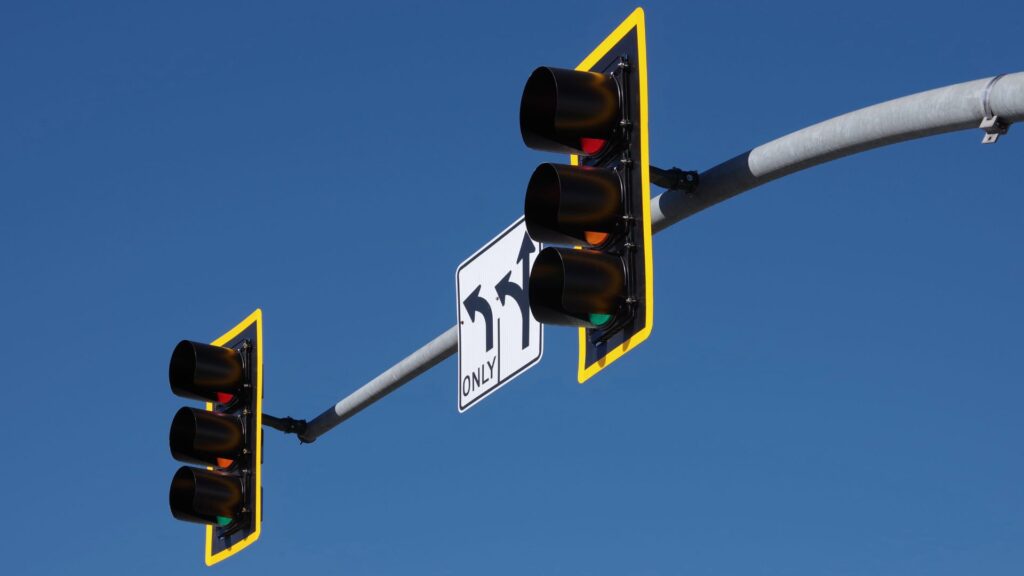
The benefit of “Dual Color Temperature Street Lights” is exactly this:It can “transform” according to environmental needs.
- Normal Mode: Activates 4000K chips to provide the clearest, most comfortable driving view, helping drivers focus on reading road signs.
- Adverse Weather Mode: When heavy rain or thick fog is detected, it automatically switches or mixes light to 3000K or even lower yellow light. This not only maintains penetration power but also avoids the glare produced by white light in fog, truly achieving “location-specific” lighting protection.
Conclusion: Lighting isn’t about “The Brighter the Better,” but “Just Right”
Currently, regulations for street lights vary across countries. France limits lighting to under 3000K for ecological reasons, while Taiwan has not yet mandated regulations, leading to the common presence of 5000K white street lights on roads.
This scientific research reminds us: Road lighting should not blindly pursue high color temperatures. Although 5000K light looks very “modern,” physiologically, it may lower our ability to detect danger. In the future Smart City, the ideal street light should not have just one color. It should be like a chameleon: guarding your concentration with 4000K normally, and breaking through the haze with 3000K on foggy days. This is technology with a human-centric approach—the gentlest form of protection.
References
Investigating the effect of road lighting color temperature on road visibility at night – ScienceDirect https://www.sciencedirect.com/science/article/abs/pii/S136984782500436X