
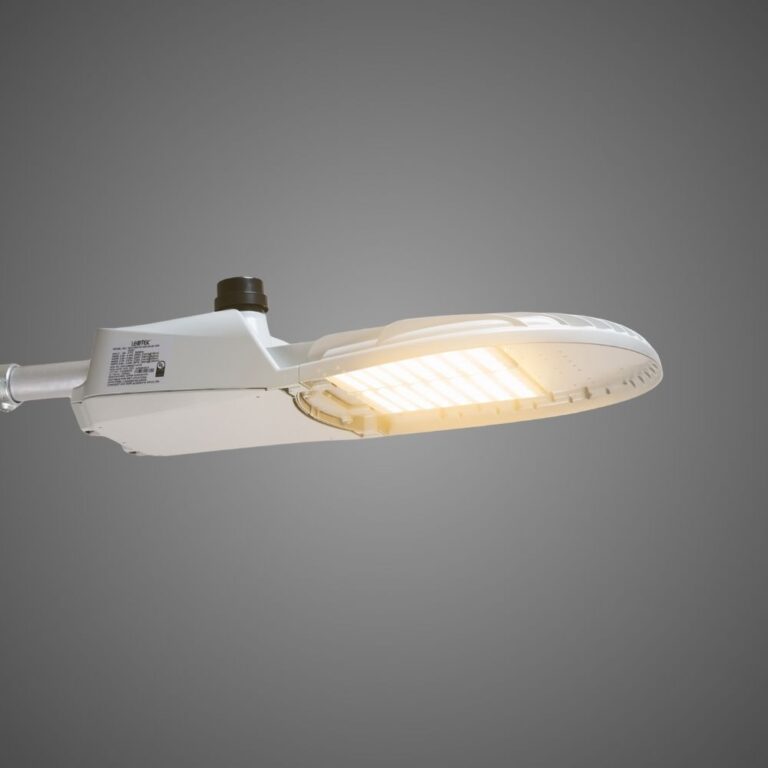
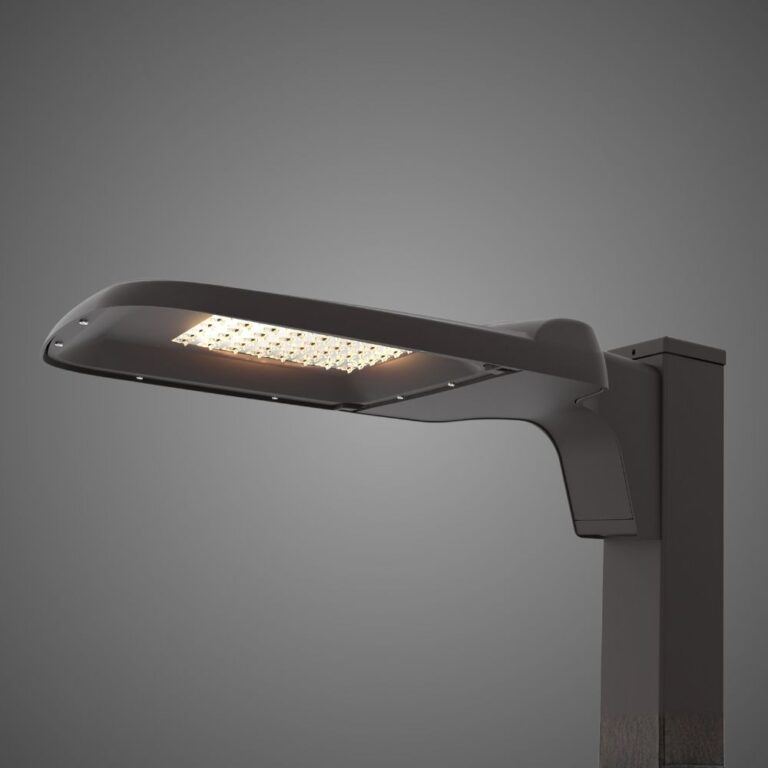
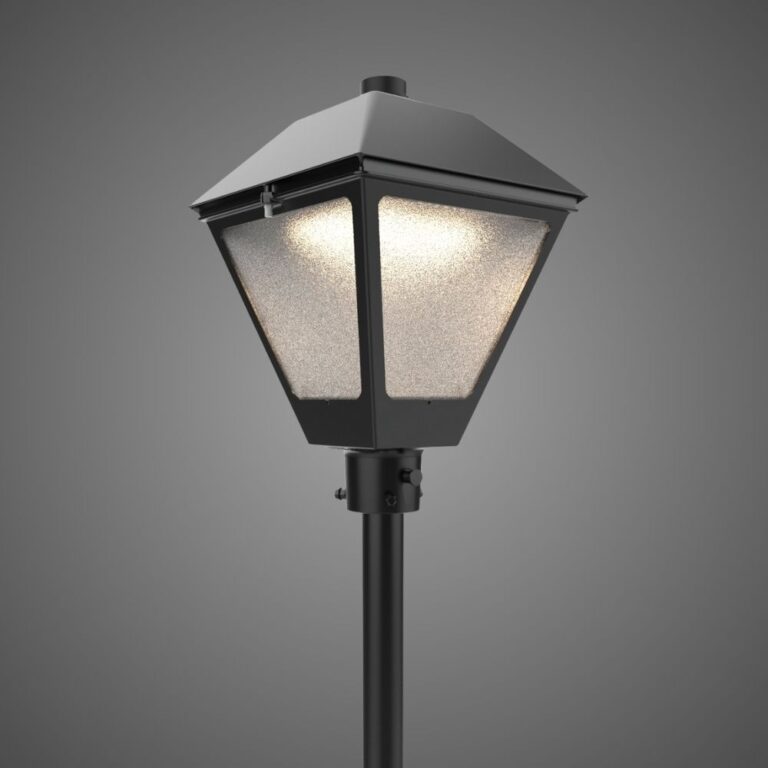
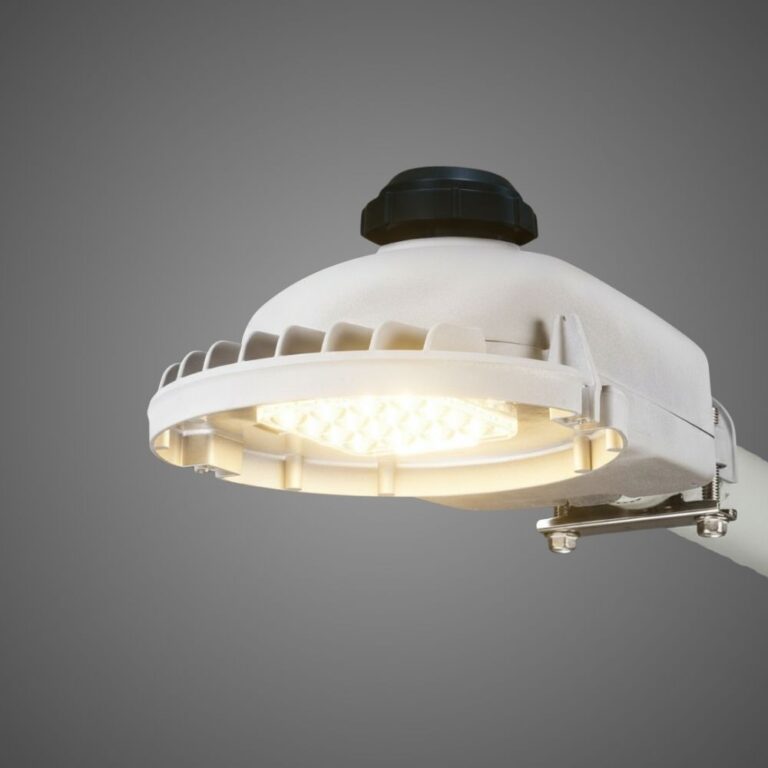
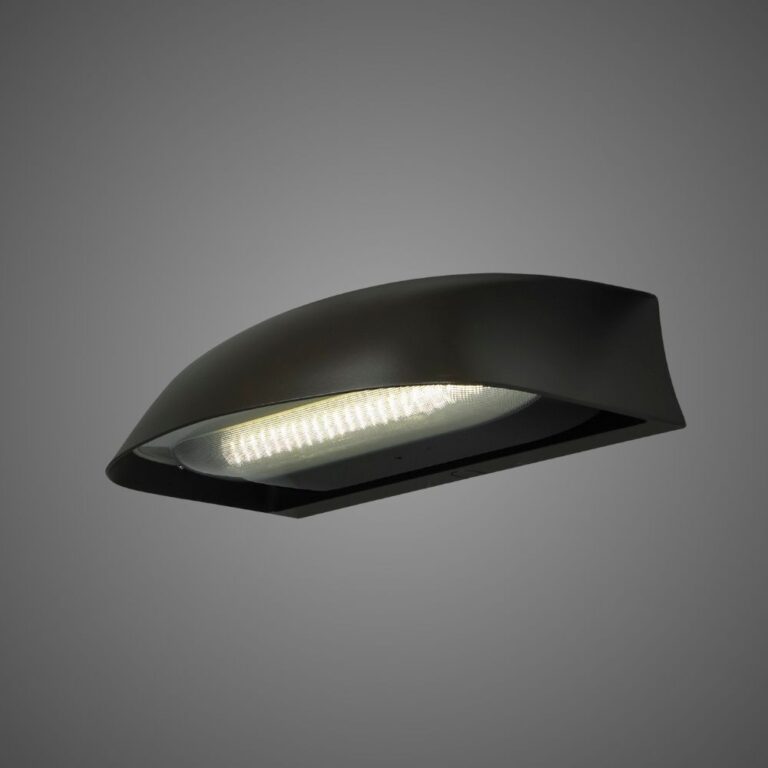


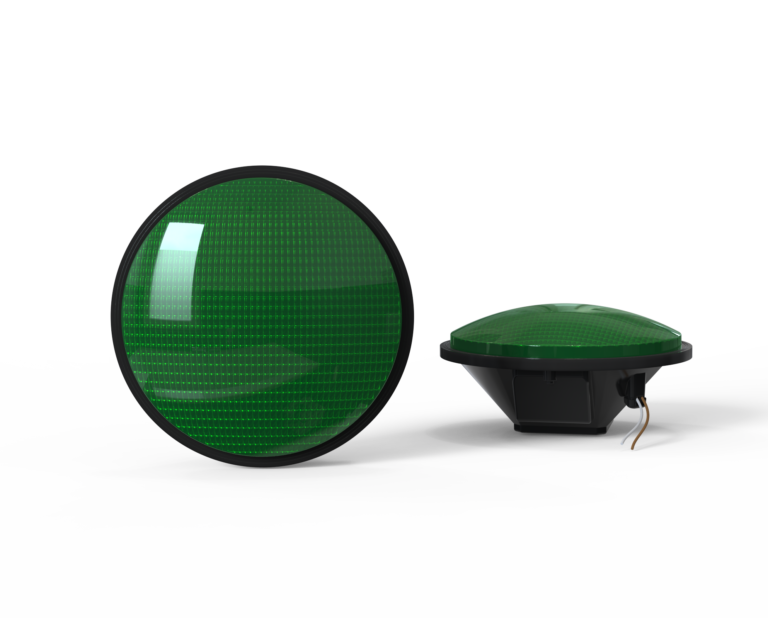

ECOridge™
Protecting Endangered Species and Illuminating a Sustainable Future
Ecological Lighting

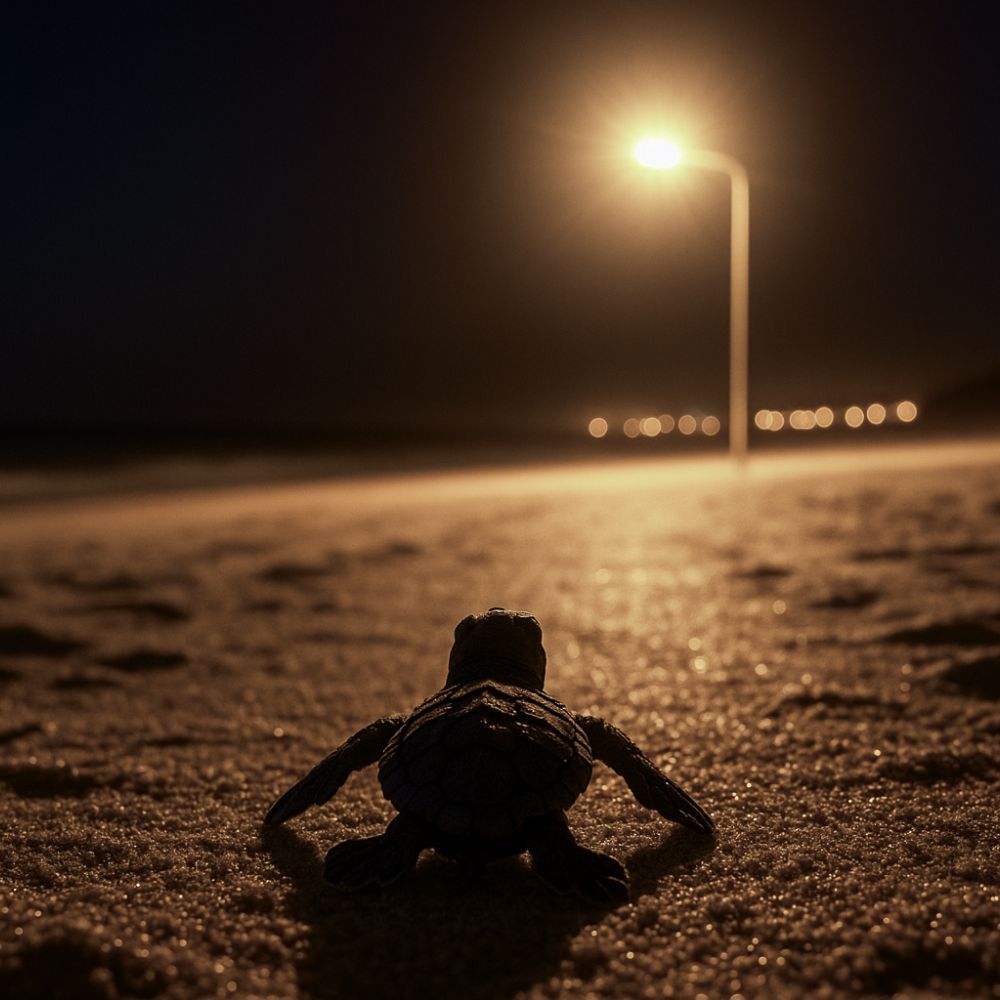
Light impacts life. We make sure it does so wisely.
That’s why we design lighting solutions that respect both human needs and ecological balance, helping cities shine without dimming nature’s rhythm.
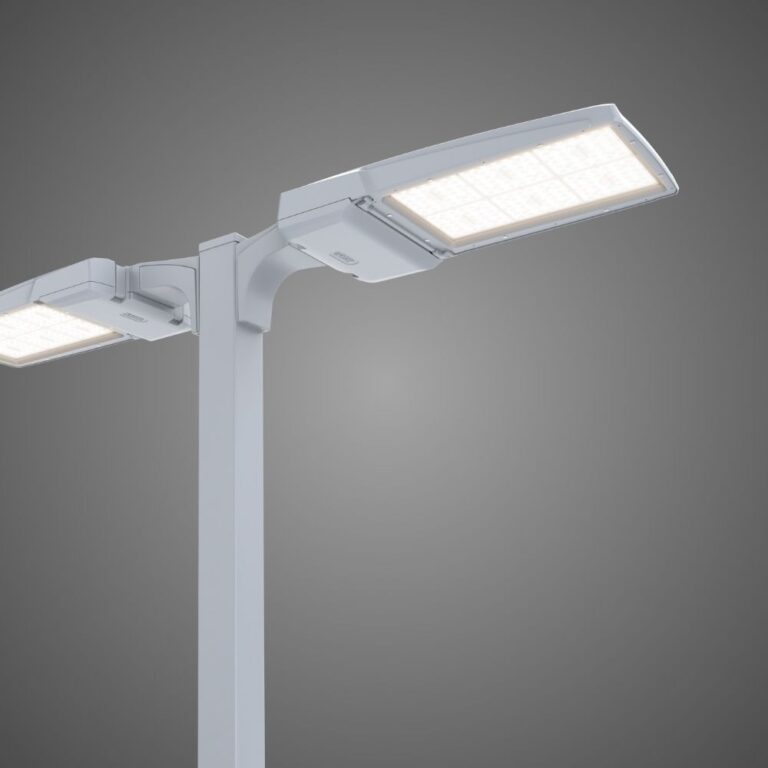
ECOridge Ecological Lighting was born to protect the fragile yet precious lives affected by artificial light.
By combining advanced optical engineering with our patented blue-light filtering technology, we actively eliminate wavelengths that disrupt biological rhythms and navigation. Our lighting is designed to serve human needs—while minimizing interference with nocturnal wildlife.

Ethan Peng
Optical Development Manager @LEOTEK
“What is low-blue-light ecological lighting technology?
What is an eco-friendly spectrum?”
An eco-friendly spectrum refers to a spectral combination used in luminaire design and wavelength tuning that intentionally avoids specific bands that may be harmful to human health or the ecological environment, while selecting a spectrum that is “friendly” to nocturnal animals, ecosystems, and human biological rhythms.
Low-blue-light ecological lighting technology refers to purposefully adjusting the spectral composition of light emitted by a luminaire to reduce the intensity of the blue-light band (approximately 400–500 nm), thereby decreasing interference with human health, animal behavior, and the overall ecological environment.
Patented eco‑friendly spectrum engineering
Precisely filters blue light and other sensitive bands that can disturb phototactic species such as sea turtles and fireflies—helping protect nighttime behavior in critical habitats.
Cross‑disciplinary co‑development
Developed together with experts in biology, optics, forestry conservation and related fields—enabling lighting designs tailored to different species and habitat requirements to support biodiversity.
Shielding accessories & flexible deployment
A range of shielding options lets you control beam direction and cutoff angles to reduce light spill, light pollution, and ecological interference. Compact form factors enable faster installation across coastlines, mountains, trails, and rural areas—reducing construction impact on habitats.
Designed for both safety and ecology
Optimized for challenging conditions such as fog and rain, helping reduce scattering and reflections while improving visual comfort and safety for nighttime travel.
AI‑enabled operations & remote monitoring
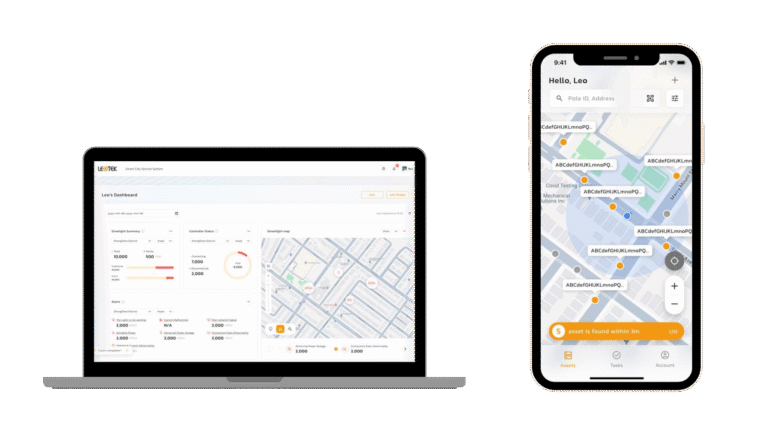
Supports intelligent inspection, fault warnings, and remote maintenance—ideal for communities, national parks, and protected areas where maintenance efficiency and safety matter
ESG & social impact by design
ECOridge™ aligns practical infrastructure needs with ecological responsibility—helping organizations advance sustainability goals while safeguarding nature.
Wildlife most vulnerable to light pollution in Taiwan
Taiwan’s diverse habitats are increasingly affected by urbanization and widespread outdoor lighting. Species particularly sensitive to light pollution include:
- Sea turtles (e.g., green and loggerhead turtles)
- Fireflies (multiple native species)
- Nocturnal insects (moths, mosquitoes, beetles, etc.)
- Amphibians and reptiles (frogs, toads, snakes, etc.)
- Migratory and habitat‑dependent birds
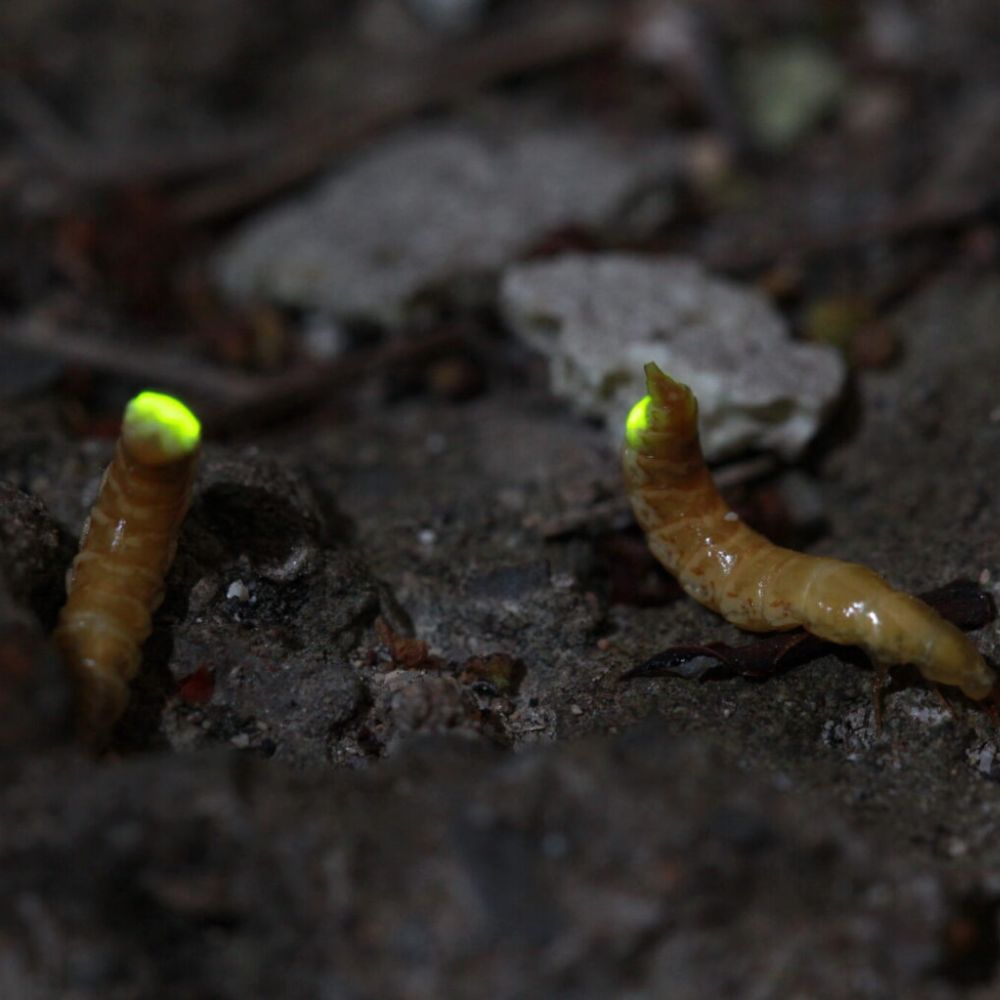
Fireflies are a key bioindicator of ecological health in Taiwan. In particular, the Dongju Yellow‑margined female‑glow firefly and the Beigan female‑glow firefly—both endemic to the Matsu Archipelago—are critically endangered, with an estimated ~200 individuals remaining on Dongju and fewer than 100 on Beigan. Because these species rely on bioluminescent signals for courtship, they are especially susceptible to disruption from artificial light at night.
Experts note that conventional streetlighting and over‑illumination are among the “three major drivers” of habitat degradation for these fireflies (alongside road construction and excessive vegetation clearing). Artificial lighting can interfere with their nocturnal behavior, mating success, and light‑based communication, further reducing the odds of population recovery.
Building Taiwan’s leading eco‑friendly light environment
LEOTEK is committed to smart, sustainable cities and inherits a strong sustainability philosophy from its parent group. With extensive experience across more than 30 countries in roadway lighting projects, we continue to innovate to help society and nature coexist in balance.
ighting a brighter future—where cities and nature thrive together.
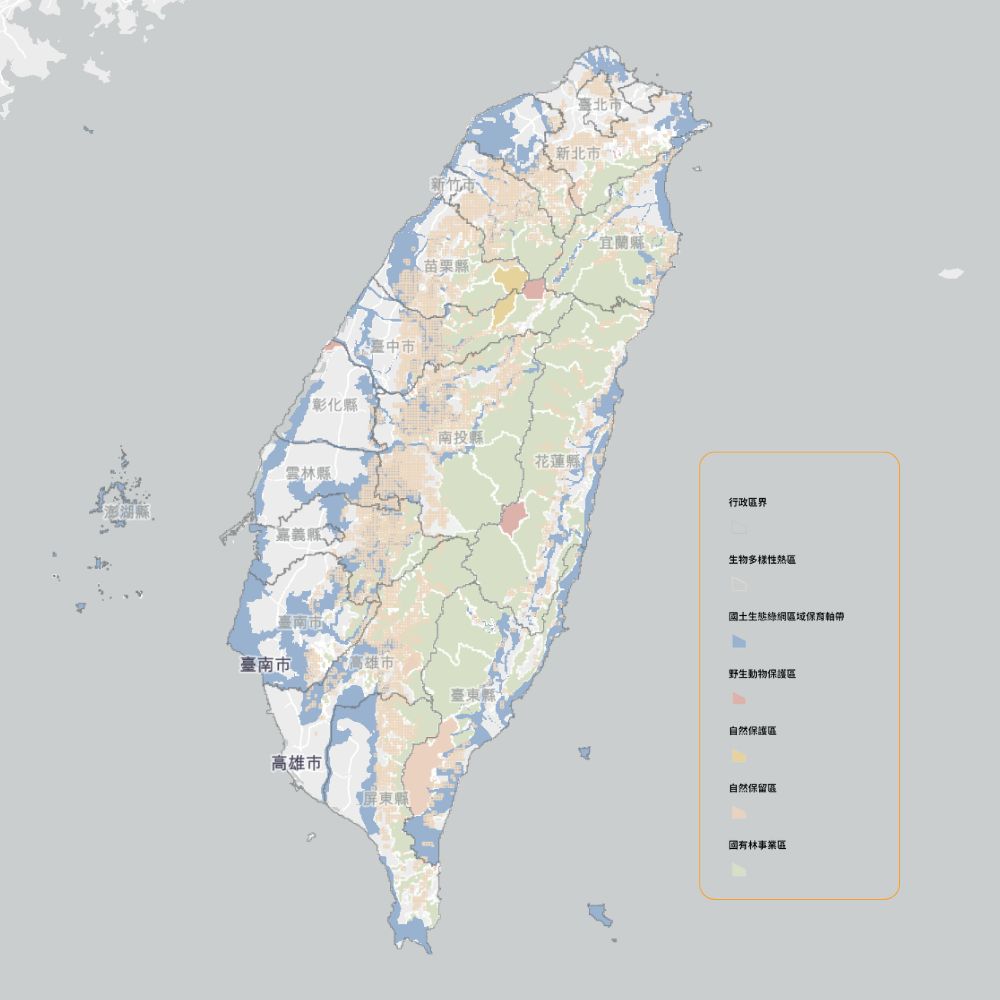
As a practitioner of cross‑sector collaboration, LEOTEK launched a multi‑year friendly lighting initiative, working with government agencies, local authorities, protected‑area management bodies, and ecological experts. The program prioritizes biodiversity hotspots—deploying optical filtering and shielding solutions at sensitive road segments to reduce ecological impacts while maintaining safe public lighting.
LEOTEK’s R&D has emphasized one guiding principle from the beginning: reduce the ecological footprint of urban development. By integrating AI, energy‑saving technologies, and low‑carbon design into smart infrastructure, we aim to redefine what urban lighting can achieve—safer, more human‑centric, and more sustainable.