


Interlux™
Intelligent Intersection Management
THE AI INFRASTRUCTURE
FOR THE AUTONOMOUS FUTURE
Enabling L4/L5 Autonomy via Live Digitization & Edge-to-Twin Technology


The Challenge: Solving the Occlusion Problem
The Limits of a Vehicle-Only View
Onboard sensor limits:
Even the most advanced LiDAR systems cannot see through buildings or around large vehicles. These non-line-of-sight (NLOS) blind spots create serious gaps in perception.
Unintelligent infrastructure:
Traditional roadside units only broadcast basic traffic light status, offering no understanding of what is actually happening in the environment.
The simulation-to-reality gap:
Traffic simulations cannot fully capture the messy, unpredictable “long-tail” behaviors of real-world roads, making it hard for autonomous systems to prepare for rare but critical scenarios.
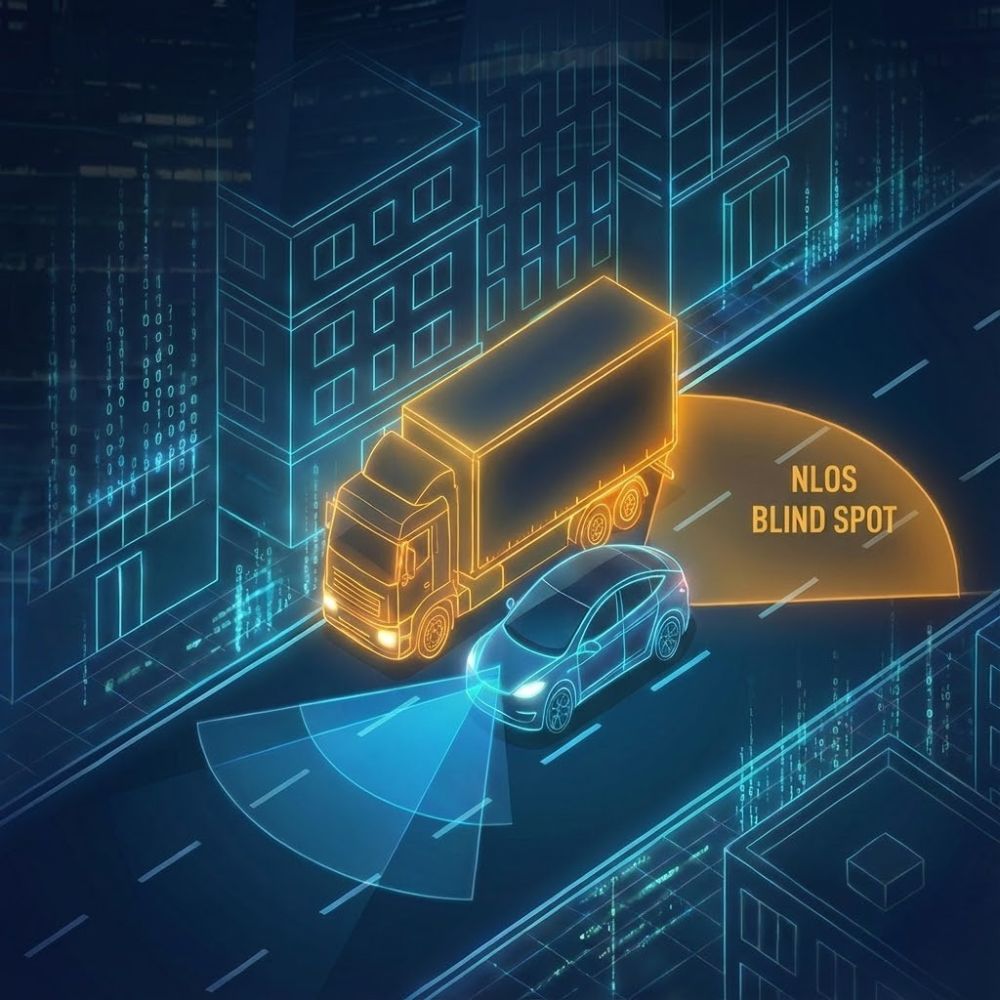
The Reality of Urban Traffic Real streets are chaotic. Large occlusions, unpredictable pedestrians, turning vehicles, and complex urban layouts all create dangerous blind spots that onboard sensors alone cannot resolve.
David Tzou - Software RD Manger
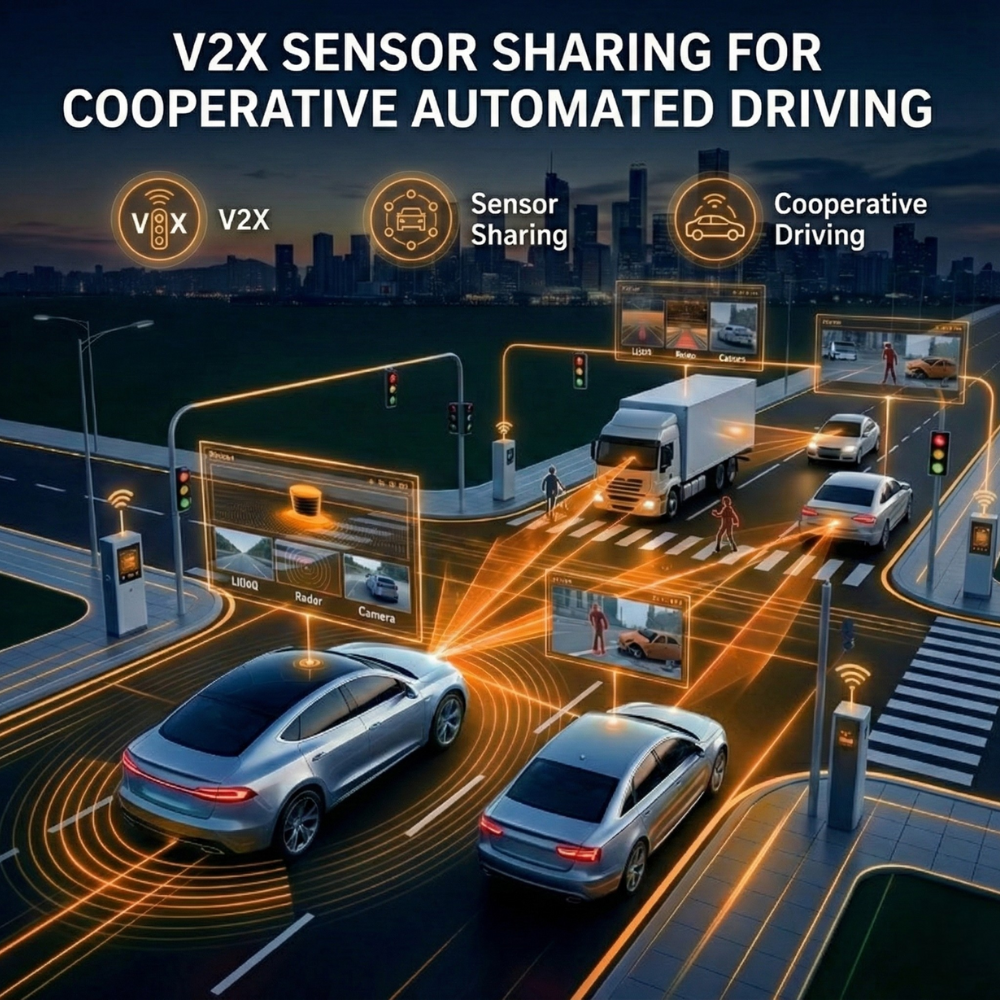
Concept 1: AI Redefining the RSU
Not Traffic Equipment — A Compute Node for the Roadway
We’re not deploying low-power microcontrollers.
We’re deploying NVIDIA Orin/Thor–class edge AI servers designed to act as intelligent, upgradeable perception engines for the entire intersection.
External Perception for Autonomous Vehicles
Think of it as an add-on brain for your AV fleet—providing additional perception from outside the vehicle, eliminating blind spots, and extending sensing capabilities where onboard sensors cannot reach.
Software-Defined Intelligence
Our RSU evolves continuously.
With over-the-air model updates (SDI/OTA), perception, tracking, and prediction algorithms improve over time without replacing hardware.
Concept 2: True Live Digital Twin
Powered by NVIDIA Metropolis
Powered by NVIDIA Metropolis
InterLUX generates a real-time digital twin of the intersection—not just bounding boxes, but full 3D understanding powered by NVIDIA Metropolis, DeepStream SDK, and NeRF reconstruction.
Beyond Detection — Real Semantic Understanding
Identifying objects is only the first step.
InterLUX interprets behavior and intent, such as a hesitant pedestrian stepping toward a crosswalk or a vehicle preparing for an unprotected turn.
Multi-Modal Output for Every Stakeholder
To Autonomous Vehicles:
SAE J3224 SDSM and ETSI CPM provide rich, intersection-level perception and NLOS awareness.
To the Cloud:
OpenUSD streaming enables high-fidelity digital twins for simulation, analytics, and infrastructure planning.
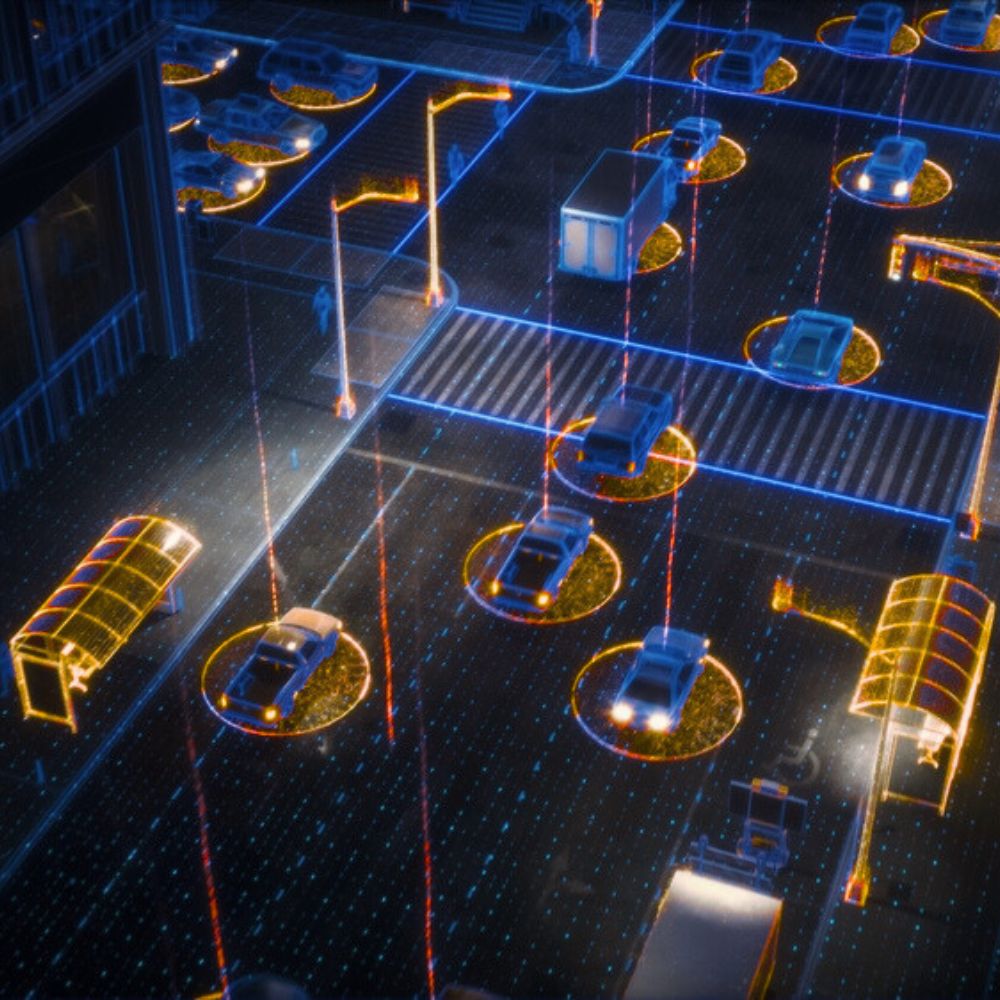
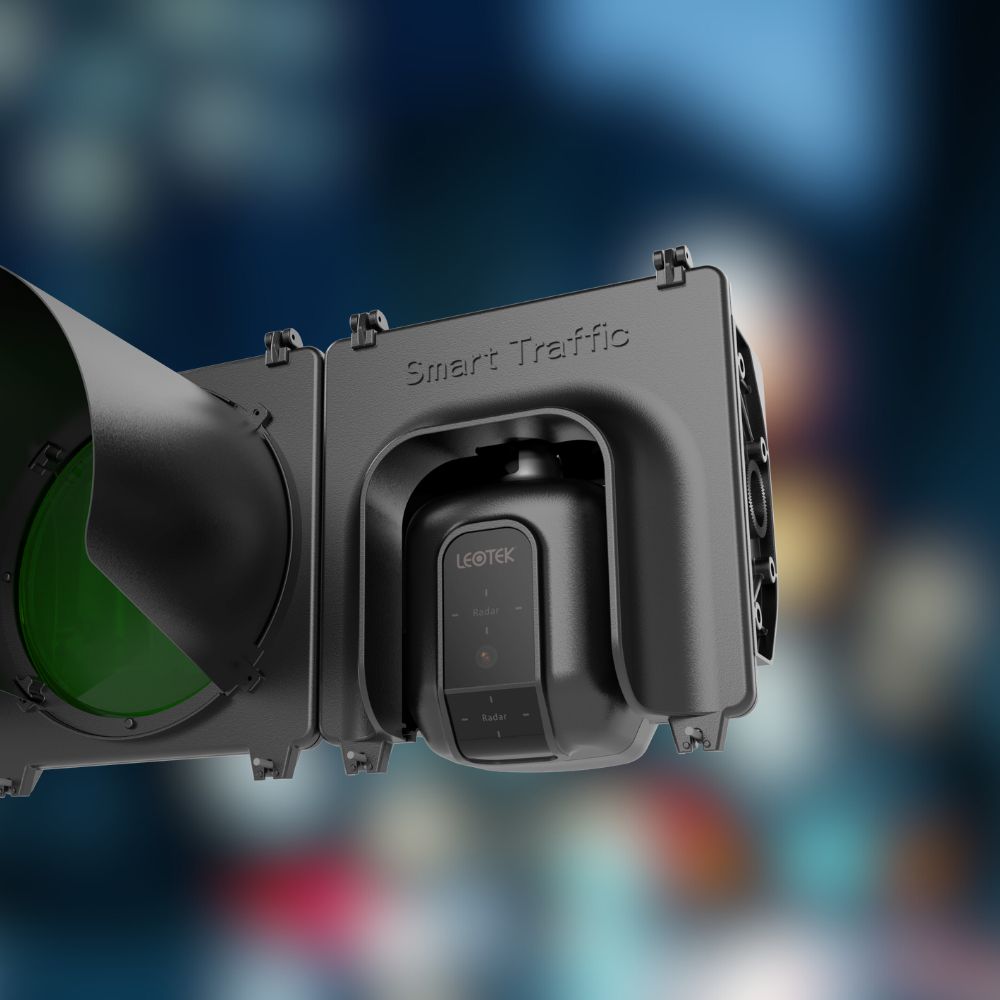
Built for High-Performance AI
**Not Roadside Equipment —
InterLUX Is Infrastructure-Grade AI Computing**
InterLUX transforms the RSU into a resilient compute node built for autonomy, delivering continuous, intersection-level intelligence that vehicles alone cannot achieve.
“AI powers every intersection, making urban transportation safer, smarter, and more sustainable.”
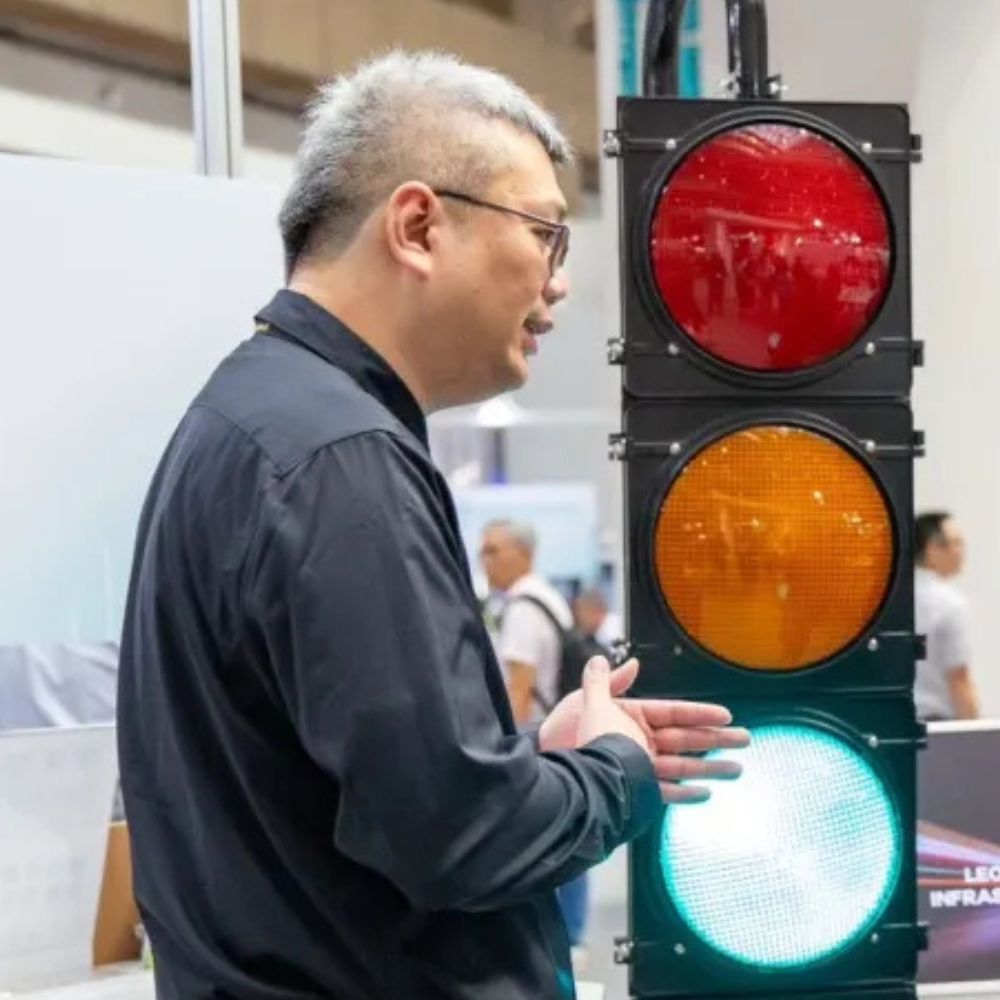
Waiting Wu
Head of Smart Mobility R&D Center
Interlux™
From passive signaling to intelligent transport management
Safer, smarter, and more efficient intersections
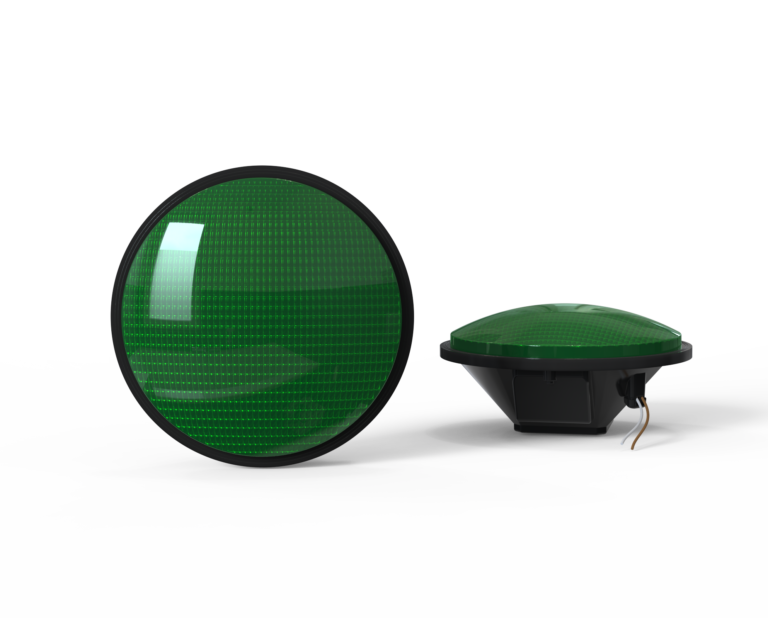
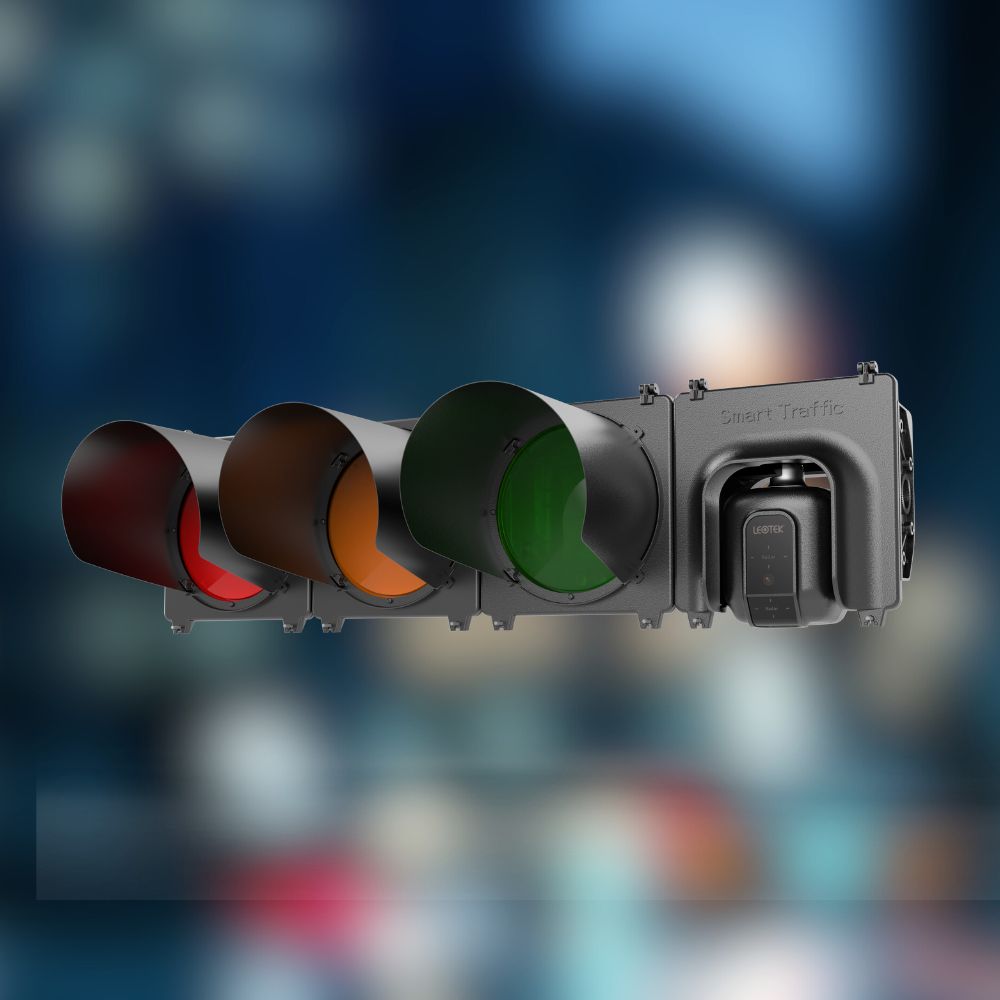
Traditional traffic light systems react slowly, causing congestion, long waits, and risks at intersections. INTERLUX transforms this reality with its six key elements. Using AI and IoT, it turns traffic lights into “smart guardians” that optimize traffic flow in real time, improve safety, and promote sustainability.
Complete detection with AIoT
It combines millimeter-wave radar and AI recognition to monitor vehicles and pedestrians, ensuring precise control.
Predictive smart decision
Predict risks and traffic changes to proactively adjust signals, eliminating delays.
Dynamic energy management
Adjust light timing to reduce vehicle downtime and optimize energy usage.
Compatible modular architecture
It integrates easily with existing infrastructure, facilitating implementation and reducing costs.
Reliable and robust technology
Industrial design resistant to extreme conditions (-40°C to +70°C, rain, snow), with international certifications such as EMC and IP66.
Connect to the RenAI smart management platform
It integrates with a central platform to optimize urban traffic management, improve flow, and move toward more efficient, emission-free transportation.
Transforming Intersections with AI
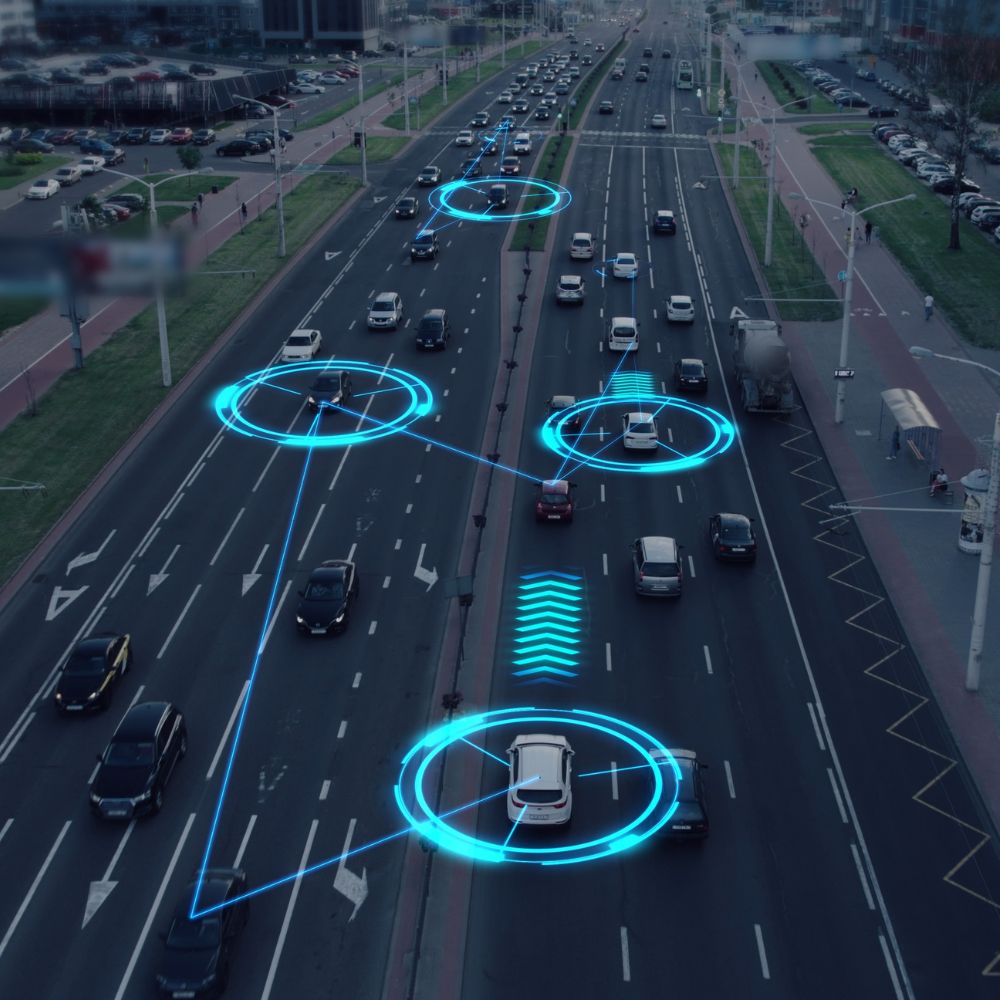
Interlux’s AI-powered smart traffic light system uses comprehensive sensing technology to integrate millimeter-wave radar, AI image recognition, and vehicle-to-everything (V2X) information. It accurately interprets all intersection dynamics, including pedestrians, cars, motorcycles, and micro-vehicles, in just one second. It also automatically identifies emergency vehicles such as ambulances and police cars, proactively adjusting signal strategies to prioritize vital and emergency traffic needs.
Using predictive AI algorithms, the system proactively detects potential risks and optimizes traffic flow in real time, effectively reducing the likelihood of accidents. Its modular design allows for simple upgrades, seamlessly integrating with existing signaling equipment without the need for major modifications. All intersection data is centrally integrated through the RenAi cloud management platform, allowing administrators to monitor and optimize traffic efficiency across the city from a single source, creating a truly people-centric smart transportation network.
"Let traffic lights understand intersections and make cities smarter."
Key infrastructure for the era of autonomous driving
As autonomous vehicles gradually become part of everyday urban life, traffic lights are no longer limited to passively indicating when the light should turn red or green; they must become intelligent nodes capable of interacting with vehicles in real time. Interlux’s AI traffic light system, with its integrated V2X (Vehicle-to-Everything) communication technology, can exchange instant information with autonomous vehicles about intersection status, traffic light timing, and even potential hazards. This helps vehicles proactively determine their driving strategies, reducing the risk of human error and collisions.
Interlux prioritizes data security and privacy compliance. All intersection data is end-to-end encrypted, and storage and transmission processes comply with international security standards (such as ISO 27001 and GDPR). Access rights are strictly controlled, and operational audits are fully documented. The platform supports local deployment and multi-layered redundancy, ensuring data access is restricted to designated entities, preventing unauthorized access and leaks.
Strict data security, protecting every piece of traffic information